In the fast-paced landscape of modern culinary habits, the demand for "quick-fix" meals often comes at the expense of quality or indulgence. However, a new trend in home-kitchen innovation is challenging the notion that decadent, restaurant-quality desserts require hours of preparation. The "Royal Khoya Pistachio Treat" has emerged as a standout recipe, promising a sophisticated, multi-layered dessert experience in just five minutes. By blending traditional South Asian ingredients—specifically khoya (milk solids)—with Western-style presentation, this dish offers a masterclass in culinary fusion.
Main Facts: The Anatomy of a Five-Minute Masterpiece
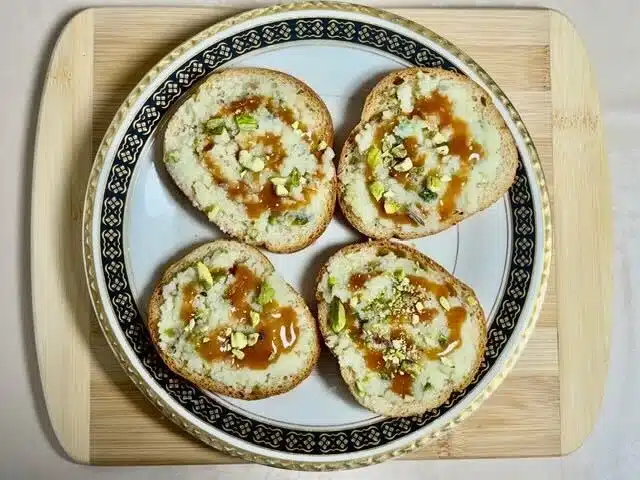
The Royal Khoya Pistachio Treat is fundamentally a study in contrast: the structural integrity of a toasted French baguette base, the opulent, creamy density of sweetened khoya, and the final, sharp sweetness of a homemade caramel drizzle. Unlike traditional Indian sweets, which often require long hours of simmering milk to create the base, this recipe leverages accessible ingredients to achieve a similar profile of richness.
The dish consists of three primary pillars:
- The Base: A lightly buttered and toasted slice of French baguette, providing a crisp foundation that prevents the dessert from becoming overly soggy.
- The Filling: A vibrant, nutty mixture centered on khoya—a dense, concentrated dairy product—infused with finely chopped pistachios.
- The Finish: A delicate caramel sauce that provides a bittersweet counterpoint to the earthy, creamy nature of the khoya.
The primary appeal lies in its versatility. While traditional sweets often demand significant culinary skill and time, this dish serves as an accessible entry point for home cooks who wish to impress guests without the logistical burden of a complex baking process.
Chronology of Preparation: The Five-Minute Workflow
The efficiency of this recipe is achieved through a streamlined, multi-tasking approach. For the home cook, the preparation sequence is designed to maximize output while minimizing downtime.
- Minute 0:00–0:01 (The Toasting Phase): The process begins with the bread. Slices of French baguette are lightly buttered and placed in a toaster or a pre-heated pan. The goal is a light golden-brown finish; over-toasting would compromise the textural harmony of the dish.
- Minute 0:01–0:03 (The Filling Formulation): While the bread is crisping, the cook prepares the khoya mixture. In a microwave-safe bowl (or a small saucepan over low heat), the khoya is combined with sweeteners and chopped pistachios. The objective here is to achieve a spreadable consistency—neither too runny nor too dry—that acts as a luxurious "ganache" of sorts.
- Minute 0:03–0:04 (The Caramelization): The final component, the caramel sauce, is prepared by gently heating sugar. Professional tips suggest maintaining a low flame to prevent bitterness, ensuring the sauce remains a deep amber rather than a burnt dark brown.
- Minute 0:04–0:05 (Assembly): The warm, toasted bread is pulled from the heat, the khoya mixture is spread generously across the surface, and the caramel sauce is drizzled in a fine stream to complete the aesthetic presentation.
Supporting Data: Why Texture and Ingredient Ratios Matter
Culinary experts often note that the success of fusion desserts relies heavily on the "mouthfeel" of the final product. The Royal Khoya Pistachio Treat utilizes a specific ratio of fat to sugar to ensure the dish feels indulgent.
Data from culinary forums and home-cook feedback suggest that the choice of bread is a critical variable. While a French baguette is the standard recommendation, the structural density of a baguette is ideal because it absorbs the moisture of the khoya without losing its "snap." Substituting with softer, airier breads often results in a "soggy bottom" phenomenon, which deters from the intended fine-dining aesthetic.
Furthermore, the inclusion of pistachios serves a dual purpose: nutritional value and sensory complexity. Pistachios are high in healthy fats and protein, which helps temper the glycemic impact of the khoya and sugar. When toasted or chopped finely, they provide the necessary "crunch" that distinguishes this treat from a simple pudding or spread.
Official Insights: Expert Perspectives on Fusion Cooking
The rise of the Royal Khoya Pistachio Treat is not an isolated incident but part of a broader shift in global gastronomy. Food historians point out that the integration of "Khoya" into Western-style toast-based desserts mirrors the evolution of Indian-American cuisine.
"The beauty of this recipe is its democratic nature," notes one industry observer. "By utilizing store-bought khoya or even quick-made substitutes, the average cook is effectively engaging in a deconstruction of traditional mithai. It is a nod to the past but optimized for the 21st-century timeline."
Professional chefs often emphasize that the "five-minute" label is an invitation to play with flavor profiles. While the recipe suggests pistachios, the base structure allows for experimentation. For example, replacing pistachios with saffron-infused almonds or rose-water-soaked cashews allows for regional variations that can shift the flavor profile from nutty and savory to floral and aromatic.
Implications: The Future of the "Quick-Indulgence" Market
The popularity of this dish signals a significant shift in consumer preferences. As the lines between "everyday meals" and "entertaining" continue to blur, there is an increasing demand for recipes that offer "The Wow Factor" with minimal labor.
Economic and Social Impact
For the home cook, the economic implications are favorable. Unlike store-bought artisanal sweets which can cost upwards of $20–$30 for a small box, the components for a batch of six Khoya Pistachio Treats cost a fraction of that. This empowers families to host gatherings with a sense of "royal" hospitality without the associated costs of professional catering.
Cultural Preservation
There is also a cultural implication at play. By making traditional ingredients like khoya more accessible and easier to use, the recipe acts as a bridge for younger generations who may not have the time to engage in the laborious, traditional process of making halwa or burfi. It preserves the flavor profile of heritage sweets while embedding them into modern, convenient dietary habits.
Scalability and Adaptability
The recipe is highly scalable. While designed for six pieces, the prep-time remains largely constant regardless of whether one is making four pieces or twenty. This makes it an ideal candidate for large-scale events, such as small gatherings or festive occasions, where the host wants to spend time with guests rather than being tethered to the kitchen.
Final Culinary Notes: Best Practices for Perfection
To achieve the best results, enthusiasts should consider the following professional tips:
- Temperature Control: Always serve the treat shortly after assembly. The contrast between the warm toast and the room-temperature khoya is the signature of the dish.
- Quality of Khoya: If the khoya is too firm, incorporate a teaspoon of warm milk or heavy cream to aerate the mixture. This ensures it spreads easily across the bread without tearing the crust.
- The Caramel Rule: If the caramel sauce hardens too quickly, do not discard it. A small amount of warm cream stirred into the pan will restore the sauce to a pourable, glossy consistency.
- Personalization: While the caramel is a popular addition, it is optional. For those seeking a less sweet alternative, a light dusting of sea salt or ground cardamom can elevate the pistachio profile without the need for additional sugar.
In conclusion, the Royal Khoya Pistachio Treat is more than just a quick snack; it is a testament to the fact that sophistication does not require hours of toil. By mastering a few simple techniques—toasting to the right level, achieving the perfect spread consistency, and managing heat during caramelization—home cooks can create a dessert that is as visually stunning as it is delicious. Whether for a quiet tea-time moment or a festive table, this five-minute wonder proves that with the right approach, royalty is just a few minutes away.