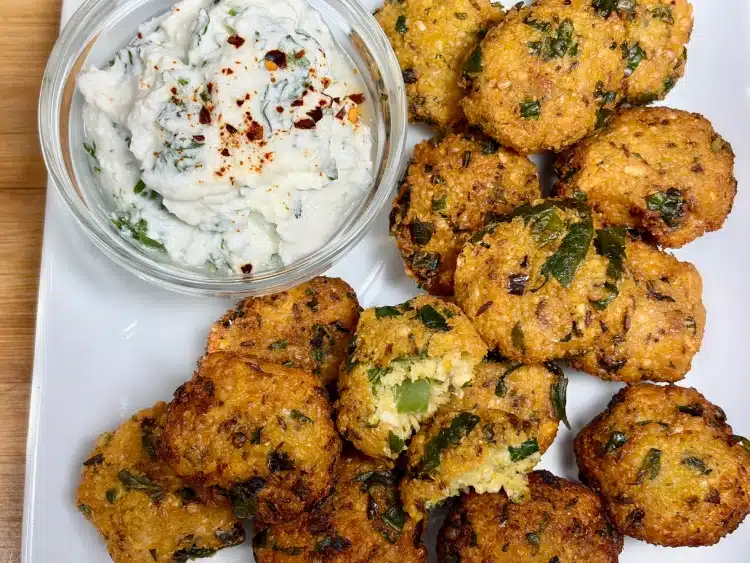
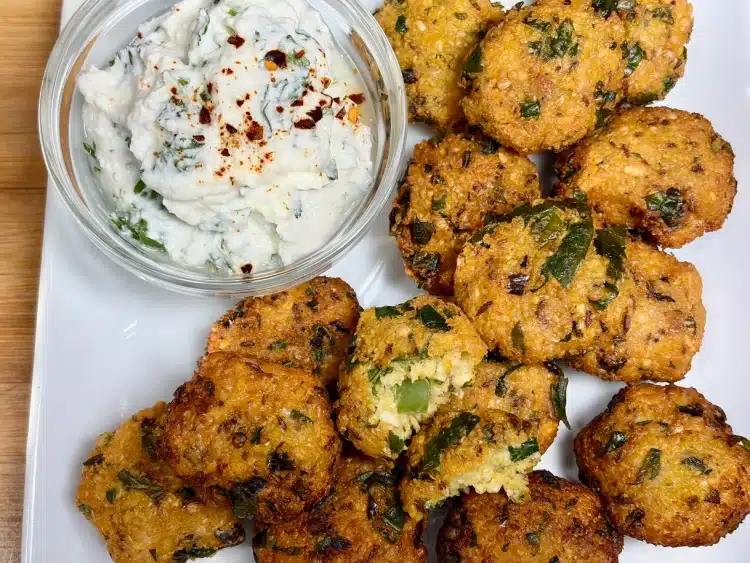
In the tapestry of Indian street food and home-cooked comfort, few items command the same level of nostalgic affection as the "Mix Dal Crispy Vada," or dal pakora. These golden, crunchy, and irresistibly aromatic lentil fritters are more than just a snack; they are a sensory bridge between the bustling stalls of urban India and the quiet, cozy afternoons of a family kitchen. With a texture defined by a crackling exterior and a soft, tender interior, the dal vada represents a masterclass in texture and nutrition.
The Essence of the Dish: Main Facts
The Mix Dal Vada is essentially a savory fritter crafted from a coarse batter of soaked, ground lentils. Unlike other varieties of pakoras that might rely on chickpea flour (besan), the authentic dal vada derives its structure from the lentils themselves.
The core appeal of this dish lies in the synergy of different lentils. By blending varieties—typically yellow moong dal, masoor (red lentils), and sometimes chana dal—the cook creates a complex flavor profile that a single-lentil dish cannot replicate. Each variety of dal brings a unique protein content, amino acid profile, and specific starch composition, which contributes to the final structural integrity of the vada.
Nutritionally, these fritters are a powerhouse. As a plant-based, protein-rich snack, they offer a satisfying alternative to processed appetizers. Because they are naturally gluten-free and easily adaptable for vegan diets, they have transcended their regional roots to become a staple in modern, health-conscious kitchens worldwide.
A Historical and Cultural Chronology: The Evolution of the Fritter
The history of the vada or pakora is deeply intertwined with the history of lentil cultivation in the Indian subcontinent. For centuries, pulses have been the primary protein source for a largely vegetarian population.
- The Ancient Roots: Archeological evidence of lentil processing dates back thousands of years in South Asia. Fritters were a logical culinary evolution, as frying provided a way to preserve legumes while making them portable and palatable.
- The Street Food Explosion (20th Century): As Indian cities industrialized, street food culture became the heartbeat of the workforce. The dal vada, requiring only basic ingredients like lentils, ginger, green chilies, and salt, became the ultimate "working person’s snack"—affordable, shelf-stable, and energy-dense.
- Modern Adaptation: Over the last decade, the dal vada has shifted from a street-corner staple to a gourmet appetizer. Chefs are now experimenting with global flavor profiles, incorporating ingredients like microgreens, truffle oil, or fusion chutneys, while health enthusiasts have begun utilizing air-frying technology to minimize oil content without sacrificing the characteristic crunch.
Technical Culinary Data: The Science of the Crunch
Achieving the perfect texture in a dal vada is not merely a matter of following a recipe; it is a matter of food science. Culinary experts emphasize several critical variables:
1. The Moisture Ratio
The most common failure in making dal vadas is an overly wet batter. To achieve the signature crunch, the lentils must be soaked, drained thoroughly, and ground with minimal (or no) water. Excess moisture prevents the outer layer from searing instantly upon contact with hot oil, causing the vada to absorb grease rather than repelling it.
2. Particle Size
Texture is determined by the coarseness of the grind. A fine, paste-like consistency results in a dense, rubbery fritter. A coarse grind, where some lentils remain slightly chunky, creates structural "pockets" that allow steam to escape during frying, resulting in a lighter, airier, and crunchier bite.
3. Thermal Management
Frying requires precise temperature control. If the oil is too cold, the lentils will absorb the fat, becoming heavy and oily. If the oil is too hot, the exterior will brown before the inside has cooked through. A consistent medium heat allows the heat to penetrate the core of the lentil ball, ensuring the inside reaches the perfect soft, fluffy consistency while the outside achieves a deep, golden-brown crust.
Official Perspectives and Culinary Recommendations
Renowned cooking experts and culinary educators, such as Manjula Jain, emphasize that the beauty of the dish lies in its simplicity and versatility. When asked about the secret to elevating the basic pakora, industry experts often highlight the importance of "aromatic layering."
"While the lentils provide the base, the soul of the vada comes from the aromatics," notes one culinary consultant. Fresh ginger, finely chopped green chilies, and fresh cilantro are not just garnishes; they are essential components that cut through the richness of the fried legume, providing a sharp, refreshing contrast to the earthy flavor of the dal.
Implications for Modern Diets: Health and Convenience
The rise of the "snack-ification" of meals has placed the dal vada in an interesting position. As more individuals move toward plant-based, whole-food diets, the dal vada is being re-evaluated for its health benefits.
The Protein Factor
For those looking to move away from flour-heavy snacks, the dal vada offers a superior nutritional profile. It provides a significant amount of plant-based protein and dietary fiber, which helps in stabilizing blood sugar levels compared to refined carbohydrate-based snacks like crackers or chips.
The Air-Frying Revolution
The advent of the air fryer has fundamentally changed the implications for the home cook. While traditionalists argue that deep-frying is essential for the authentic "mouthfeel" of a vada, clinical and home-cooking trials suggest that air-frying can achieve 80–90% of the desired crispiness with a fraction of the caloric density. This development has effectively removed the "guilt" associated with the traditional fried snack, making it a viable daily option for busy professionals.
Meal Planning and Prep
The storage capabilities of the batter have also made it a favorite for meal-prep enthusiasts. By prepping a batch of the lentil base on a Sunday, one can have fresh, hot snacks throughout the week. The ability to freeze or refrigerate the batter allows for the "hot-from-the-pan" experience to be recreated in minutes, bridging the gap between convenience and quality.
Frequently Asked Questions: Expert Solutions
To ensure success in the kitchen, we address the most common concerns regarding the preparation of these lentil fritters:
Q: Is it mandatory to use a mix of dals?
While you can technically use a single variety like moong dal, the "Mix Dal" approach is superior. Each dal has a different protein-to-starch ratio; mixing them creates a more complex flavor profile and a superior texture that is both crisp and light.
Q: Why does the batter fail to stick together?
Often, the batter is too dry or the lentils were not soaked long enough. Conversely, if the batter is too wet, it will fall apart in the oil. The ideal consistency should feel like a thick, malleable dough that can be shaped into small patties or balls with damp hands.
Q: Can these be served as a main course?
Absolutely. In many households, dal vadas are served alongside a bowl of steaming yogurt or a spicy green chutney, transforming them from a snack into a protein-rich meal accompaniment.
Q: How can I manage the spice level for a wider audience?
The heat in a dal vada is easily controlled by the quantity and type of green chili used. For a milder version, one can substitute the chili with finely chopped bell peppers or a touch of asafoetida (hing) to provide depth of flavor without the heat.
Conclusion
The Mix Dal Vada is a testament to the ingenuity of traditional Indian cooking—a dish that is fundamentally simple yet technically profound. Whether enjoyed as a rainy-day treat with a cup of masala chai or served as a sophisticated hors d’oeuvre at a dinner party, its appeal remains timeless. By understanding the science of the grind, the importance of temperature control, and the nutritional value of the legumes, home cooks can continue to keep this tradition alive, one crispy bite at a time.