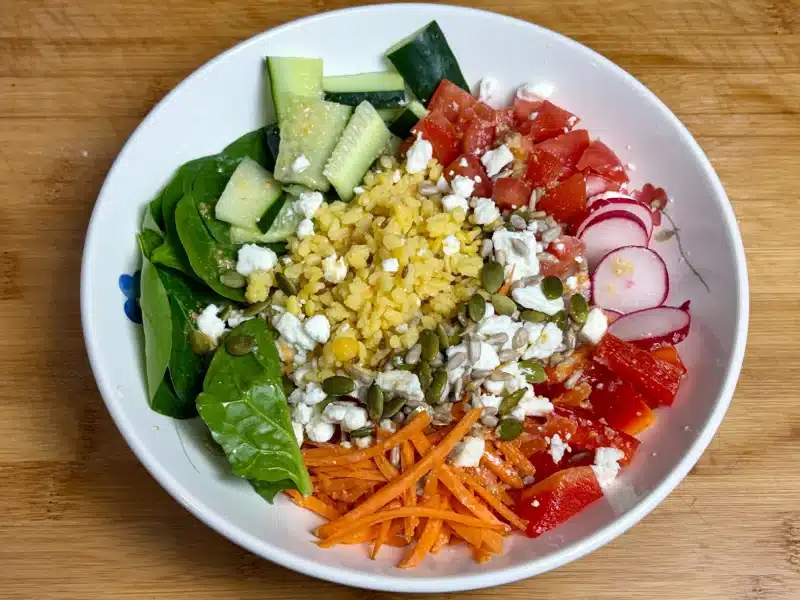

In the landscape of modern home cooking, the challenge often lies in striking the perfect balance between nutritional density, ease of preparation, and the nostalgic pull of traditional flavors. Manjula’s Kitchen has recently unveiled a recipe that bridges this gap—the Creamy Cauliflower and Paneer with Spinach Rice Bowl. This dish, a thoughtful evolution of a family classic, represents a growing movement in home gastronomy: the transformation of simple, humble ingredients into a sophisticated, one-bowl meal that satisfies both the palate and the soul.
The Essence of the Dish: Main Facts and Origins
At its core, this recipe is a creative synthesis of two distinct components: a vibrant, herb-infused spinach rice and a velvety, mild cauliflower-paneer gravy. The inspiration for this dish is deeply personal, rooted in the culinary history of the creator. Years ago, a simple cauliflower curry prepared by her sister left an indelible mark on her memory. That "finger-licking good" flavor profile—defined by the gentle sweetness of cauliflower and the earthy richness of traditional spices—served as the blueprint for this contemporary bowl.
The dish is designed for efficiency, requiring only 10 minutes of preparation and 20 minutes of active cook time. It yields four servings, making it an ideal candidate for family dinners or meal-prepped lunches. By marrying the lightness of a milk-based gravy with the fiber-rich profile of spinach-infused rice, the dish achieves a caloric harmony that feels indulgent without being heavy.
A Chronological Journey of Flavor Development
The evolution of this recipe from a memory to a structured, accessible guide involved several deliberate phases of experimentation:
- Memory Retrieval: The process began with deconstructing the flavor notes of the original cauliflower curry—focusing on the interplay between the cauliflower’s texture and the aromatic spice base.
- Modernizing the Base: Recognizing that modern dining often favors "bowl" formats for their convenience and balanced aesthetics, the creator pivoted from a traditional side-dish-with-flatbread approach to a comprehensive, all-in-one grain bowl.
- Refining the Texture: The challenge in vegetable-based gravies is often maintaining a "pourable" consistency that coats the rice without turning into a thick paste. The solution was the integration of a milk-based gravy, which creates a silky, luxurious mouthfeel that complements the firm cubes of paneer and the crunch of fresh peas and carrots.
- Integrating the Spinach Rice: To elevate the base of the meal, fresh spinach was incorporated into the rice. This not only adds a striking aesthetic appeal but also integrates a layer of subtle, vegetal bitterness that cuts through the creaminess of the cauliflower sauce.
Nutritional Implications and Dietary Synergy
In an era where consumers are increasingly conscious of their intake, this recipe provides a template for "balanced comfort." The ingredients selected offer a symbiotic nutritional profile:
- Cauliflower: A cruciferous powerhouse, cauliflower provides high fiber, antioxidants, and essential vitamins such as C and K. When cooked in a light gravy, it retains its structure while absorbing the essence of the surrounding spices.
- Paneer: As a staple of Indian vegetarian cuisine, paneer offers a high-quality protein source. Its ability to hold shape under heat makes it the perfect protein for a bowl-style dish.
- Spinach: By folding spinach into the rice, the dish gains an infusion of iron, folate, and Vitamin A, effectively turning a simple carbohydrate base into a nutrient-dense foundation.
- Peas and Carrots: These vegetables add not only vibrant color—transforming the bowl into a visual delight—but also complex carbohydrates and micronutrients that round out the texture.
The "one-bowl" format is more than just a trend; it is a psychological tool for portion control and mindful eating. By presenting the meal as a single, curated entity, the cook encourages a balanced consumption of vegetables, protein, and grains in a single serving.
Professional Perspectives on Home-Style Comfort Cooking
Culinary historians and nutritionists often point to "comfort food" as a vital component of mental well-being. The act of recreating a dish from one’s past, such as the cauliflower curry that inspired this recipe, is a form of culinary storytelling. When interviewed about the philosophy behind her kitchen, the creator emphasizes the importance of "gentle spices."
In contrast to commercial curries, which often rely on excessive heat or heavy creams, this home-style approach prioritizes the natural sweetness of the produce. The gravy is intentionally "light," a decision that aligns with current culinary trends favoring digestible, non-inflammatory diets. By avoiding heavy fats and focusing on a milk-based emulsion, the dish remains palatable for a wide range of ages, from children to seniors.
Practical Implementation: A Guide for the Home Chef
For those looking to replicate this dish, the process is streamlined to maximize flavor extraction. The method involves:
- The Rice Foundation: Preparing the rice with fresh spinach purée ensures the color is uniform and the flavor is subtle. It is important to avoid overcooking the spinach, as preserving its bright green hue is key to the dish’s visual appeal.
- The Gravy Base: The cauliflower, paneer, peas, and carrots are sautéed briefly before the milk-based sauce is introduced. The goal is to retain a slight "al dente" texture in the cauliflower, ensuring it doesn’t dissolve into the gravy.
- Seasoning: A gentle hand with spices—typically cumin, turmeric, and perhaps a touch of garam masala—is recommended. The idea is to enhance the natural flavors of the vegetables rather than mask them behind a wall of pungent heat.
Broader Implications for Modern Nutrition
The rise of the "Rice Bowl" format in global cuisine—from Japanese donburi to the Mediterranean grain bowl—reflects a shift in how we view the dinner plate. The Creamy Cauliflower and Paneer bowl fits squarely into this global movement, yet it retains the soul of traditional Indian home cooking.
This dish demonstrates that healthy eating does not have to be synonymous with deprivation. By using traditional, wholesome ingredients, one can create a "gourmet" experience at home that is significantly cheaper and more nutritious than takeout alternatives. It serves as an invitation to the home cook to explore their own family archives, identify the dishes that bring them comfort, and adapt them into the modern, fast-paced rhythm of daily life.
Conclusion: A Call to Culinary Creativity
The Creamy Cauliflower and Paneer with Spinach Rice Bowl is more than just a recipe; it is a masterclass in how to honor the past while embracing the present. It encourages cooks to be experimental, to trust their intuition, and to view the kitchen as a laboratory for comfort.
As we look toward the future of food, the emphasis will continue to shift toward dishes that are ethically sourced, easy to prepare, and deeply satisfying. This recipe stands as a testament to that shift. Whether you are a novice in the kitchen or an experienced home cook, the beauty of this dish lies in its accessibility. It is a reminder that the best meals are not those crafted in high-end laboratories, but those prepared with intention, care, and a nod to the flavors that shaped our upbringing.
We invite readers to engage with this recipe—to taste the synergy of the creamy gravy against the backdrop of the vibrant spinach rice—and, most importantly, to share their experiences. In the communal act of cooking and sharing, the true value of such a meal is realized. As you prepare this bowl, consider the textures, the colors, and the history behind every bite. It is, by all measures, a quintessential modern comfort food experience.