In the evolving world of gastronomy, where the intersection of ancestral nutrition and contemporary wellness takes center stage, the humble Moong Dal Salad has emerged as a beacon of health. Once relegated to the periphery of traditional home cooking, this protein-rich, vibrant dish is now being celebrated by nutritionists and culinary enthusiasts alike as a gold-standard meal. By combining the ancient wisdom of legumes with the bright, acidic notes of modern, ginger-infused dressings, this dish offers a masterclass in flavor complexity and dietary balance.
Main Facts: The Anatomy of a Nutritional Powerhouse
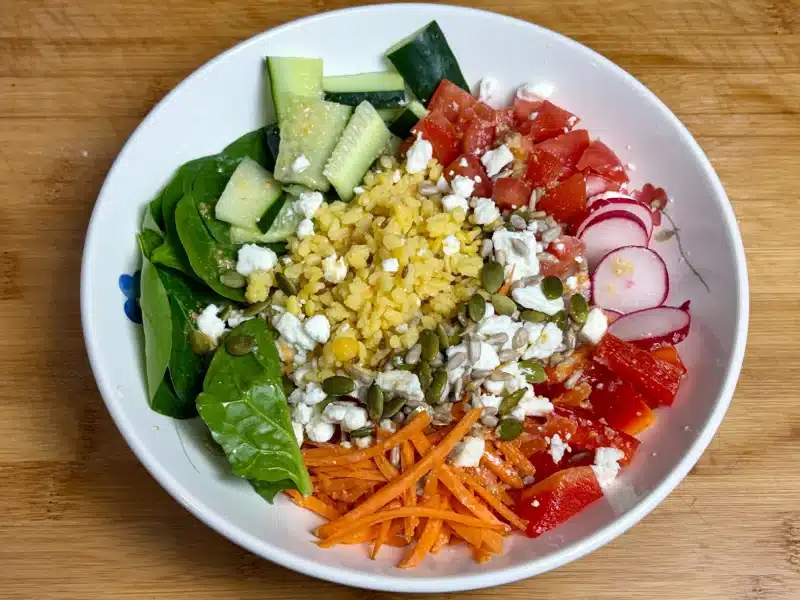
At its core, the Moong Dal Salad is a study in simplicity and efficiency. Moong dal—the split, skinless variety of green gram—is a cornerstone of plant-based protein consumption. Unlike heavier legumes that can leave diners feeling sluggish, moong dal is uniquely prized in Ayurvedic and modern nutritional sciences for its ease of digestion and high bioavailability of nutrients.
The dish is defined by its versatility. By pairing the earthy, subtle profile of the lentils with a kaleidoscope of fresh, crunchy vegetables, the salad achieves a textural harmony that is often lacking in plant-based meals. The addition of feta cheese—or its various plant-based alternatives—introduces a salty, creamy counterpoint to the fresh produce. However, the true "secret weapon" of this dish lies in the dressing. The use of fresh ginger juice, extracted through manual compression, provides a piquant, aromatic brightness that cuts through the starch of the lentils, effectively transforming a simple bowl of grains into a sophisticated, chef-level culinary experience.
Chronology: The Evolution from Home Kitchen to Global Table
The journey of the Moong Dal Salad from a regional staple to a global wellness trend has been a gradual process of refinement.
- The Traditional Roots: Historically, moong dal was a staple of the South Asian diet, typically consumed in liquid forms such as soups or porridge. The concept of utilizing it in a chilled, tossed salad format is a relatively modern adaptation that gained traction as culinary cross-pollination increased in the late 20th century.
- The Wellness Revolution: As the global appetite for high-protein, low-fat diets grew in the 2010s, home cooks and health influencers began experimenting with legumes as the primary base for salads. The move away from leafy greens as the only "salad base" allowed for more filling, nutrient-dense options like moong dal to take the spotlight.
- The Modern Iteration: In recent years, the emphasis has shifted toward the "home-made dressing." Professional kitchens and home chefs have moved away from store-bought, preservative-heavy vinaigrettes, opting instead for emulsified dressings that feature fresh aromatics like ginger juice, cold-pressed oils, and citrus. This shift has cemented the Moong Dal Salad as a perennial favorite in the modern lunch repertoire.
Supporting Data: Why Legumes Lead the Future of Food
The scientific community has long lauded the benefits of incorporating legumes into a daily diet. According to recent dietary guidelines, pulses like moong dal provide a unique combination of fiber and protein that helps regulate blood sugar levels, preventing the mid-afternoon energy crashes associated with high-carbohydrate meals.
Data suggests that a serving of this salad can provide:
- High-Quality Protein: Essential for muscle repair and sustained satiety.
- Complex Carbohydrates: Which provide a steady release of energy throughout the day.
- Micronutrient Density: Through the addition of fresh vegetables, which provide essential vitamins (A, C, and K) and minerals that are often lost in cooking.
- Digestive Support: Ginger, a key component of the dressing, is clinically recognized for its anti-inflammatory properties and its ability to aid in gastric emptying.
Furthermore, the environmental implications of adopting a legume-heavy diet are profound. Moong dal is a crop that requires significantly less water than animal-based proteins and is known to improve soil health by fixing nitrogen, making this salad an environmentally conscious choice in an era of climate-focused consumerism.
Official Responses and Culinary Expert Commentary
Prominent nutritionists have weighed in on the rise of the Moong Dal Salad, with many citing it as the "perfect lunch" for the corporate professional. "The beauty of this dish is its stability," notes one leading nutritionist. "Unlike a lettuce-based salad that wilts within an hour of dressing, the moong dal structure remains firm and palatable for several hours, making it the ideal meal-prep candidate."
Culinary experts, meanwhile, emphasize the importance of the "ginger juice technique." By grating fresh ginger and squeezing it, chefs are capturing the essential oils of the root without the fibrous texture that often distracts from the eating experience. This level of attention to detail is what differentiates a basic salad from a gourmet one.

When asked about the role of cheese in the dish, culinary critics suggest that while feta is the traditional pairing for its sharp, tangy profile, the dish remains remarkably resilient. Whether opting for the saltiness of feta or the subtle, creamy notes of paneer or vegan alternatives, the core composition remains balanced, proving that the recipe is as inclusive as it is nutritious.
Implications: The Long-Term Impact on Dietary Habits
The success of the Moong Dal Salad suggests a larger, more permanent shift in how we approach the midday meal. As people move away from heavy, processed lunches, they are seeking dishes that provide "vitality without the lethargy."
The implications are twofold:
1. The Rise of "Functional" Cooking
The focus on ginger juice as a functional ingredient indicates that consumers are no longer just looking for flavor; they are looking for performance. They want their food to aid digestion, boost immunity, and provide cognitive clarity. The Moong Dal Salad serves as a template for this "functional cooking" philosophy.
2. The Empowerment of the Home Cook
The simplicity of the preparation—which avoids complex techniques or expensive equipment—democratizes gourmet cooking. By providing a clear framework that can be adjusted to individual tastes (such as swapping sprouts for cooked dal or choosing different vegetables based on seasonality), this dish empowers the individual to become the architect of their own health.
3. Sustainability as a Default
As the population grows and the pressure on global food systems intensifies, the shift toward pulses is no longer just a trend—it is a necessity. By normalizing the Moong Dal Salad, the culinary community is encouraging a transition toward more sustainable consumption patterns that do not sacrifice the joy of eating.
Conclusion: A Blueprint for Better Eating
The Moong Dal Salad is more than just a recipe; it is a manifestation of the modern culinary ideal. It manages to balance the rigid requirements of nutrition with the fluid demands of flavor. Whether it is prepared for a quick desk lunch, a communal gathering, or a light evening meal, the dish remains a reliable, vibrant, and satisfying option.
By embracing fresh ingredients, honoring the nutritional integrity of the moong dal, and leaning into the bright, spicy potential of homemade dressings, we can transform our daily eating habits. As we continue to navigate the complexities of modern life, finding solace and strength in a bowl of something fresh, colorful, and wholesome remains one of the most effective ways to nourish the body and the mind. The Moong Dal Salad is not just a trend—it is a sustainable, delicious blueprint for the future of food.