The IMAX Odyssey: A New Lens on an Ancient Epic
Christopher Nolan, a filmmaker synonymous with the manipulation of time and the elevation of blockbuster cinema, has set his sights on the bedrock of Western literature: Homer’s The Odyssey. With a reported three-hour runtime and an exclusive commitment to IMAX cameras, the film promises to be an sensory, immersive experience that mirrors the vast, turbulent landscapes of the Mediterranean.
The production has generated a fervor rarely seen in contemporary cinema, bridging the gap between classical scholarship and pop-culture fandom. The casting is, by any metric, stellar: Matt Damon steps into the sandals of the wily Odysseus, while Zendaya is set to portray the goddess Athena. The ensemble includes Anne Hathaway as the resilient Penelope, Tom Holland as the maturing Telemachus, and Charlize Theron as the ethereal Calypso. In a nod to the complexity of the source material, Lupita Nyong’o has been tapped to portray both Helen of Troy and her sister, Clytemnestra, a casting choice that suggests Nolan may be leaning into the thematic mirroring often found in Greek tragedy.
For families and cinephiles alike, the July release date is circled on calendars. Nolan’s signature penchant for nonlinear storytelling—a technique that arguably mirrors the fragmented, flashback-heavy structure of Homer’s original poem—makes him the ideal architect for this particular myth. However, beyond the technical wizardry and the "Nolan-esque" complexity, the film invites a broader conversation about why a three-millennia-old epic remains the definitive blueprint for the human experience.
A Chronology of Discovery: From Chapman to the Silver Screen
The transmission of The Odyssey across three thousand years is a story of constant reinvention. Dating back to the 8th or 7th century B.C., the epic was initially an oral tradition, sung by bards who adapted the meter and the message for the audiences of the day.
When the Elizabethan playwright George Chapman provided the first complete English translation in the 16th century, he opened a gateway that would influence generations of poets. Perhaps no reaction was more profound than that of John Keats, who in his 1816 sonnet, On First Looking into Chapman’s Homer, captured the visceral shock of discovery. Comparing his experience to that of the Spanish conquistadors, Keats wrote:

"Or like stout Cortez when with eagle eyes / He star’d at the Pacific — and all his men / Look’d at each other with a wild surmise — / Silent, upon a peak in Darien."
This "wild surmise" is what Nolan aims to recapture. While the story remains fixed—a soldier’s arduous journey from the smoking ruins of Troy back to the hearth of Ithaca—each century has demanded a translation that speaks to its own moral and social anxieties.
The Gendered Lineage of Translation
A pivotal element of Nolan’s production is his reported reliance on Emily Wilson’s 2017 translation. Wilson’s work was a watershed moment in the field of classics. For centuries, the study and translation of Homeric Greek were largely considered a "closed club" reserved for male scholars. Wilson, however, became the first woman to publish a complete English translation of The Odyssey from the original Greek.
Wilson’s choice of language was deliberately provocative. Her opening line—"Tell me about a complicated man"—immediately strips away the romanticized, bronze-statue veneer of the hero. It reframes Odysseus not merely as a "bold adventurer" but as a flawed, intelligent survivor navigating a world of moral ambiguity. As Wyatt Mason noted in The New York Times Magazine, Wilson’s work is "radically contemporary," while The Guardian’s Charlotte Higgins dubbed it a "cultural landmark." By utilizing this translation, Nolan signals that his film will not be a dusty period piece, but a gritty, psychological investigation of what it means to be a person caught in the machinery of war and fate.
The Counter-Narrative: Women Writers Reclaim the Myth
While Nolan’s film is set to capture the massive scale of the epic, a parallel, equally significant movement has been unfolding in literature: the reclaiming of the female voices in Homer’s world.

Madeline Miller’s Circe (2018) offers a profound example. By centering the narrative on the "witch" of Aeaea, Miller transforms a minor antagonist into a fully realized, deeply human figure. Her account of Circe’s empathy toward the suffering of others—most notably her act of kindness toward Prometheus—reframes the Olympian gods not as mere arbiters of justice, but as capricious, often cruel entities.
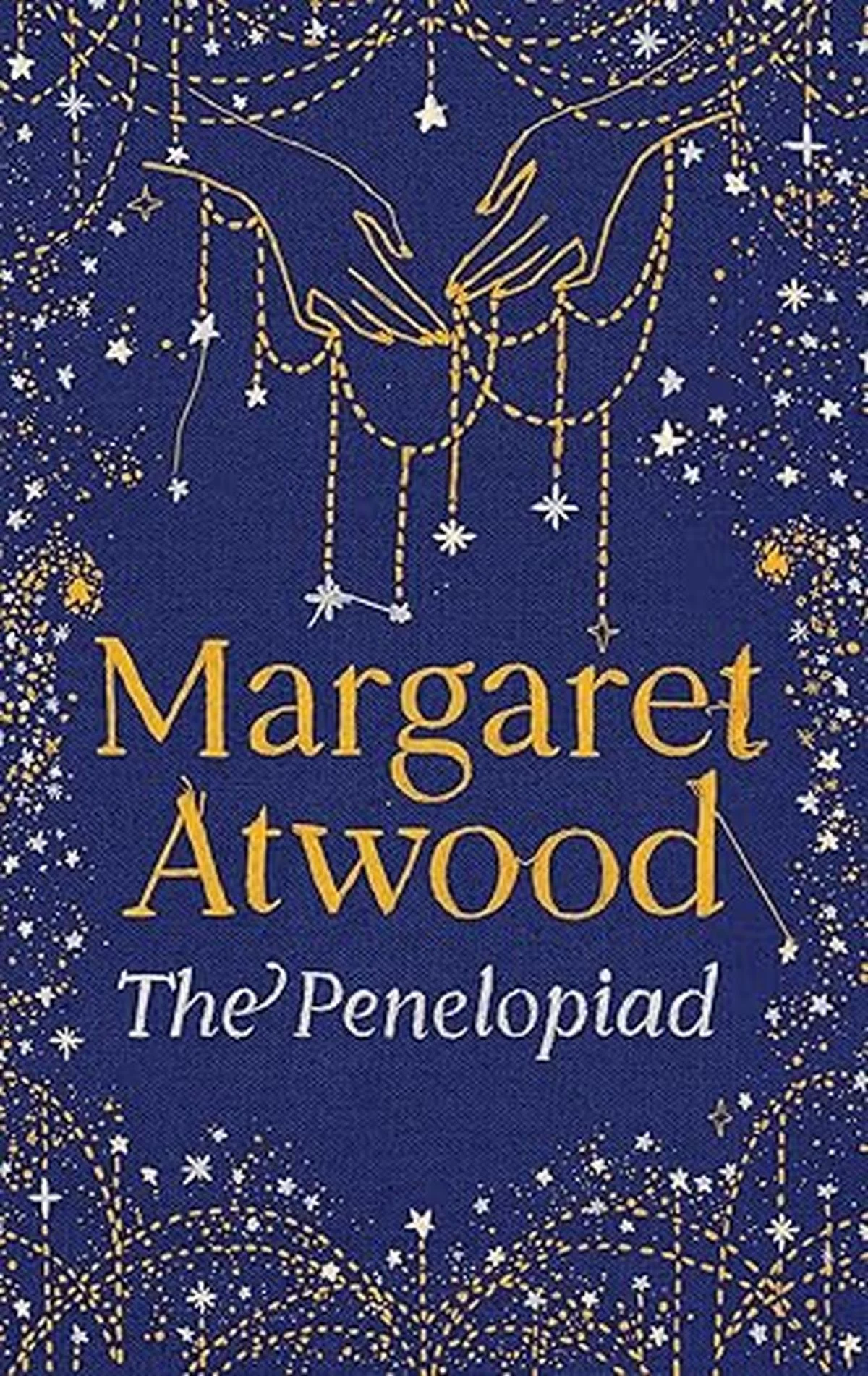
Similarly, Margaret Atwood’s The Penelopiad (2005) functions as a necessary, sobering counter-narrative. Where the original text focuses on Odysseus’s tactical genius, Atwood pivots to the domestic space of Ithaca. She highlights the silence imposed upon the 12 maids who were executed upon Odysseus’s return. By giving these women a "haunting poetic voice," Atwood forces the reader to confront the cost of the hero’s homecoming. The lines, "we are the maids / the ones you killed / the ones you failed," serve as a chilling reminder that in the shadow of every great hero, there are countless unacknowledged casualties.
Supporting Data: Why We Still Need the Odyssey
The endurance of The Odyssey is not an accident; it is the result of its inherent flexibility. Statistics on literary consumption and academic interest suggest that interest in classical epic poetry has remained steady, with a notable spike following the publication of more accessible, contemporary translations.
Furthermore, film history shows that the "Odyssean structure"—the long, circuitous journey home—is a staple of effective storytelling. Perhaps no film has mastered this adaptation better than the Coen Brothers’ 2000 masterpiece, O Brother, Where Art Thou?. By transposing the journey to the Depression-era American South, the Coens proved that the epic could survive a change in setting, race, and religious context. It challenged audiences to look at the American landscape—with its history of systemic corruption and racial strife—through a mythic lens.
Implications: The Harder Questions
As audiences prepare to witness Nolan’s interpretation, the film poses questions that transcend the IMAX screen. We live in an era of global displacement, forced migration, and unprecedented political volatility.

- The Definition of Home: In a world where the physical home is often destroyed or fundamentally altered by conflict, what does it mean to "return"? Odysseus discovers that his home is not the same place he left; he has become a stranger to his own life.
- The Ethics of Travel: Who is granted the privilege of the "journey," and who is forced to wait? The juxtaposition of the hero’s travel with the stasis of those left behind—the maids, the wife, the son—is a theme that resonates deeply in modern political discourse.
- Justice and Reparations: Does the act of survival justify the violence committed to achieve it? When Odysseus returns to massacre the suitors, the epic asks us to consider whether justice can truly be served through blood, or if it merely perpetuates the cycle of suffering.
Conclusion: Finding the Beginning
Christopher Nolan’s The Odyssey is positioned to be more than just a blockbuster. It is an invitation to re-examine the foundation of our stories. By blending the grand-scale spectacle of IMAX with the nuance of modern, feminist translations, the film promises to be a bridge between the ancient world and our own "modern times."
As Wilson’s translation so eloquently puts it: "Tell the old story for our modern times. Find the beginning." Whether through the lens of a director, a poet, or a novelist, we continue to look to the wandering hero to understand our own navigation of a complex, often indifferent, and always changing world. The homecoming, as it turns out, is not just for Odysseus—it is for us, as we return, again and again, to the story that defines us.