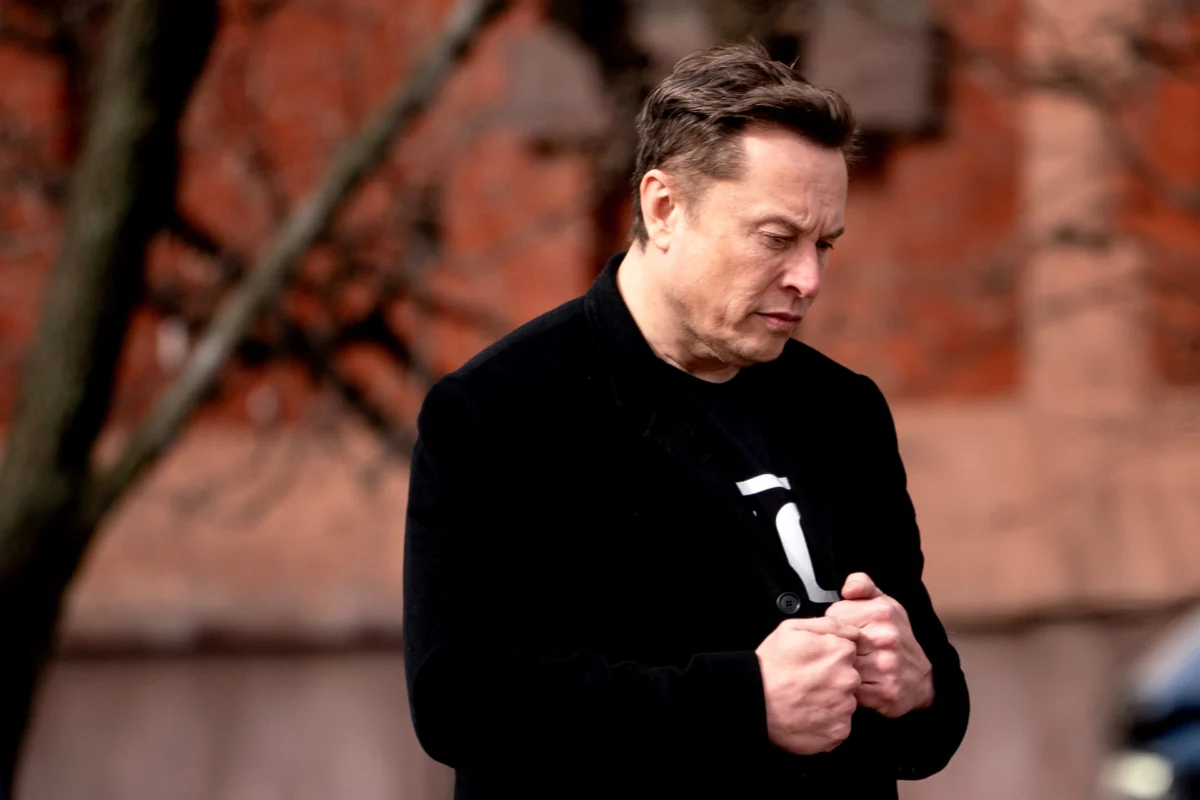
In a move that has sent shockwaves through both the financial markets and the philanthropic sector, Elon Musk, the world’s wealthiest individual, has declared his intention to distribute shares of his aerospace and artificial intelligence conglomerate, SpaceX, to every child in the United States. The promise, made via his platform X (formerly Twitter), outlines a 2027 timeline for the initiative. If executed, the gift would represent an unprecedented redistribution of corporate equity, valued at more than $10 billion based on the company’s current share price of $146.
For a man whose net worth has recently surged past the $1 trillion mark, the donation represents roughly 1% of his total wealth. While the logistical framework for such a transfer remains opaque, Musk’s stated goal is to bypass traditional charitable intermediaries and deliver wealth "directly to the public."
The Chronology of a Viral Pledge
The genesis of this proposal appears to be a reactive commentary on the shifting landscape of corporate social responsibility. On a Sunday afternoon, the AI research firm Anthropic announced plans to allocate 5% of its shares into a "public benefit fund." Anthropic noted that this fund would be utilized to facilitate substantial donations to traditional non-profits or direct distributions to specific demographics following the company’s upcoming Initial Public Offering (IPO).
Musk, rarely one to sit on the sidelines of corporate discourse, responded directly to Anthropic’s announcement. He urged the company to abandon the "fund" structure in favor of a direct distribution model. "This is what I will be doing," he wrote four hours later, setting the stage for his subsequent overnight announcement regarding SpaceX. By the following morning, the tech mogul had committed to donating his own company’s equity to the children of America, a move that effectively dwarfed Anthropic’s announcement in both scale and narrative impact.
Data Points: The Scale of the Commitment
To understand the magnitude of Musk’s pledge, one must look at the sheer demographics and asset distribution involved. According to the Federal Interagency Forum on Child and Family Statistics, there are currently more than 70 million children under the age of 18 in the United States.
Musk’s capacity to fulfill this promise is rooted in his massive ownership stake in SpaceX. As of the most recent filings with the Securities and Exchange Commission (SEC), Musk owns approximately 849 million Class A common shares and over 5.5 billion Class B supervoting shares. With SpaceX serving as a dual-engine powerhouse of space exploration and cutting-edge artificial intelligence, the value of these shares is intrinsically tied to the firm’s future as a cornerstone of the American technological infrastructure.
A gift of one share per child at the current $146 valuation would equate to a total transfer of over $10.2 billion. While this is a staggering sum, it represents only a fraction of Musk’s total portfolio, raising questions about whether this is a singular event or, as Musk suggested in his posts, the "first of many" such distributions.
The Infrastructure of Giving: The "Trump Accounts"
The mechanics of how such a transfer would occur remain the primary point of confusion for market analysts. However, observers have pointed toward the evolving relationship between Musk and the current administration. President Donald Trump, whose campaign was buoyed by roughly $300 million in support from Musk, has previously proposed the creation of "Trump Accounts"—government-managed bank accounts for children established through the U.S. Treasury.
These accounts are theoretically designed to accept stock donations from high-net-worth individuals, providing a potential conduit for Musk’s plan. By utilizing a government-backed infrastructure, Musk could theoretically bypass the complications of setting up millions of individual brokerage accounts. Whether the Treasury is prepared to manage a fleet of 70 million individual shareholders, however, remains a question of significant administrative and legal complexity.
Examining the Musk Foundation: A History of Critique
Musk’s approach to philanthropy has long been characterized by a paradoxical relationship with the concept of charitable giving. He has frequently expressed skepticism toward traditional philanthropy, yet he presides over the fifth-largest private charitable foundation in the United States.
However, the efficacy and transparency of this foundation have been subject to intense scrutiny. A comprehensive review conducted by The Economist in late 2026 painted a portrait of a foundation that is "opaque, miserly, and self-serving." The investigation revealed that the vast majority of the Musk Foundation’s capital has been funneled into entities that maintain ties to Musk himself. Notably, nearly 60% of the foundation’s total disbursements have been directed toward another entity, simply titled "The Foundation," which is managed by Jared Birchall, the primary money manager for Musk’s family office.
This history suggests that the public should view the current SpaceX pledge with a degree of cautious optimism. While the scale of the donation is unprecedented, the lack of a clear legal mechanism—combined with a history of keeping charitable funds within his own orbit—leaves experts wondering if this is a genuine populist move or a complex tax or political strategy.
Implications for Corporate Governance and Markets
The implications of 70 million minors suddenly becoming shareholders in a private, high-growth tech company are profound.
1. The Dilution of Control
SpaceX’s governance structure is heavily weighted toward Musk through his supervoting Class B shares. A distribution of Class A common shares would likely not threaten his control of the company, but it would create a massive, fragmented base of retail shareholders. This would be a departure from the traditional model of private equity, where the cap table is typically restricted to institutional investors, venture capitalists, and employees.
2. Market Liquidity and Valuation
If millions of children suddenly hold shares in a private company, the pressure to reach a public listing (IPO) would become immense. Shareholders would eventually demand liquidity. This could force SpaceX to accelerate its timeline for going public, fundamentally changing the company’s operational trajectory and its ability to engage in long-term, high-risk research and development without the quarter-to-quarter scrutiny of the public markets.
3. The "Direct to Public" Precedent
If Musk successfully executes this, it could rewrite the rulebook on billionaire philanthropy. The current trend in Silicon Valley—often referred to as "Effective Altruism"—favors the creation of large, tax-exempt foundations that hold assets for decades. Musk’s pivot toward "direct distribution" challenges this, suggesting that the public is better served by owning the assets directly. Whether this serves to empower the next generation or simply introduces them to the volatility of the tech sector is a matter of intense debate.
The Road Ahead: Logistics and Legality
As of the current writing, Elon Musk has not responded to formal requests for comment regarding the specific legal structure of this transfer. The regulatory hurdles are substantial. SEC rules regarding the distribution of securities to minors, the tax implications of "gifting" billions in equity, and the potential for federal government involvement via "Trump Accounts" all create a labyrinthine challenge for Musk’s legal team.
Furthermore, the valuation of SpaceX is a moving target. As the company continues to launch missions and integrate AI systems into its operations, the share price will fluctuate. A $146 valuation today might look vastly different in 2027.
Conclusion
Elon Musk’s promise to distribute SpaceX shares to every American child is as grandiose as the space exploration missions his company conducts. It is a narrative that fits perfectly within the broader arc of his public persona: the disruption of traditional systems, the bypass of intermediaries, and the use of his personal wealth to influence the trajectory of American society.
Whether this initiative manifests as a transformative economic boon for the youth of America or remains a headline-grabbing, yet ultimately hollow, promise, remains to be seen. What is clear, however, is that the intersection of private tech capital, government policy, and public wealth is entering a new, volatile era. As 2027 approaches, the eyes of the financial world—and the parents of 70 million children—will be fixed on the ticker tape of a company that is currently building the future, both on Earth and in the stars.
Disclaimer: This report is for informational purposes and does not constitute financial or legal advice. Investors should remain aware that SpaceX remains a private company with distinct risks associated with its equity structure.