In the world of culinary arts, the pursuit of the "perfect dessert" is a journey toward balancing texture, flavor, and visual appeal. Recently, home-cooking enthusiasts and professional chefs alike have turned their attention to a sophisticated, plant-based delicacy: the Strawberry Almond Pudding. This dessert, characterized by its silky-smooth consistency and vibrant fruit profile, represents a shift in modern dining toward refined, accessible, and health-conscious alternatives to traditional gelatin-heavy sweets.
Main Facts: A Symphony of Simple Ingredients
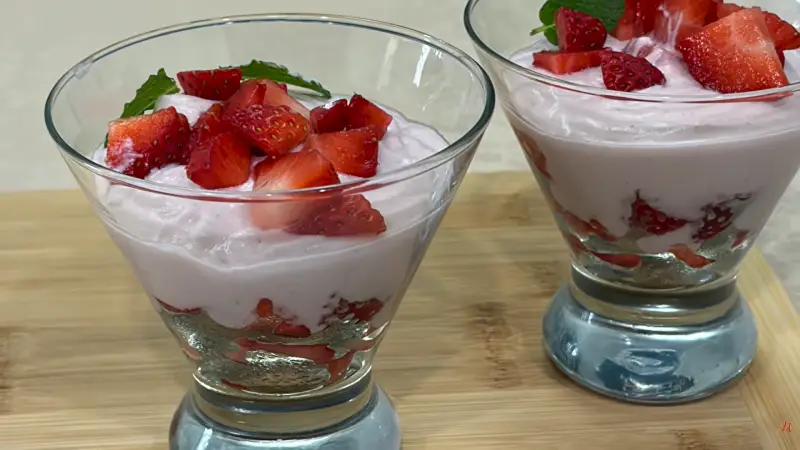
At its core, the Strawberry Almond Pudding is a study in minimalism. By utilizing fresh, high-quality strawberries, almond powder, cream, and a specialized setting agent, the dish achieves a profile that is both decadent and refreshing.
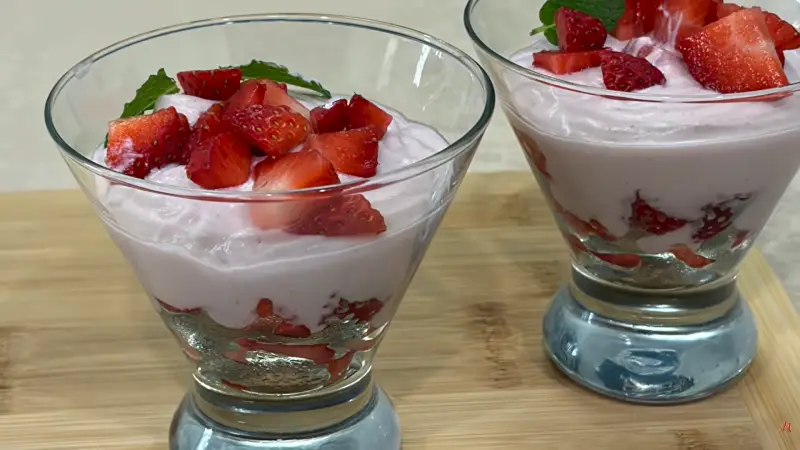
The primary component, the strawberry, provides a natural tartness and a deep, ruby-red aesthetic that makes the dessert visually striking. This is balanced by the earthy, nutty undertones of almond powder, which adds depth and a subtle richness to the palate. When combined with cream—or a plant-based substitute such as coconut milk—the result is a pudding that manages to be light enough for a summer afternoon yet satisfying enough to serve as the grand finale to an elaborate dinner party.
The secret to this dessert’s structural integrity is Agar Agar. Often misunderstood by amateur cooks, Agar Agar is a completely plant-based setting agent derived from seaweed. Unlike traditional gelatin, which is sourced from animal collagen, Agar Agar offers a firmer, more stable set that remains consistent even at room temperature, making it a superior choice for those adhering to vegetarian or vegan dietary restrictions.
Chronology: The Evolution of the Plant-Based Dessert
The integration of seaweed-derived gelling agents into home kitchens marks a significant evolution in culinary history. While Agar Agar—known in Japan as kanten—has been a staple of Asian cuisine for centuries, its widespread adoption in Western home-cooking recipes is a relatively recent phenomenon.
- The Rise of Health-Conscious Cooking: Over the last decade, there has been a global pivot away from processed additives. As consumers became more educated about the origins of food, demand for plant-derived alternatives to gelatin grew.
- The Digital Culinary Explosion: Platforms like Manjula’s Kitchen have played a pivotal role in democratizing high-end dessert preparation. Through step-by-step video tutorials, the process of handling Agar Agar—which requires boiling rather than mere dissolving—has been demystified for the average home cook.
- Refinement of Technique: The Strawberry Almond Pudding represents the culmination of these trends. The recipe has transitioned from a niche dietary accommodation to a sought-after "elegant dessert" that favors speed and simplicity without sacrificing professional-grade aesthetics.
Supporting Data: Why Agar Agar Outperforms Traditional Setting Agents
The efficacy of the Strawberry Almond Pudding lies in the unique properties of its binding agent. When compared to animal-based gelatin, the data on Agar Agar presents several advantages for the modern chef:
- Setting Speed: Agar Agar sets at approximately 32–45°C (90–113°F) and remains firm until it reaches 85°C (185°F). This means it sets significantly faster than gelatin, often requiring as little as one hour in the refrigerator to reach the ideal consistency.
- Thermal Stability: Because Agar Agar has a higher melting point, the pudding is more resilient during events or warm-weather gatherings. It does not "weep" or lose its shape as easily as gelatin-based desserts.
- Versatility: The neutral flavor profile of Agar Agar allows the natural essence of the strawberries and almonds to remain the focal point. It does not introduce the savory, meaty aftertaste sometimes associated with lower-quality gelatin.
- Nutritional Transparency: For individuals with specific dietary needs, the plant-based nature of this dessert provides a transparent nutritional profile, free from the hidden additives often found in commercially prepared pudding mixes.
Official Perspectives: Expert Insights on Preparation
Culinary experts emphasize that while the recipe is "easy to make," mastering the texture requires attention to the boiling process. Agar Agar must be fully dissolved in boiling liquid to activate its gelling properties.
"The beauty of this dish is its simplicity," notes a spokesperson for culinary educational platforms. "However, one must remember that Agar Agar is not a ‘whisk and chill’ ingredient. It requires that initial activation through heat. Once you master that step, you have the foundation for endless variations, from mango-coconut to pistachio-berry blends."
Regarding the use of fruit, experts suggest that the flexibility of the recipe extends to frozen produce. "There is a common misconception that fresh fruit is mandatory for high-quality desserts," says a professional recipe developer. "In this pudding, frozen strawberries are not just a convenience; they are often picked at the peak of ripeness, ensuring that the flavor profile remains consistent regardless of the season."
Implications: The Future of Home Entertaining
The popularity of the Strawberry Almond Pudding signals a broader trend in home hospitality. Guests today are increasingly appreciative of hosts who offer desserts that are lighter, less cloying, and inclusive of diverse dietary needs.
1. The Aesthetic Factor
The visual presentation of a perfectly set, vibrant red pudding—often garnished with a single mint leaf or slivered almonds—elevates the dining experience. In the era of social media, the "Instagrammability" of a dessert is a major factor in its adoption, and the clean, polished look of this pudding fits the aesthetic perfectly.
2. Efficiency in the Kitchen
The modern host is often time-poor. The ability to prepare a sophisticated dessert in under 30 minutes—with only one hour of setting time—allows for more focus on the main course and social interaction. This efficiency does not compromise the "homemade" quality that guests value.
3. Sustainability and Ethics
As the global food system moves toward more sustainable practices, the reliance on plant-based ingredients like seaweed-derived Agar Agar is likely to increase. By choosing ingredients that are ethically sourced and environmentally friendly, home cooks are contributing to a broader movement that views food consumption through the lens of global impact.
4. Culinary Inclusivity
Perhaps the most significant implication of this recipe is its inclusivity. By swapping heavy cream for coconut milk or other dairy alternatives, the Strawberry Almond Pudding becomes a dish that can be enjoyed by almost anyone, regardless of lactose intolerance, veganism, or religious dietary restrictions. It eliminates the need for "special" desserts for different guests, allowing everyone to share the same experience.
Conclusion: A Timeless Addition to the Repertoire
The Strawberry Almond Pudding is more than just a recipe; it is a masterclass in modern culinary philosophy. It proves that one does not need a professional pastry kitchen or hours of labor to create something truly elegant. By leveraging the unique science of Agar Agar and the classic pairing of strawberry and almond, cooks can produce a dessert that satisfies the palate, respects the environment, and delights the eye.
As we look to the future of home dining, recipes like this serve as a benchmark. They remind us that the best desserts are those that are simple enough to be approachable, yet refined enough to be memorable. Whether you are a seasoned chef looking for a quick, elegant solution or a novice cook hoping to impress your guests, this strawberry almond creation stands as a testament to the power of high-quality ingredients and simple, effective techniques.
With its quick preparation time, plant-based versatility, and undeniable elegance, the Strawberry Almond Pudding is destined to remain a staple in the repertoire of the discerning home host for years to come.