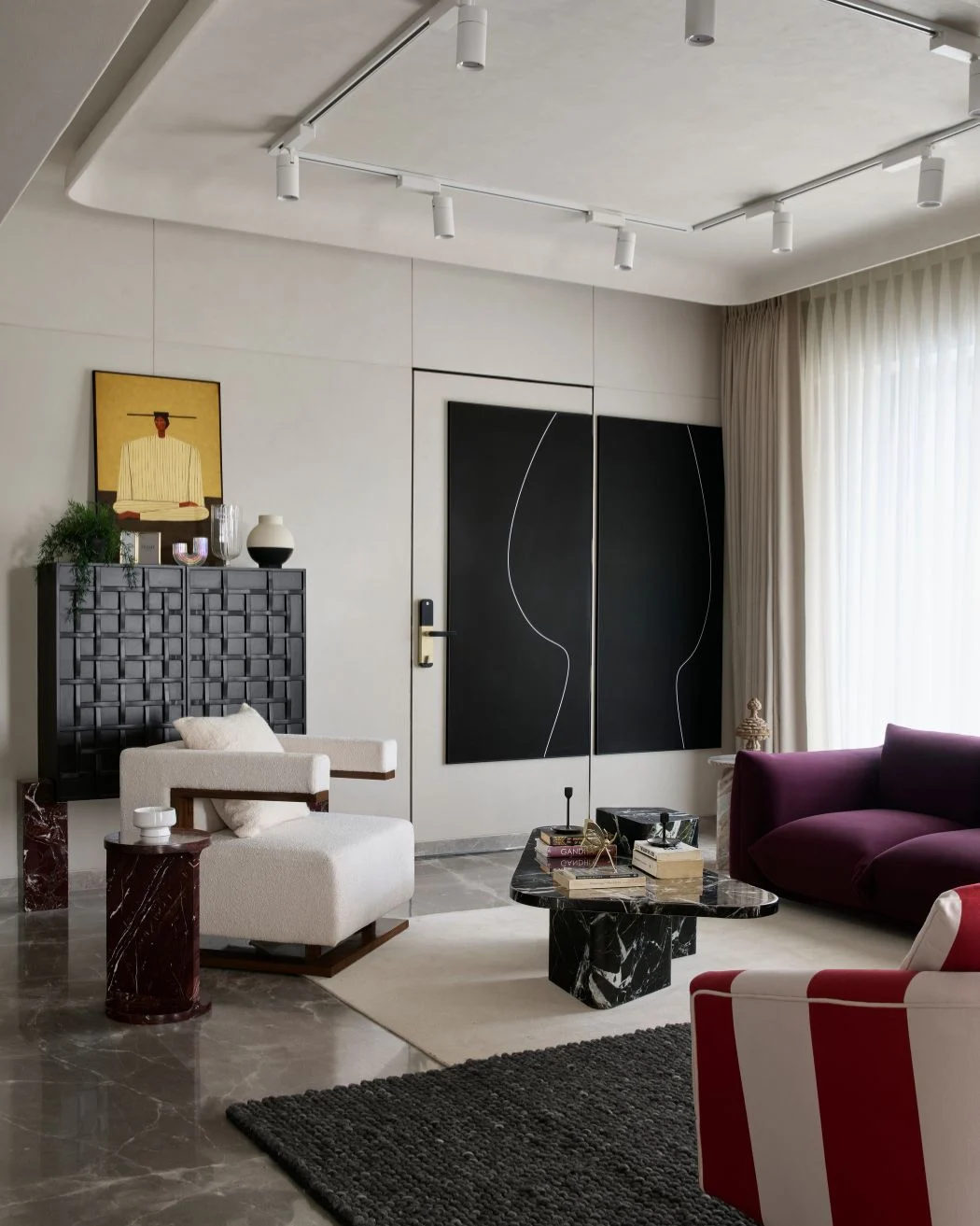
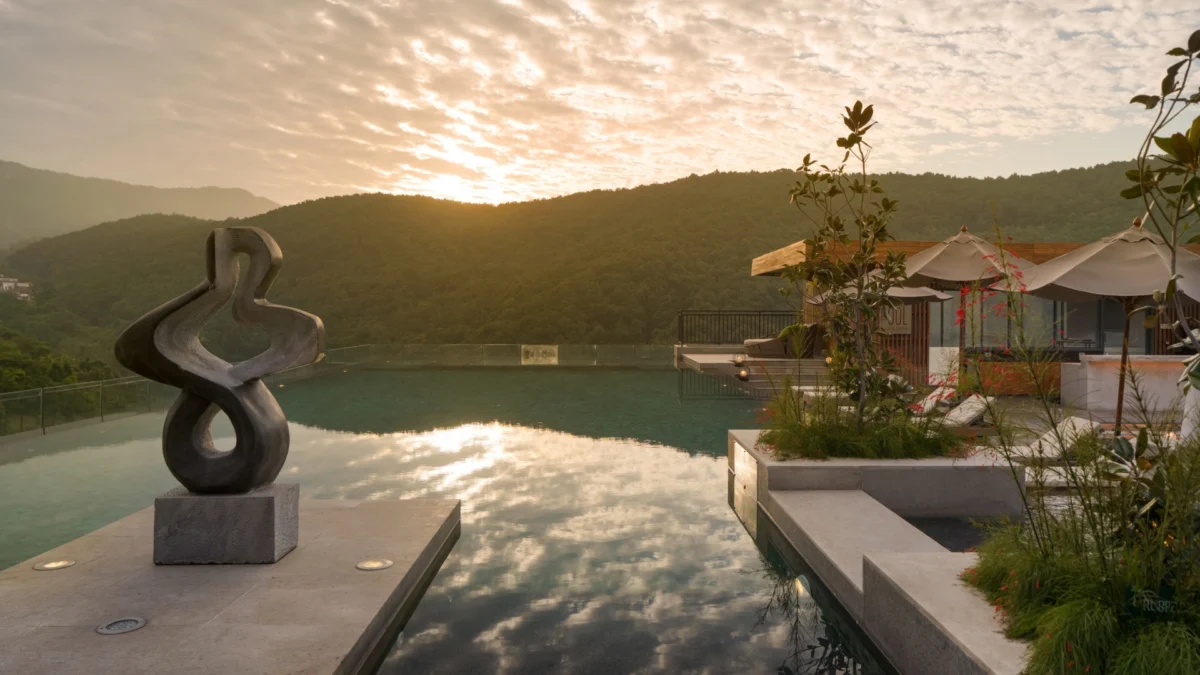
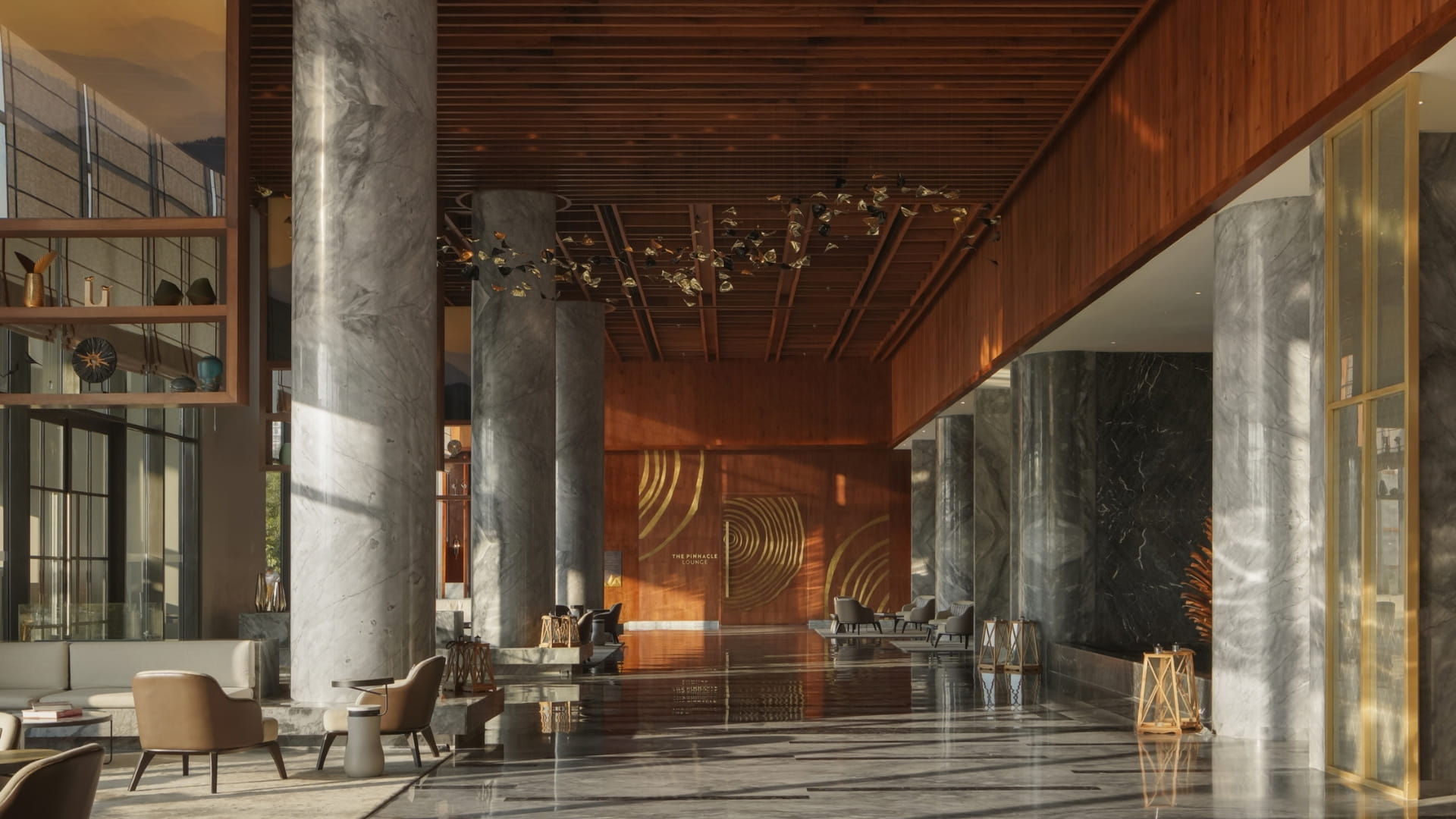
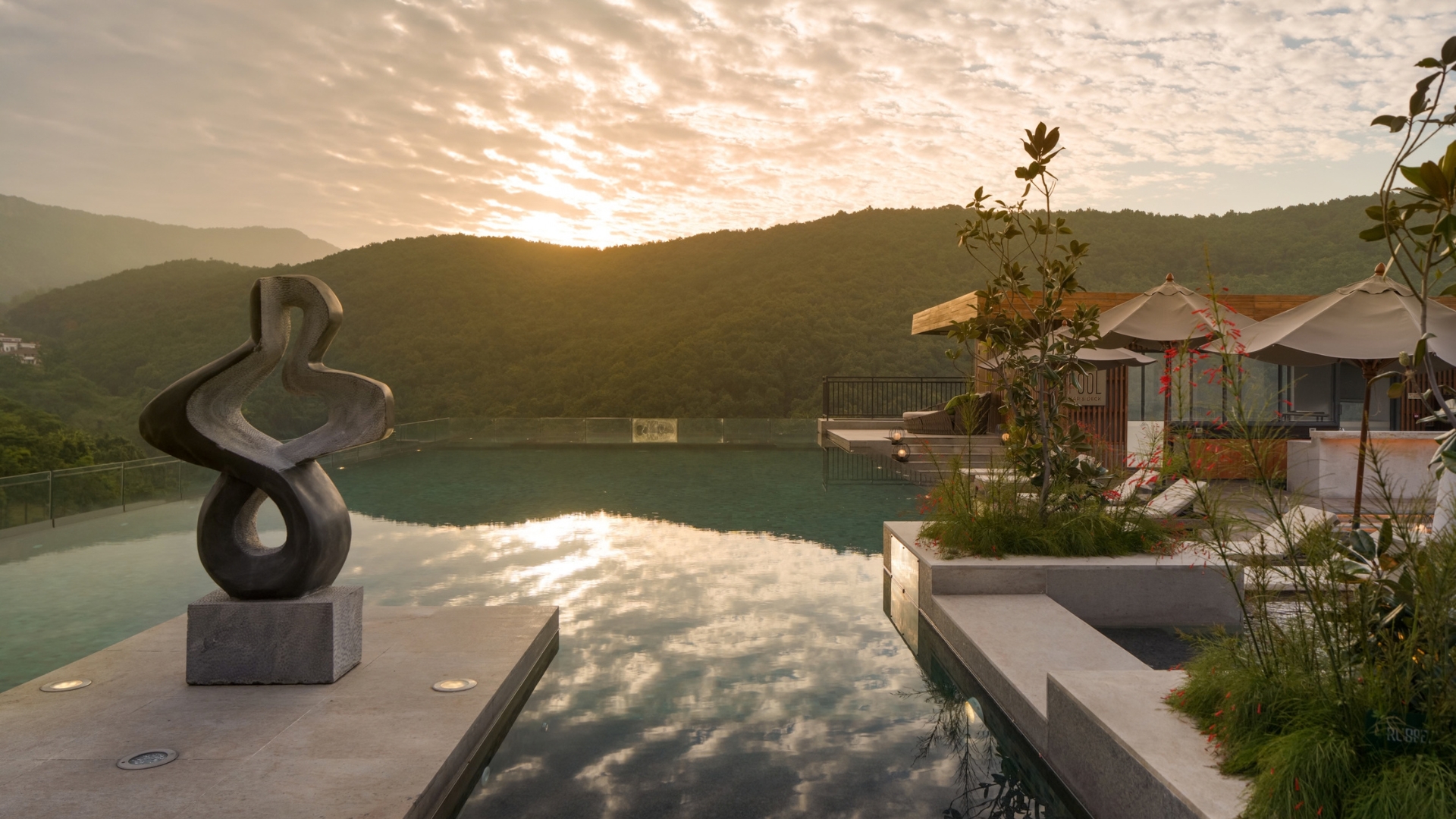
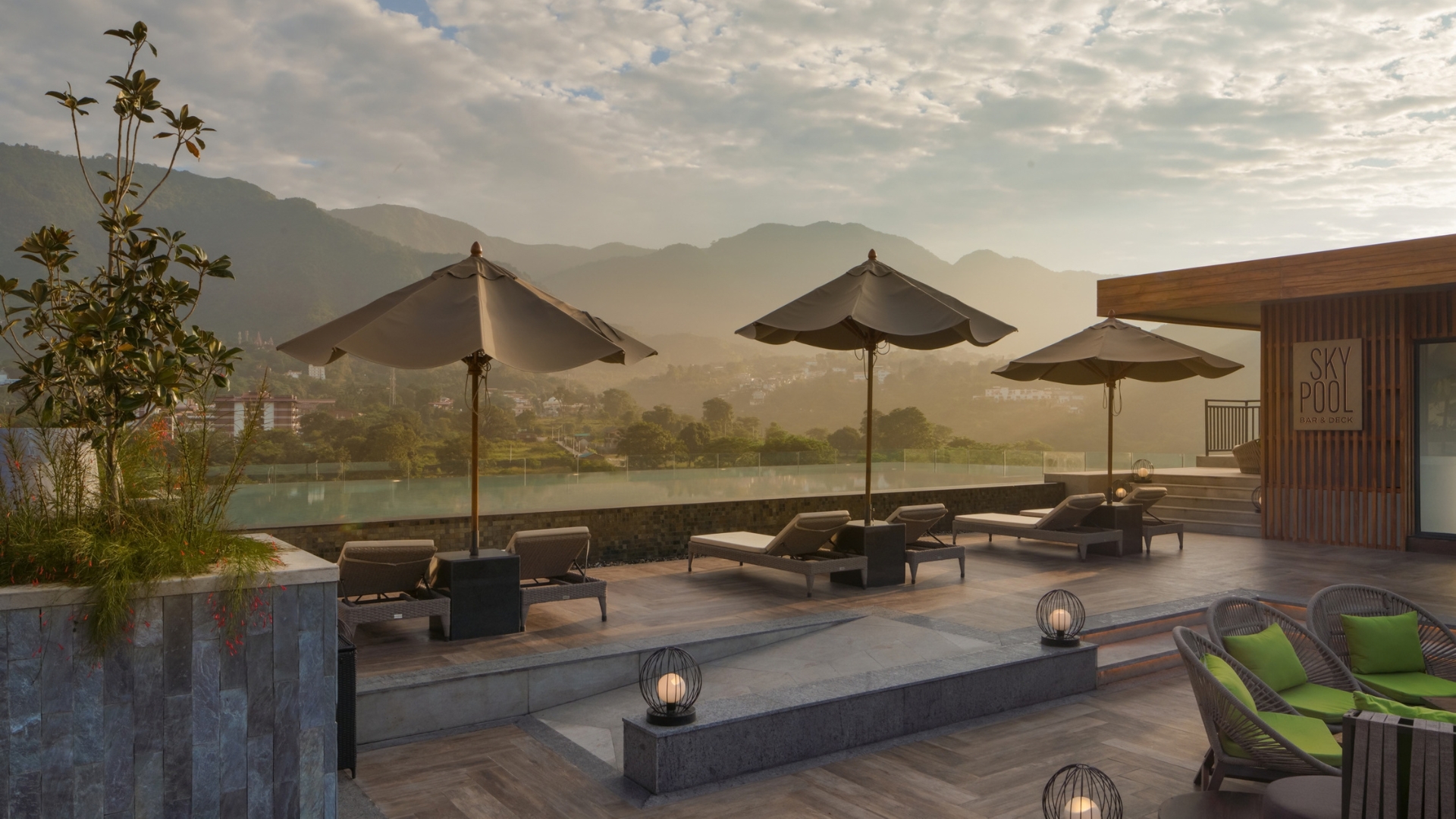
As the morning mist descends upon the verdant foothills of the Himalayas, it brings with it a silence that defines the essence of Dehradun. Nestled within this serene landscape, the Hyatt Regency Dehradun stands as a testament to the harmony between modern architectural ambition and the raw, untouched beauty of Uttarakhand. However, the true mastery of this project lies not merely in its imposing structure or its sweeping views, but in the deliberate, tactile intimacy crafted within its interiors.
Led by the visionary team at AND Studio and guided by Love Choudhary, the design narrative of the resort was built upon a single, challenging premise: that luxury in the hospitality sector is best expressed through quiet, meditative restraint. By prioritizing texture over ornamentation, the design team has succeeded in creating a sanctuary that feels both deeply connected to its environment and impeccably engineered for the demands of high-end travel.
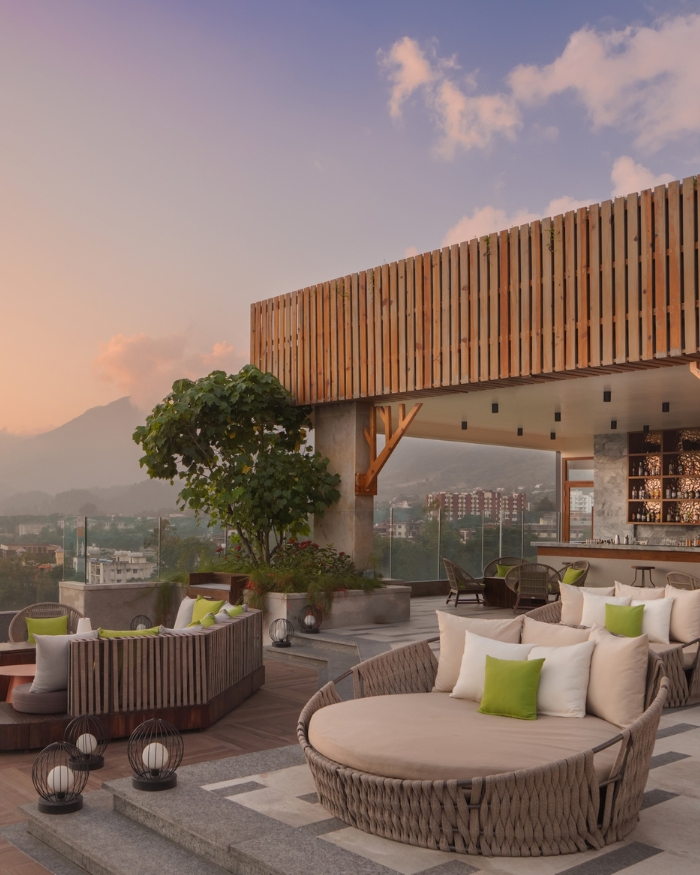
A Strategic Partnership: Merging Performance with Aesthetics
At the heart of the interior success at Hyatt Regency Dehradun is a strategic collaboration with Asian Paints, specifically utilizing their Commercial Wallcoverings line, the Bolta Series. In the competitive world of luxury hospitality, architects often face a difficult tension: the need for materials that appear high-end and artisanal on the day of the grand opening, while maintaining that same level of visual integrity after thousands of guest check-ins.
AND Studio’s approach to this project was guided by the principle of "timeless functionalism." They required a wall finish that could act as a structural anchor—a canvas that allowed furniture, lighting, and panoramic views to take center stage, yet possessed enough inherent tactility to reward a guest’s lingering gaze. The Bolta Series offered exactly this: a sophisticated, self-textured aesthetic that avoids the pitfalls of gaudy decoration in favor of subtle, enduring character.
The Chronology of a Design Vision
The evolution of the Hyatt Regency Dehradun project was a meticulous process, moving from the initial conceptualization of the "misty mountain" aesthetic to the final installation of high-performance surfaces.
Phase 1: Conceptualization and Material Selection
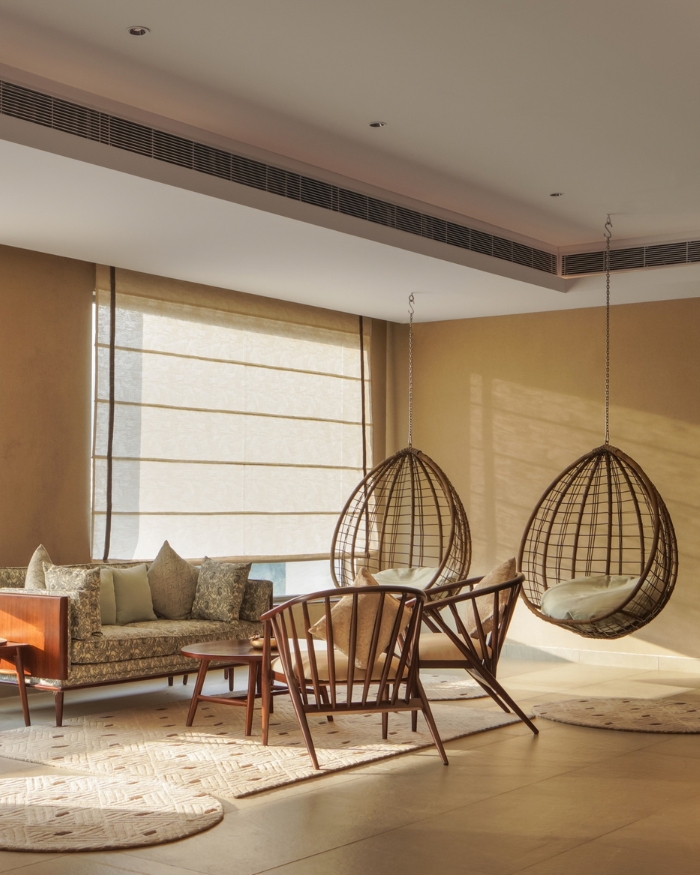
During the early design stages, AND Studio identified that the hotel’s expansive commercial and hospitality zones required a sense of warmth to counteract the cool, atmospheric conditions of the Uttarakhand climate. The goal was to select a wall finish that would not date with changing trends. The team evaluated several options, ultimately favoring the Bolta Series for its unique balance of durability and tactile depth.
Phase 2: Technical Integration
Unlike residential design, hospitality spaces are subjected to extreme wear and tear. The integration process required that the wallcoverings be paired with advanced waterproofing and maintenance-friendly solutions. This ensured that the aesthetic appeal of the walls would remain unaffected by the humidity of the region or the daily transit of luggage and housekeeping services.
Phase 3: Spatial Cohesion
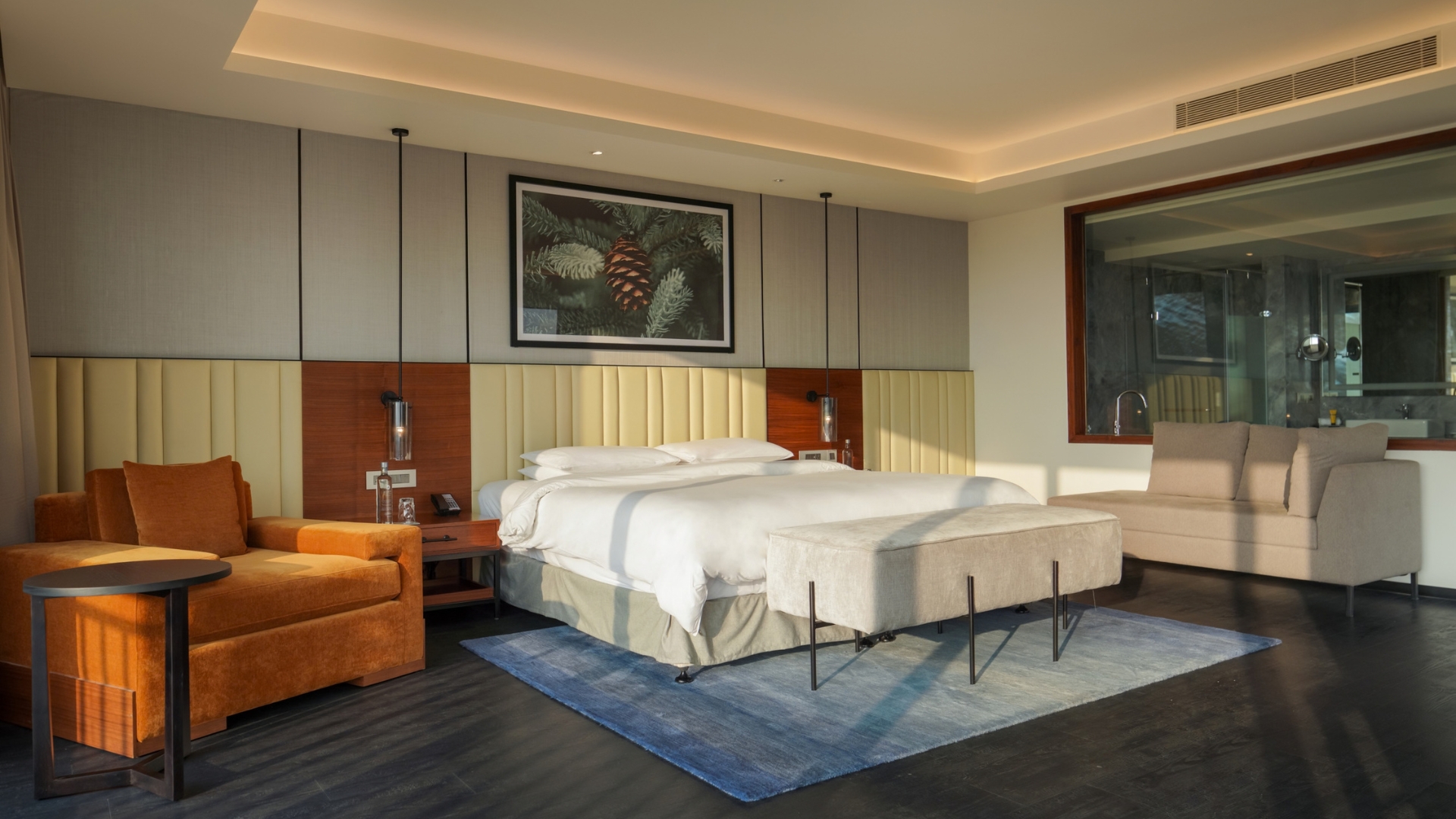
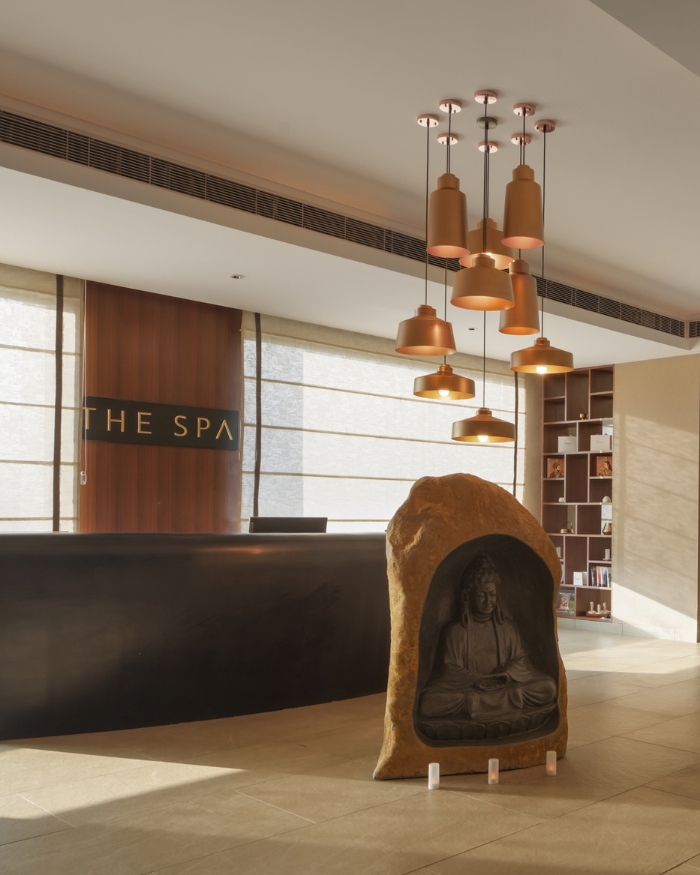
Once the materials were specified, the implementation focused on how light would interact with the textured surfaces. By choosing finishes that diffused rather than reflected light, AND Studio was able to enhance the sense of "tranquil stillness" throughout the guest corridors, lounges, and suites.
Supporting Data: Why Texture Matters in High-Traffic Zones
In hospitality design, "visual fatigue" is a common issue, where interiors that appear stunning in photographs fail to provide comfort over long stays. AND Studio’s focus on texture addresses the psychological aspect of luxury.
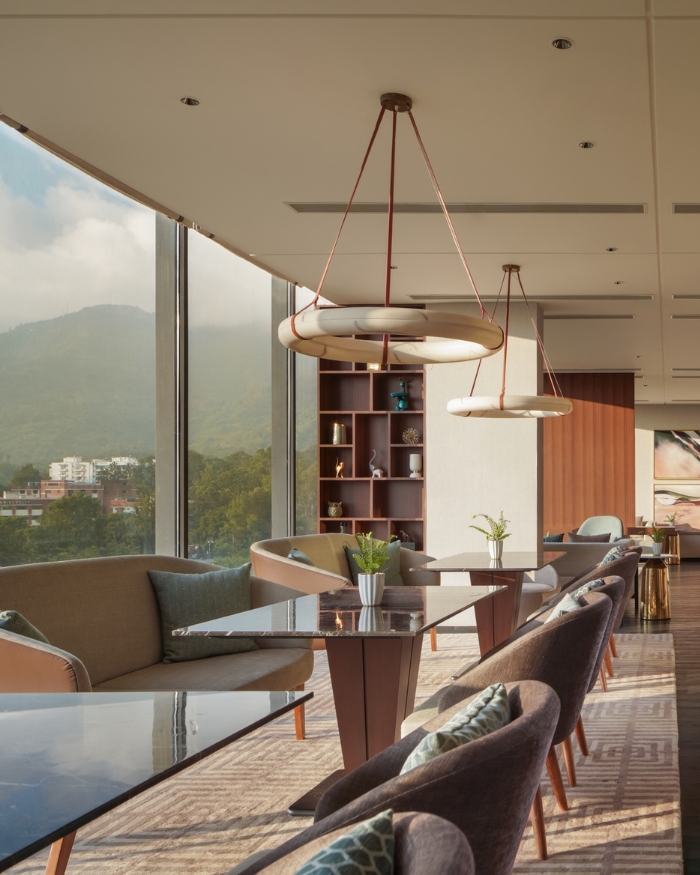
Data from the hospitality design industry suggests that guests report higher satisfaction scores in rooms that utilize tactile, matte, or organic-textured wall finishes compared to those with flat, glossy, or high-contrast patterns. The Bolta Series, by Asian Paints, provides a subtle, sophisticated grain that creates a "soft" acoustic environment, reducing the echo often found in large, hotel lobbies and corridors.
Furthermore, the longevity of these commercial-grade wallcoverings serves as a sustainability metric. By selecting a product that does not require frequent replacement or repainting, the project aligns with modern eco-conscious practices, reducing the carbon footprint associated with renovation cycles in the luxury hotel sector.
Official Perspectives: The Philosophy of AND Studio
Love Choudhary and the team at AND Studio have long championed the philosophy that the best architecture is that which serves as a backdrop for the human experience. Speaking on the choice of materials for the Hyatt Regency, the studio emphasized that luxury should never be "austere."
"We believe in the power of the understated," says a representative from the design firm. "When we chose the Asian Paints Bolta Series, it wasn’t just about the finish—it was about how that finish would interact with the light during the day and the soft, warm glow of the interior lighting at night. We wanted the guest to feel the wall, to notice the texture, but to never feel that the room was ‘busy.’ It is a form of design that respects the guest’s need for peace."
The collaboration highlights a shift in Indian commercial design, where major manufacturers like Asian Paints are increasingly partnering with design houses to create bespoke solutions for the hospitality industry, moving beyond simple paint colors into the realm of architectural surface design.
Implications for Future Hospitality Trends
The Hyatt Regency Dehradun stands as a case study for future developments in the Indian luxury market. As travelers become more discerning, the "wow factor" of loud, ostentatious lobbies is being replaced by a desire for "quiet luxury."
1. The Rise of Tactility
Designers are moving away from flat surfaces. The industry is seeing a significant uptick in the use of materials that offer sensory feedback—textured wallcoverings, natural stone, and layered textiles are becoming the standard for 5-star properties.
2. Durability as a Luxury Asset
The realization that "performance is the ultimate aesthetic" is changing how projects are budgeted. Investing in high-quality, commercial-grade materials like the Bolta Series initially saves significant capital in the long run by reducing maintenance costs and downtime for room refurbishments.
3. Localization of Global Standards
The project successfully bridges international Hyatt standards with local environmental considerations. By using a product that can withstand the specific climatic challenges of a hill station, the project proves that luxury does not have to be imported or generic; it can be site-specific and resilient.
Conclusion: An Effortless Aesthetic
Ultimately, the success of the Hyatt Regency Dehradun lies in its effortlessness. It is an environment where the architecture, the furniture, and the subtle texture of the walls coalesce into a singular, cohesive experience. For the guest, the result is a space that feels exclusive without being cold, and refined without being pretentious.
As the fog continues to roll over the Himalayan hills, the Hyatt Regency remains a beacon of calm. Through the thoughtful application of technology, material science, and design intuition, AND Studio and Asian Paints have demonstrated that the most powerful statement a designer can make is one of refined restraint.
For architects and designers looking to emulate this success, the lesson is clear: focus on the layers that create a sense of place. When the walls themselves provide a backdrop of quiet, durable, and sophisticated texture, the rest of the design will naturally fall into place, creating a lasting impression on every guest who walks through the doors.
To learn more about the materials and design philosophies discussed, visit the official Asian Paints website for insights into their commercial wallcovering solutions and project collaborations.