The rapid integration of Artificial Intelligence into the modern workplace has been nothing short of a revolution. Across the global corporate landscape, businesses are racing to implement generative AI tools, seeking the elusive "holy grail" of exponential productivity and operational efficiency. Yet, for many enterprise leaders, the initial optimism surrounding AI is beginning to give way to a more pragmatic, and sometimes overwhelming, reality. The sheer velocity at which new models emerge—often on a weekly basis—has created a state of "AI exhaustion," where companies struggle to distinguish between transformative technology and expensive, distracting hype.
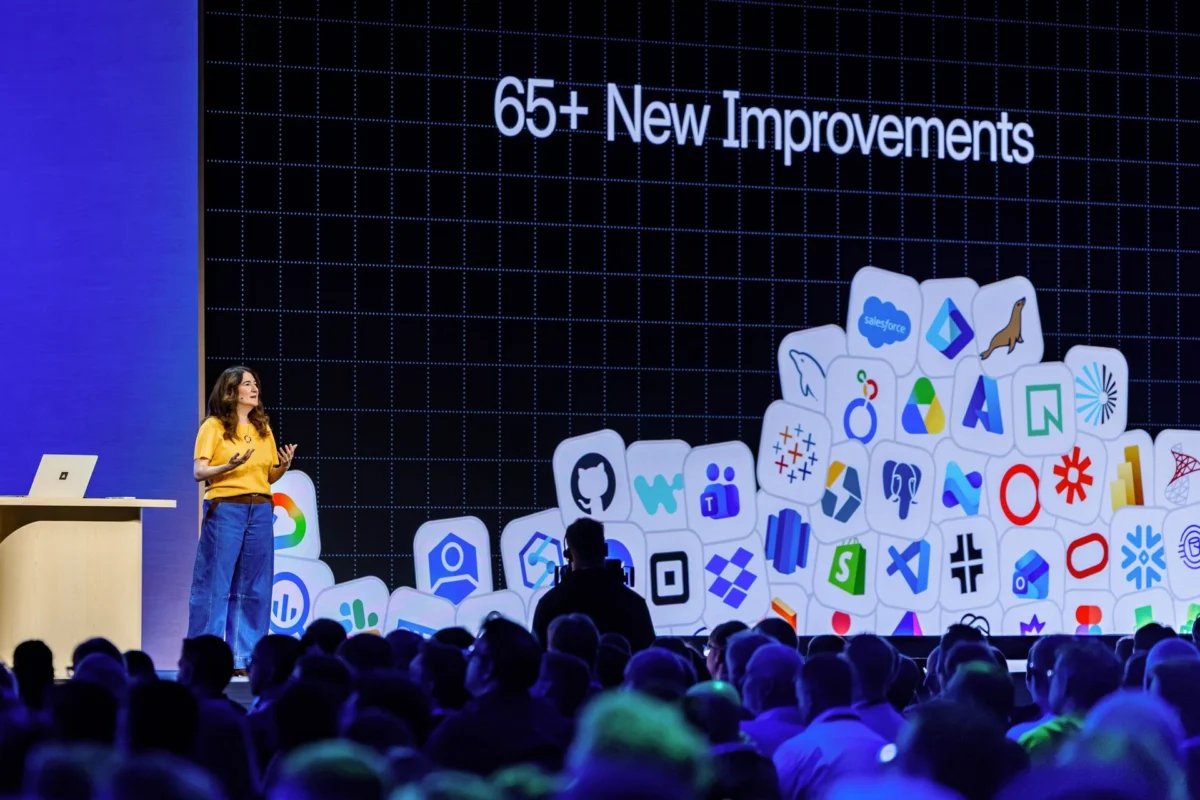
At the recent Atlassian Team Europe 26 conference, the conversation shifted from the theoretical potential of AI to the granular, often messy reality of implementation. By speaking with the company’s foremost AI architects, it becomes clear that the next phase of enterprise AI is not about adopting the latest LLM (Large Language Model), but about mastering the "multiplayer" nature of teamwork in an AI-augmented world.
The Shift Toward "Multiplayer" AI
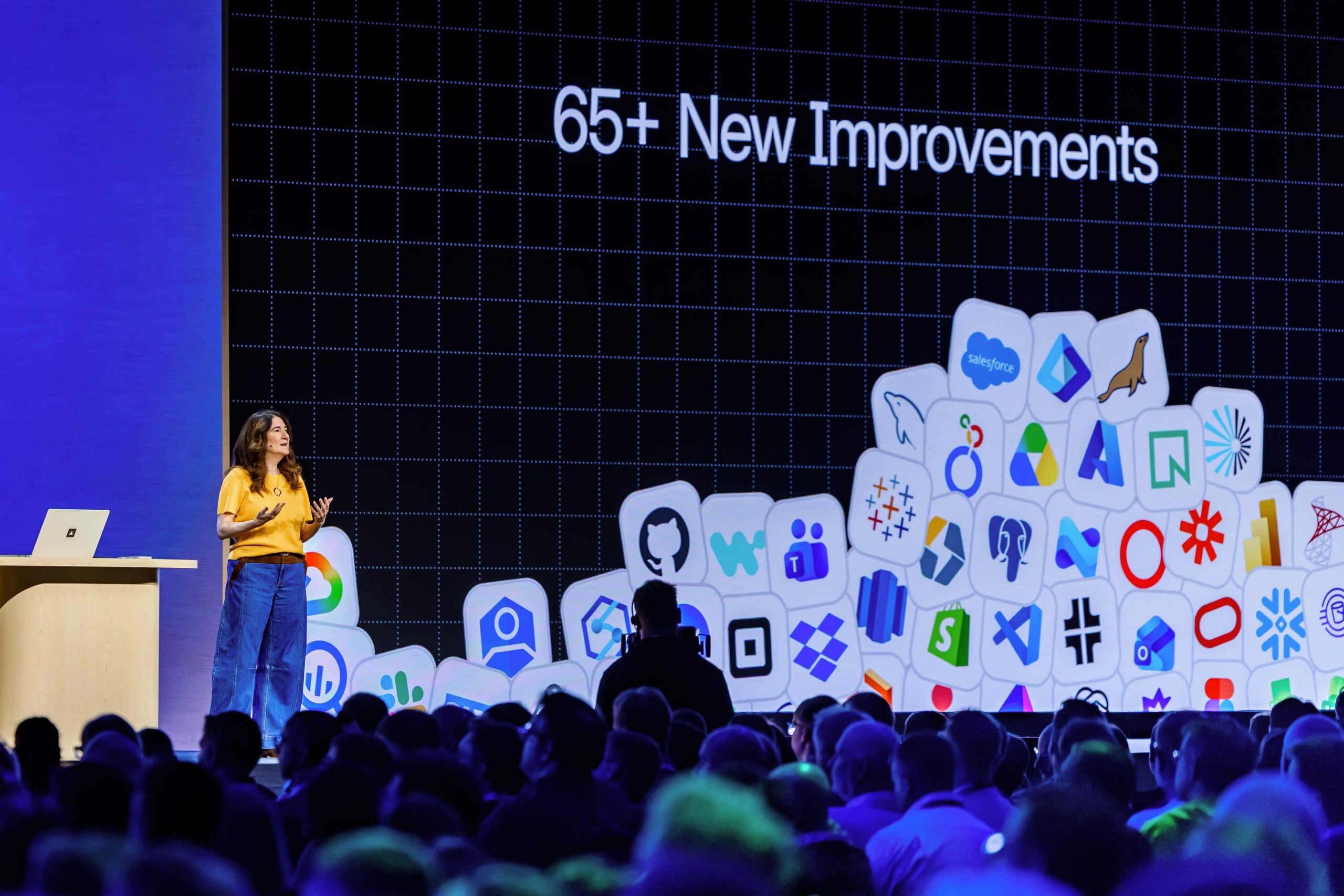
The prevailing narrative in the tech industry has largely focused on personal productivity: AI assistants designed to help an individual write an email, summarize a document, or generate code. However, Tamar Yehoshua, Atlassian’s Chief Product & AI Officer, argues that this narrow focus misses the forest for the trees.
"Atlassian’s entire ethos is all around teams—unleashing the power of the team is our mission," Yehoshua noted during the conference. "We’ve all been using AI agents, but they are all geared toward the individual. They aren’t organized or effective for teams. We are asking: ‘How do you work effectively with teams and AI?’ That’s multiplayer. We want to ensure everyone can collaborate with agents just as effectively as they collaborate with their human colleagues."
This "multiplayer" philosophy is at the heart of Atlassian’s current strategy. The goal is to transition AI from a personal utility to a collective asset that can navigate the inherent friction of team-based work. As Sherif Mansour, Atlassian’s Head of AI, aptly put it: "Teamwork is inherently messy. Our job is to make it much less messy, and more understandable and controllable for our customers."
Chronology of Adoption: From Skepticism to Optimization
The trajectory of AI adoption within the enterprise sector has followed a predictable, yet rapid, lifecycle. According to Atlassian’s internal data and customer feedback, we have moved past the initial phases of industry adoption and are currently entering a period of critical refinement.
- The Phase of Skepticism: In the early days of generative AI, many organizations approached the technology with extreme caution, viewing it as a potential security risk or a passing trend.
- The Phase of Curiosity: As tools like ChatGPT entered the mainstream, skepticism gave way to experimentation. Companies began running small, isolated pilot programs to test the waters.
- The Phase of Acceptance: This was characterized by a broad, often uncoordinated rollout of various AI tools across different departments, leading to the current state of "tool sprawl."
- The Phase of Optimization: This is where we stand today. Organizations are no longer asking if they should use AI, but how they can use it effectively to achieve a tangible Return on Investment (ROI).
Yehoshua emphasizes that the current challenge is not the technology itself, but the behavioral shifts required to harness it. "You see the evolution with every new technology: first there’s skepticism, then curiosity, then acceptance, and finally optimization. I think we’ve gotten through the initial phases, and now we’re asking, ‘How do I use this effectively and optimize it?’"
The Danger of "Killing a Mosquito with a Rocket Launcher"
One of the most significant pitfalls facing modern enterprises is the tendency to over-engineer their AI solutions. A recurring theme in the discussions at Team Europe 26 was the inefficiency of using massive, high-compute models for trivial tasks.
Mansour describes this as "killing a mosquito with a rocket launcher." When an organization uses an advanced, expensive, and latency-heavy model to perform a simple task like summarizing a meeting note or classifying a support ticket, they are not only wasting financial resources but also degrading the speed and efficiency of their workflows.
To counter this, Atlassian has introduced an "AI Gateway." This architecture acts as an intelligent intermediary, automatically selecting the most appropriate model for a specific task. If a more advanced, efficient model is released, the system can pivot to the new technology behind the scenes without the user needing to reconfigure their entire workflow. This provides the flexibility companies crave, ensuring they are not "locked in" to a single provider while maintaining the agility to adopt the best-in-class tools as they emerge.
Beyond the Silver Bullet: A Nervous System for Business
The temptation to seek a "silver bullet"—a single, all-encompassing AI solution that solves every business problem—is a major trap for decision-makers. Both Yehoshua and Mansour caution against relying on a single provider for an entire organizational context graph.
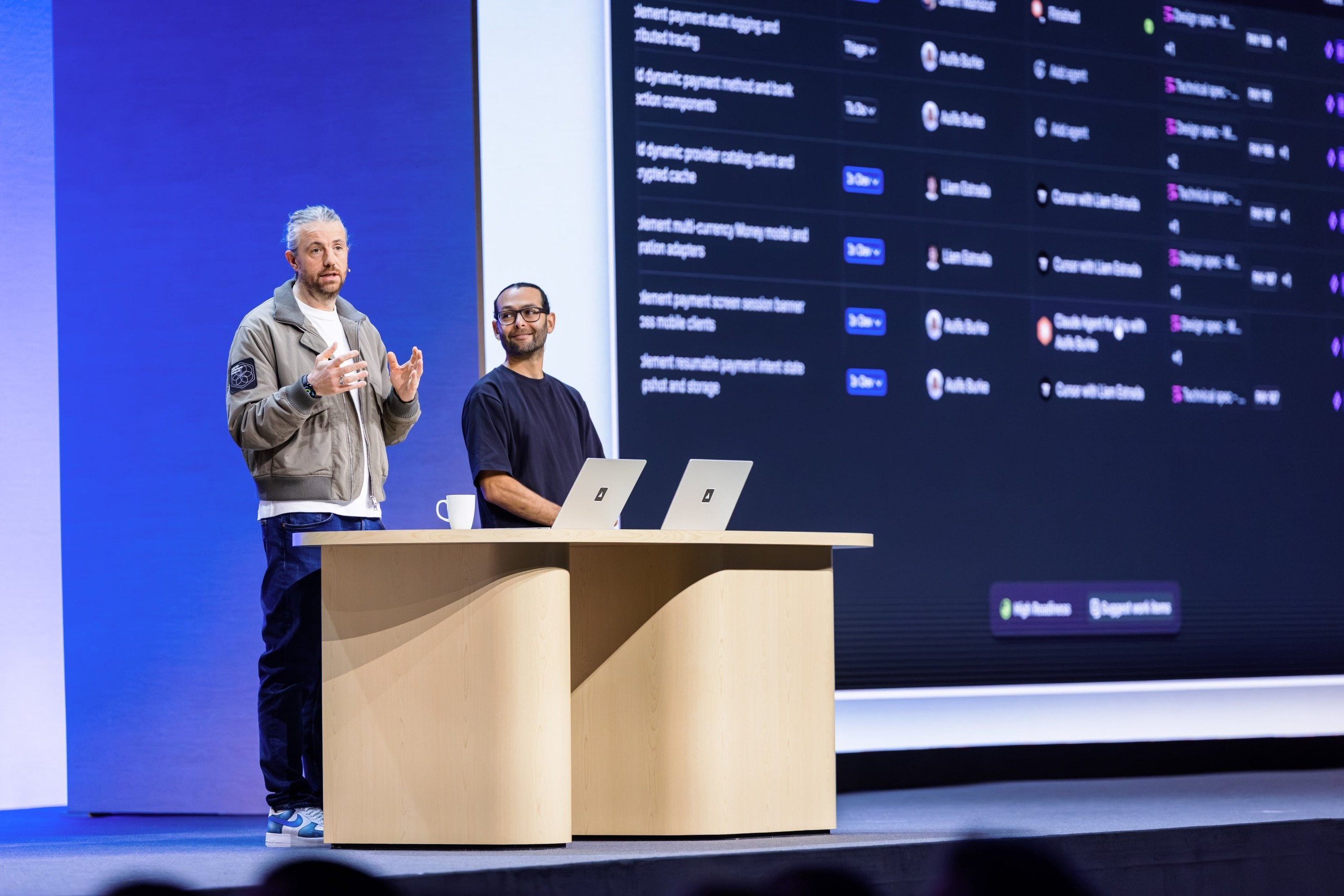
"AI feels like chaos to many of us, but I don’t think the answer is giving them a silver bullet that will solve all their problems," Mansour says. Instead, Atlassian advocates for building an organizational "nervous system." This is a infrastructure that provides visibility, control, and calm, allowing companies to manage the inherent messiness of collaborative work.
By integrating AI into a system that understands the context of a project, rather than just the text within it, organizations can bridge the gap between fragmented data and actionable insights. This involves:
- Visibility: Knowing which AI tools are being used and for what purpose.
- Control: Ensuring that human-in-the-loop protocols remain in place for sensitive tasks.
- Context: Connecting AI agents to the actual workflows and history of the team, rather than treating them as disconnected chatbots.
Implications for the Future of Work
Looking ahead, the democratization of AI is set to accelerate the speed of delivery. Yehoshua notes that anyone can now build a prototype, which lowers the barrier to innovation. However, this democratization carries a responsibility: clear governance.
"Just because you can build a prototype doesn’t mean you want anyone checking in production code," Yehoshua warns. "You still have to have very clear guidelines on what can go into production. But the idea is that the process is democratized, so ideas can come from anywhere."
The future of the workplace, as envisioned by Atlassian, is one where AI acts as a force multiplier for human capability. It is not about replacing the human element, but about augmenting the team’s ability to handle scale.
Ultimately, the competitive advantage for the next decade will not be access to the intelligence itself—as the "level playing field" of common AI models continues to grow—but rather how a company leverages its own unique context. As Mansour concludes: "If we all have access to the same intelligence, that’s a level playing field. What’s unique is the actual perspective you bring to the table. Our customers shine when their context shines."
For businesses struggling to navigate the AI landscape, the message from the conference was clear: stop looking for the magic, all-in-one solution. Instead, build a flexible, context-aware, and human-centric infrastructure that can evolve alongside the technology. The chaos of the AI transition is here to stay, but through intentional architecture and a focus on team dynamics, that chaos can be harnessed into a powerful engine for growth.