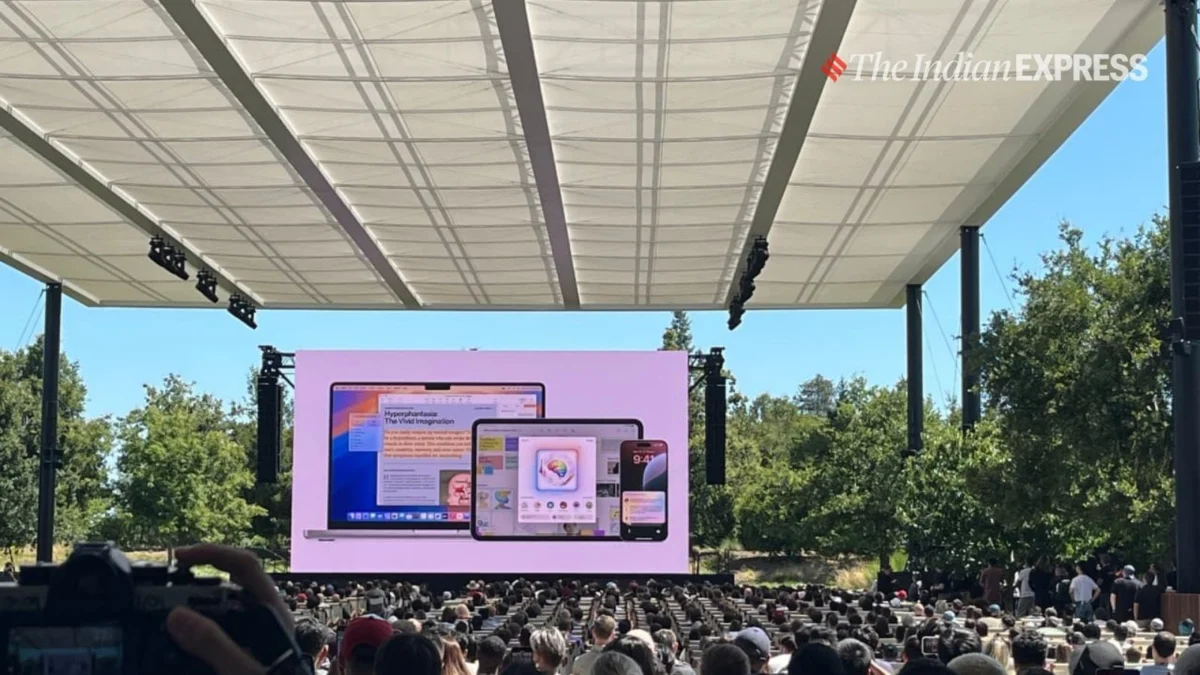
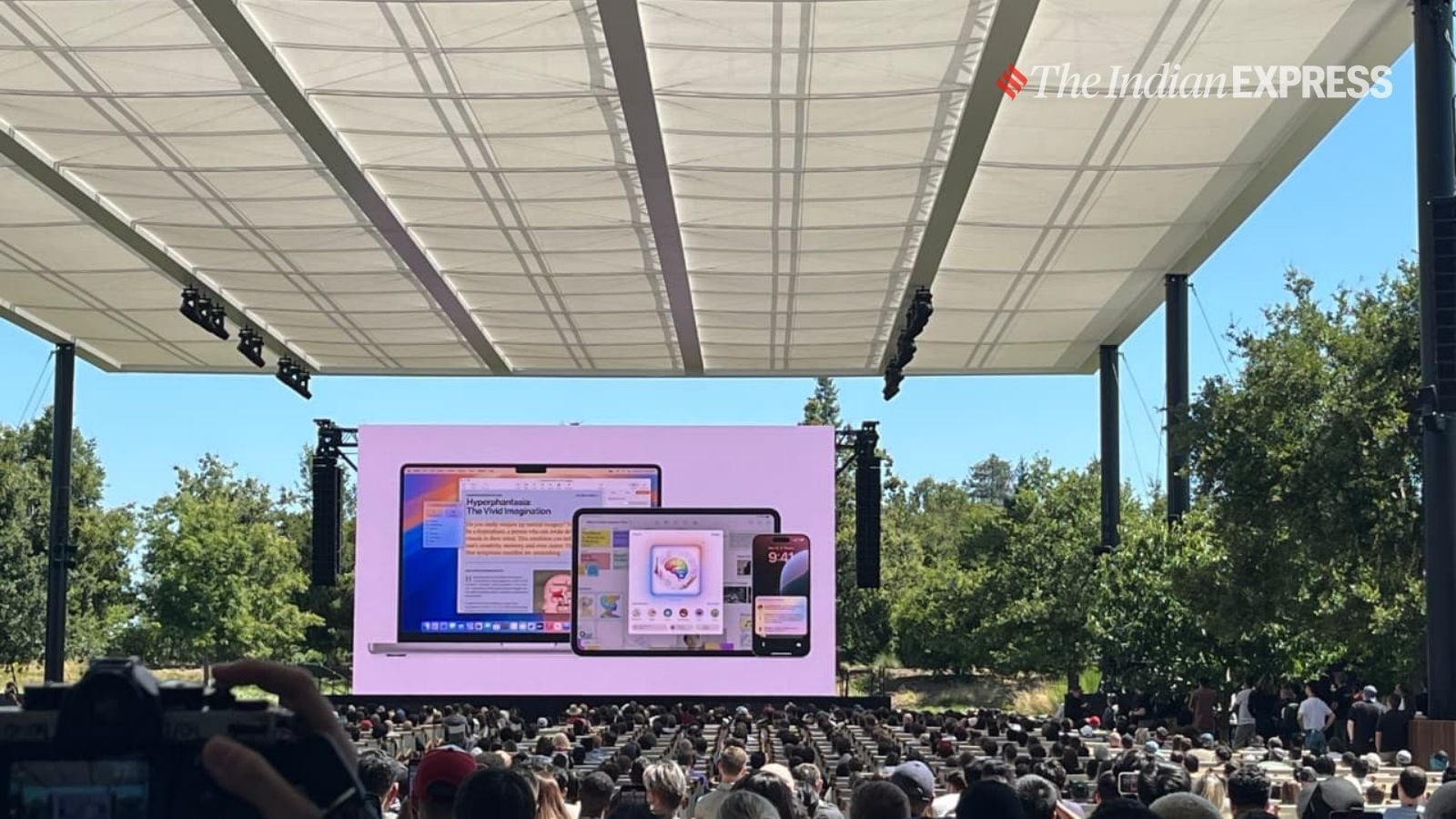
CUPERTINO, CA — As the tech world pivots toward the Worldwide Developers Conference (WWDC) beginning June 8, the atmosphere surrounding Apple Park is one of calculated urgency. For over a decade, Apple has defined the smartphone era through polished hardware and a curated App Store ecosystem. However, the rapid ascent of generative artificial intelligence has presented the company with its most significant existential challenge since the pre-iPhone era.
This year’s conference is expected to be less about incremental software updates and more about a fundamental architectural pivot. At the center of this strategy is Siri, the decade-old voice assistant that Apple is reportedly counting on for a "desperate" AI comeback. With a leadership transition on the horizon—John Ternus preparing to take the CEO mantle in September as Tim Cook moves to Executive Chairman—Apple’s "Apple Intelligence" strategy is undergoing a rigorous overhaul designed to transform the company from an AI laggard into the dominant force in consumer-facing artificial intelligence.
Main Facts: The Strategic Re-Engineering of Apple Intelligence
The core of Apple’s new direction lies in a departure from the "Apple-only" isolationism that defined its previous decades. Faced with the reality that building a frontier-scale Large Language Model (LLM) from scratch would take years of catch-up, Apple has reportedly struck a landmark deal with Google. This partnership will see Google’s Gemini AI power the modernized version of Siri, providing the reasoning engine that Apple’s in-house models currently lack.
The New Leadership Mandate
The timing of this AI pivot coincides with a historic shift in Apple’s executive suite. John Ternus, currently the Senior Vice President of Hardware Engineering, is set to take over as CEO. His foremost challenge is not just maintaining iPhone sales, but pivoting the company’s philosophy. Ternus must move beyond Apple’s long-embraced "closed-loop" philosophy where necessary, positioning the company as a compelling alternative to Meta, Microsoft, and Google by capitalizing on Apple’s unparalleled hardware-software integration.
Beyond Image Generators
While competitors have focused on "novelty" AI—such as image generators and text rewriters—Apple’s strategy, under the "Apple Intelligence" banner, is shifting toward utility. The goal is to move beyond notification summaries and into the realm of "functional AI." This involves creating a system that can navigate a user’s personal data across devices—calendars, emails, messages, and files—to perform complex tasks without compromising the company’s hallmark privacy standards.
Chronology: From Innovation to Stagnation and Back
To understand the weight of this moment, one must look at the trajectory of Apple’s relationship with machine learning.
- 2011: The Siri Debut. Apple was a pioneer, introducing Siri with the iPhone 4S. At the time, it was seen as the future of human-computer interaction.
- 2012–2022: The Stagnation Years. While Google and Amazon improved their assistants, Siri became a "running joke" in the tech community, often relegated to setting timers or checking the weather due to its inability to handle context or follow-up questions.
- 2023: The Generative Explosion. The launch of ChatGPT caught the industry off guard. While Microsoft and Google integrated LLMs into their core products, Apple remained largely silent, focusing on "on-device machine learning" for photo processing and autocorrect.
- 2024: The Launch of Apple Intelligence. Apple finally unveiled its AI strategy, promising a privacy-first ecosystem. However, the initial rollout was criticized as "underwhelming and incomplete," lacking the conversational depth of its rivals.
- June 2026 (Upcoming WWDC): The Pivot. Apple is expected to showcase a completely overhauled Siri, powered by external LLMs and deeply integrated into every facet of the OS, marking the beginning of the "AI Edge Node" era.
Supporting Data: The "Edge Node" and On-Device Supremacy
The industry consensus is shifting away from the idea that AI must live entirely in the cloud. Apple’s advantage lies in its silicon. For years, the company has integrated "Neural Engines" into its A-series and M-series chips, specifically designed to handle AI workloads.
The On-Device Advantage
Francisco Jeronimo, Vice President of Client Devices at International Data Corporation (IDC), notes that the expectation for a single "killer feature" was always a misunderstanding of the technology. "On-device AI is an embedded layer that improves the camera, translation, search, and battery management quietly, not a headline app you switch on," Jeronimo explained.
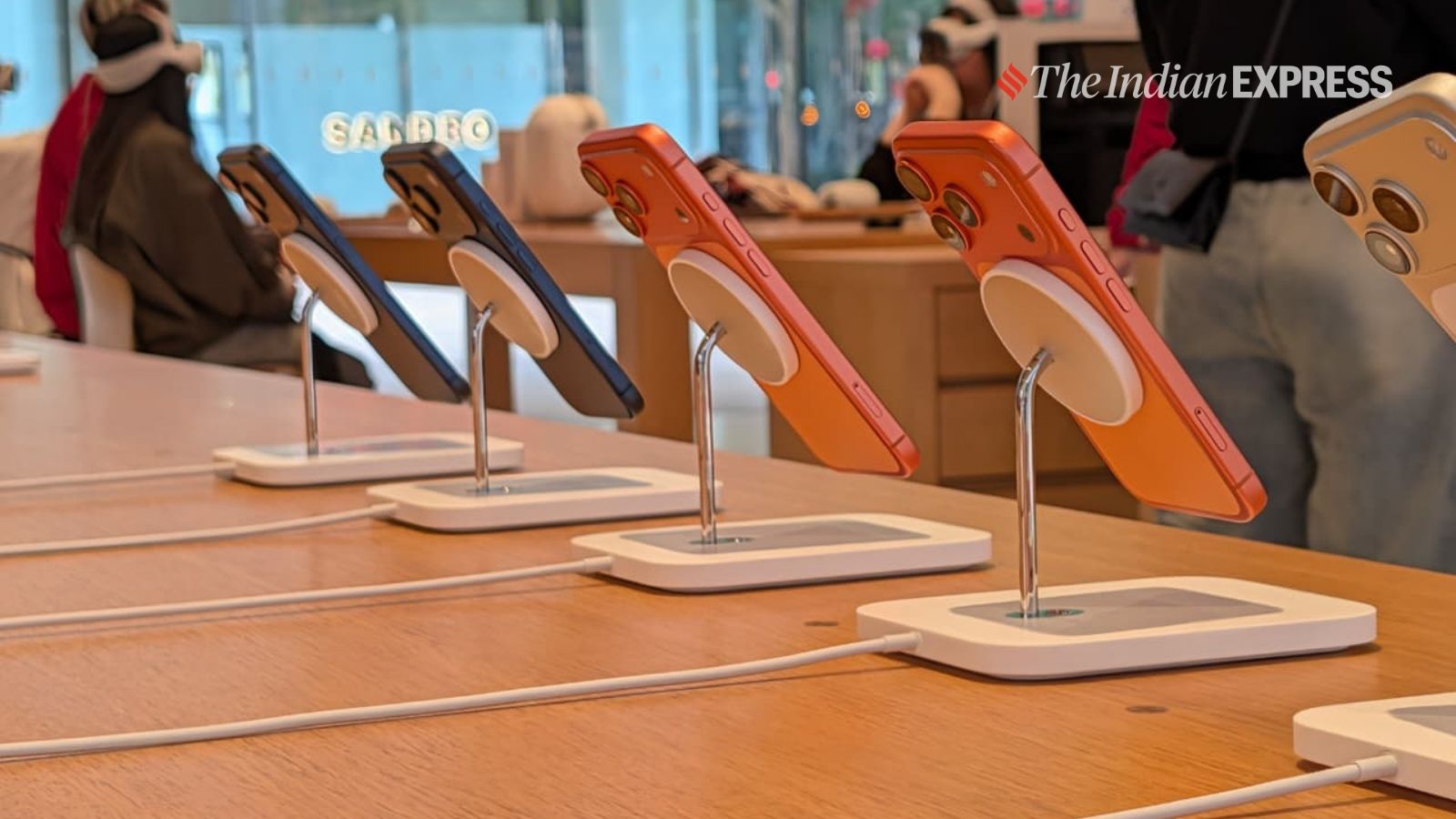
By running AI locally, Apple avoids the massive server costs and latency issues that plague cloud-only models. Furthermore, it allows for a level of privacy that competitors find difficult to match. Apple’s "Private Cloud Compute" extends this by ensuring that even when data must go to a server, it is done in a way that is mathematically inaccessible to Apple itself.
The Revenue Model
The strategic partnership with Google and potentially other AI providers (like OpenAI or Anthropic) serves a dual purpose. By allowing third-party AI assistants on the App Store, Apple can collect its traditional 30% commission on paid subscriptions. This ensures that even if Apple doesn’t "own" the model, it owns the marketplace where the model is sold.
Official Responses and Expert Analysis
The tech industry is watching closely to see if Apple can bridge the gap between "smart features" and "true intelligence."
Anshel Sag, Principal Analyst at Moor Insights & Strategy, believes the formula for Apple is simple but difficult to execute: "Make AI easy to use; don’t make it any more invasive than it needs to be. If Apple can integrate its AI really well into iOS and create a connected fabric across devices, it can win."
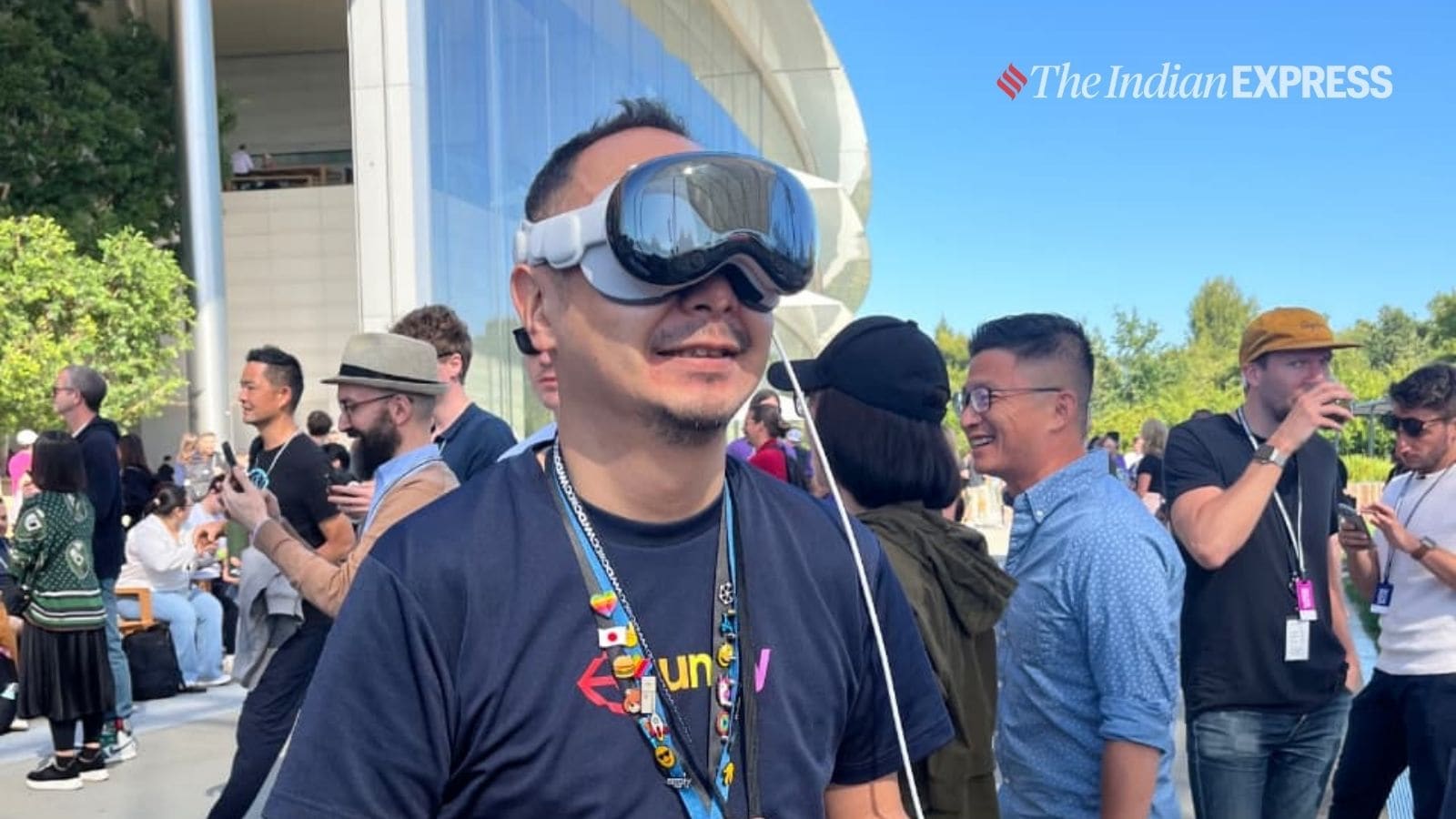
Sag further notes that the current hardware hasn’t been fully leveraged. "I think models need to get more accurate and smaller to enable more efficient costs and local capabilities," he added. This aligns with Apple’s recent research into "OpenELM" (Open-source Efficient Language Models), which are designed to run on devices with limited memory.
However, the transition is not without internal friction. Apple’s commitment to privacy has historically limited its ability to train models on user data. To compete with the likes of Google Gemini, Apple is having to find creative ways to provide "contextual awareness" without "contextual surveillance."
Implications: From the App Store to the Agent Store
The most profound implication of Apple’s AI pivot is the potential death of the "App" as we know it. For two decades, the App Store model required users to browse, install, and learn individual interfaces. In the AI era, this model feels increasingly archaic.
The Rise of AI Agents
The industry is moving toward "AI Agents"—systems that can use other software applications on behalf of the user. Imagine asking Siri to "Book a flight to London, find a hotel near the conference center, and add the itinerary to my calendar." Today, this requires three different apps and ten minutes of manual input. An AI agent would execute this across apps in seconds.

Apple’s challenge is to transform its millions of static apps into a library of "tools" that Siri can utilize. This would effectively turn the App Store into an "Agent Store," where the value of an app is determined by how well it serves the central AI.
Future Device Categories
A modernized, reliable Siri is the "missing piece" for Apple’s future hardware roadmap. Screenless or "screen-secondary" devices, such as:
- Smart Glasses: Relying on visual intelligence and voice interaction.
- Camera-Equipped AirPods: Using AI to describe the world to the wearer.
- The Apple Watch: Moving beyond a notification hub to a proactive health and productivity assistant.
The Bottom Line
No matter how the technology evolves, the integration of hardware and AI is the final frontier. Apple Intelligence remains limited to basic tasks today, but the roadmap suggests a future where the device makes judgments for the user rather than forcing the user to seek answers.
If Apple succeeds at WWDC and beyond, it will prove that its "late but better" strategy remains its most potent weapon. If it fails, the "Siri Renaissance" may be remembered as the moment the world’s most valuable company lost its grip on the consumer experience. As John Ternus prepares to take the lead, the stakes could not be higher: Apple is not just fighting for a market share in AI; it is fighting to remain the primary interface between humanity and technology.