
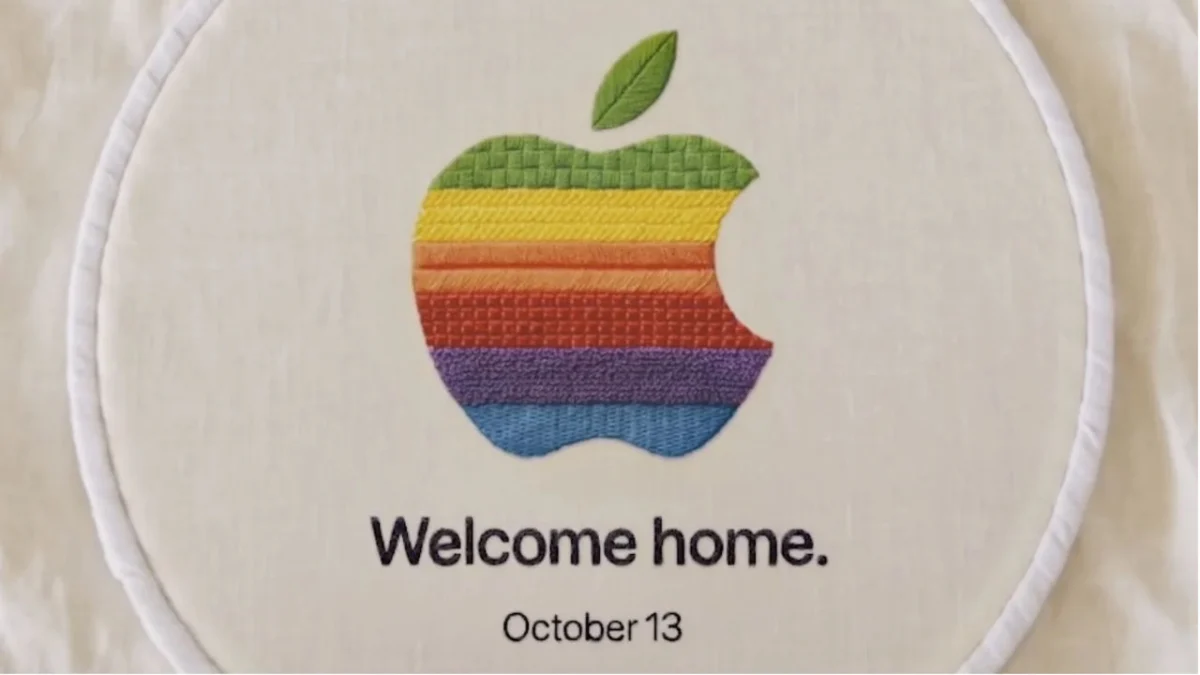
CUPERTINO, CALIFORNIA — Apple has officially set the stage for what industry analysts are calling the most significant expansion of its hardware portfolio in recent years. In a move that signals a definitive shift in the company’s long-term strategy, Apple has distributed invitations for a special keynote event titled “Welcome Home,” scheduled for October 13, 2026.
While the Cupertino-based tech giant typically reserves its autumn window for Mac and iPad refreshes, the “Welcome Home” theme suggests a concentrated focus on the domestic environment. According to supply chain reports and insights from Bloomberg’s Mark Gurman, the event is expected to serve as the launchpad for a new generation of smart home devices, including a long-rumored smart display hub, a revamped HomePod mini, and an upgraded Apple TV 4K.
Main Facts: The Pillars of the “Welcome Home” Showcase
The October 13 event is expected to be a multi-product showcase designed to integrate Apple Intelligence—the company’s proprietary AI suite—deeper into the fabric of the modern household. The following products are anticipated to be the centerpieces of the keynote:
1. The Apple Home Hub (The “HomePad”)
The most anticipated announcement is a brand-new category for Apple: a smart home hub featuring a dedicated display. Internally referred to by some as the "HomePad," this device is expected to bridge the gap between an iPad and a HomePod. Rumors suggest it will feature a roughly 7-inch touch interface, optimized for controlling HomeKit and Matter-enabled devices, making FaceTime calls, and acting as a central dashboard for family calendars and security camera feeds.
2. Next-Generation HomePod mini
Nearly six years after the original HomePod mini redefined Apple’s audio strategy, a successor is finally on the horizon. The 2026 iteration is expected to maintain its iconic spherical silhouette but will boast significantly improved internal acoustics and a faster processor—likely the S10 or S11 chip—to facilitate on-device Apple Intelligence processing.
3. Apple TV 4K (2026 Edition)
The Apple TV 4K is slated for its most robust update yet. Beyond standard incremental bumps in processing power, the new model is rumored to feature a built-in camera for gesture controls and FaceTime, alongside a dedicated chip for enhanced cloud gaming performance. This move aligns with Apple’s recent push to position the Apple TV not just as a streaming box, but as a legitimate gaming console alternative.
Chronology: Apple’s Gradual Path to the Living Room
To understand the weight of the 2026 "Welcome Home" event, one must look at the decade-long trajectory of Apple’s domestic ambitions.
- 2014: The Launch of HomeKit. Apple introduced HomeKit at WWDC, providing a framework for developers to integrate household appliances with iOS. However, adoption was slow due to Apple’s stringent hardware security requirements.
- 2018: The Original HomePod. Apple entered the smart speaker market with a premium $349 device. While praised for its audio quality, it struggled against the lower-priced, more functional Amazon Echo and Google Home devices.
- 2020: The HomePod mini Pivot. Apple successfully pivoted by releasing the $99 HomePod mini, which became a commercial success and established a foothold in millions of homes.
- 2022-2023: The Matter Standard. Apple joined forces with Amazon, Google, and Samsung to launch "Matter," a universal connectivity standard. This solved the interoperability issues that had previously hindered HomeKit’s growth.
- 2025: The AI Revolution. The rollout of Apple Intelligence across the iPhone and Mac ecosystems set the stage for a smarter Siri.
- October 2026: The "Welcome Home" Event. This represents the culmination of these efforts—a unified hardware ecosystem designed to make the "Smart Home" a seamless reality rather than a technical hobby.
Supporting Data: The Economic and Technical Landscape
The smart home market is no longer a niche segment for early adopters. According to market research data from Statista and IDC, the global smart home market is projected to exceed $200 billion by 2027. Currently, Amazon and Google hold a combined market share of over 60% in the smart speaker and display categories.
Apple’s strategy for the 2026 lineup appears to be rooted in three data-driven pillars:
Connectivity via Thread and Matter
The upcoming Home Hub and HomePod mini are expected to feature "Thread" networking technology as a standard. Thread is a low-power mesh networking protocol that allows devices to talk to each other without relying on a central Wi-Fi router, reducing latency and increasing reliability. By 2026, the number of Matter-certified devices in the wild is expected to be in the hundreds of millions, providing Apple with a massive compatible ecosystem at launch.
On-Device Privacy
While Amazon and Google rely heavily on cloud-based processing for their assistants, Apple’s marketing data suggests that "Privacy" remains their strongest selling point. The 2026 hardware will reportedly feature "Private Cloud Compute," ensuring that voice commands and camera feeds from the new Home Hub are processed locally or in an end-to-end encrypted cloud environment.
The A-Series Advantage
The new Apple TV 4K is rumored to utilize the A18 Pro chip. This provides the device with more raw computational power than many mid-range laptops. Data from the gaming industry suggests that Apple is eyeing the "casual-to-mid" gaming market, leveraging its silicon advantage to run AAA titles natively on the television.
Official Responses and Industry Sentiment
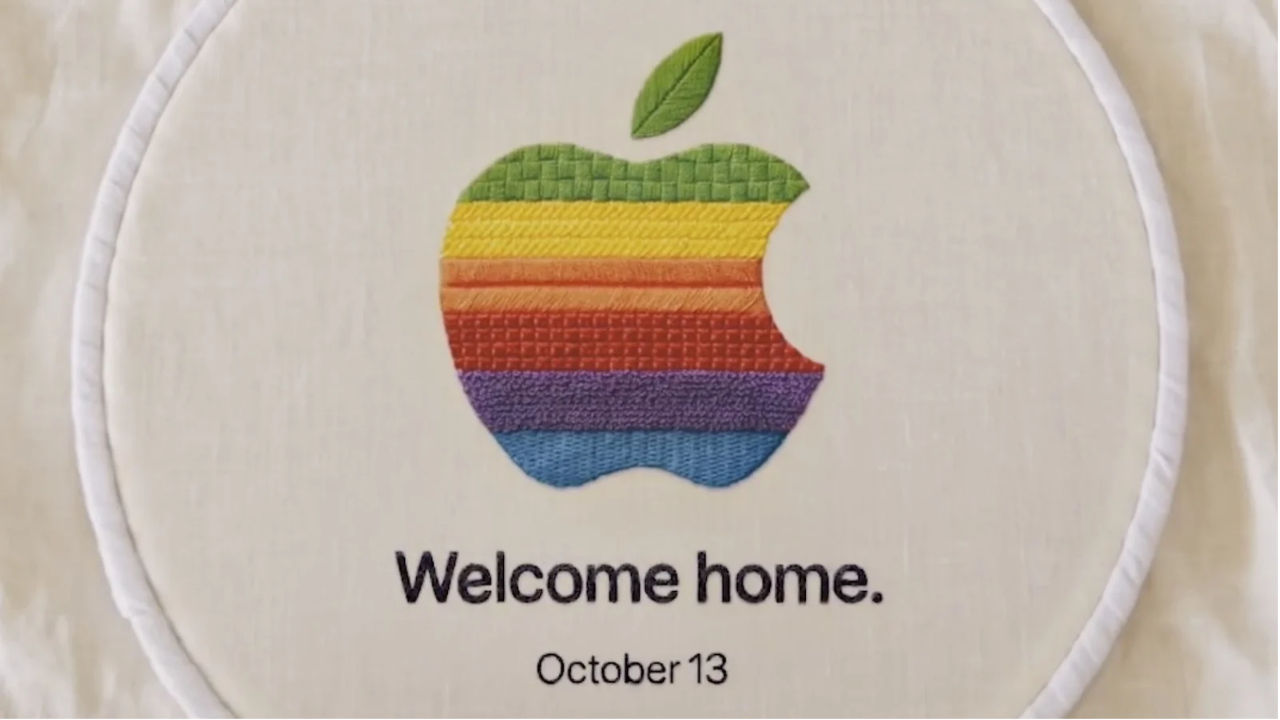
While Apple maintains its traditional "no comment" policy regarding unreleased products, the invitation itself—a minimalist graphic showing a glowing house silhouette with the Apple logo—has sparked intense speculation among analysts.
Mark Gurman of Bloomberg, who has a high accuracy rating for Apple leaks, noted:
"Apple has realized that the iPhone is no longer enough to anchor a user’s life. They need to own the walls, the lights, and the security of the home. This October event isn’t just about new speakers; it’s about the ‘HomeOS’—a new software platform that will unify every screen in your house."
Industry analysts from Morgan Stanley have also weighed in, suggesting that a dedicated smart display could add an estimated $3 billion to $5 billion in annual revenue for Apple’s Wearables, Home, and Accessories segment within its first two years.
Implications: A New Era for the Walled Garden
The implications of the "Welcome Home" event extend far beyond the sale of new gadgets. If successful, Apple will have achieved three critical strategic objectives:
1. Ecosystem Lock-In
By controlling the smart home hub, Apple ensures that users are less likely to switch to Android. A home where the thermostat, lights, and security are all tied to an Apple ID creates a "sticky" ecosystem that is difficult and expensive to leave.
2. The Evolution of Siri
For years, Siri has been criticized for lagging behind Alexa and Google Assistant. The 2026 hardware refresh, powered by the latest iteration of Apple Intelligence, aims to transform Siri into a "Proactive Agent." Instead of just turning off lights, the new Home Hub might use its sensors to detect when you’ve left a room and automatically adjust the climate and security settings, learning your habits over time.
3. Challenging the Duopoly
Amazon and Google have dominated the budget-friendly smart home market. Apple is not looking to compete on price, but on integration. By offering a premium, privacy-focused alternative that works perfectly with the iPhone, Mac, and Apple Watch, Apple is betting that consumers are ready to pay a premium for a smart home that "just works."
Conclusion: The Final Piece of the Puzzle
As the October 13 date approaches, the tech world is watching Cupertino with renewed interest. The "Welcome Home" event represents the final piece of Apple’s ecosystem puzzle. With the iPhone in the pocket, the Mac on the desk, and now a dedicated suite of devices for the home, Apple is positioned to become the invisible operating system of the modern human experience.
Whether the "HomePad" and the new HomePod mini can truly disrupt a market currently owned by Amazon and Google remains to be seen. However, with the backing of Apple Intelligence and the universal Matter standard, the "Welcome Home" event may very well be remembered as the moment the smart home finally grew up.
About the Event:
- Date: October 13, 2026
- Time: 10:00 AM PT
- Location: Steve Jobs Theater, Apple Park, and streamed online.
- Key Themes: Smart Home, Apple Intelligence, Privacy.
This story is developing. Check back for live coverage and in-depth analysis on the day of the event.