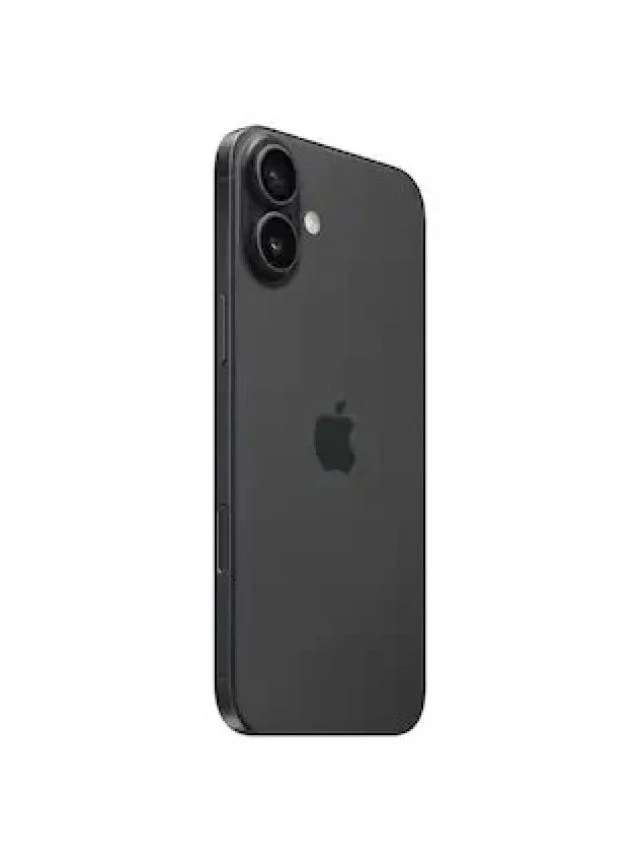
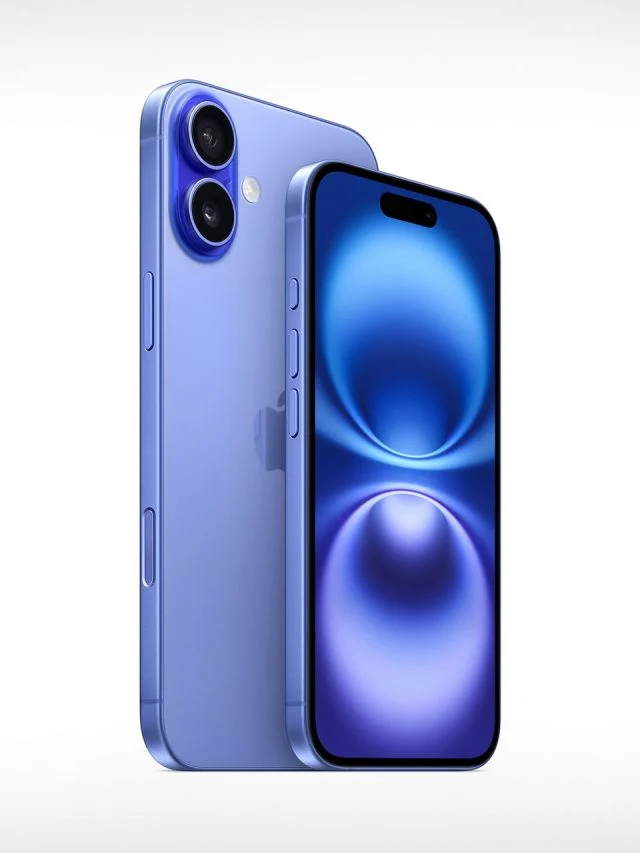
The Indian premium smartphone market is witnessing a major disruption as Apple’s latest base flagship, the iPhone 16, has received an unprecedented price reduction on Flipkart. Known for holding its value remarkably well during its initial launch year, the iPhone 16 is now being offered at its lowest price point since its debut.
Through a combination of flat platform discounts and co-branded banking promotions, the device has transitioned from a premium luxury tier into a highly competitive sub-₹70,000 price bracket. This development comes at a strategic time when consumers are increasingly looking to upgrade to hardware capable of running next-generation artificial intelligence features.
The Deal Breakdown: Calculating the Total Savings
For consumers tracking smartphone price trends, the current promotion on Flipkart represents a significant drop from Apple’s standard pricing structure. The discount is exclusively available on the Flipkart mobile application, emphasizing a growing retail strategy that rewards app-based shopping.
+-------------------------------------------------------+
|              IPHONE 16 PRICING BREAKDOWN              |
+------------------------------------+------------------+
| Launch Price (MSRP)                | ₹89,900          |
| Flipkart App Flat Discount         | -₹20,000         |
| Promotional Platform Price         | ₹69,900          |
| Flipkart Axis / SBI Credit Card    | -₹3,495          |
+------------------------------------+------------------+
| Final Effective Price              | ₹66,405          |
+------------------------------------+------------------+
| Total Cumulative Savings           | ₹23,495 (26.1%)  |
+------------------------------------+------------------+
Direct Platform Discount
The base model of the iPhone 16, which launched with an Maximum Retail Price (MRP) of ₹89,900, is currently listed on the Flipkart mobile app at a flat promotional rate of ₹69,900. This represents a direct, no-strings-attached flat discount of ₹20,000 off the original launch price.
Co-Branded Bank Offers
To sweeten the deal further, Flipkart has partnered with major banking institutions to offer additional instant cashbacks. Customers purchasing the device utilizing a Flipkart Axis Bank Credit Card or a Flipkart SBI Bank Credit Card are eligible for an additional discount of ₹3,495.
When these incentives are stacked, the effective acquisition cost of the iPhone 16 drops to ₹66,405, marking a massive 26.1% total reduction from its retail launch price.
Chronology: The Journey from Launch to Discount
Understanding how the iPhone 16 arrived at this price point requires looking at the timeline of Apple’s market positioning and regional manufacturing changes in India.
   [September] ───────────> [Post-Launch] ───────────> [Current Quarter]
  Official Launch            Supply Stabilization        Flipkart App Discount
  MSRP: ₹89,900              Local assembly scales       Price drops to ₹69,900
(A18, 8GB RAM debut) up in Indian facilities (Stackable bank offers)- The September Launch: Apple officially introduced the iPhone 16 series globally, with the standard 128GB model priced at ₹89,900 in India. This launch was notable because it marked the first time Apple assembled its highly advanced pro and base models within India simultaneously through partners like Foxconn and Pegatron.
- Post-Launch Supply Stabilization: As domestic manufacturing scaled up, import duty pressures on component parts stabilized. While Apple maintained its official retail pricing on its own web store, third-party e-commerce platforms began adjusting margins to capture volume.
- The Current Discount Cycle: Following a brief period of minor market corrections and regional price hikes due to fluctuating supply chains, Flipkart introduced this sudden app-only price drop. This move is widely seen as an aggressive bid to capture market share from competing premium Android devices during the post-festive clearing season.
Technical Deep-Dive: Specs, Performance, and Limitations
While the financial incentives are compelling, a purchasing decision relies heavily on how the iPhone 16 holds up against contemporary standards.
The Power of the A18 Silicon and 8GB RAM
At the heart of the iPhone 16 is Apple’s custom-designed A18 system-on-a-chip (SoC), built on a cutting-edge second-generation 3-nanometer (3nm) fabrication process. This processor is paired with 8GB of LPDDR5X RAM—a crucial upgrade from the 6GB found in previous base models. Apple engineered this hardware expansion specifically to handle the local processing demands of Apple Intelligence, the company’s proprietary suite of artificial intelligence tools.
+--------------------------------------------------------------------------+
|                  CHIP COMPARISON: CPU & NPU EFFICIENCY                   |
+--------------------------------------------------------------------------+
| Apple A18 (3nm)          | High Single-Core / Optimized NPU (Apple Intelligence) |
| MediaTek Dimensity 9300  | Multi-Core Strength / High Peak Thermals              |
| Exynos 2400 (4nm)        | Balanced Multi-Core / Standard AI Processing          |
| Google Tensor G4 (4nm)   | Targeted On-Device AI / Lower Raw Processing Power    |
+--------------------------------------------------------------------------+
In terms of processing efficiency, the A18 outperforms several key competitors:
- vs. Google Tensor G4 (Pixel 9): The A18 offers significantly higher single-core and multi-core raw CPU performance, making it better suited for sustained gaming and heavy productivity tasks.
- vs. Samsung Exynos 2400: While the Exynos 2400 features a high core count, the A18 boasts superior thermal efficiency, resulting in less performance throttling under load.
- vs. MediaTek Dimensity 9300: The A18 maintains a clear lead in single-core execution speeds and integrates more closely with the underlying operating system for lower latency in everyday tasks.
Camera Capabilities and Photographic Styles
The iPhone 16 features a redesigned vertical dual-camera layout optimized for capturing Spatial Video. The primary lens is a 48MP Fusion camera that supports a high-resolution 2x optical-quality telephoto crop, paired with a 12MP Ultra-wide lens featuring autofocus for macro photography.
- Undertone and Photographic Styles: The software pipeline introduces advanced Undertone options, allowing users to fine-tune skin tones and color palettes in real-time before capturing a photo.
- Video Stability: The device maintains its industry-leading status in video capture, offering highly stabilized 4K Dolby Vision recording with advanced wind-noise reduction algorithms.
Battery Life and Charging Efficiency
Historically, base iPhones struggled with longevity, but the iPhone 16 reverses this trend. Thanks to the efficiency of the A18 chip and a physically larger internal cell, users can comfortably expect over 6 hours of active screen-on time under mixed usage conditions (including 5G navigation, social media, and video streaming).
Charging speeds are similarly competitive, reaching 50% capacity in approximately 30 minutes when utilizing a compatible 20W or higher USB-PD fast-charging brick.
The 60Hz Display: A Major Caveat
Despite the impressive internal hardware, the display remains a point of contention. The 6.1-inch Super Retina XDR OLED screen is sharp, bright, and color-accurate, but it is locked at a traditional 60Hz refresh rate.
+--------------------------------------------------------------------------+
|                     DISPLAY SPECIFICATIONS COMPARISON                     |
+---------------------------------+--------------------+-------------------+
| Feature                         | Apple iPhone 16    | Typical Android   |
+---------------------------------+--------------------+-------------------+
| Panel Type                      | Super Retina XDR   | LTPO AMOLED       |
| Refresh Rate                    | 60Hz               | 120Hz             |
| Always-On Display (AOD)         | No                 | Yes               |
| Peak Brightness (Outdoor)       | 2000 nits          | 2000+ nits        |
+---------------------------------+--------------------+-------------------+
In a market where mid-range Android devices costing under ₹20,000 routinely offer 120Hz LTPO panels, a 60Hz display on a premium device feels outdated. Furthermore, Apple has restricted the Always-On Display (AOD) feature to its Pro lineup, meaning the iPhone 16 screen remains entirely dark when standby mode is inactive.
Market Context and Retail Strategy
The timing of this Flipkart promotion is highly strategic. E-commerce platforms in India regularly use premium smartphones as "hero products" to drive overall platform traffic, increase transaction volumes, and promote co-branded credit cards.
                    ┌──────────────────────────────┐
                    │  Flipkart App-Only Strategy  │
                    └──────────────┬───────────────┘
                                   │
         ┌─────────────────────────┴─────────────────────────┐
         ▼                                                   ▼
┌────────────────────────────────┐                 ┌────────────────────────────────┐
│      Consumer Incentives       │                 │       Platform Benefits        │
├────────────────────────────────┤                 ├────────────────────────────────┤
│ • Direct ₹20,000 price drop    │                 │ • Drives high-value downloads  │
│ • Stackable credit card offers │                 │ • Increases active app users   │
│ • Higher trade-in valuations   │                 │ • Captures premium market share│
└────────────────────────────────┘                 └────────────────────────────────┘
By keeping this discount exclusive to the mobile app, Flipkart encourages users to download and engage with its application, which typically yields higher lifetime customer value than web-based shopping.
Additionally, offering these discounts through third-party retail partners allows Apple to protect its premium brand image. Apple can maintain the high MRP on its official store while utilizing channels like Flipkart to clear inventory and match the aggressive pricing of competing Android brands.
Implications: Is the iPhone 16 Worth Buying Today?
For a large segment of smartphone buyers, this price drop makes the iPhone 16 a highly compelling option.
Who Should Buy the iPhone 16 at This Price?
- Upgraders from iPhone 12 or Older: If you are transitioning from an older device, the performance leap, camera improvements, and battery life gains will feel massive.
- Value-Focused iOS Users: For those who want access to modern iOS features and upcoming Apple Intelligence updates without paying the steep premium of the Pro models, this deal offers the perfect middle ground.
- Long-Term Investors: With Apple’s history of providing 5 to 7 years of software updates, buying the iPhone 16 at this price point ensures a highly future-proof device with a very low annual cost of ownership.
Who Should Skip This Deal?
- High-Refresh Rate Enthusiasts: If you are accustomed to the fluid scrolling of a 90Hz or 120Hz screen on an Android device or an older iPhone Pro model, downgrading to a 60Hz display will feel like a noticeable step backward.
- Pro-Grade Mobile Photographers: Users who require a dedicated optical zoom lens or advanced ProRes video formats may want to save up for the iPhone 16 Pro or look toward Android competitors like the Samsung Galaxy Ultra series.
The Verdict
At its original ₹89,900 launch price, the iPhone 16 faced tough competition from highly specced Android flagships. However, at an effective price of ₹66,405 on Flipkart, the value proposition shifts dramatically. By offering elite processing power, guaranteed long-term software support, and upcoming AI features at a mid-tier price point, this deal makes the iPhone 16 one of the most attractive premium smartphone purchases currently available in India.