The landscape of 3D printing is undergoing a seismic shift. For years, the community relied on a handful of centralized hubs—most notably Thingiverse—to source digital files for fabrication. However, as the hardware market has matured, the software and ecosystem side of 3D printing has become the new battleground. Following the recent entries of industry giants like Bambu Lab into the repository space, Snapmaker, a leader in modular fabrication tools, has officially thrown its hat into the ring with the launch of "Snapmaker Space."
Main Facts: What is Snapmaker Space?
Snapmaker Space is an online repository platform designed to serve as a centralized hub for 3D printing enthusiasts, designers, and makers. Launched today in open beta, the platform arrives with a library of 2,500 curated models. While the market is increasingly saturated with AI-driven model generators and established file-sharing giants, Snapmaker is positioning its platform not just as a static library, but as an incentivized ecosystem.
The core value proposition of Snapmaker Space is its integration with the company’s hardware strengths—specifically multi-color and multi-material printing. By gamifying the contribution process, Snapmaker is attempting to foster a high-quality community where designers are rewarded for their creative output. The platform is currently live and accessible to the public, marking a significant transition for the company from a hardware-centric manufacturer to an ecosystem architect.
Chronology: The Evolution of the 3D Printing Ecosystem
To understand the significance of this launch, one must look at the timeline of the "Repository Wars" that have defined the last few years in additive manufacturing.
2008–2018: The Era of Centralization
For a decade, Thingiverse stood as the undisputed titan of the 3D printing world. It was the "de facto" location for every hobbyist. However, as the community grew, the platform faced criticism regarding site stability, slow updates, and a lack of support for the increasingly complex files required by modern printers.
2020–2023: The Hardware-Software Convergence
As desktop 3D printing moved from a niche hobby to a mainstream consumer activity, manufacturers realized that hardware was only half the equation. Companies like Bambu Lab began developing their own proprietary software ecosystems, recognizing that user retention is driven by seamless integration between the "slicer" software and the online library.
2024–2025: The Rise of AI and Community-Driven Hubs
Recently, we have seen a surge in generative AI tools capable of creating 3D models from text prompts. This has created a "cluttered" digital environment. Amidst this noise, manufacturers have pivoted back to curated, human-designed repositories, seeking to maintain quality control while offering incentives to the creators who keep the community alive.
September 2026: The Launch of Snapmaker Space
Snapmaker’s move today represents the latest chapter in this timeline. By launching with 2,500 models, the company is signaling that it is not looking for a "slow burn" growth strategy, but rather a robust, immediate solution that supports its existing user base and attracts new designers to their specific hardware ecosystem.
Supporting Data: Why Incentives Matter
The success of any online platform is dictated by its "network effect"—the more users you have, the more valuable the platform becomes. However, you cannot have users without content. Snapmaker’s strategy for population involves a two-pronged incentive structure:
- Viral Reward Points: Designers are incentivized through a point system that tracks the popularity of their uploads. These points are not merely aesthetic; they are tied to rewards, creating a tangible motivation for high-quality, shareable designs.
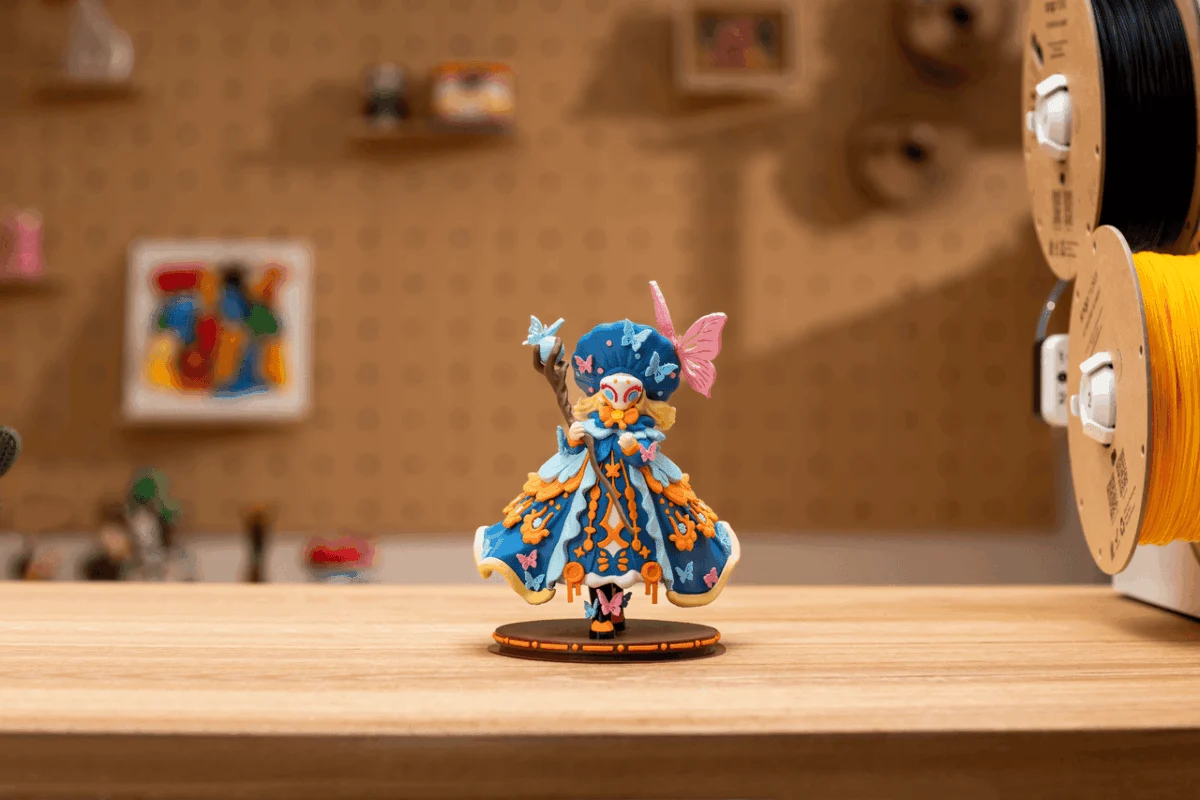
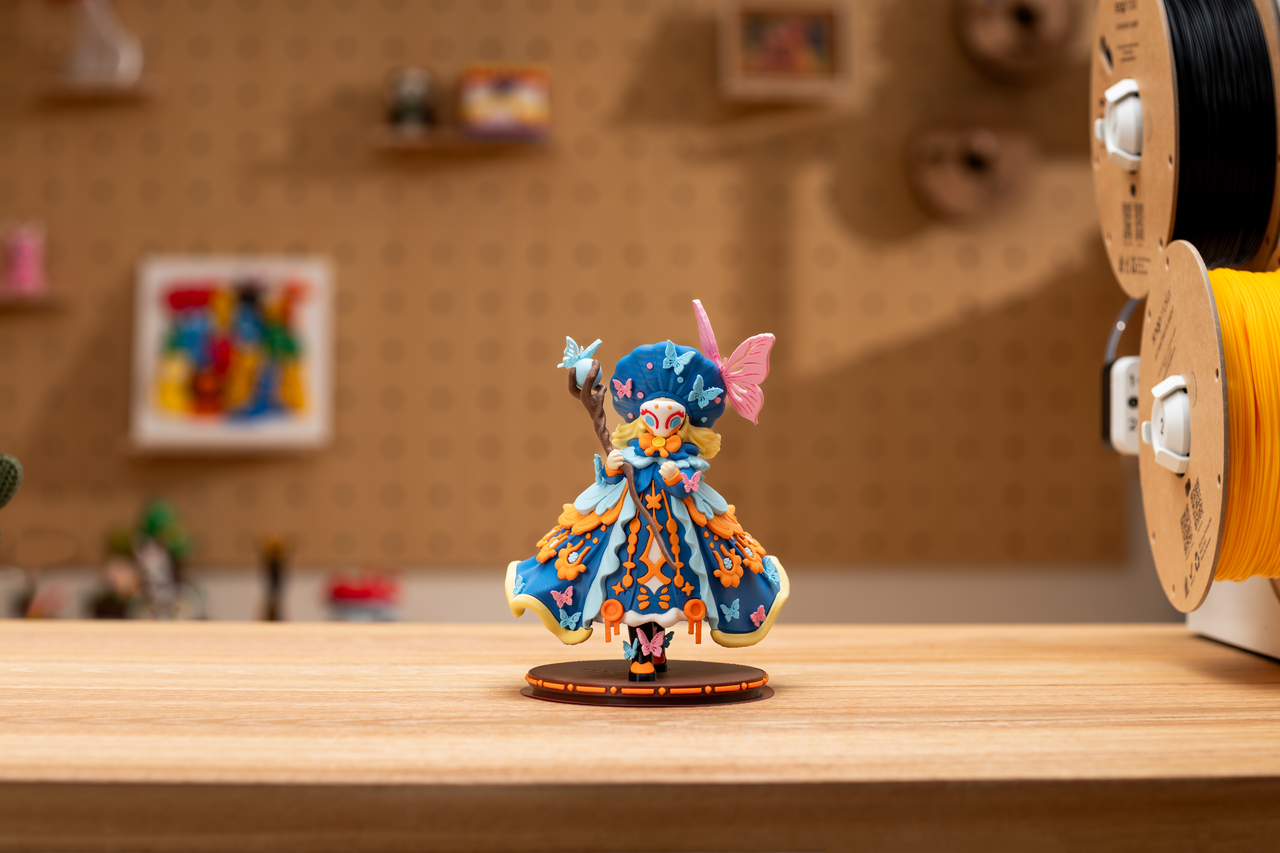
- Multi-Color Emphasis: A specific focus has been placed on multi-color printing. As Snapmaker’s hardware, such as the U1, has become more adept at color-switching and material management, the company is actively curating a library that highlights these features. Statistics from the industry suggest that multi-color prints see significantly higher engagement on social platforms like Instagram and TikTok, which in turn drives traffic back to the repository.
By prioritizing multi-color models, Snapmaker is creating a virtuous cycle: designers upload complex, visually striking models to earn points; these models showcase the capabilities of the hardware; and prospective buyers are lured into the ecosystem by the quality of the content.
Official Responses and Strategic Positioning
While official statements have been brief, the underlying sentiment from the Snapmaker team is one of "community-first engineering." In discussions surrounding the launch, the company emphasized that Snapmaker Space is not intended to be just another repository, but a destination that "understands the machine."
"We wanted to build a place where the design intent and the hardware capability align perfectly," a representative hinted. This focus on the "hardware-software bridge" is a calculated response to the frustrations many users feel when downloading files from generic sites that may not be optimized for their specific machine’s tolerances, build plates, or color-changing capabilities.
Furthermore, the integration with the broader Snapmaker community—including their active Discord server—suggests that the company intends for the repository to be a living, breathing project. By soliciting feedback during the open beta, they are positioning themselves as a responsive entity, ready to iterate on the platform based on real-world usage data.
Implications: What This Means for the Maker Community
The launch of Snapmaker Space has several far-reaching implications for the 3D printing industry at large:
1. Fragmentation vs. Specialization
With every major printer manufacturer launching their own proprietary repository, the "centralized" nature of 3D printing is fracturing. While this might make searching for files more difficult for the casual user, it leads to a higher level of specialization. Users who own a Snapmaker machine will likely find more "ready-to-print" files on Snapmaker Space than on broader, uncurated platforms.
2. The Professionalization of "Makers"
By offering reward points and potential monetization pathways, Snapmaker is helping to professionalize the role of the 3D modeler. The hobbyist who creates a popular, print-in-place, multi-color model is no longer just a contributor; they are an essential part of the company’s marketing and product development pipeline. This shift may lead to higher standards of design and better-documented models.

3. A Challenge to AI-Generated Content
As AI-generated 3D models continue to flood the internet, they often struggle with "printability"—files might look great on screen but fail on the printer. By focusing on a curated, human-led repository, Snapmaker is drawing a line in the sand, suggesting that for high-quality hardware, you need high-quality, human-tested design. This could preserve the craft of 3D modeling in an era of automation.
4. Hardware Lock-in
The most critical implication is the "walled garden" effect. If a user finds the best models for their specific machine on Snapmaker Space, they are statistically less likely to purchase a printer from a competitor. This strategy ensures that Snapmaker retains its customer base by providing value long after the initial hardware purchase.
Conclusion: The Future of the Repository
As the open beta for Snapmaker Space progresses, the community will be watching closely to see if the platform can sustain its momentum. Will the reward points be enough to attract top-tier designers? Will the curated library remain high-quality as it scales toward 10,000 or 50,000 models?
For now, the launch is a bold statement. It acknowledges that in the modern era of 3D printing, the printer is only as good as the software ecosystem that feeds it. Snapmaker is no longer just selling a machine that can carve, cut, and print; they are selling a digital library that ensures those machines never sit idle.
Whether this becomes the primary home for the next generation of makers remains to be seen, but one thing is certain: the competition to provide the "gold standard" for 3D model distribution has officially intensified. For the end user, this means better models, more specialized content, and a more seamless printing experience—provided you are willing to embrace the ecosystem that best fits your workflow.
As the digital fabrication world continues to evolve, Snapmaker Space stands as a testament to the fact that the future of 3D printing is as much about the bits and bytes as it is about the plastic and metal.