For homeowners living in "cookie-cutter" developments, the struggle to distinguish a house from its neighbors is a common narrative. While significant structural renovations—such as kitchen cabinet overhauls or grand entryway redesigns—often dominate the renovation conversation, true character is frequently found in the finer architectural details. Among the most impactful of these details is the presence of window mullions, or grid patterns.
Jill, the creative force behind The Rozy Home, recently demonstrated that architectural character does not require a five-figure renovation budget. By identifying a glaring inconsistency in her home’s aesthetic—where front-facing windows featured classic grids while rear-facing windows remained stark and bare—she engineered a bespoke solution. Her DIY window mullion project, completed for a total cost of approximately $35, provides a blueprint for homeowners looking to elevate their home’s curb appeal and interior warmth without the prohibitive costs of professional window replacement.

Main Facts: The Anatomy of a Low-Cost Aesthetic Upgrade
The project centers on the installation of faux mullion grids, a classic design element that breaks up large, monolithic panes of glass into smaller, more intimate squares. Historically, mullions served a structural purpose in timber-frame construction. In modern residential architecture, they are primarily aesthetic.
Jill’s approach was driven by the realization that her dining room, while offering a spectacular view, felt unfinished and "boring" compared to the rest of the house. By analyzing the existing grid patterns in other rooms, she deduced that a consistent visual language could be achieved by mirroring those proportions.
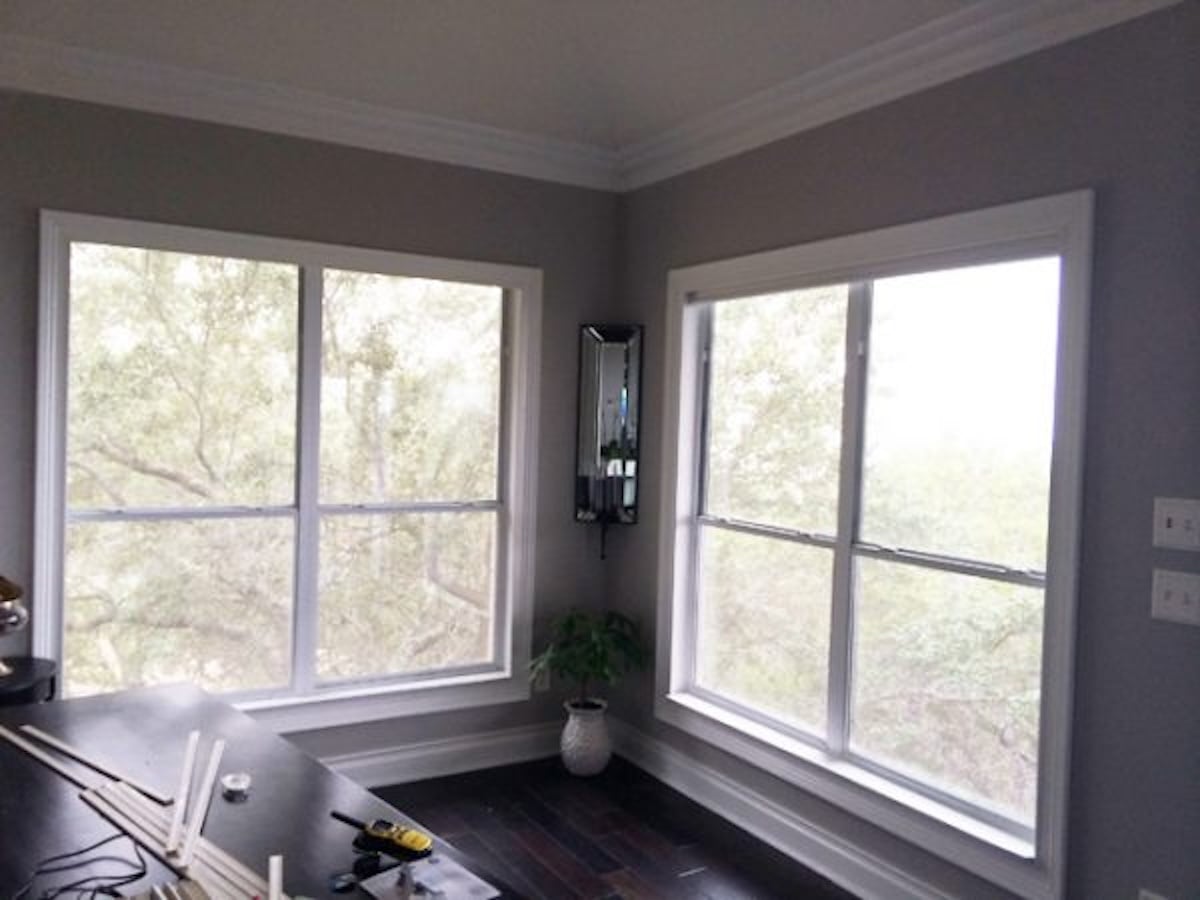
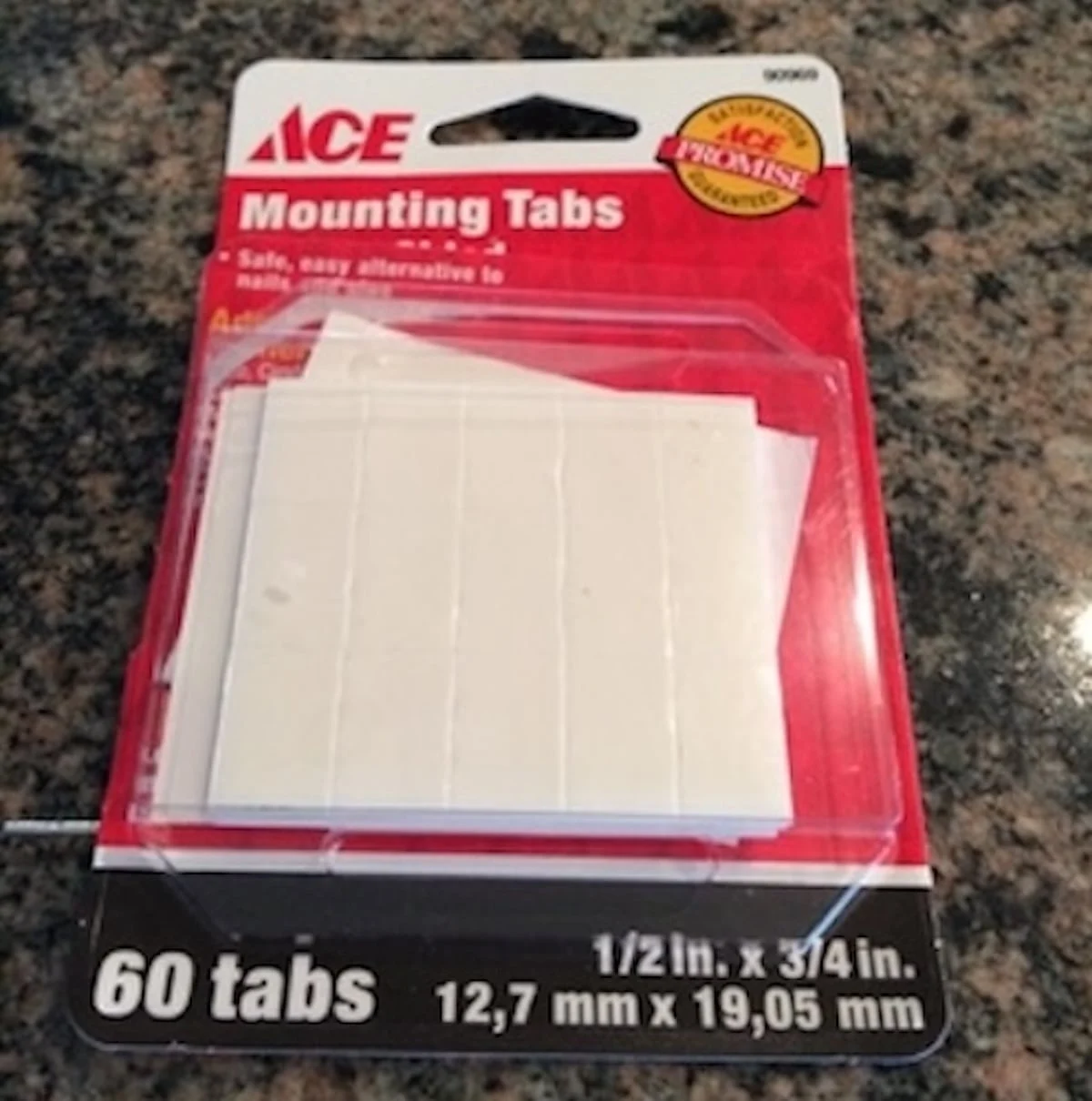
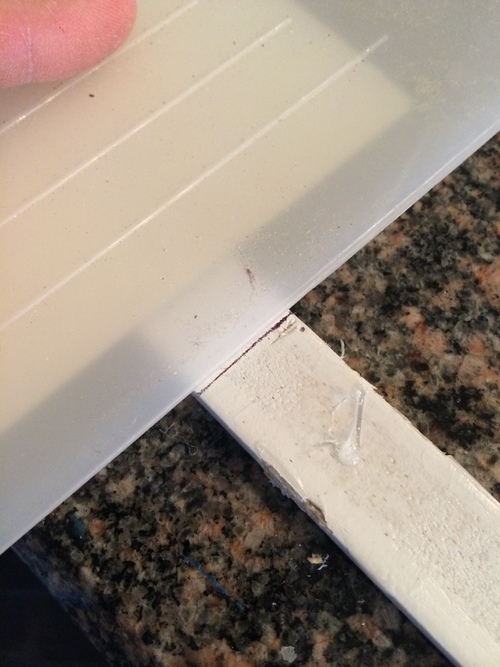
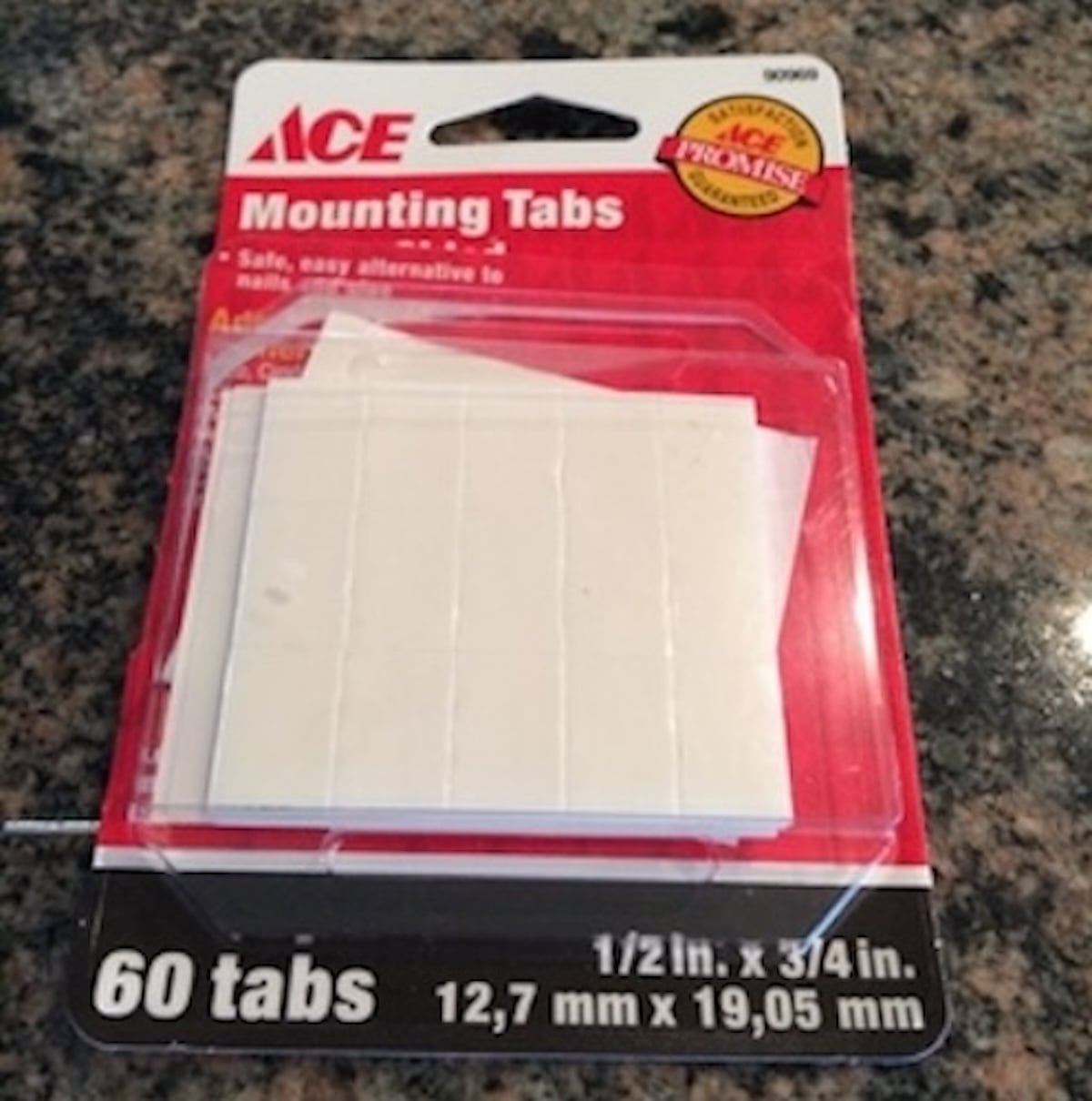
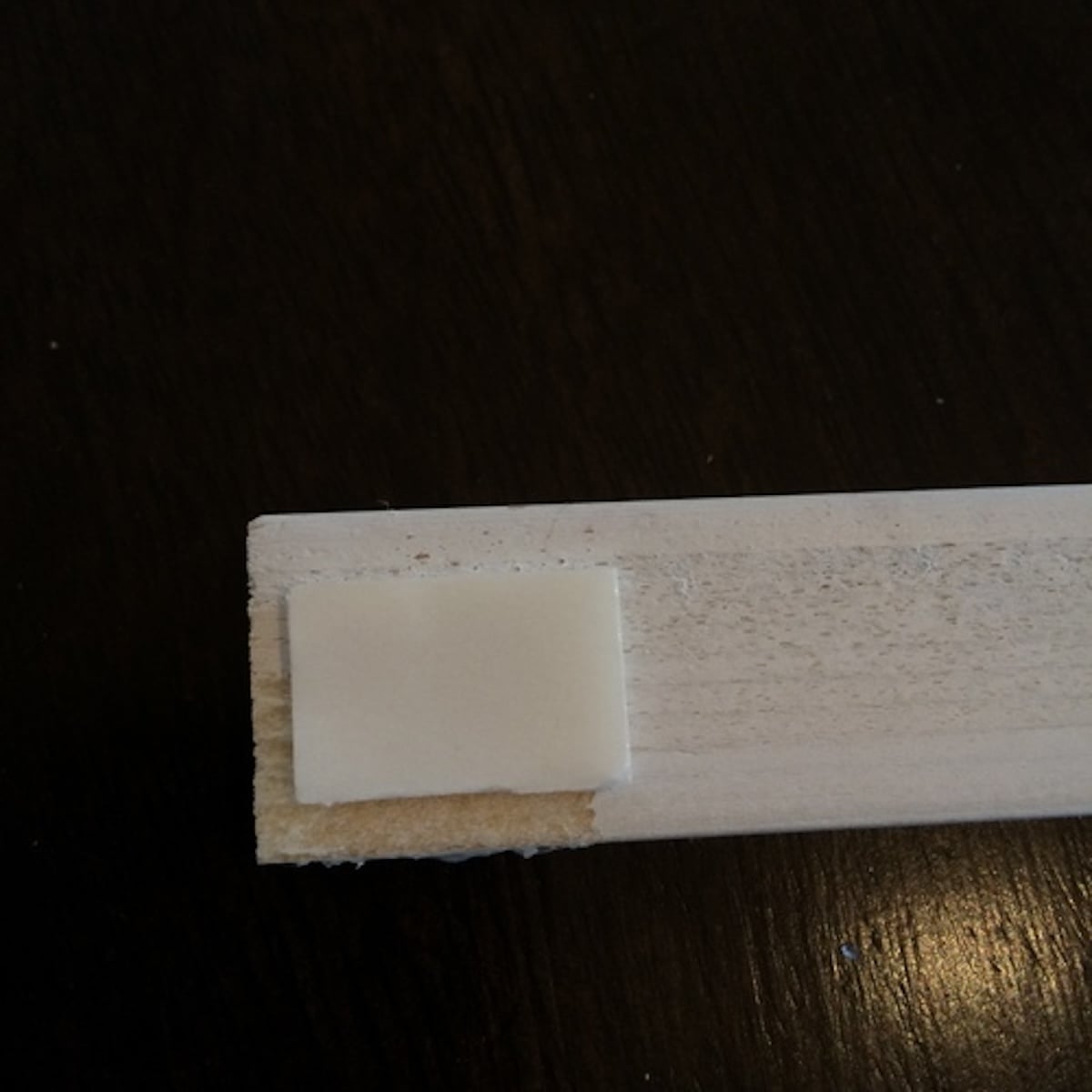
The core of the project relies on the use of polystyrene vinyl screen moulding—or alternatively, thin pine screen moulding—which provides a lightweight, paintable, and inexpensive material that adheres directly to the existing glass surface. Because these grids are mounted using double-sided adhesive tabs, they are semi-permanent, allowing for easy removal when deep cleaning the glass panes is required. This project does not alter the structural integrity of the window, nor does it involve the risky process of working with the glass itself, making it a highly accessible weekend project for novice DIYers.
Chronology of the Transformation
The success of this project lay in a systematic, step-by-step methodology that prioritized precision over speed.

Phase 1: Material Selection and Planning
Jill’s journey began with an extensive search for the right material at local home improvement retailers. She initially experimented with polystyrene vinyl screen moulding, which was both affordable and readily available. However, her commitment to the "perfect fit" led her to a subsequent iteration using pine screen moulding, which offered a slightly thinner profile to ensure the window hardware could operate smoothly without obstruction.
Phase 2: Design and Measurement
Once the material was sourced, the focus shifted to the geometry of the grids. Jill determined the spacing by observing the proportions of the windows already containing factory-installed grids. After deciding on two vertical stiles and three horizontal rows, she cut the pieces to fit the interior frame of the glass. Precision was maintained by using a temporary test-fit with double-sided tape, allowing for adjustments before the final assembly.

Phase 3: Assembly and Finishing
With the measurements finalized, the construction phase commenced. Jill opted to assemble the grids on a flat surface before installation. Using a hot glue gun, she joined the horizontal stiles to the vertical ones, creating a rigid, stable lattice. This structural stability was crucial for the final mounting process. Following assembly, she applied multiple coats of high-quality paint to the mouldings, ensuring a professional, seamless finish that blended with the existing window frames.
Phase 4: Final Installation
The final step involved securing the completed lattices to the glass using high-strength double-sided mounting tape. The placement was strategic, ensuring that the grids remained taut against the window panes while being easily removable for maintenance.

Supporting Data and Financial Analysis
The economic viability of this project is one of its most compelling attributes. At a total cost of roughly $35, the project translates to approximately $9 per window. When compared to the cost of replacing standard windows with high-end, grid-integrated glass units—which can cost thousands of dollars—the DIY approach offers a cost-to-value ratio that is difficult to ignore.
- Material Efficiency: Jill initially estimated a need for 16 pieces of trim but found that 12 were sufficient, illustrating the importance of careful planning to minimize waste.
- Time Commitment: While the project spans several hours, much of that time is dedicated to drying periods for paint and adhesive curing, rather than intensive labor.
- Maintenance: The use of mounting tape allows for a non-destructive installation, meaning the windows remain in their original condition should the homeowner ever wish to return to a "clear" look.
Professional Perspective and Expert Considerations
Industry professionals often distinguish between "true" muntins (which physically divide the glass) and "grilles" or "mullions" (which are applied to the surface). While Jill’s project functions as a decorative grille, the visual impact is indistinguishable from the real thing from a distance.
Architectural designers often note that the addition of grids can alter the "rhythm" of a home’s facade. By creating a grid pattern, a home can take on a more traditional, colonial, or craftsman-inspired aesthetic. However, designers caution that for rooms with limited natural light, adding grid patterns can slightly reduce the visible glass area. While this reduction is marginal, homeowners should be mindful of their specific room’s light requirements.
Furthermore, it is important to differentiate between surface-applied DIY solutions and professional retrofits. For those seeking the exact architectural look of genuine mullions, contacting a window manufacturer remains the gold standard, particularly for energy-efficiency certifications. However, for the average homeowner seeking a cosmetic upgrade, the DIY method provides an immediate, effective alternative.
Implications for the Modern Homeowner
The implications of this project reach far beyond the dining room. It serves as a broader reminder that home improvement is often an exercise in creative problem-solving rather than just capital expenditure.
- The "Forever Home" Mindset: As Jill noted, she has spent five years tailoring her house to be her "forever home." This project highlights that such transformations are cumulative, occurring one small detail at a time.
- The Power of Uniformity: One of the most significant takeaways is the importance of visual consistency. By extending the grid pattern from the front of the house to the back and sides, Jill successfully created a sense of architectural cohesion that the builder had ignored.
- Encouraging DIY Innovation: This project serves as a catalyst for other DIY endeavors. Whether it is adding a faux transom above a doorway or installing custom window trim, the successful completion of a mullion project provides the confidence required to tackle more ambitious home improvement tasks.
- Market Value: While $35 is a nominal investment, the cumulative effect of such aesthetic upgrades can enhance the overall perceived value of a property. When a home feels "custom" rather than "standard," it resonates more deeply with potential buyers and increases the overall quality of life for current residents.
Conclusion
The transformation of Jill’s dining room windows stands as a testament to the fact that high-impact home design is accessible to everyone. By utilizing basic materials like polystyrene or pine screen moulding, and applying a methodical approach to design and installation, homeowners can bridge the gap between "builder-grade" and "custom."
This project does more than just add lines to a window; it adds warmth, depth, and a sense of architectural intent to the home. For those looking to embark on their own renovation journey, the DIY mullion grid serves as an ideal starting point—a project that is low in risk, high in visual reward, and entirely within reach for the average weekend warrior. As the home continues to evolve, it is these thoughtful, personalized touches that transform a mere structure into a sanctuary.