The dust has officially settled on Amazon’s Prime Day event, yet for eagle-eyed tech enthusiasts, the shopping season hasn’t quite concluded. In an unusual turn of events, several of the most aggressive discounts on Samsung’s flagship wearable lineup remain active on Amazon US. While the official promotional period for Prime Day has passed, it appears that a logistical anomaly or a strategic extended sale has left prices slashed across the Galaxy Watch 8 and Galaxy Watch 7 series, offering consumers a rare "second chance" to capitalize on savings that were expected to vanish on Wednesday.
The Current Market Landscape: What’s Still on Sale?
For those who missed the initial window, the current pricing structure remains remarkably favorable. The most notable offer concerns the Samsung Galaxy Watch 8 Classic LTE, which is currently retailing for $449.99—a significant reduction from its $549.99 MSRP. This $100 price drop positions the premium wearable as a highly competitive option for users seeking cellular connectivity without the usual flagship price tag.
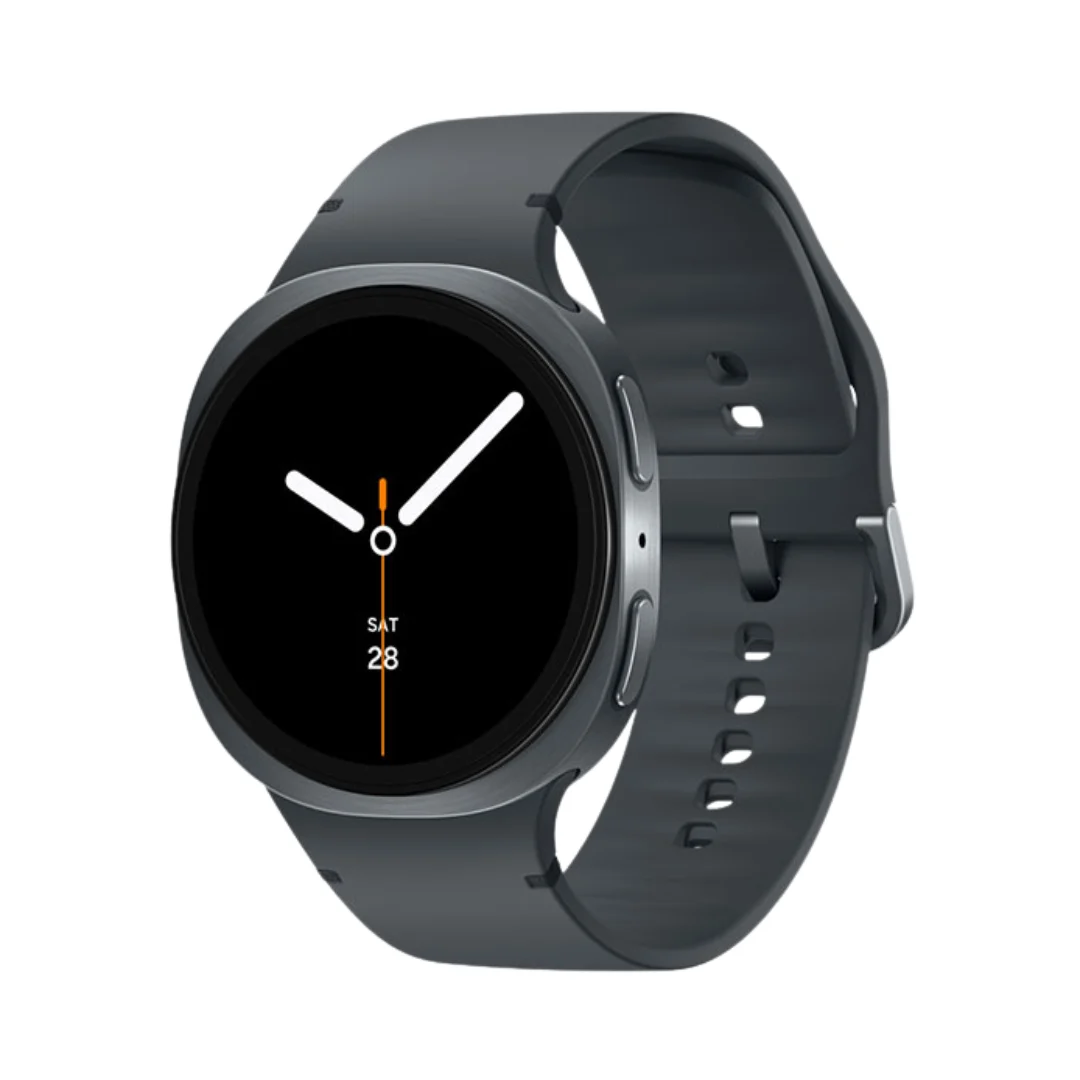
The standard Samsung Galaxy Watch 8 also retains its discounted status. The entry-level 40mm Bluetooth model has seen its price cut from $299.99 to $219.99, representing an attractive $80 saving for those looking for a lightweight, versatile daily driver. Meanwhile, the larger 44mm variant is available at $304, down from $329.99. While the percentage discount on the larger model is more modest (approximately 8%), it remains a noteworthy price point for a device that rarely sees significant movement in the weeks following a major sale event.
Finally, the Samsung Galaxy Watch 7 has seen the most aggressive pricing action, with the base model falling to $159.99 from $249.99. This 36% discount represents the standout deal of the bunch, making it an ideal entry point for consumers who prioritize value and core fitness tracking capabilities over the latest iterative hardware updates.
A Chronology of the "Never-Ending" Sale
To understand why these deals remain active, one must look at the trajectory of the past week.
- Pre-Event Teasers: In the days leading up to Prime Day, Samsung and Amazon heavily signaled that the Galaxy Watch series would be a focal point of their promotional strategy.
- The Prime Day Peak: During the official 48-hour event, traffic to these product pages spiked, with the Galaxy Watch 8 Classic emerging as a top-selling wearable in the electronics category.
- The "Post-Event" Transition: Typically, as soon as the clock strikes midnight on the final day of Prime, retailers revert prices to their MSRP. However, as of this writing, the "Prime Day" tag may be gone, but the associated discounts have been preserved in the backend.
- Current Status: Whether this is a deliberate strategy to clear remaining inventory or a technical oversight in Amazon’s pricing algorithm, the result remains the same: the window of opportunity is technically still open, though industry experts warn that such "glitch-like" extensions are usually corrected without notice.
Supporting Data: Why the Galaxy Watch 8 Classic Reigns Supreme
The enduring popularity of the Galaxy Watch 8 Classic is not merely a result of aggressive marketing; it is backed by a feature set that continues to lead the Android ecosystem.
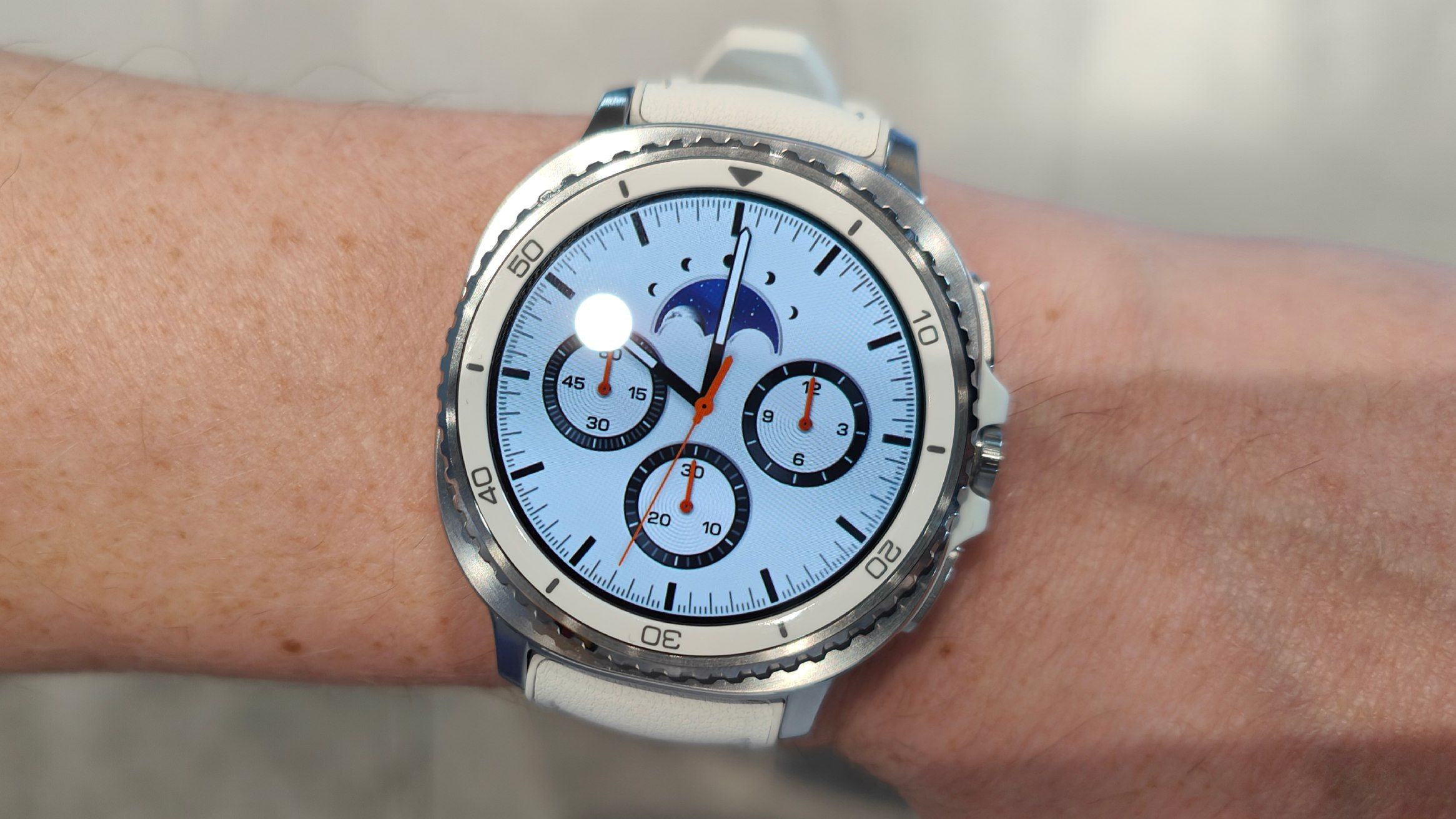
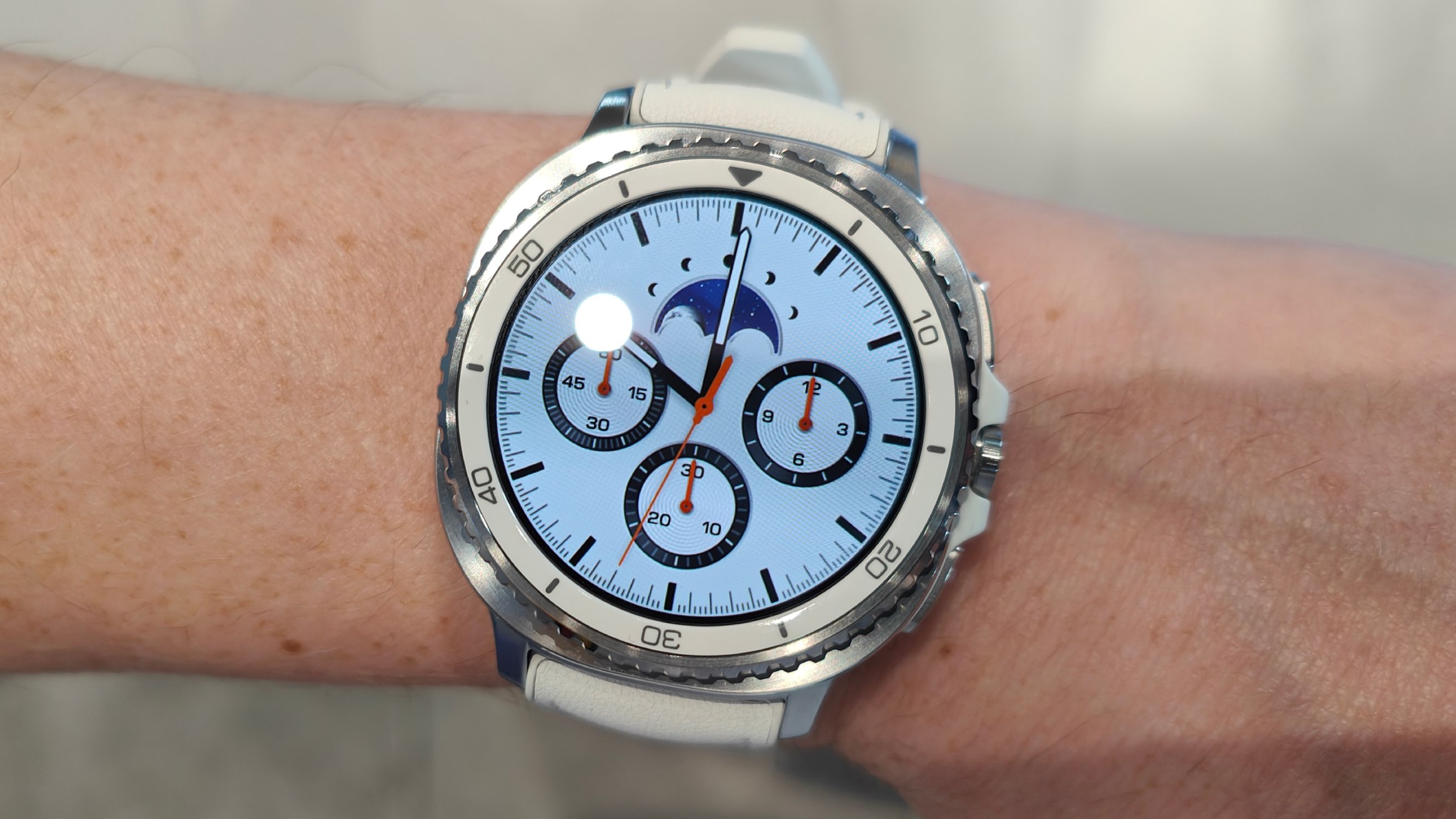
For the average user, the choice between the standard Galaxy Watch 8 and the Classic comes down to utility. The Classic model’s physical rotating bezel—a hallmark of Samsung’s design language—continues to receive praise for its tactile navigation, which remains superior to digital touch-based interfaces when the user is sweating during a workout or wearing gloves.
Beyond hardware, the software integration within the Galaxy ecosystem provides a seamless experience. Features such as on-wrist email management, native music streaming, and advanced heart-rate variability (HRV) monitoring have set a high bar. As noted by industry analysts and even our own internal staff, the device’s reliability is such that it has become a staple for users who demand a 24/7 wearable. In a particularly high-profile endorsement, TechRadar’s own Hamish Hector famously wore his unit during his wedding, a testament to the device’s aesthetic versatility and robust performance.
Implications for the Wearable Tech Market
The persistence of these deals has broader implications for the wearable technology market. Historically, major tech manufacturers like Samsung have been protective of their product margins. A sustained, post-event price cut often signals one of three things:
- Inventory Management: Manufacturers may be attempting to clear stock in anticipation of a mid-cycle refresh or to make room for new product variants.
- Market Share Aggression: Samsung is currently in a fierce battle with Google’s Pixel Watch lineup and the ever-present Apple Watch. By keeping prices low, Samsung effectively increases the "cost of entry" for consumers looking to switch platforms, locking them into the Galaxy ecosystem.
- Data-Driven Pricing: Modern retail giants use real-time data to determine whether a price cut is generating enough volume to offset the loss in margin. If the "post-Prime" sales volume remains high, we may see these "accidental" sales become a permanent fixture of the retail calendar.
What Consumers Should Consider Before Buying
If you are currently debating whether to pull the trigger on one of these remaining deals, there are several factors to weigh.
First, consider your ecosystem. These devices are optimized for Samsung Galaxy smartphones. While they function with other Android devices, some of the more advanced health-tracking features—such as blood pressure monitoring or ECG functionality—are often gated behind the Samsung Health app, which requires a Samsung phone to unlock fully.
Second, consider the lifecycle. With the Galaxy Watch 8 and 7, you are purchasing hardware that is well-supported by Samsung’s software update policy. Samsung has committed to several years of security and feature updates, ensuring that these devices will remain relevant for the foreseeable future.
Finally, do not expect these specific price points to last. While the current situation is beneficial to the consumer, it is unsustainable from a retail perspective. Once the remaining inventory at these price points is exhausted, or once the backend systems are synchronized, these prices will almost certainly reset to their standard levels.
Conclusion: Act Now or Regret Later
In the volatile world of consumer electronics, "sale extension" is a rare occurrence. Whether you are a fitness enthusiast looking to upgrade your tracking capabilities, or a tech professional seeking a device that handles notifications and communication with grace, the current Samsung Galaxy Watch deals present a fleeting opportunity.
For those who missed the official Prime Day window, this is a clear signal to act. The combination of hardware reliability, deep software integration, and current price-to-value ratios makes the Galaxy Watch series an easy recommendation. Whether you choose the high-end, classic aesthetic of the 8 Classic or the streamlined efficiency of the Galaxy Watch 7, you are securing a premium device at a price point that, under normal circumstances, would be reserved for the biggest shopping days of the year.
As always, keep a close eye on the checkout screen. While these prices are currently active, they remain at the mercy of the retailer’s inventory systems. If you have been waiting for the right moment to invest in your health and digital connectivity, that moment is now. Do not wait for the market to correct itself; the best time to secure a deal is while it is still on the table.