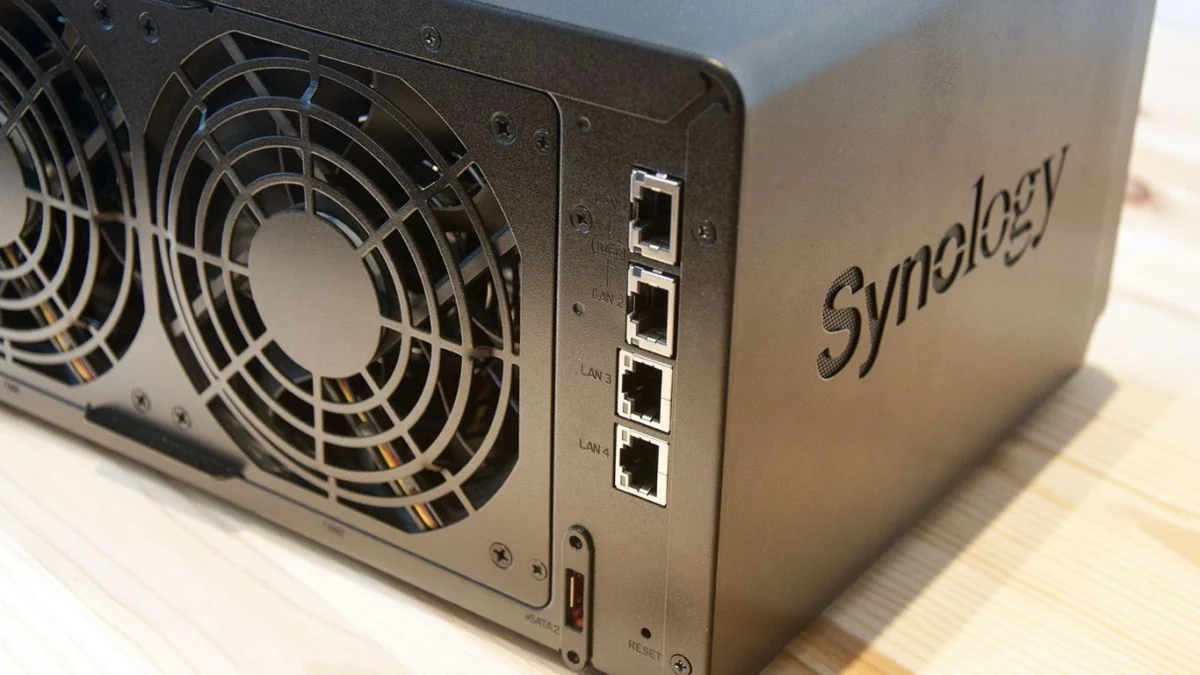
The global cybersecurity landscape is currently reeling from the fallout of "PHP2Shell," a pair of critical vulnerabilities—tracked as CVE-2026-109618 and CVE-2026-109619—that have fundamentally altered the threat profile of web servers and enterprise infrastructure. While initial reporting focused on the immediate risks to websites and high-traffic web applications, the blast radius has expanded significantly to include Network Attached Storage (NAS) devices.
These storage solutions, often relied upon by small-to-medium businesses and home power users to manage sensitive data, are now at the center of an urgent patching race. With evidence of active exploitation in the wild, the failure of some prominent manufacturers to deliver timely security updates has left millions of devices potentially exposed to remote code execution (RCE) attacks.
The Anatomy of the Threat: Understanding PHP2Shell
At its core, PHP2Shell represents a catastrophic failure within the PHP programming language architecture. The vulnerabilities allow unauthorized actors to execute arbitrary code on a server. By manipulating the way PHP processes specific inputs, attackers can effectively turn a storage device into a "shell," gaining command-line access to the underlying operating system.
Once an attacker achieves this level of access, the implications are dire. They can exfiltrate sensitive data, install persistent backdoors, deploy ransomware, or use the compromised device as a pivot point to move laterally through an internal network. Because NAS devices are often positioned as "always-on" repositories for backups and cloud-syncing, the breach of a single device can compromise an entire organization’s data integrity.
Chronology of a Global Security Incident
The discovery of PHP2Shell has sparked what many security experts are calling the most significant vulnerability event since the Spectre and Meltdown flaws of 2018.
- The Disclosure Gap: The crisis began when knowledge of the flaws leaked into the public domain four days before the official patches were ready for deployment. This "zero-day" window provided malicious actors with a head start.
- The Surge in Exploitation: Amazon’s security intelligence teams reported a dramatic escalation in activity. Just 10 hours before the official publication of the vulnerability details, researchers tracked a few hundred probing attempts. Within 24 hours, that figure had skyrocketed into the millions.
- The Current State of Play: While the majority of these early automated exploitation attempts have been unsuccessful—likely due to the complexity of bypassing Address Space Layout Randomization (ASLR) in a remote context—the security community warns that this is a temporary reprieve. As exploit kits become more refined, the barriers to entry for attackers are rapidly lowering.
A Twofold Risk: OS and Containerized Environments
For NAS owners, the danger is compounded by the architecture of modern storage appliances. The risk is effectively "twofold":
- Operating System Vulnerabilities: Most NAS devices run on a customized version of Linux. If the manufacturer’s base OS—often referred to as the DiskStation Manager (DSM) or QTS—utilizes an affected version of PHP, the entire management interface is at risk.
- Containerized Exposure: Modern NAS devices are rarely just storage units; they are feature-rich servers capable of running Docker containers. Many users host third-party applications (web servers, databases, or automation tools) within these containers. If a user is running an outdated, vulnerable PHP image inside a Docker container, that container acts as an open door into the host device, bypassing the security measures implemented by the NAS manufacturer.
Official Manufacturer Responses and Patch Status
The response from the NAS industry has been varied, creating a patchwork of security that leaves many users in a state of uncertainty.
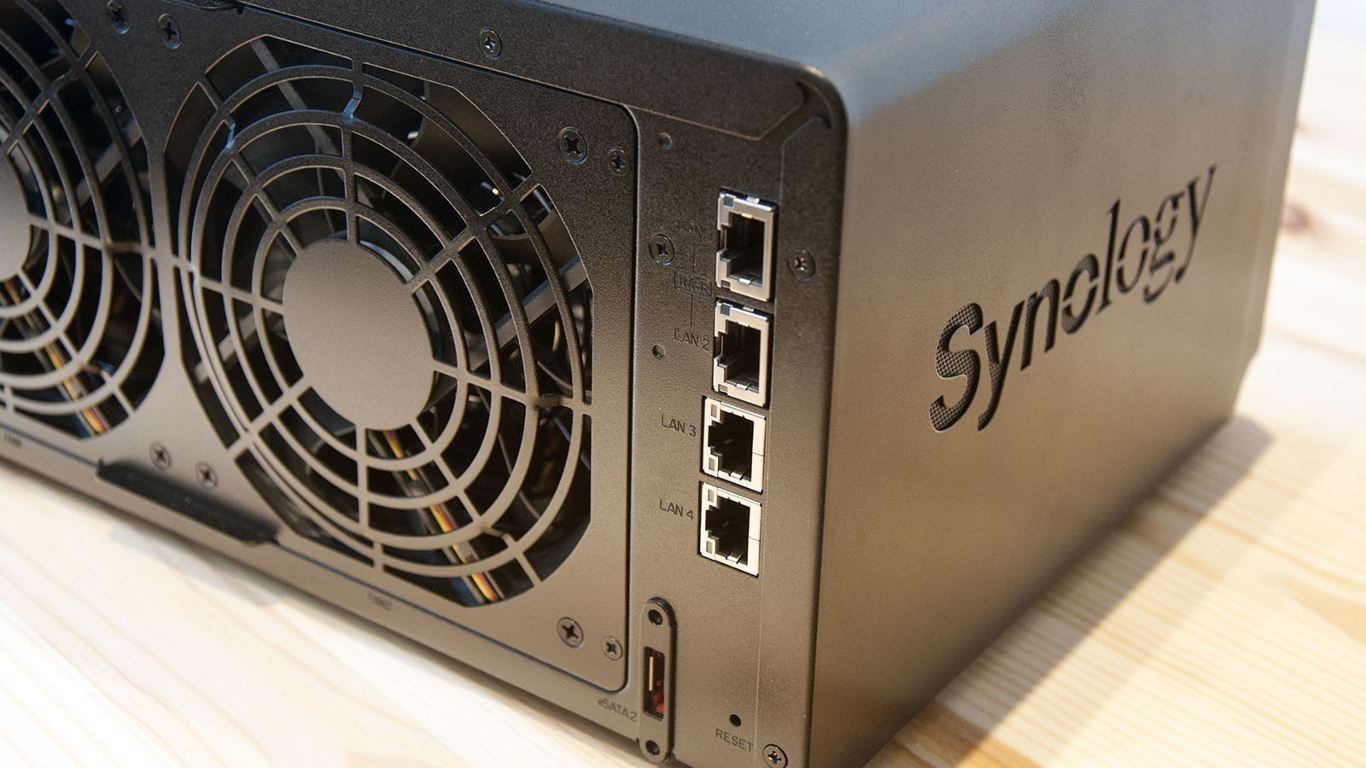
Synology
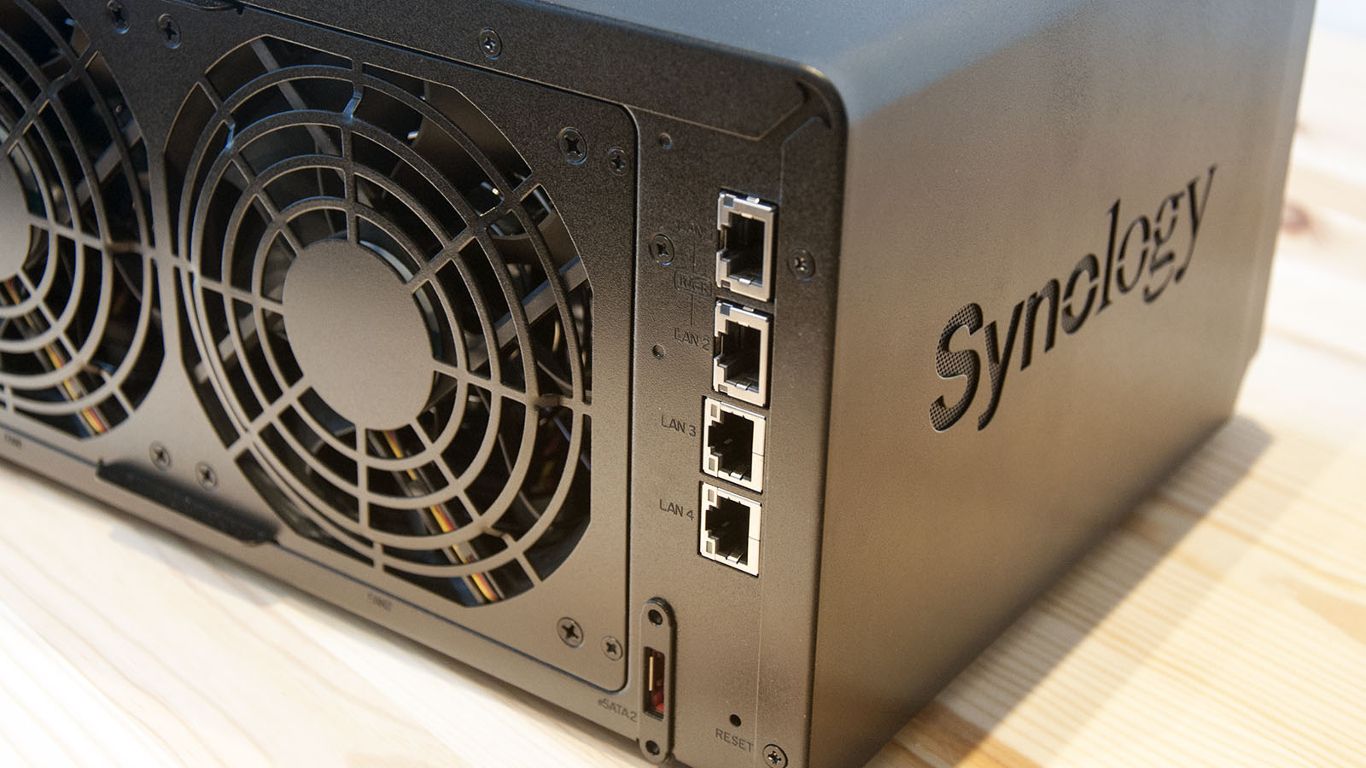
Synology has been proactive in its communication, issuing a clear security advisory. The company confirmed that PHP versions 7.3 through 8.4 are affected. Crucially, Synology clarified that while its built-in PHP environment is generally not exposed to the public internet, users must still take action. The company has released updated PHP packages for "Mail Station" and "Synology Calendar." Owners are urged to visit the Package Center, check for updates, and specifically look for the latest iterations of PHP 8.2 and 8.4.
QNAP
QNAP faces a more complex challenge, confirming that a wide range of its software ecosystem is impacted, including QTS 5.2.11 and older, QTS 6.1.9, QuTS hero, QuTScloud, and the "Note Station 3" application. As of the latest update, QNAP is still in the development phase for several patches. They have not provided a definitive timeline for completion, which has prompted the company to recommend aggressive manual mitigation: removing devices from public-facing internet access, disabling UPnP, and turning off remote access services until a patch is applied.
The Broader Market: TerraMaster, Ugreen, and Asustor
Smaller or specialized manufacturers, including TerraMaster, Ugreen, and Asustor, are also currently scrambling to address the flaws. In many of these cases, the burden of security has shifted to the end-user. If a manufacturer has not yet pushed an automated update, users are left with no choice but to isolate their devices from the network perimeter.
Strategic Implications: How to Protect Your Data
The security community is unanimous: waiting for a manufacturer’s patch is no longer a viable strategy if the device is exposed to the internet. To mitigate the risk of PHP2Shell, administrators and home users must adopt a "zero-trust" posture.
1. Immediate Network Isolation
The most effective defense against PHP2Shell is to disconnect the NAS from the public internet. If you have enabled "port forwarding" on your router to allow remote access to your files, you should disable it immediately. NAS devices are frequent targets for automated scanning tools that look for open management ports.
2. Move to Secure Tunnels
If remote access is a business requirement, it should never be achieved by opening ports on a router. Instead, utilize a secure Virtual Private Network (VPN). By using a VPN, the NAS remains invisible to the public internet, accessible only to authenticated users who have established a secure, encrypted tunnel into the local network.
3. Container Management
For those running Docker containers, the task is more manual. You must audit your container registry and ensure that any image utilizing PHP is updated to the latest secure version. If a containerized service cannot be updated, it should be stopped and disabled until a patched image becomes available.
4. End-of-Life (EOL) Hazards
One of the most dangerous aspects of this incident involves legacy hardware. Devices that have reached their "end-of-life" status will likely never receive a patch for PHP2Shell. These devices are essentially "sitting ducks." If you are running an older NAS that no longer receives security updates from the manufacturer, it is time to retire the device or strictly air-gap it from the internet.
The Path Forward
PHP2Shell serves as a stark reminder of the fragility of the modern digital ecosystem. The reliance on common libraries like PHP means that a single vulnerability can have cascading effects across industries, from web hosting giants to the home office.
As the cybersecurity community continues to analyze the exploitability of these flaws, the narrative is shifting from "if" to "when." The initial failure of many devices to succumb to remote exploitation is likely a matter of technical friction, not inherent security. As exploit developers iterate on their methods, the window for defense is closing.
Manufacturers have a responsibility to accelerate their patching cycles, but the final line of defense remains with the user. In an era of persistent threats, the days of "set it and forget it" for NAS devices are officially over. Regular audits of network exposure, prompt application of security updates, and a conservative approach to exposing services to the internet are now the baseline requirements for digital hygiene.
For businesses, the lesson is clear: your storage strategy must now include a robust cybersecurity lifecycle. If your data is worth storing, it is worth protecting with the same level of scrutiny applied to your primary servers and cloud infrastructure. The PHP2Shell crisis is a warning—one that requires immediate, decisive action to ensure that your data does not become the next victim of this widespread vulnerability.