In an era where medical information is as accessible as it is complex, the ability to discern fact from fabrication has become a critical skill for patients, clinicians, and researchers alike. The 56th episode of Health Wrap by The Hindu—hosted by Health Editor Ramya Kannan and Senior Assistant Editor Zubeda Hamid—serves as a vital diagnostic tool for the modern healthcare landscape. By dissecting the nuances of early-onset Alzheimer’s, the integrity of oncological research, and the precarious access to life-saving orphan drugs, the episode underscores a singular, pressing theme: the imperative of transparency and rigorous scientific oversight.
The Silent Thief: Decoding Early-Onset Alzheimer’s Disease
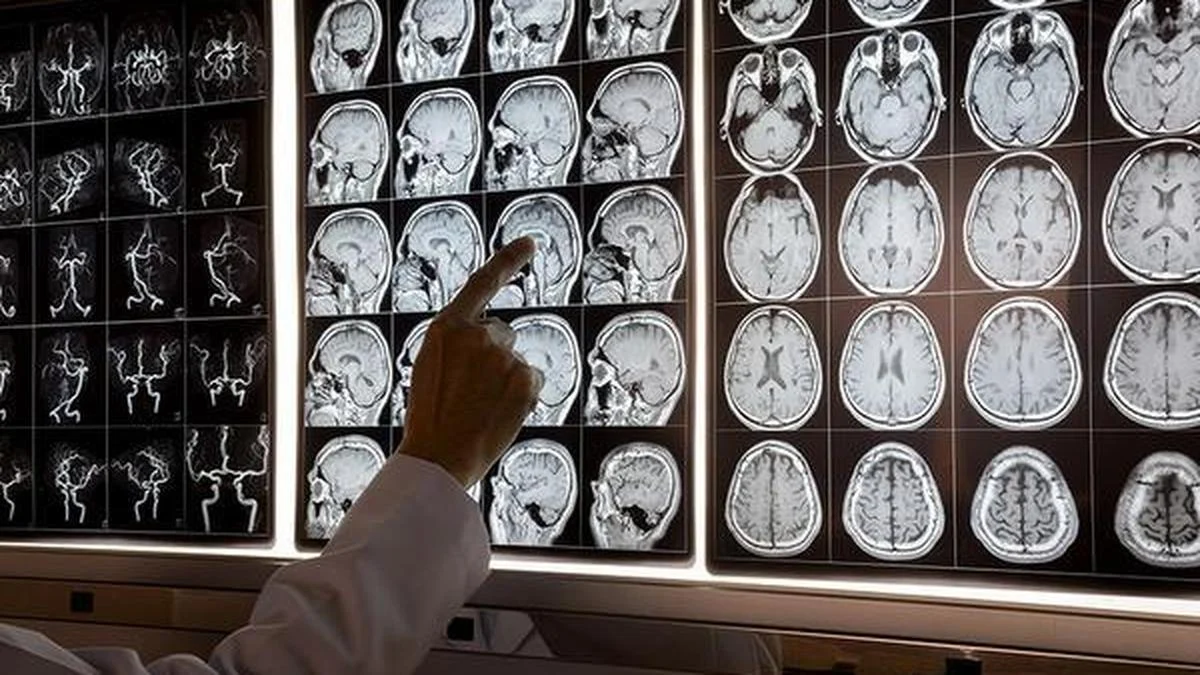
The discourse opens with a poignant examination of early-onset Alzheimer’s disease, a condition that defies the common perception of dementia as an inevitable companion of advanced age. Unlike the late-onset form that typically manifests in individuals over 65, early-onset Alzheimer’s can strike people in their 40s or 50s, often during their peak professional and parental years.
Clinical Presentation and Diagnostic Hurdles
The symptoms in younger patients are frequently dismissed or misattributed to stress, burnout, or mid-life transitions. The episode highlights that the clinical presentation in younger cohorts often involves subtle shifts in executive function—the ability to plan, organize, and execute complex tasks—rather than just memory loss. Behavioral changes, emotional volatility, and diminished productivity in the workplace are often the earliest markers.
The diagnostic journey for these patients is fraught with ambiguity. Because the disease is rarer in this age demographic, physicians may overlook neurodegenerative indicators, leading to delayed interventions. The hosts emphasize that recognizing these symptoms requires a high index of suspicion and a departure from age-biased diagnostic protocols.
The Integrity Crisis: Research Paper Mills and Oncological Science
Perhaps the most alarming segment of the discussion centers on the integrity of the scientific literature, specifically regarding "paper mills." These are sophisticated, profit-driven enterprises that manufacture and sell fraudulent research manuscripts. These entities provide fabricated data, doctored images, and synthetic peer reviews to researchers desperate to pad their publication records.
The Ripple Effect of Fabricated Science
When such articles infiltrate medical journals, the consequences are catastrophic. The episode explains that oncological research—a field where precision is literally a matter of life and death—is particularly vulnerable. If treatment protocols or drug efficacy claims are based on "paper mill" data, the entire evidentiary pyramid of evidence-based medicine begins to crumble.
The hosts provide a nuanced caveat: the flagging of an article for potential links to a paper mill is not an automatic declaration of guilt. It is, however, a flashing red light that mandates rigorous institutional investigation. The scientific community is currently struggling with the "whack-a-mole" nature of this problem; as journals retract papers, new ones appear, undermining trust in the academic publishing ecosystem. This segment serves as a clarion call for stricter editorial standards and the implementation of advanced forensic tools to verify the authenticity of research data before publication.
The Spinal Muscular Atrophy (SMA) Crisis in Kerala
The episode shifts from global research ethics to the localized, human-centric struggle of families in Kerala navigating the treatment landscape for Spinal Muscular Atrophy (SMA). SMA is a rare genetic condition that progressively weakens muscles, and for children, time is a luxury they cannot afford.
The Conflict Over Generic Alternatives
Families have raised significant alarms regarding the quality and safety of generic versions of SMA medications being introduced into the market. While generics are generally lauded for driving down costs and increasing access, the complexities of manufacturing specialized orphan drugs for rare diseases are immense.

The discussion highlights the tension between two critical needs: the urgent necessity of affordable, accessible treatment and the non-negotiable requirement for regulatory oversight. When parents are forced to choose between a costly, established drug and a potentially unverified generic, the system has failed to provide them with the reliable, transparent information needed to make life-saving decisions. This segment underscores the necessity for state-led drug safety monitoring and the need for robust support systems for families battling rare diseases.
Chronology of a Medical Milestone: The Auguste Deter Case
To ground the modern discussion on Alzheimer’s, the episode revisits the historical origins of the disease through the lens of Auguste Deter, the first patient to be formally diagnosed with the condition.
- 1901: German psychiatrist Alois Alzheimer meets Auguste Deter, a 51-year-old woman at the Frankfurt Asylum. He notes her disorientation, memory lapses, and paranoia—symptoms that did not fit the profile of psychiatric disorders typically seen at the time.
- 1906: Following Deter’s death, Alzheimer conducts a post-mortem examination. Using newly developed staining techniques, he observes "miliary foci" (senile plaques) and neurofibrillary tangles in her brain tissue.
- 1907: Alzheimer publishes his findings, describing a "peculiar disease of the cerebral cortex." This clinical observation laid the foundation for the medical classification of Alzheimer’s disease.
The episode utilizes the Deter case to highlight the enduring importance of clinical observation. Even with modern neuroimaging and biomarkers, the ability of a clinician to observe, document, and listen to a patient’s unique narrative remains the bedrock of medical progress.
Supporting Data and Systematic Challenges
The analysis presented in Health Wrap 56 points to three overarching systemic challenges that define contemporary medicine:
- The Information Asymmetry: Patients and families are often navigating complex medical conditions without access to unbiased, verified information. This vacuum is often filled by either alarmist misinformation or, conversely, overly optimistic marketing by pharmaceutical entities.
- Regulatory Lags: In the case of both research integrity and the pharmaceutical supply chain, regulatory bodies are struggling to keep pace with the speed of digital transformation and the rapid globalization of the medical marketplace.
- The Cost of Care: The discussion surrounding SMA medication brings to the fore the persistent issue of "medical poverty," where the astronomical cost of treatment for rare diseases pushes families into financial ruin, forcing them to turn to less regulated alternatives.
Implications: A Call for Evidence-Based Advocacy
The implications of the issues raised in this episode are profound. For the medical community, the primary takeaway is the need for a "culture of verification." As digital platforms make it easier to disseminate findings, they also make it easier to disguise fraud. Peer review processes must evolve to include rigorous data auditing and image forensics.
For patients and families, the message is one of empowered skepticism. In an era where "Dr. Google" is a constant companion, the ability to evaluate the source of medical evidence—distinguishing between a legitimate clinical trial and a predatory publication—is vital.
Conclusion: Strengthening the Healthcare Ecosystem
The 56th episode of Health Wrap does more than just report on medical news; it provides a framework for critical thinking. Whether it is the tragedy of early-onset Alzheimer’s, the systemic rot of research paper mills, or the heartbreaking struggle for SMA treatment, the common thread is the need for institutional transparency.
As the medical field continues to innovate, the human element—the patient’s safety, the doctor’s integrity, and the family’s access to reliable data—must remain the central priority. By fostering a more transparent, ethically rigorous, and accessible healthcare environment, we can ensure that medical progress serves the interests of humanity rather than the interests of profit or deception.
For those interested in the full breadth of this discussion, the episode is available for viewing on The Hindu’s health portal, providing a valuable resource for anyone seeking to navigate the complex, often turbulent waters of modern medicine.