Hair health is often perceived as a cosmetic concern, but from a biological standpoint, it is a complex physiological process influenced by a symphony of factors—genetics, hormonal fluctuations, chronological aging, stress levels, and systemic health. While social media trends often tout "miracle" supplements or rapid-growth serums, the foundation of resilient, healthy hair is built from the inside out through consistent, high-quality nutrition.
To produce keratin—the structural protein that constitutes the hair shaft—the body requires a steady supply of specific amino acids, vitamins, and minerals. A deficiency in these micronutrients can manifest as thinning, brittleness, or even accelerated hair loss. Integrating nutrient-dense seeds into your daily regimen is a simple, effective, and evidence-based strategy to bridge these nutritional gaps.
The Biochemical Foundation of Hair Growth
Research indicates that hair follicles are among the most metabolically active tissues in the human body. Because they are constantly dividing to push hair through the scalp, they demand a significant amount of energy and raw materials. Key nutrients required for this process include high-quality proteins, iron, zinc, essential fatty acids, and various B-complex vitamins.
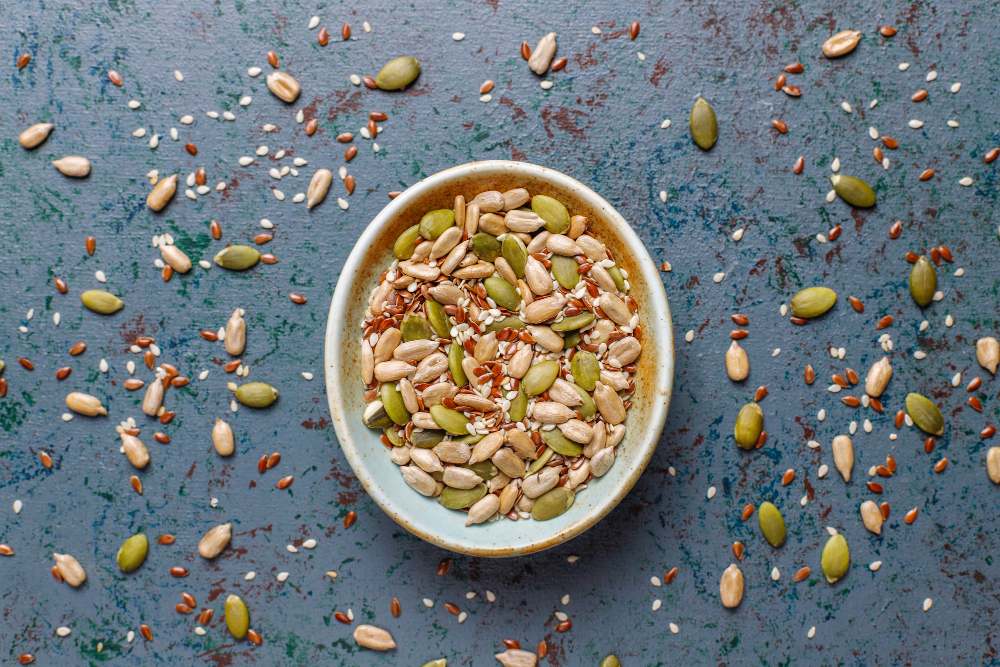
Clinical studies have consistently demonstrated that imbalances or deficiencies in iron and zinc are strongly correlated with various forms of alopecia (hair loss). While seeds are not a panacea for all hair-related conditions, they act as an efficient "delivery system" for these critical elements.
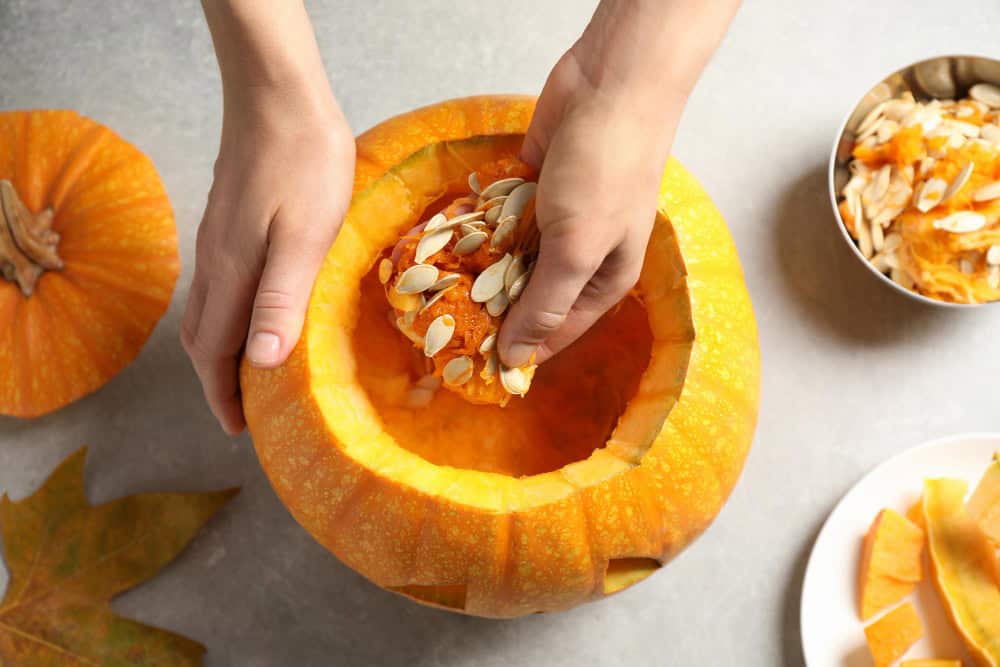
1. Pumpkin Seeds: The Zinc Powerhouse
Pumpkin seeds are arguably the most nutrient-dense inclusion for those focusing on scalp health. They are highly concentrated in zinc, a mineral essential for DNA and protein synthesis—the very mechanisms that drive follicular cell division.
- Supporting Data: Clinical reviews have established a clear link between low serum zinc levels and telogen effluvium (a form of temporary hair shedding). Beyond zinc, these seeds provide magnesium and essential fatty acids.
- Nutritional Implication: By supporting healthy cell turnover, the minerals in pumpkin seeds create an environment conducive to natural growth cycles.
- Dietary Integration: To retain their nutritional integrity, consume them roasted and unsalted. They serve as an excellent, crunch-filled topping for salads, Greek yogurt, or morning oatmeal.
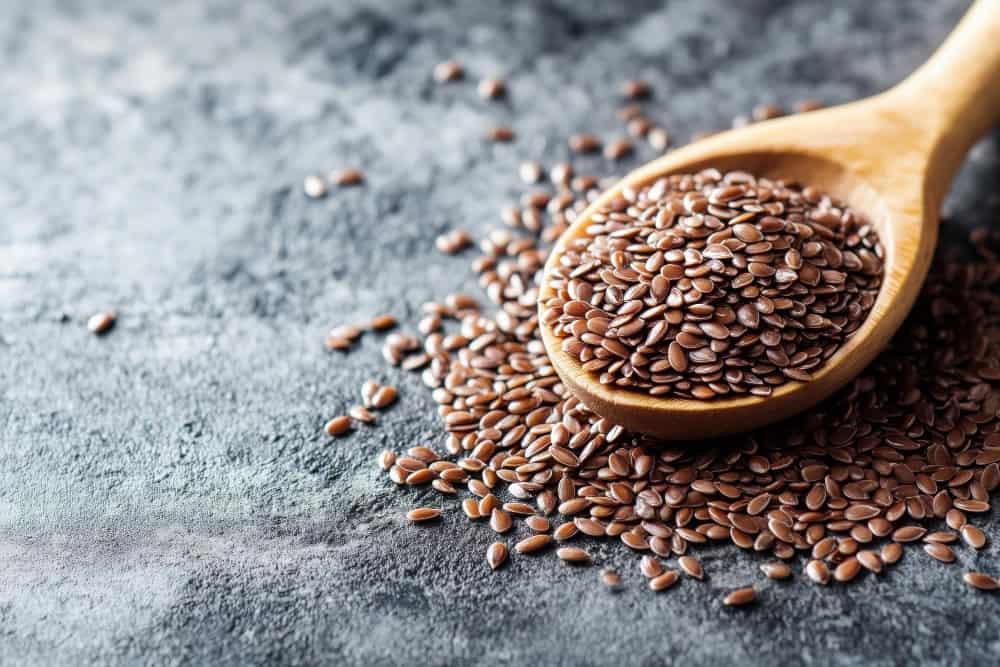
2. Flaxseeds: The Omega-3 ALA Source
Flaxseeds are widely recognized as a premium plant-based source of alpha-linolenic acid (ALA), a type of omega-3 fatty acid. Unlike the omega-3s found in oily fish (EPA and DHA), ALA is plant-derived. While the body’s conversion rate of ALA to the more "active" EPA and DHA is modest, these fatty acids remain crucial for maintaining the integrity of cell membranes across the body, including the scalp.
- Supporting Data: Omega-3s are linked to systemic anti-inflammatory effects. Chronic inflammation can disrupt the hair growth cycle; therefore, consistent intake of healthy fats may support scalp longevity.
- Nutritional Implication: Flaxseeds also contain lignans, which act as antioxidants. These compounds help combat oxidative stress—a known contributor to premature hair graying and thinning.
- Dietary Integration: The outer shell of the flaxseed is tough; to ensure proper nutrient absorption, always consume them ground. Add them to smoothies or use them as a binder in baking.
3. Chia Seeds: Fiber and Mineral Density
Chia seeds are frequently cited for their high content of fiber, protein, calcium, phosphorus, and magnesium. While they do not "trigger" hair growth directly, they provide the essential building blocks required for healthy hair maintenance.
- Chronology of Nutrition: Historically used as an endurance food by ancient civilizations, modern nutritionists now value them for their ability to provide sustained energy.
- Nutritional Implication: Their high mineral content supports overall scalp health, which is the "soil" from which hair grows.
- Dietary Integration: Chia seeds are unique because they absorb liquid, forming a gel. This makes them perfect for "overnight oats" or as a natural thickener in homemade puddings.
4. Sunflower Seeds: The Vitamin E Shield
Vitamin E is a potent antioxidant, and sunflower seeds are one of the best dietary sources available. Oxidative stress can damage the hair follicle, potentially leading to weakened hair shafts. By neutralizing free radicals, Vitamin E helps maintain a healthy scalp environment.
- Supporting Data: The interplay between antioxidants and hair density is a growing field of study. While antioxidants cannot reverse genetic hair loss, they are essential for maintaining the vitality of the hair that is currently growing.
- Nutritional Implication: Beyond Vitamin E, sunflower seeds provide magnesium and unsaturated fats, contributing to the "healthy fat" quota required for natural sebum production, which keeps hair hydrated.
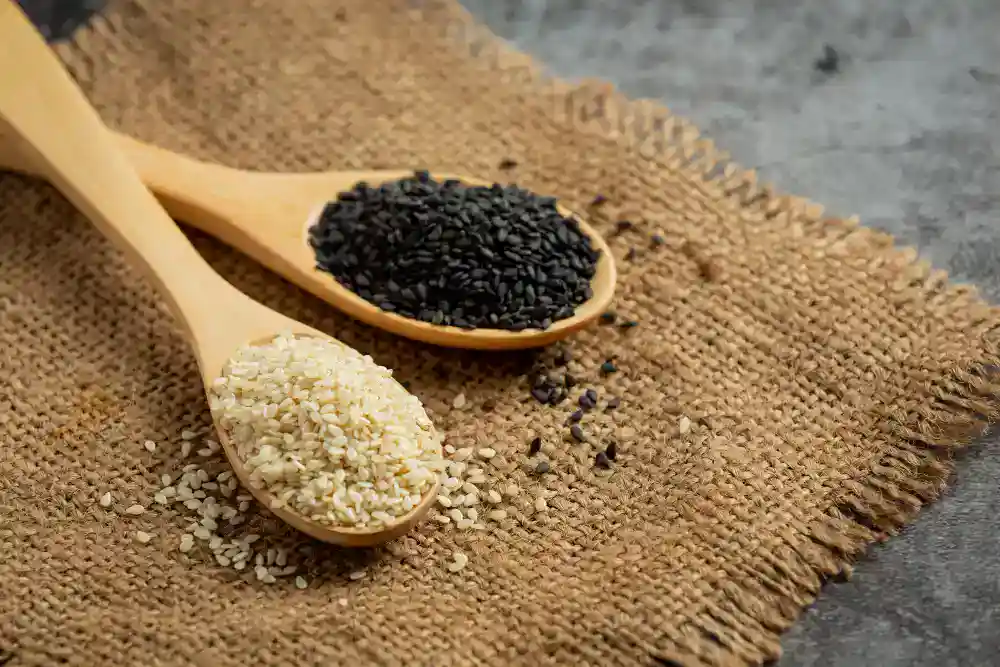
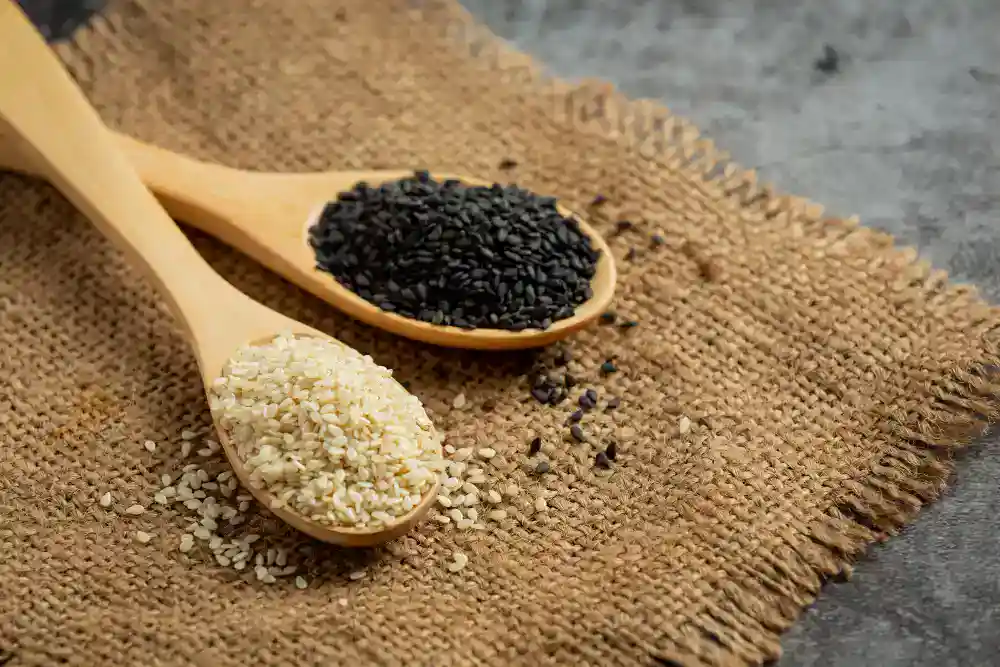
5. Sesame Seeds: The Iron Connection
Iron deficiency is one of the most common nutritional causes of hair shedding, particularly in women. Sesame seeds are a significant plant-based source of iron, along with calcium and bioactive lignans.
- Supporting Data: Recent clinical assessments have confirmed that patients with telogen effluvium frequently exhibit lower-than-average ferritin levels (the protein that stores iron).
- Nutritional Implication: While sesame seeds cannot cure a clinical iron deficiency—which requires medical intervention—they are an excellent supplementary source for those looking to optimize their daily intake.
- Dietary Integration: Use them in stir-fries, incorporate them into homemade bread, or use sesame paste (tahini) in salad dressings.
6. Hemp Seeds: The Complete Protein
Hair is essentially 90% keratin, a fibrous protein. A diet lacking sufficient protein can lead to a shift in the hair growth cycle, causing hair to enter the "resting" phase prematurely. Hemp seeds are a "complete" protein, meaning they contain all nine essential amino acids that the body cannot produce on its own.
- Nutritional Implication: For vegetarians and vegans, hemp seeds are a superior way to ensure the body has enough raw protein to synthesize keratin.
- Dietary Integration: Their mild, nutty flavor makes them easy to sprinkle on virtually anything, from soups to yogurt, without significantly altering the taste of your meal.
How to Integrate Seeds into a Daily Routine
You do not need to consume massive quantities of all six seeds daily. The key to long-term success is variety and consistency.
Suggested Daily Rotation:
- Breakfast: Add 1 tablespoon of ground flaxseeds to your morning smoothie or oatmeal.
- Lunch: Use a tablespoon of sunflower or pumpkin seeds as a topping for your salad to add texture and minerals.
- Snack: Incorporate a small serving of chia-infused yogurt or pudding.
- Dinner: Sprinkle hemp or sesame seeds over your stir-fried vegetables or grains.
Note on Moderation: While seeds are nutrient-dense, they are also calorie-dense. Balance is essential. Furthermore, prioritize unsalted, raw, or lightly roasted versions to avoid unnecessary sodium or the degradation of healthy fats through excessive heat.
The Bottom Line: Moving Beyond "Miracle Foods"
It is imperative to maintain a realistic perspective. No single food will instantly reverse hair loss. Healthy hair is a result of a multifaceted lifestyle that includes proper sleep, stress management, balanced nutrition, and, when necessary, professional medical consultation.
If you notice sudden, patchy, or excessive hair loss, do not rely solely on dietary changes. These symptoms warrant a visit to a dermatologist to rule out underlying medical conditions, such as hormonal imbalances or autoimmune issues.
Frequently Asked Questions
Q: What is the single best seed for hair growth?
A: There is no "best" seed, as they offer different, complementary nutrients. A rotation of all six mentioned is more beneficial than relying on one alone.
Q: Can pumpkin seeds cure hair loss?
A: No. Pumpkin seeds provide zinc and protein, which are necessary for hair, but they are not a medical treatment for clinical alopecia.
Q: Does eating seeds replace hair supplements?
A: Generally, no. While seeds are excellent for preventative health, clinical deficiencies identified by blood tests often require specific, high-dose medical supplements prescribed by a healthcare provider.
Q: When should I see a doctor for my hair?
A: Seek professional medical advice if you experience sudden shedding, visible scalp changes, or if hair loss is accompanied by other systemic symptoms like fatigue or unexplained weight changes.
References
- Almohanna HM, et al. "The role of vitamins and minerals in hair loss: A review." Dermatol Ther (Heidelb), 2019.
- Alasalvar C, et al. "Specialty seeds: Nutrients, bioactives, bioavailability, and health benefits." Compr Rev Food Sci Food Saf, 2021.
- Raza N, et al. "Nutritional and health potential of edible seeds." Food Sci Nutr, 2026.
- Ahmed A, et al. "Association between serum trace elements and telogen effluvium." Skin Appendage Disord, 2026.
- Zhou L, et al. "Effects of dietary supplements on androgenetic alopecia." Front Nutr, 2025.
- Thamotharan N, et al. "Assessment of serum ferritin levels in female patients with telogen effluvium." Cureus, 2025.
- Guo EL, Katta R. "Diet and hair loss: effects of nutrient deficiency and supplement use." Dermatol Pract Concept, 2017.
(This article was written by Deepa Sarkar, Senior Medical Writer, and reviewed by Monalisa Deka, Deputy Manager, Clinical Health & Content, Medical Affairs.)