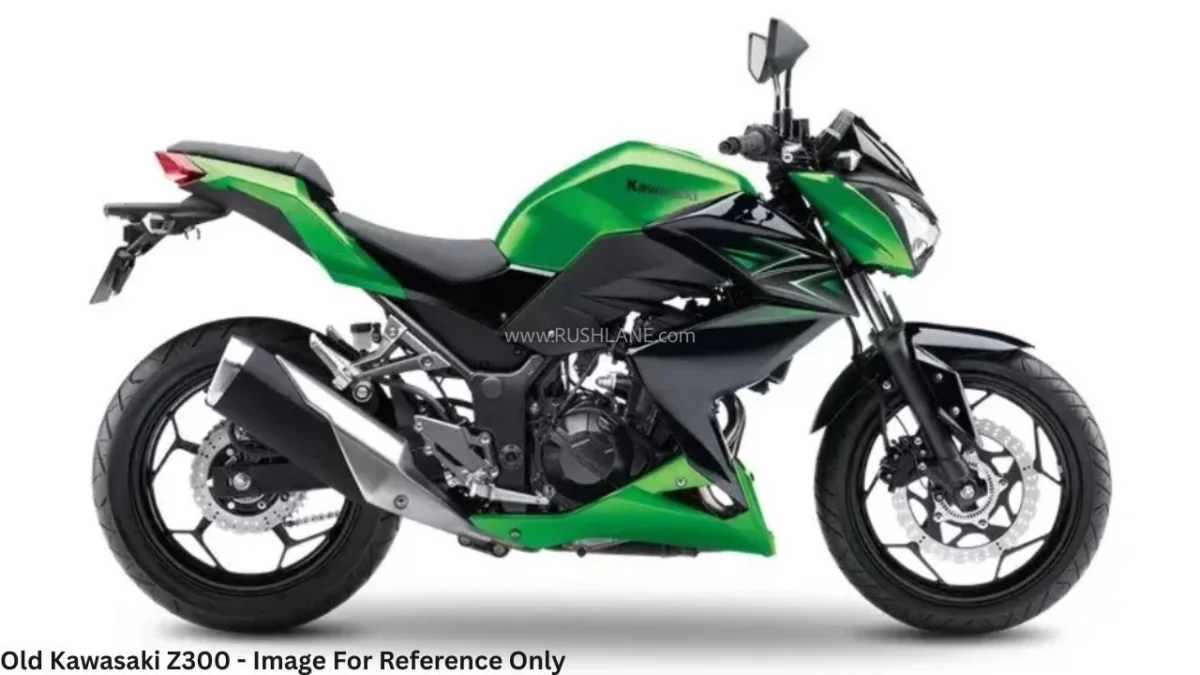
Kawasaki India is poised to significantly shift the landscape of the entry-level multi-cylinder motorcycle segment. With the impending arrival of the Kawasaki Z300, the manufacturer is set to complement its long-standing, successful Ninja 300 platform with a "Z" series streetfighter. Recently, select dealers were given an exclusive, behind-closed-doors preview of the motorcycle in Bengaluru, signaling that the retail rollout is imminent.
As the most accessible multi-cylinder "Z" model in Kawasaki’s global stable, the Z300 aims to bridge the gap between lightweight commuter bikes and the high-performance middleweight category, specifically targeting the urban enthusiast who prioritizes ergonomics and aggressive styling over track-focused fairings.
Main Facts: The Anatomy of the Upcoming Z300
The Kawasaki Z300 is essentially the naked sibling of the Ninja 300, a motorcycle that has served as the bedrock of Kawasaki’s Indian operations for years. By stripping away the full-fairing setup and adopting the "Sugomi" design philosophy synonymous with the larger Z900, Kawasaki is aiming to tap into the streetfighter market, which has seen explosive growth in the Indian sub-continent.
Key Technical Specifications
- Engine: 296cc, parallel-twin, liquid-cooled, DOHC, 8-valve engine.
- Performance: Approximately 39 bhp and 26.1 Nm of peak torque.
- Transmission: 6-speed constant mesh gearbox.
- Chassis/Platform: Derived from the Ninja 300 steel tube frame.
- Ergonomics: Upright, single-piece handlebar designed for comfort and city maneuverability.
- Tech Suite: Expected to feature a modern TFT instrument cluster with smartphone connectivity—a notable upgrade over the analog-digital hybrid unit found in the current Ninja 300.
- Safety: Dual-channel ABS as standard, with anticipated additions like traction control and an optional quickshifter to remain competitive with modern rivals.
Chronology: The Road to the Launch
The development and reveal of the Z300 have been carefully orchestrated to maximize market impact ahead of the festive season in India.
- Mid-2026 (Preliminary Planning): Kawasaki India begins gauging dealer feedback regarding the demand for a naked 300cc variant.
- July 2026: Kawasaki refreshes the Ninja 300 platform for the 2027 model year, providing the technical foundation for the Z300.
- October 2026 (Private Reveal): The motorcycle is unveiled to a select group of authorized dealers in Bengaluru. While the event was strictly guarded—with no official leaks of imagery or video surfacing—the positive reception from dealers confirmed that the product is production-ready.
- October 19, 2026: The commencement of official bookings for the motorcycle.
- October 20, 2026: The formal market launch and price announcement.
This accelerated timeline reflects Kawasaki’s desire to capitalize on the year-end purchase momentum, positioning the Z300 as a premium alternative to single-cylinder performance bikes currently dominating the sub-400cc market.
Supporting Data: Positioning in the Competitive Arena
The Indian motorcycle market is currently experiencing a "multi-cylinder renaissance." While the 300cc-400cc segment has been dominated by single-cylinder engines from brands like KTM and TVS, Kawasaki’s decision to stick with a parallel-twin configuration offers a distinct value proposition: refinement.
Competitive Matrix
| Motorcycle | Engine Configuration | Target Audience |
|---|---|---|
| Kawasaki Z300 | Parallel-Twin | Refinement/Brand Loyalty |
| KTM 390 Duke | Single-Cylinder | Performance/Aggression |
| TVS Apache RTR 310 | Single-Cylinder | Tech-focused/Feature-rich |
| Aprilia Tuono 457 | Parallel-Twin | Premium Performance |
The Z300 enters a challenging environment. The KTM 390 Duke offers class-leading power-to-weight ratios, and the TVS Apache RTR 310 provides a suite of electronic aids that are difficult to ignore. However, Kawasaki’s trump card is the engine character. The parallel-twin, known for its high-revving nature and smooth power delivery, appeals to a specific demographic—riders who are upgrading from entry-level bikes and seek a "big bike" feel without the intimidating dimensions of a 650cc+ machine.
Furthermore, with the Ninja 300 retailing at ₹3.34 lakh (ex-showroom), market analysts expect the Z300 to be priced marginally lower, possibly falling in the ₹3.0 lakh to ₹3.2 lakh range. This price point would make it a formidable contender against both single-cylinder flagships and upcoming twin-cylinder offerings.
Official Responses and Strategic Intent
While Kawasaki India maintains a tight-lipped stance regarding the specific hardware details until the October 20th launch, company insiders suggest that the Z300 is part of a broader "Supernaked" strategy.

The Z900 has long been the "halo" product for the naked segment in India, enjoying a cult-like following due to its raw power and distinct four-cylinder exhaust note. By bringing the "Z" moniker down to the 300cc level, Kawasaki is attempting a "trickle-down" branding strategy. The goal is to cultivate brand loyalty at an earlier stage, allowing younger riders to enter the Kawasaki ecosystem with the Z300 and eventually graduate to the Z650 or Z900.
"We are listening to the market," a source close to the development team stated. "The Indian customer is becoming increasingly discerning. They want the reliability of our parallel-twin engine, but they also want the convenience and aggressive posture of a streetfighter for their daily commute."
Implications: Changing the Entry-Level Dynamics
The introduction of the Z300 has several significant implications for the Indian two-wheeler industry.
1. The Death of the "Fairing-Only" Stigma
For years, the Ninja 300 was the only multi-cylinder option for those who wanted a sportbike look. The Z300 shatters this, proving that riders are now just as interested in the "street-naked" aesthetic. If successful, this could force other manufacturers to re-evaluate their portfolios, potentially leading to a wave of naked-twin motorcycles in the sub-400cc class.
2. Technology Benchmarking
The inclusion of a TFT display and potential connectivity features is a direct response to the "feature war" currently being waged by TVS and KTM. If Kawasaki includes traction control—a feature largely absent in this price bracket for twins—it will raise the safety benchmark for the entire industry.
3. Service and Parts Ecosystem
The Z300 will share the vast majority of its mechanical components with the Ninja 300. This is a massive advantage for consumers, as the spare parts ecosystem is already well-established. Dealers are unlikely to face supply chain issues, and service costs are expected to remain predictable, which is a major factor for buyers in the premium entry-level segment.
4. Market Cannibalization vs. Expansion
There is a valid concern regarding whether the Z300 will cannibalize sales from the Ninja 300. However, industry experts suggest that the two bikes serve distinct psychological needs. The Ninja 300 appeals to the "sport-touring" enthusiast, while the Z300 caters to the "urban brawler." By offering both, Kawasaki is essentially widening its net, ensuring that they don’t lose a customer to a competitor just because the customer didn’t want a full fairing.
Conclusion: A Calculated Gamble
The Kawasaki Z300 is more than just a new model; it is a strategic repositioning of Kawasaki India. By leveraging the proven reliability of the 296cc parallel-twin and wrapping it in a modern, aggressive, and ergonomically friendly package, Kawasaki is betting that the Indian market is ready for a more refined, multi-cylinder streetfighter experience.
As the industry looks toward October 20th, all eyes will be on the price tag and the final feature list. If Kawasaki gets the pricing right, the Z300 has the potential to redefine the entry-level premium segment, offering a sophisticated alternative to the single-cylinder powerhouses that have held sway for too long. For the Indian motorcycling enthusiast, the arrival of the Z300 is not just another launch—it is a long-awaited opportunity to experience the "Z" spirit in an accessible, everyday format.