Weight loss is often reduced to a simple equation of "calories in versus calories out." However, for women, the biological reality is significantly more complex. Hormonal fluctuations, metabolic shifts, and nutritional requirements make weight management a unique journey that requires a nuanced, science-backed approach. This article explores the physiological foundations of weight loss, evaluates popular dietary frameworks, and provides a roadmap for achieving long-term health.
The Physiological Landscape of Weight Loss in Women
For many women, the struggle to lose weight is not a reflection of willpower but a reflection of their endocrine system. Hormones such as estrogen, progesterone, insulin, and cortisol play pivotal roles in how the body stores fat and manages energy.
The Impact of Metabolism
As women age, hormonal changes—particularly during perimenopause and menopause—can lead to a decrease in lean muscle mass and a subsequent slowing of the basal metabolic rate (BMR). Because muscle tissue is metabolically active, even minor losses can make weight maintenance more challenging. Consequently, a nutritional strategy that prioritizes protein intake and strength-based movement is essential to counteract these metabolic shifts.
The Role of Insulin Sensitivity
Insulin resistance is a common barrier to weight loss. When cells become resistant to insulin, the body struggles to process carbohydrates, leading to increased fat storage, particularly in the abdominal region. Adopting a diet that focuses on glycemic control—prioritizing complex carbohydrates, fiber, and healthy fats—can significantly improve insulin sensitivity and facilitate fat oxidation.
Chronology of Effective Nutritional Strategies
The approach to weight loss has evolved significantly over the last several decades, moving away from restrictive "fad" diets toward sustainable lifestyle modifications.
- 1960s-1980s (The Era of Calorie Counting): Early weight loss programs focused almost exclusively on energy restriction. While effective for short-term weight loss, these methods often failed to address the underlying nutritional deficiencies, leading to "yo-yo" dieting.
- 1990s-2010s (The Rise of Macro-focus): Researchers began to emphasize the importance of macronutrient composition (proteins, fats, and carbohydrates). The recognition that high-protein diets improve satiety and preserve muscle mass became a cornerstone of modern nutrition.
- 2020 to Present (Holistic and Personalized Nutrition): Modern science now favors a "whole-food, plant-forward" approach, often integrated with behavioral psychology (like the Noom model) and metabolic monitoring (like the DASH diet), acknowledging that long-term success requires addressing both the plate and the mind.
Popular Dietary Frameworks: A Comparative Analysis
1. The DASH Diet (Dietary Approaches to Stop Hypertension)
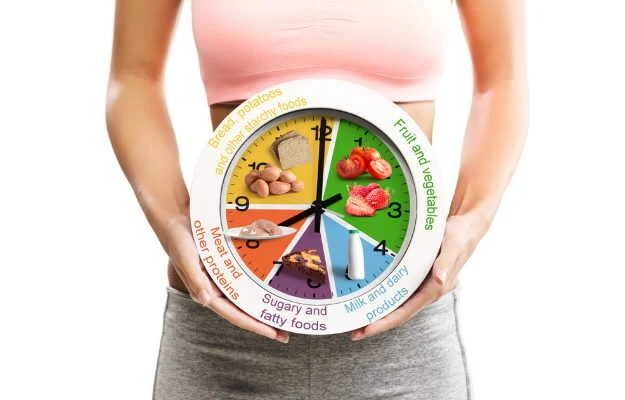
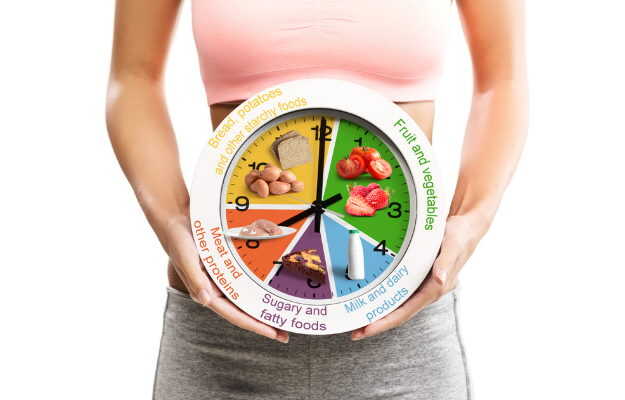
Originally designed to lower blood pressure, the DASH diet has become a gold standard for sustainable weight loss. It emphasizes fruits, vegetables, whole grains, lean proteins, and low-fat dairy while limiting saturated fats and added sugars.
- Why it works for women: It is nutrient-dense, fiber-rich, and heart-healthy, making it excellent for women concerned with both weight management and long-term cardiovascular health.
2. Plant-Based Nutrition
A plant-based diet focuses on legumes, nuts, seeds, whole grains, and fresh produce. Research indicates that plant-based diets can reduce inflammation and improve gut health, which are crucial for effective metabolism.
- Key Advantage: The high fiber content keeps individuals fuller for longer, reducing the urge to snack on processed foods.
3. The Behavioral Approach (Noom)
Noom differentiates itself by focusing on the psychology of eating. By using a traffic-light system to categorize foods (green, yellow, and red) and providing daily coaching, it encourages users to build habits rather than follow a rigid meal plan.
- Data-Backed Success: Studies have shown that behavioral interventions like Noom lead to more consistent long-term results compared to diets that lack a psychological component.
Supporting Data: Why "Quick Fixes" Fail
The weight loss industry is saturated with promises of rapid results. However, longitudinal data suggests that rapid weight loss is frequently followed by weight regain.
- The Muscle Paradox: When a diet is too low in calories, the body begins to break down muscle tissue for energy. Once the diet ends, the individual has less muscle mass and a lower BMR, making it easier to regain weight.
- The Cortisol Response: High-stress, low-calorie diets spike cortisol levels. Elevated cortisol is linked to increased cravings for high-sugar, high-fat foods, effectively sabotaging the individual’s efforts.
A sustainable deficit should generally be moderate (300–500 calories below maintenance), ensuring that the body has enough fuel to function while still utilizing stored fat.

Official Perspectives and Professional Guidance
Health organizations, including the World Health Organization (WHO) and various national nutritional boards, emphasize that there is no "one-size-fits-all" diet. The most effective diet is the one that an individual can adhere to consistently.
The Importance of Medical Supervision
Before embarking on any significant nutritional change, it is vital to consult with a healthcare provider or a registered dietitian. This is particularly important for women with underlying conditions like PCOS (Polycystic Ovary Syndrome), thyroid disorders, or diabetes. These conditions require medical nutrition therapy (MNT) that goes beyond general weight loss advice.
Implications for Long-Term Health
True weight loss is a byproduct of metabolic health, not the cause of it. When a woman shifts her focus from "losing weight" to "nourishing her body," the physiological results follow.
1. The Power of Protein
Consuming adequate protein (aiming for 1.2 to 1.6 grams per kilogram of body weight) is essential. Protein increases the thermic effect of food (the energy required to digest food) and is the building block of the muscle tissue that keeps the metabolism humming.
2. The Fiber Factor
Fiber is perhaps the most underrated tool in weight loss. It regulates blood sugar, supports healthy digestion, and fosters a diverse microbiome. A diverse gut microbiome is increasingly linked to easier weight management and better immune function.

3. Mindful Eating and Consistency
The psychological aspect of eating cannot be overstated. Eating without distraction, recognizing satiety cues, and planning meals in advance are habits that reduce the reliance on willpower. Consistency over perfection is the primary driver of success.
Conclusion: Crafting Your Path
Weight loss for women is a multi-faceted process that requires patience and a strategic mindset. By moving away from restrictive fads and toward a balanced, nutrient-dense diet—supported by behavioral habits and an understanding of one’s own hormonal profile—women can achieve a healthy weight that is not just a temporary state, but a lasting lifestyle.
Final Recommendations:
- Prioritize Whole Foods: If it comes from the earth, it is likely a good choice.
- Increase Strength Training: Build the muscle that will keep your metabolism active.
- Monitor Sleep and Stress: Without proper rest, the body will fight every attempt at fat loss.
- Seek Professional Support: Whether through a doctor or a nutritionist, personalized data is your greatest asset.
Remember, the goal is not merely to change the number on the scale, but to improve the quality of your life. Sustainable health is built one meal, one workout, and one mindful decision at a time.