Honda Motorcycle and Scooter India (HMSI) has officially signaled a major shift in its premium domestic strategy with the launch of the updated 2026 CB350 range. By introducing a refreshed trio—the classic CB350, the athletic CB350RS, and the heritage-focused CB350C—Honda is looking to fortify its position in the highly competitive 350cc motorcycle segment. With a pricing strategy that keeps eight distinct variants within a tight Rs 9,500 band, the Japanese manufacturer is betting on aesthetic diversity and refined ergonomics to capture the modern-classic enthusiast market.
Main Facts: The 2026 Lineup Overview
The 2026 CB350 series marks a significant refinement of a platform that has become a staple of the BigWing dealership experience. Honda has opted for a "three-pronged" approach to its product strategy, ensuring that customers have a distinct choice based on their riding philosophy:
- The CB350 (Standard): Retains the core DNA of the modern-classic motorcycle. It features a timeless design language, characterized by a rounded fuel tank, circular LED headlamp, and tasteful chrome accents. It is aimed at the purist who appreciates traditional motorcycle aesthetics combined with modern reliability.
- The CB350RS: Positioned as the "sporty" sibling, the RS moves away from pure nostalgia. With fork gaiters, a blacked-out exhaust system, and a more aggressive rear profile, it appeals to a younger demographic looking for a blend of urban agility and roadster styling.
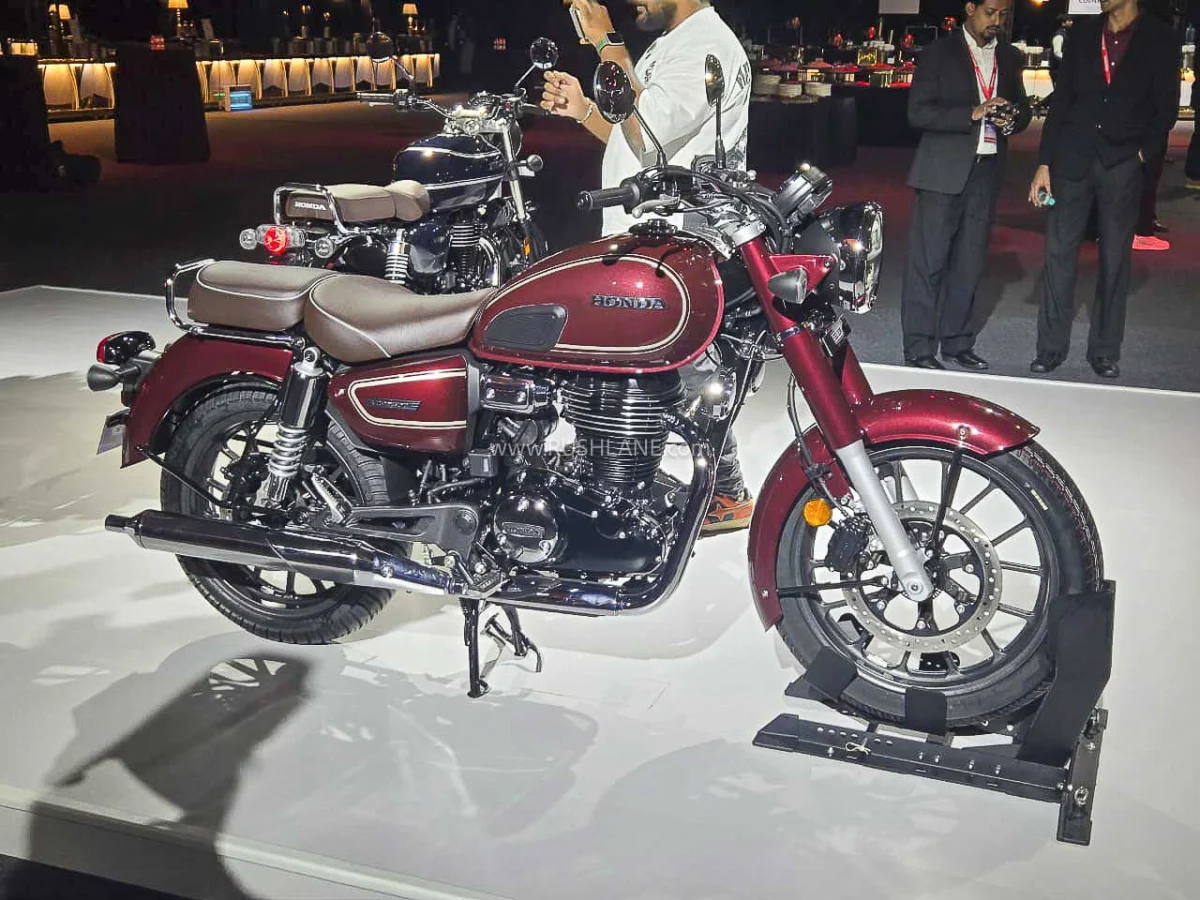
- The CB350C: The latest addition, the "C" (Classic) variant, leans heavily into heritage design. It features distinct elements such as tank knee pads, larger fenders, and split brown seats, offering a silhouette that pays homage to mid-century British-style motorcycles.
All models in the lineup are powered by the well-regarded 348.6cc, air-cooled, single-cylinder engine. This platform remains the bedrock of the series, prized for its tractable power delivery and signature thumping exhaust note.

Chronology: From Concept to Showroom
The road to the 2026 launch began in earnest during the company’s July product showcase, a watershed moment for HMSI. During that event, Honda unveiled a roadmap for ten new "Made in India" two-wheelers, signaling an aggressive push to diversify its premium portfolio.
The strategy was executed in phases. Following the July announcement, August saw the market entry of the ADV160 and the Rebel 300, which served as the initial test of the market’s appetite for expanded premium offerings. The recent arrival of the 501cc CB500—priced at a starting point of Rs 2.75 lakh—further expanded the BigWing umbrella. Now, with the official price list for the CB350 family finally public, six of the ten promised products have successfully transitioned from concept to reality, leaving only the Rebel 500, the XR300L, the XR300 Rally, and the QC3 electric scooter to round out the ambitious launch schedule.
Supporting Data: Pricing and Variant Breakdown
Honda’s pricing strategy for the 2026 range is arguably its most tactical move. By keeping the entire spectrum—from the base CB350 Standard to the range-topping CB350C Special Edition—within a narrow Rs 9,500 gap, Honda is forcing a decision based on personal taste rather than budget constraints.

The CB350 (Classic)
- Standard: Rs 1,95,200
- DLX: Rs 1,97,900
- Chrome: Rs 1,99,900
The CB350RS (Sporty)
- Standard: Rs 1,99,900
- DLX: Rs 2,02,500
The CB350C (Heritage)
- Standard: Rs 2,00,300
- DLX: Rs 2,02,700
- Special Edition: Rs 2,04,700
(All prices are ex-showroom)
This structure effectively creates an overlap, where the top-tier CB350 matches the entry-level CB350RS. This serves to drive footfall into BigWing dealerships, where potential owners can interact with the physical differences in seating, finish, and ergonomics, rather than browsing spec sheets alone.
Technical Specifications and Equipment
While the 2026 update is primarily focused on aesthetic refinement, the underlying engineering remains as robust as ever. Honda has resisted the urge to reinvent the wheel, choosing instead to double down on the reliability of the 348.6cc engine.

Key standard features across the entire 2026 range include:
- Honda RoadSync: Bringing smartphone connectivity to the segment, allowing for turn-by-turn navigation, music control, and call management.
- Assist-and-Slipper Clutch: A crucial addition that makes the bikes significantly easier to manage in heavy city traffic, reducing rider fatigue.
- Dual-Channel ABS: Safety remains a priority, with dual-channel anti-lock braking systems standard across all trims.
- Honda Selectable Torque Control (HSTC): A rarity in this segment, providing an extra layer of confidence on low-grip surfaces.
- Full LED Lighting: Maintaining the signature Honda light signature for both safety and modern appeal.
The decision to stick with the current engine platform, rather than initiating a radical overhaul, suggests that Honda is confident in the engine’s performance metrics and its ability to meet tightening emission norms without sacrificing the character that enthusiasts love.
Official Responses and Strategic Implications
While HMSI has remained tight-lipped regarding future internal combustion engine (ICE) developments, the "phased launch" strategy provides a clear window into their corporate mindset. By grouping the CB350 updates with the launch of the CB500 and the upcoming XR300 series, Honda is effectively signaling to the market that it is no longer just a commuter-bike manufacturer.

Industry analysts note that this strategy is aimed at "BigWingization"—a process of migrating existing customers from entry-level products to the premium BigWing ecosystem. By offering three distinct flavors of the same engine, they are reducing the risk of "buyer’s remorse." If a customer finds the riding position of the CB350RS too aggressive, they can pivot to the CB350C without leaving the Honda family.
Market Implications
The primary beneficiary of this move is the Indian middle-weight motorcycle buyer. The segment has been dominated by legacy players for years, and Honda’s consistent updates are finally forcing a level of competitive tension that benefits the consumer. With the 2026 range, Honda is essentially saying that "retro" doesn’t have to mean "outdated."
Furthermore, the introduction of the CB350C Special Edition is a direct play for the segment of the market that prioritizes customization and prestige. By adding factory-level aesthetic enhancements, Honda is capturing the "custom-look" market, which previously required aftermarket modifications that often voided warranties.

Future Outlook: The Road Ahead
As the year progresses, the industry will be watching to see how the market responds to the remaining products in the July announcement. The upcoming launch of the XR300L and the XR300 Rally will test whether Honda can make inroads into the adventure-touring segment with the same effectiveness as it has with its modern-classic cruisers.
Additionally, the arrival of the QC3 electric scooter remains the most anticipated event of the year. If Honda can replicate the success of the CB350 platform in the electric space, they will cement their position as the undisputed leader in both the traditional and future-forward motorcycle landscapes.
For now, the 2026 CB350 family stands as a testament to Honda’s refined engineering philosophy. It is a calculated, well-executed move that respects the heritage of the brand while acknowledging the evolving demands of the Indian rider. With eight variants, three distinct personalities, and a competitive price structure, Honda is not just launching motorcycles; it is curating an experience designed to dominate the 350cc space for the foreseeable future.

Whether you are a daily commuter looking for reliability, a weekend warrior seeking style, or a heritage enthusiast chasing the "classic" feel, the 2026 CB350 range offers a compelling argument for why Honda remains the benchmark in the industry. As bookings open at BigWing dealerships nationwide, one thing is clear: the retro-modern battleground just got a whole lot more interesting.