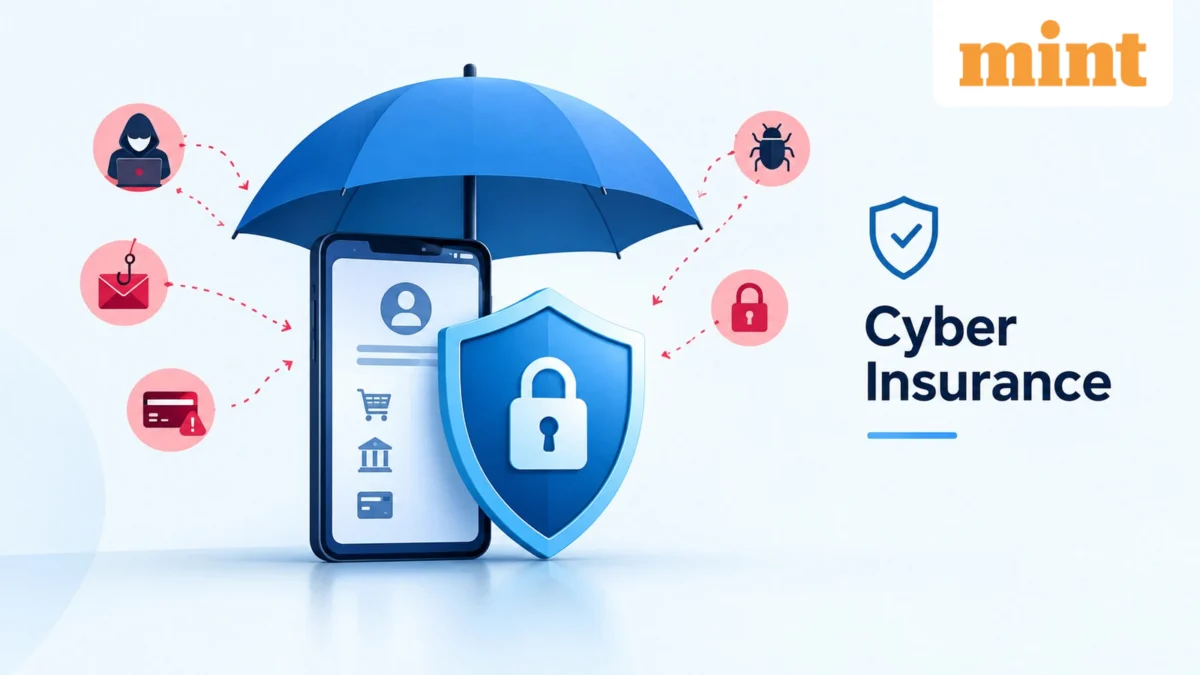
Tokyo, Japan – October 16, 2026 – In an alarming development that has sent ripples across the global digital landscape, Japan last week declared a "state of emergency in cyberspace." This unprecedented move follows a relentless wave of sophisticated cyberattacks targeting critical infrastructure, including major corporations, vital hospitals, and sensitive government facilities. Reports from the Financial Times indicate that these breaches may have exposed tens of millions of customer records, triggering widespread panic and raising serious questions about individual digital security.
The escalating cybersecurity threat has already prompted Japan’s financial regulator to issue a stark warning to banks, advising them against accepting driving licenses as proof of identity when opening new accounts. This measure highlights the profound implications of data breaches, where compromised personal information can be exploited for identity theft and financial fraud on a massive scale.
While Japan grapples with this immediate crisis, the phenomenon of pervasive cybercrime is by no means confined to its borders. India, a rapidly digitizing economy, continues to face its own formidable challenges. Data sourced from the Ministry of Home Affairs reveals that Indian citizens collectively lost a staggering ₹22,495 crore to cyber frauds in 2025, a figure marginally lower than the ₹22,845 crore recorded in 2024. Despite this slight decline in the total amount defrauded, the sheer number of cyber fraud cases continued its upward trajectory, indicating a broader, more distributed pattern of attacks impacting a larger segment of the population.
These incidents, from nation-state level breaches to individual financial scams, paint a grim picture of the risks individuals face in an increasingly interconnected world. Data breaches, identity theft, and online fraud are no longer abstract threats but tangible realities with devastating financial and personal consequences. In this volatile environment, personal cyber insurance is emerging as a critical safeguard, offering a much-needed layer of protection against the escalating costs and disruptions arising from such digital misfortunes.
The Unfolding Cyber Threat: A Global Chronology
The declaration of a "state of emergency" in Japan serves as a stark reminder of how rapidly and severely cyber threats can escalate. The past few years have witnessed a dramatic evolution in the nature and scale of cyberattacks, moving from opportunistic, individual exploits to highly organized, sophisticated campaigns often backed by state actors or well-funded criminal syndicates.
Japan’s Cyber Crisis: A Deep Dive
The recent declaration in Japan is a direct response to a series of coordinated and highly effective cyber incursions. While specific details of all affected entities remain under wraps due to ongoing investigations, the targets have included a diverse array of sectors crucial to national stability and daily life. Hospitals, which hold sensitive patient data, have been particularly vulnerable, leading to concerns not only about financial fraud but also potential disruptions to critical healthcare services. Government facilities, guardians of national secrets and citizen data, have also been compromised, raising national security implications. Major corporations, holding vast repositories of customer information, intellectual property, and operational data, have reported breaches that could have long-term reputational and financial repercussions.
The Financial Times report underscores the gravity of the situation, estimating that "tens of millions" of customer records may have been exposed. This scale of exposure means that personal identifiable information (PII) such as names, addresses, dates of birth, social security numbers, and potentially even financial details, could now be in the hands of malicious actors. The financial regulator’s advisory regarding driving licenses highlights a specific vector of attack: the creation of fraudulent accounts using stolen identity documents. This proactive measure aims to prevent further financial damage by making it harder for criminals to leverage stolen PII for illicit activities like opening bank accounts, taking out loans, or applying for credit cards.
India’s Persistent Cyber Struggle
In India, the cyber threat landscape is characterized by a high volume of diverse attacks, often preying on digital literacy gaps and the rapid adoption of online services. The Ministry of Home Affairs data, showing a consistent loss of over ₹22,000 crore annually in cyber frauds for 2024 and 2025, paints a sobering picture. While the total monetary loss saw a slight dip, the increase in the number of cases suggests that cyber criminals are casting a wider net, perhaps targeting individuals with smaller but more frequent scams. This could include a proliferation of sophisticated phishing campaigns, UPI fraud, loan app scams, and investment frauds, all designed to exploit trust and urgency.
The rapid digitization driven by initiatives like the Digital India program, while bringing immense benefits, has also expanded the attack surface for cyber criminals. From online shopping and banking to government services and social media, every digital interaction carries an inherent risk. The sheer volume of transactions and personal data exchanged online daily creates fertile ground for fraudsters.
Supporting Data: The Multifaceted Threat and Its Impact
The rise in cyberattacks is fueled by several factors, including the increasing sophistication of attack methods, the availability of easily purchasable hacking tools, and the lucrative nature of cybercrime. Understanding the types of attacks and their profound impact is crucial for both individuals and policymakers.
Common Cyberattack Vectors and Their Evolution
- Phishing and Social Engineering: These remain the most prevalent entry points. Attackers craft convincing fake emails, messages, or websites to trick individuals into revealing sensitive information (passwords, banking details) or clicking malicious links. The evolution includes "spear phishing" (highly targeted attacks) and "whaling" (targeting high-profile individuals), often using deepfake technology to mimic voices or video calls.
- Identity Theft: This goes beyond just financial fraud. It involves criminals using stolen personal data to impersonate victims for various illicit purposes, including opening new lines of credit, filing fraudulent tax returns, obtaining medical services, or even committing crimes in the victim’s name.
- Online Banking and Financial Fraud: Direct theft of funds through unauthorized transactions, often facilitated by phishing, malware (like banking Trojans), or SIM swap frauds where criminals gain control of a victim’s mobile number to bypass two-factor authentication.
- Ransomware: While traditionally targeting businesses, individuals are increasingly vulnerable. Malicious software encrypts a victim’s files, demanding a ransom (often in cryptocurrency) for their release. Personal photos, documents, and memories can be held hostage.
- Data Breaches: Whether from large corporations (like the Japan incident) or smaller online services, these expose vast quantities of personal data, which is then sold on dark web marketplaces, fueling other forms of cybercrime. Supply chain attacks, where a vendor’s system is compromised to infiltrate a larger target, are also on the rise.
- Malware and Spyware: Viruses, Trojans, and spyware designed to infiltrate devices, steal data, monitor activity, or cause system damage.
- Cyber Stalking and Harassment: A growing concern, particularly impacting younger demographics, leading to significant psychological distress.
The Far-Reaching Impact on Individuals
The consequences of falling victim to cybercrime extend far beyond immediate financial losses:
- Financial Ruin: Direct monetary loss, unauthorized credit card charges, drained bank accounts, fraudulent loans taken in one’s name.
- Credit Score Damage: Identity theft can lead to defaulted payments on fraudulent accounts, severely impacting a victim’s credit rating, making it difficult to secure loans, mortgages, or even jobs.
- Reputational Damage: Especially in cases of online defamation, doxing, or social media account hijacking, which can have professional and personal repercussions.
- Emotional and Psychological Distress: The feeling of violation, helplessness, stress, anxiety, and the time-consuming process of recovery can take a severe toll on mental health.
- Time and Effort: Recovering from identity theft or financial fraud can involve countless hours spent contacting banks, credit bureaus, law enforcement, and other institutions.
- Legal Complications: Victims may face legal battles to clear their names or recover losses, incurring significant legal fees.
The Increasing Vulnerability in a Digital Age
Our increasing reliance on digital platforms for almost every aspect of life – from banking and shopping to communication and entertainment – has inherently amplified individual vulnerability. Every new smart device, every online account, and every digital transaction represents a potential entry point for cybercriminals. The convenience of digital living comes with the imperative of robust digital protection.
Official Responses: Governments and Regulators Mobilize
Governments and regulatory bodies worldwide are acutely aware of the escalating cyber threat and are stepping up their efforts to counter it. Their responses encompass legislative action, enhanced security protocols, public awareness campaigns, and international cooperation.
Japan’s Proactive Stance
Japan’s declaration of a "state of emergency in cyberspace" is a powerful signal of its commitment to safeguarding its digital infrastructure and citizens. Beyond the immediate warning to financial institutions, this declaration is expected to trigger a series of coordinated national efforts. These likely include:
- Increased Cybersecurity Funding: Significant investment in defensive capabilities, threat intelligence, and incident response teams.
- Enhanced Information Sharing: Fostering closer collaboration between government agencies, critical infrastructure operators, and private sector cybersecurity firms to share threat intelligence and best practices.
- Public Awareness Campaigns: Educating citizens and businesses about common attack vectors and preventative measures.
- Strengthened Regulatory Frameworks: Potentially new laws or amendments to existing ones to enforce stricter data protection standards and impose heavier penalties for breaches.
- International Cooperation: Collaborating with allies and international bodies to combat transnational cybercrime syndicates and state-sponsored attacks.
India’s Strategic Initiatives
India has also been proactive in developing its cybersecurity posture. Key initiatives include:
- CERT-In (Indian Computer Emergency Response Team): This nodal agency is responsible for responding to computer security incidents, issuing alerts, and providing recommendations.
- National Cyber Security Strategy: Aimed at creating a secure and resilient cyberspace for citizens, businesses, and government.
- Information Technology (IT) Act, 2000 (and amendments): Provides the legal framework for cybercrime and electronic commerce in India, though ongoing discussions exist for more comprehensive data protection laws.
- Cyber Swachhta Kendra (Botnet Cleaning and Malware Analysis Centre): Aims to create a secure cyber ecosystem by detecting botnet infections and enabling users to clean their systems.
- Cybercrime Coordination Centre (I4C): Established to combat cybercrime in a coordinated and effective manner.
- Public Awareness Programs: Campaigns like "Cyber Jaagrookta Diwas" and "Cyber Dost" aim to educate citizens on cyber hygiene and reporting mechanisms.
Global Regulatory Scrutiny
Financial regulators across the globe are increasingly scrutinizing how banks and financial institutions handle customer data and respond to breaches. The Japan incident underscores the need for stringent "Know Your Customer" (KYC) protocols and robust data encryption. Regulations like GDPR in Europe, CCPA in California, and emerging data protection laws in India are forcing organizations to prioritize data security, imposing hefty fines for non-compliance. This regulatory pressure, while primarily aimed at corporations, indirectly benefits individuals by compelling companies to enhance their defensive measures.
Implications: The Indispensable Role of Personal Cyber Insurance
In an era where digital threats are omnipresent and government efforts, while crucial, cannot entirely eliminate individual risk, personal cyber insurance has emerged as an indispensable financial tool. It provides a safety net, mitigating the financial fallout and offering expert assistance during a crisis.
How a Cyber Insurance Policy Works: A Detailed Overview
A personal cyber insurance policy is designed to cover eligible financial losses and associated expenses stemming from a range of cyber incidents affecting an individual’s personal digital life. Unlike corporate cyber insurance, which focuses on business operations and large-scale data breaches, personal policies are tailored to protect individuals from threats like identity theft, online financial fraud, and data restoration costs.

Ankit Gupta, CTO, Policybazaar for Business, elaborates, "If your personal information is stolen or misused while shopping online or carrying out other digital transactions, a personal cyber insurance policy can cover eligible financial losses. It covers incidents such as identity theft, phishing, online banking fraud or unauthorised transactions, depending on the coverage." This means that if funds are illegally transferred from your bank account due to a phishing scam, or if your identity is stolen to open fraudulent credit lines, the policy can step in.
Comprehensive Coverage: What to Expect
Modern cyber insurance policies offer a broad spectrum of coverage, evolving to address new threats:
-
Identity Theft Protection: This is a cornerstone of personal cyber insurance. Coverage typically includes:
- Legal Fees: Costs incurred to resolve identity theft issues, such as filing legal documents or defending against false accusations.
- Credit Monitoring Services: To detect fraudulent activities on credit reports.
- Restoration Costs: Expenses for notarizing documents, mailing fees, and phone calls to various agencies to restore identity.
- Lost Wages: Reimbursement for income lost due to time taken off work to address identity theft.
- Fraudulent Applications: Costs associated with rectifying fraudulent loan, credit card, or utility applications made in your name.
-
Online Financial Fraud: Covers direct financial losses from:
- Unauthorized Transactions: Funds stolen from bank accounts, credit cards, or digital wallets due to hacking, phishing, or malware.
- Online Shopping Fraud: Losses incurred from non-delivery of goods or services paid for online, or unauthorized purchases made using your details.
- Investment Fraud: Specific policies may offer limited coverage for losses from fraudulent online investment schemes, provided certain conditions are met.
-
Data Restoration and System Recovery:
- Data Restoration Costs: Expenses to restore or recreate digital data (photos, documents, music, software) lost due or damaged by cyberattacks (e.g., ransomware, malware).
- Device Repair/Replacement: In some cases, policies may cover the cost of repairing or replacing devices (computers, smartphones) that are physically damaged or rendered unusable by a cyberattack, including professional services for malware removal.
-
Cyber Extortion (Ransomware):
- Coverage for negotiation costs with cybercriminals and, in some jurisdictions and under specific policy terms, even the ransom payment itself (usually in cryptocurrency), provided it’s legally permissible and vetted by the insurer.
-
Legal Assistance and Reputation Management:
- Legal Liability: Coverage for legal costs if you are sued for unknowingly spreading malware or violating privacy as a result of a cyber incident.
- Reputation Management: Costs associated with engaging experts to mitigate damage to your online reputation due to cyberbullying, online defamation, or doxing.
-
Privacy Breach Response:
- Expenses related to notifying affected parties if your personal devices or data cause a breach that impacts others, and costs for forensic analysis to determine the extent of a breach.
Understanding Exclusions: What’s Not Covered
While comprehensive, cyber insurance policies, like all insurance products, come with certain exclusions. Ankit Gupta cautions, "Incidents that occur before the policy is purchased, deliberate or fraudulent acts by the insured, and certain business-related or investment losses may not be covered. Some policies may also exclude specific types of cybercrime or impose limits on the amount payable for particular incidents."
Common exclusions include:
- Pre-existing Incidents: Any cyber event that occurred before the policy’s effective date.
- Deliberate Acts: Losses arising from intentional illegal or fraudulent activities committed by the policyholder.
- Business-Related Losses: Damages related to a personal business, professional activities, or commercial enterprise, which typically require separate corporate cyber insurance.
- Investment Losses: Direct losses from market fluctuations or failed investments, even if initiated online.
- Physical Damage (Unrelated to Cyber): General wear and tear or physical damage to devices not caused by a covered cyber incident.
- Specific Cybercrimes: Some niche or emerging cybercrimes might not be explicitly covered, depending on the policy’s terms.
- Failure to Protect: In instances where the insured has demonstrably failed to take reasonable steps to protect their data (e.g., sharing passwords freely, ignoring security warnings).
Cyber Insurance Cost in India: Factors and Value
The affordability of personal cyber insurance in India makes it an increasingly attractive option. Ankit Gupta states, "the premium of a basic individual cyber insurance plan starts at ₹325 per year for a sum insured of ₹1 lakh. It typically covering two risks: identity theft and theft of funds." This baseline demonstrates the accessibility of such protection.
The final premium, however, is dynamic and determined by several crucial factors:
- Sum Insured: The maximum amount the insurer will pay for a claim. Higher coverage naturally leads to higher premiums. Individuals need to assess their potential risk exposure and asset value.
- Scope of Coverage: A policy covering a wider array of risks (e.g., identity theft, financial fraud, data restoration, legal assistance, cyber extortion) will cost more than a basic plan.
- Individual Risk Profile: While less granular than corporate policies, factors like the individual’s digital usage habits (e.g., frequent online transactions, extensive social media presence, use of multiple smart devices) can influence perceived risk. Some insurers might also consider geographical location or past claim history.
Gupta’s advice is pertinent: "Thus, rather than simply choosing the cheapest plan, individuals should compare the sum insured, covers included, sub-limits and exclusions to find a policy that matches their digital usage and risk exposure." This emphasizes the importance of a tailored approach rather than a one-size-fits-all solution.
Filing a Claim After a Cyberattack: A Step-by-Step Guide
Prompt and accurate reporting is paramount when filing a cyber insurance claim.
Ankit Gupta outlines the process: "Policyholders should inform their insurer as soon as possible after discovering a cyber incident, explain what happened and follow the prescribed claims procedure. Prompt reporting is important, as policies may specify deadlines for notifying the insurer."
Here’s a detailed breakdown of the typical claims process:
- Immediate Notification: As soon as you suspect or confirm a cyber incident, contact your insurer’s claims department. Many insurers offer 24/7 helplines or online portals.
- Incident Explanation: Clearly articulate the nature of the incident, how it occurred, and its immediate impact.
- Police/Cybercrime Complaint: "The insurer may ask for the following documents, depending on the nature of the incident like to fill up a claim form and identity/KYC documents, copy of the police complaint or cybercrime complaint/FIR, where required." For incidents involving financial fraud or identity theft, filing an FIR with the police or a complaint with the cybercrime cell (e.g., cybercrime.gov.in in India) is often a mandatory step. This creates an official record of the event.
- Gathering Evidence: Collect all relevant evidence. Gupta advises, "Evidence of the incident, such as screenshots, suspicious emails or messages and bank statements and transaction details if financial fraud is involved." This might also include transaction IDs, communication logs, or any other digital footprints.
- Submit Required Documents: Fill out the claim form completely and accurately. Provide identity/KYC documents, the police report, and all collected evidence.
- Cooperate with Investigation: "Once the documents are submitted, the insurer assesses the claim and may seek additional information or investigate the incident before deciding on settlement. The exact requirements and timelines may vary across insurers." Be prepared to provide any further details or access requested by the insurer or their appointed investigators.
- Claim Assessment and Settlement: The insurer will review all submitted information, investigate the incident, and determine the eligibility and extent of coverage. Upon approval, they will process the settlement as per the policy terms.
Why Personal Cyber Insurance is Becoming Essential
The escalating complexity and frequency of cyber threats mean that traditional home or health insurance policies rarely cover the specific financial and legal ramifications of cyber incidents. Personal cyber insurance fills this crucial gap, offering:
- Financial Protection: Directly covers losses that can be substantial.
- Expert Assistance: Provides access to specialists (legal, IT forensics, credit monitoring) who can guide victims through the complex recovery process.
- Peace of Mind: Reduces the anxiety associated with digital living, knowing there’s a safety net.
- Proactive Risk Management: Encourages better cyber hygiene by making individuals more aware of their digital vulnerabilities.
Proactive Measures and Future Outlook
While cyber insurance offers crucial post-incident protection, proactive measures remain the first line of defense. Individuals must adopt robust digital hygiene practices:
- Strong, Unique Passwords: Use complex passwords and a password manager.
- Multi-Factor Authentication (MFA): Enable MFA on all critical accounts (email, banking, social media).
- Software Updates: Regularly update operating systems, applications, and antivirus software.
- Vigilance: Exercise extreme caution with emails, messages, and links from unknown sources. Verify requests for personal information.
- Secure Wi-Fi: Avoid conducting sensitive transactions on public Wi-Fi networks. Use a VPN.
- Data Backup: Regularly back up important data to external drives or secure cloud services.
- Monitor Accounts: Regularly check bank statements, credit card bills, and credit reports for suspicious activity.
The future of cyberspace is one of continuous evolution, with both threats and defenses becoming increasingly sophisticated. The advent of artificial intelligence (AI) is already reshaping this landscape, empowering both attackers (e.g., AI-generated phishing, deepfakes) and defenders (e.g., AI-powered threat detection, automated response). As our lives become even more intertwined with the digital realm, the necessity for robust individual protection, combining diligent personal practices with comprehensive cyber insurance, will only grow. The "state of emergency" in Japan serves as a potent global reminder that digital security is no longer just an IT department’s concern, but a fundamental aspect of personal and national well-being.