In the pursuit of self-improvement, the difference between an amateur and an elite performer often boils down to a single, understated practice: measurement. Whether it is a Michelin-starred chef perfecting a delicate reduction or an Olympic athlete refining their stride, the common thread is the systematic collection of data. This feedback loop allows high achievers to calibrate their efforts in real-time, ensuring that every action is a step toward mastery.
For the average person attempting to overhaul their lifestyle, however, the path to progress is rarely as transparent. When building new habits, the results are often delayed, creating a "feedback desert" where motivation can quickly evaporate. Enter the habit tracker—a simple yet profound tool that bridges the gap between effort and visible result.
The Mechanics of Progress: Why We Track
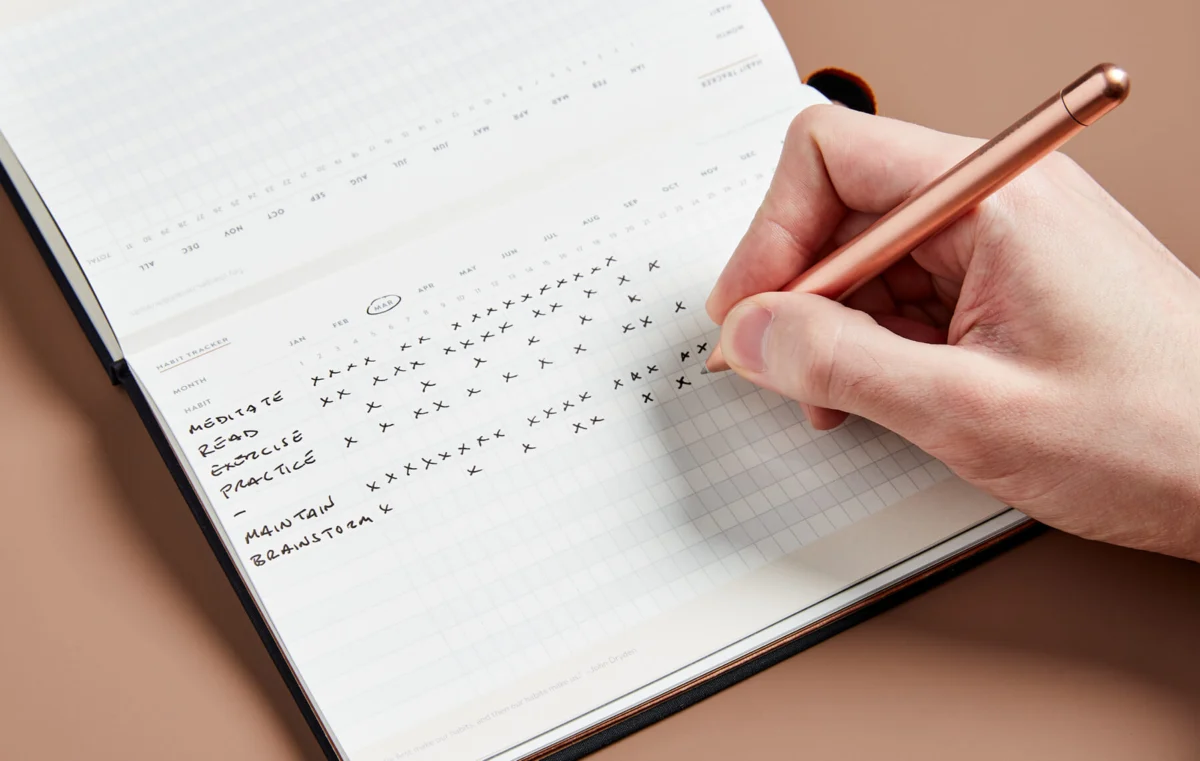
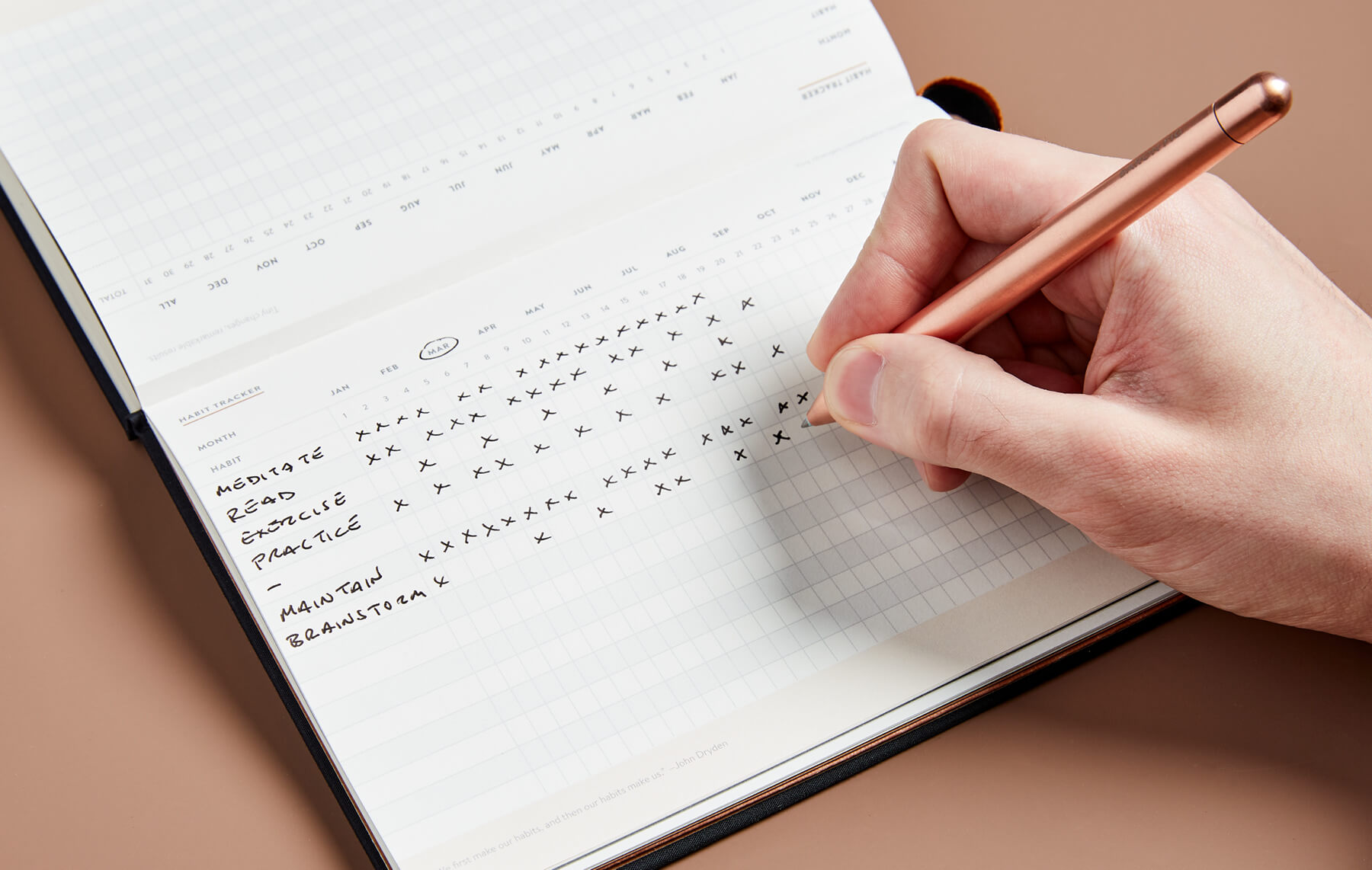
At its core, a habit tracker is a visual representation of commitment. It is a tool designed to provide immediate feedback in an environment where long-term rewards are otherwise invisible.
The rationale is grounded in the psychology of behavior change. When you mark an "X" on a calendar or shade in a cell, you are creating an immediate, tangible record of your success. This is crucial because, in the initial stages of habit formation, the biological and professional benefits of a new routine (such as weight loss or increased focus) are rarely apparent. By tracking, you move the goalpost from the distant, abstract outcome to the immediate, achievable act of showing up.
The Chef’s Philosophy
Consider the words of acclaimed New York City chef Gabrielle Hamilton. She notes that the defining characteristic of a professional chef, as opposed to a home cook, is an obsessive commitment to tasting. Before a dish is ever served, it is tasted, analyzed, and adjusted. This granular feedback is what transforms raw ingredients into a masterpiece.
For the individual, the habit tracker functions as the "tasting spoon." It provides the signal required to know whether you are making progress or need to adjust your approach. Without this data, you are essentially cooking blind, hoping for a result that you cannot verify until it is potentially too late.
Chronology of a Habit: From Intent to Automation
The journey of habit formation is not a sprint; it is an endurance race. When an individual decides to implement a new routine—such as daily meditation or a morning run—they often experience a surge of initial motivation. This is the "honeymoon phase."
- The Initiation Phase: The individual identifies a goal and begins tracking. During this stage, the tracker provides a psychological "hook," making the act of completing the habit feel like a game.
- The Resistance Phase: Usually occurring between weeks two and four, the initial excitement fades. This is when the "all-or-nothing" mentality often sets in. If a day is missed, the temptation to abandon the entire project is high.
- The Integration Phase: Through consistent tracking and the application of the "Never Miss Twice" rule, the behavior begins to shift from a chore to an identity.
- The Maintenance Phase: The habit becomes automatic. At this stage, the tracker may no longer be necessary for the specific habit, though many continue to track to maintain a high level of accountability.
Supporting Data: Why Tracking Works
Research across various disciplines confirms the efficacy of self-monitoring. A seminal study involving over 1,600 participants revealed that those who maintained a daily food log lost twice as much weight as those who did not.
The reasons for this success are threefold:
1. Reminders and Cues
A tracker acts as a persistent visual cue. In a world of constant distraction, a calendar on your desk or an app on your phone serves as a persistent prompt to act. It forces you to confront your intentions daily, making it significantly harder to ignore your goals.
2. The Motivation of Progress
Human beings are wired to seek progress. When we see a "streak" growing on a tracker, we experience a release of dopamine. This visual evidence of hard work acts as a buffer on "bad days." Even when you feel as though you haven’t moved the needle, your tracker provides objective evidence that you are, in fact, still in the race.
3. Immediate Satisfaction
The human brain craves instant gratification. Because our habits—like saving for retirement or exercising—often offer delayed rewards, we need a "synthetic" reward to keep us going. Marking a box or checking off a task provides that immediate sense of completion, which reinforces the behavior and makes it more likely to be repeated tomorrow.
Expert Perspectives on Implementation
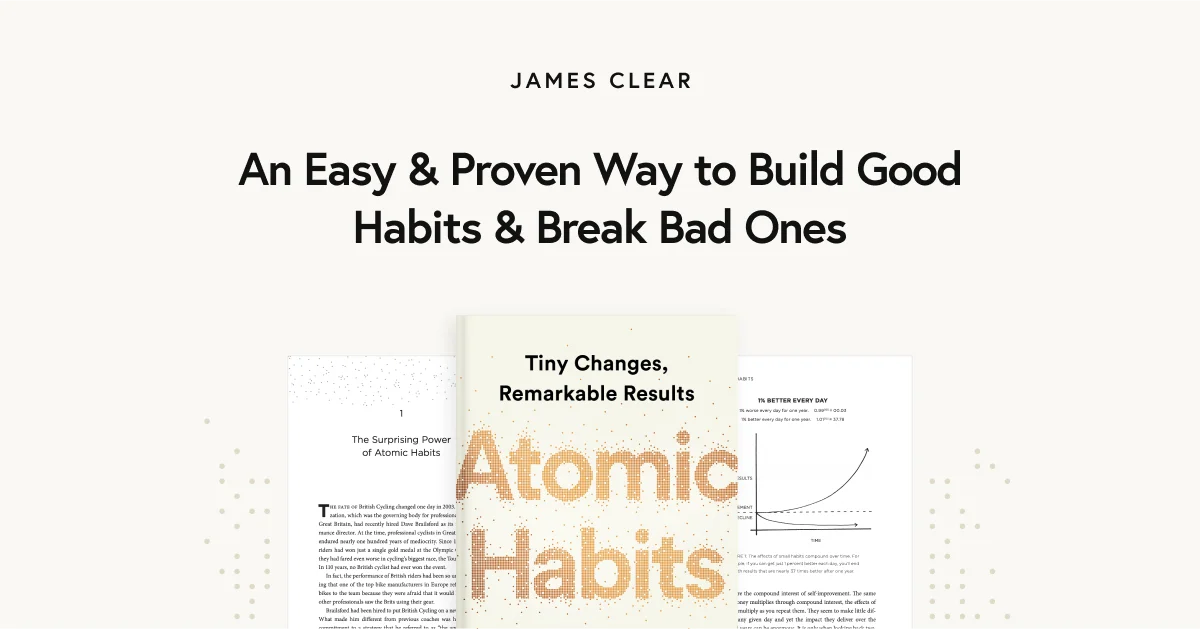
In his seminal work Atomic Habits, author James Clear emphasizes that the most successful habit trackers are those that are integrated into existing routines. He suggests the "Habit Stacking" formula: After [Current Habit], I will [Track My Habit].
For instance, immediately after placing your coffee mug in the dishwasher, you mark your habit journal. By tethering the act of tracking to an established routine, you reduce the cognitive load required to maintain the tracker itself.
Experts also caution against "over-tracking." Attempting to track ten different habits simultaneously often leads to burnout. The recommendation is to limit tracking to three or four high-leverage behaviors. Quality of data, in this case, far outweighs the quantity of metrics.
Implications: The "Never Miss Twice" Rule
One of the most critical components of long-term success is the handling of failure. Perfection is an unrealistic standard. Emergencies, illness, and travel are inevitable. The implication of a habit tracker is that it exposes your failures, but the key is how you respond to them.
The "Never Miss Twice" rule is a powerful framework for resilience. Missing one day is an accident; missing two days is the beginning of a new, undesirable habit. By viewing the tracker as a tool for recovery rather than a scorecard for perfection, you can maintain your momentum even when life presents obstacles.
Beyond the Finish Line: A Lifetime Pursuit
A common question arises: "How long until I don’t need the tracker anymore?" The answer, perhaps surprisingly, is that the habit is not a finish line to be crossed. It is a way of living.
While the intensity of tracking may decrease as a behavior becomes ingrained, the practice of self-monitoring remains a hallmark of high-functioning individuals. Whether you are using a sophisticated digital app or a classic, analog journal, the habit tracker serves as a constant reminder that you are the architect of your own character.
In the long run, the goal is not to fill a calendar with X’s for the sake of the calendar itself. The goal is to build a life of intention, where your daily actions are in direct alignment with your long-term aspirations. By measuring your progress, you gain the clarity needed to navigate the complexities of life, ensuring that you are always moving forward, one day—and one checkmark—at a time.