
This report was created in partnership with Publicis Health
The traditional "health journey"—once defined by a linear path from symptoms to a waiting room and finally to a physician’s office—has been permanently dismantled. In its place, a complex, fragmented, and hyper-connected ecosystem has emerged. Today, a patient’s medical trajectory is as likely to begin with a haptic notification on a smartwatch, a viral video on TikTok, or a probing query entered into an generative AI chatbot as it is with a physical consultation.
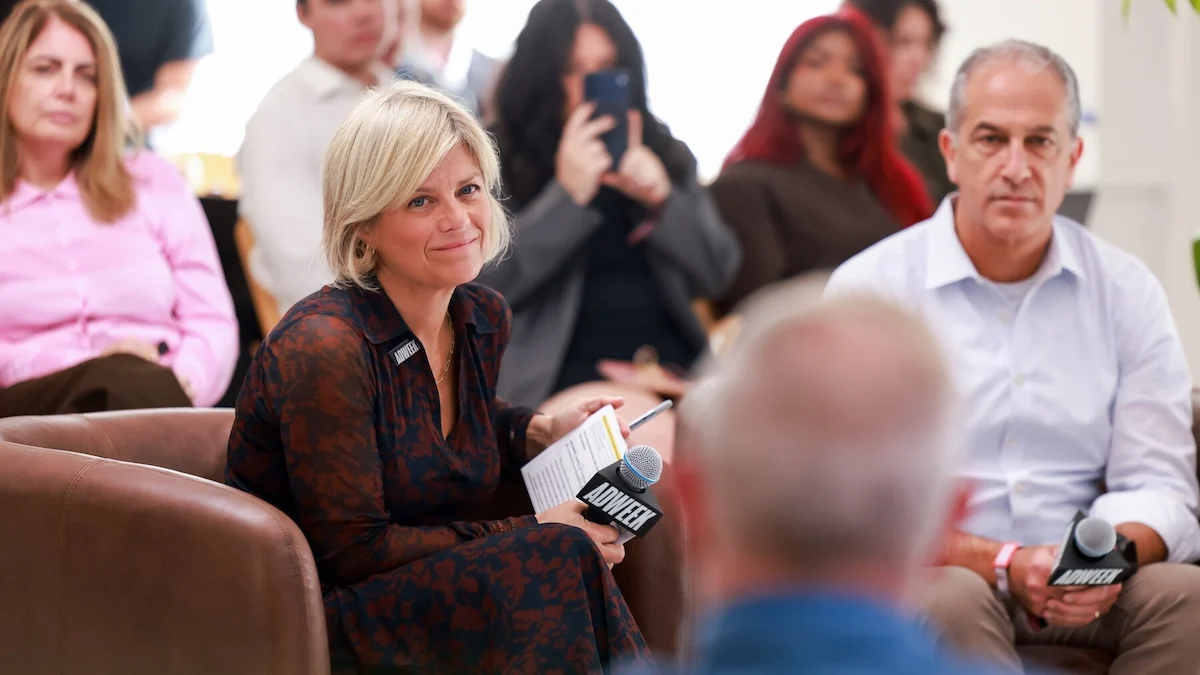
This seismic shift represents more than just a change in technology; it is a fundamental transformation of the human relationship with wellness. For marketers, this new reality offers a wealth of granular data signals to interpret, but it also demands a new level of empathy and precision. During a recent ADWEEK House Advertising HQ group chat co-hosted with Publicis Health, industry leaders explored how the convergence of artificial intelligence, big data, and cultural trends is reshaping the patient experience.
The New Architecture of Healthcare: Main Facts
The core reality facing the healthcare industry is that health has become a 24/7, ubiquitous presence in the consumer’s life. The era of the "passive patient" is over. Modern consumers are active investigators, researchers, and self-trackers who arrive at clinical encounters armed with data collected from wearables, social media communities, and AI-driven diagnostic tools.
Key findings from the discussion include:

- Decentralization of Advice: The first point of contact for health issues has migrated away from the clinic and toward digital ecosystems.
- Data Overload: While consumers have access to unprecedented amounts of health data, they lack the tools to synthesize this information into actionable, reliable health decisions.
- The Emotional Imperative: Marketing in health is no longer just about product awareness; it is about providing navigation, comfort, and evidence-based support during moments of high vulnerability.
A Chronology of the Modern Patient Journey
To understand the transformation, one must look at how the patient journey has evolved over the last decade.
Phase 1: The Era of Information (2010–2015)
The rise of search engines and health portals empowered patients to look up symptoms. This was the dawn of "Dr. Google," where the journey began with a web search, often leading to anxiety or misinformation.
Phase 2: The Era of Engagement (2016–2021)
Social media platforms and digital communities allowed patients to share experiences. Peer-to-peer validation became as important as professional advice. Brands began focusing on the "empowered patient," designing digital experiences to support the patient’s voice.
Phase 3: The Era of Integration (2022–Present)
We have entered a stage of total immersion. Health data, AI-driven predictive analytics, and lifestyle integration (wearables) now create a continuous feedback loop. The journey is no longer a start-and-stop process; it is a permanent state of health management. As Peter Scherr, CMO of Noom, illustrated, his father’s Apple Watch alerted him to a heart anomaly, driving him to seek life-saving care long before he felt a physical symptom. The device, not the doctor, initiated the care cycle.
Supporting Data and Industry Observations
The scale of the "information paradox" is significant. As Matt McNally, global CEO of Publicis Health, noted, the industry has spent years focusing on patient empowerment, but the sheer volume of data now available has created a new kind of friction.

"There’s a lot of data masquerading as answers," Scherr noted during the discussion. This sentiment highlights the primary struggle for the modern consumer: they are drowning in metrics—blood pressure readings, sleep quality scores, step counts—but they are starving for meaning.
Furthermore, the rise of AI in search (AEO – Answer Engine Optimization) means that brand visibility is no longer just about being the first result on a search page. It is about providing the correct, contextual answer within an AI-generated summary. As Fannie McWatt, PhD, head of data and AI strategy at Publicis Health, pointed out, the challenge is not just "being found," but ensuring that the AI provides accurate, evidence-based context at the precise moment a user needs it.
Official Perspectives: The Experts Speak
The panel of experts at ADWEEK House underscored that while technology is the engine of change, human-centric design must be the steering wheel.
The Dual Mandate: Move and Arm
Katie Baldwin, VP of consumer marketing at AbbVie, defined the core challenge for pharma brands as a "dual responsibility." Brands must be able to "move" patients emotionally—fostering hope and reducing the stigma of certain conditions—while simultaneously "arming" them with rigorous, clinical data. "Moving them emotionally is what we trust our advertising agencies to do," Baldwin noted, "and arming them with information is now just as critical."
The "Always-On" Culture
Allison Ceraso, chief creative officer at Digitas Health, pushed the concept further by suggesting that health is no longer a vertical or a sector—it is the lens through which modern life is viewed. "Health isn’t in culture; I think right now, health is our culture," she stated. This requires marketers to abandon the "clinical" tone and adopt a voice that resonates with the messy, private, and deeply personal realities of daily life.

The Inflection Point
Craig Romanok, chief commercial officer at Digitas Health/Publicis Health, summarized the urgency of the moment. "There’s no doubt we are at a moment right now—an inflection point in this category—that we have never seen before," he remarked. The industry is pivoting from being a provider of solutions to a provider of navigation.
Implications for the Future of Health Marketing
The transformation outlined by these leaders carries several profound implications for the future of the healthcare industry.
1. From Personalization to Anticipation
McNally emphasized that the next phase of patient support is moving beyond personalization (knowing who the patient is) to anticipation (knowing what they will need next). If a patient is prescribed a medication with a known side-effect profile, a proactive brand strategy shouldn’t wait for the patient to call a support line; it should provide context and guidance before the patient even experiences the friction.
2. The Ethics of Data and Trust
As brands get better at predicting patient needs, they must navigate the thin line between helpfulness and intrusion. Trust is the currency of the health sector. If a brand uses data to overstep into a patient’s private life, they risk losing that trust permanently. The goal is to provide the "right context at the right moment," not to surveil.
3. The Human Element in an AI World
The rise of AI has created a paradox: the more automated our health data becomes, the more we crave human empathy. AI can provide the "what," but only a brand that understands the patient’s "why" can provide the "how." Brands that succeed will be those that use technology to clear away the clutter, making the patient’s journey feel less like a series of technical hurdles and more like a supported, human experience.

4. A Shift in Creative Strategy
For agencies, the implications are clear: the creative brief has changed. It is no longer enough to sell the efficacy of a product. Creative campaigns must now solve for the "barriers to entry." Whether it is fear of treatment, confusion about insurance, or the stigma of a diagnosis, the marketing must address the emotional and logistical barriers that keep a patient from starting or staying on therapy.
Conclusion: The Path Forward
The consensus among the leaders at the Publicis Health session was one of cautious optimism. The tools at our disposal are more powerful than at any point in history. We have the ability to catch diseases through wearables, clarify complex symptoms through AI, and provide community support through digital platforms.
However, the "first signal" of a health journey—whether it comes from a watch vibration or a social media scroll—is only the beginning. The true test for health brands in the coming years will be their ability to bridge the gap between data and humanity. As the industry moves toward a more predictive and proactive future, the ultimate success metric will remain unchanged: the ability to make the patient’s journey feel clearer, better timed, and profoundly more human.
In this new era, the brands that win will be those that stop acting like manufacturers and start acting like partners, proving that they understand not just the science of the disease, but the art of the life being lived alongside it.