In the modern digital economy, the customer experience is no longer just a department—it is the bedrock of brand identity. A customer support executive (CSE) serves as the frontline ambassador for an organization, balancing technical proficiency with high-level emotional intelligence. Whether handling a routine inquiry or navigating a complex service crisis, the person in this role directly influences customer retention, brand loyalty, and overall market reputation.
However, hiring for this critical role is fraught with challenges. A vague job description (JD) acts as a filter that lets through unqualified candidates while deterring top-tier talent. To build a world-class support team, recruiters must master the art of the job description. This guide explores the essential components, economic implications, and strategic nuances of hiring a Customer Support Executive.
The Anatomy of a High-Impact Job Description
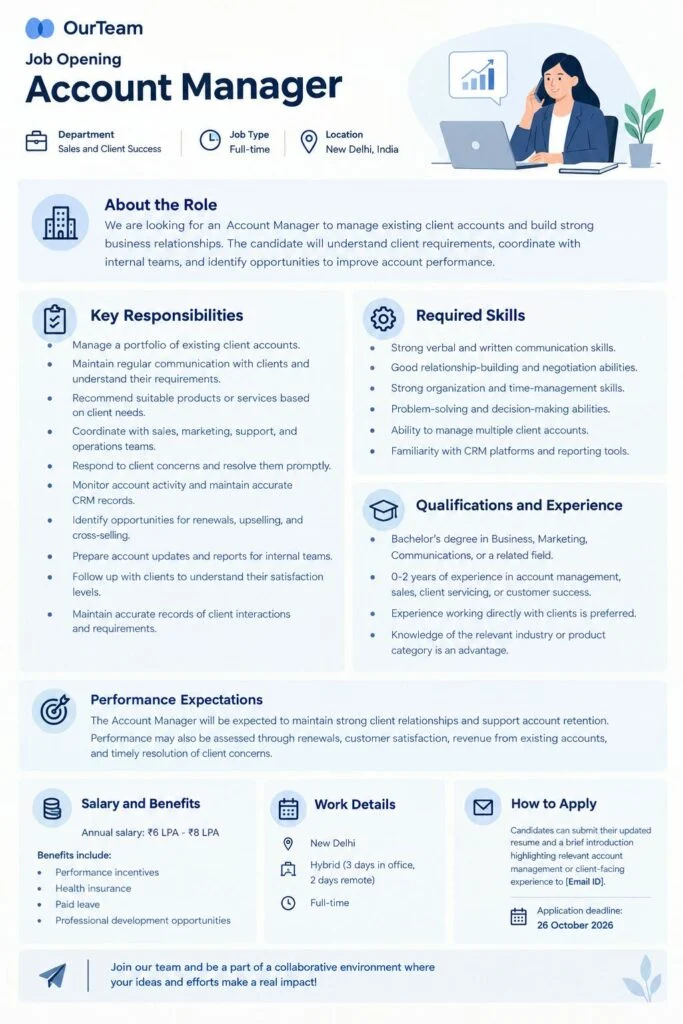
A professional job description is more than a list of tasks; it is a marketing tool designed to attract candidates whose values align with the company culture. According to industry best practices, a high-converting JD should be structured to provide absolute clarity regarding expectations.
Core Components to Include:
- The Hook: Start with a brief, compelling summary of the company culture. Why would a candidate want to solve problems for your brand?
- The Scope: Define the "what" and "why." A CSE does not just answer emails; they resolve pain points and drive customer success.
- Measurable Responsibilities: Use action-oriented language. Instead of "handles calls," use "manages high-volume inbound inquiries while maintaining a sub-10-minute resolution time."
- Hard vs. Soft Skills: Distinguish between technical requirements (CRM mastery, multi-channel communication) and behavioral traits (patience, empathy, de-escalation).
Chronology of the Hiring Lifecycle
Recruitment is a structured process. Understanding the timeline of a successful hire helps HR managers allocate resources effectively.
- Phase 1: Needs Analysis (Days 1–3): Before writing the JD, audit the current team’s performance. Are you losing customers due to slow response times or lack of technical knowledge? Define the specific gap you need to fill.
- Phase 2: Drafting and Optimization (Days 4–6): Create a balanced JD. Ensure the salary range is competitive and the "must-have" skills are not so restrictive that they exclude high-potential entry-level talent.
- Phase 3: Multi-Channel Promotion (Days 7–14): Distribute the posting across job portals like Internshala, LinkedIn, and internal career pages.
- Phase 4: Screening and Assessment (Days 15–25): Implement a two-tier screening process: an automated filter for keywords and a practical task (such as a mock customer email response) to test tone and problem-solving.
- Phase 5: The Interview and Offer (Days 26–30): Conduct behavioral interviews. Once a candidate is selected, move quickly to the offer stage with a formal appointment letter.
Supporting Data: Salary Benchmarks and Market Trends
Budgeting is a major consideration for any organization. Compensation for customer support roles is highly variable, influenced by the complexity of the product and the level of technical support required.

Average Salary Estimates (INR/Annual)
| Experience Level | Average Salary Range (LPA) |
|---|---|
| 0 – 1 Year (Entry) | ₹2.3 LPA – ₹3.7 LPA |
| 1 – 3 Years (Mid) | ₹3.3 LPA – ₹8.8 LPA |
| 3 – 6 Years (Senior) | ₹3.1 LPA – ₹7.7 LPA |
Note: Compensation often fluctuates based on performance-based incentives, location (Tier-1 vs. Tier-2 cities), and specialized knowledge requirements (e.g., technical support for SaaS products).
Employers should treat these figures as a starting point. High-performing support teams often utilize variable pay structures, where bonuses are tied to KPIs like Net Promoter Score (NPS) and Customer Satisfaction (CSAT) ratings.
The Strategic Implications of Quality Hiring
Why does a "perfect" job description matter? The implications of a poor hire in customer support extend far beyond the HR department.
1. The Cost of Attrition
Customer support is a high-burnout profession. If a job description misrepresents the role—for example, if it suggests a 9-to-5 desk job when the reality is high-pressure, rotating shift work—new hires will quit within months. The cost of replacing an employee includes recruitment fees, onboarding, training, and the "lost opportunity" cost of suboptimal support while the seat remains vacant.
2. Brand Reputation
A customer support agent is often the only human touchpoint a customer has with a digital-first company. A poorly trained or misaligned hire can turn a minor technical issue into a viral negative review. A precise JD ensures that the candidate understands the emotional gravity of the role before they even walk through the door.

3. Operational Efficiency
Clear expectations lead to higher performance. When a candidate knows exactly which CRM tools they will be expected to master and which KPIs (like First Response Time) they will be measured against, they are better prepared to hit the ground running.
Expert Tips for Talent Acquisition
To ensure your recruitment process is not just effective but also competitive, consider these expert recommendations:
- Prioritize Soft Skills: Technical skills can be taught via a week of training, but empathy and patience are inherent. During the interview, present a "difficult customer" scenario and observe how the candidate navigates the emotional landscape.
- Transparency is Key: If the role involves weekend shifts or rotational night shifts, state this clearly in the job description. Transparency reduces the number of applicants who drop out during the offer stage.
- Leverage Technology: Utilize AI-driven ATS (Applicant Tracking Systems) to ensure your job posting contains the right keywords to reach passive job seekers.
- Focus on Growth: Mention career progression. A candidate who sees a path from "Support Executive" to "Team Lead" or "Customer Success Manager" is more likely to commit long-term.
Conclusion
The Customer Support Executive remains the heart of any customer-centric organization. By moving away from generic, "copy-paste" job descriptions and toward tailored, transparent, and detailed postings, companies can significantly improve the quality of their applicant pool.
Remember that a job description is a bridge between the company’s vision and the candidate’s reality. When that bridge is built on clear communication, realistic salary expectations, and a well-defined set of responsibilities, you do not just hire an employee—you build a cornerstone for your company’s future.
As you embark on your next round of hiring, utilize the tools at your disposal, refine your messaging, and don’t hesitate to evolve your JD as your company’s needs change. For those looking to further optimize their process, reviewing common interview questions and standardized appointment letter templates will ensure that your transition from "job seeker" to "valued team member" is seamless and professional.

Frequently Asked Questions (FAQs)
Q1. Should a customer support executive job description include salary details?
Absolutely. Including a salary range or at least a reference to the compensation structure demonstrates transparency and respect for the candidate’s time. It also filters out applicants who may be outside your budget, saving you time during the interview process.
Q2. What are the most common mistakes to avoid in a job description?
The most frequent errors include using overly technical jargon, failing to mention the specific communication channels (phone vs. chat), omitting shift requirements, and being too vague about performance expectations.
Q3. How do I balance the need for experience with the need for fresh talent?
Use a tiered approach. If you have the bandwidth for training, prioritize "soft skills" in your JD to attract motivated freshers. If you need immediate, high-level resolution capabilities, explicitly require 2+ years of experience in high-volume, multi-channel environments.
Q4. Where is the best place to source customer support talent?
Niche platforms like Internshala are excellent for entry-level and internship-to-hire roles. For experienced professionals, LinkedIn and industry-specific forums are often more effective. Always leverage your internal employee referral program, as your current team knows the "vibe" that succeeds in your specific work environment.