In the rapidly evolving digital ecosystem, LinkedIn has shifted from a professional networking site into a battleground for authenticity. As artificial intelligence tools become ubiquitous, the platform is quietly but aggressively recalibrating its algorithms to prioritize human connection over machine-generated “slop.” For marketers and thought leaders, the message is clear: AI is a powerful assistant, but it cannot be a substitute for the human experience.
To thrive on LinkedIn today, creators must move beyond the "prompt and post" mentality. By adopting a strategic framework that keeps human expertise at the center, professionals can leverage the speed of AI without sacrificing the credibility that drives engagement.
The State of Play: Why LinkedIn’s AI Crackdown Matters
The platform’s stance on AI is no longer passive. In recent months, LinkedIn has implemented systemic measures to filter out low-quality, automated content. The numbers are staggering: billions of posting attempts and hundreds of thousands of automated comment attempts have been blocked.
Beyond the backend algorithms, the platform has introduced user-facing reporting tools that allow members to flag "AI slop." This data is not just being used to hide content; it serves as a training mechanism for LinkedIn’s detection models. According to AJ Wilcox, founder and CEO of B2Linked, we are currently in a transition period where these flags act as feedback for the system. As the technology matures, these flags will likely lead to more direct penalties and reach suppression.
The platform’s own tools have mirrored this shift. LinkedIn is replacing its "Enhance your post" feature—which often generated generic, robotic copy—with a proofreading-focused tool. The goal is to polish, not replace, the author’s unique voice.
The Ideation-Expertise-Polish Model: A Blueprint for Success
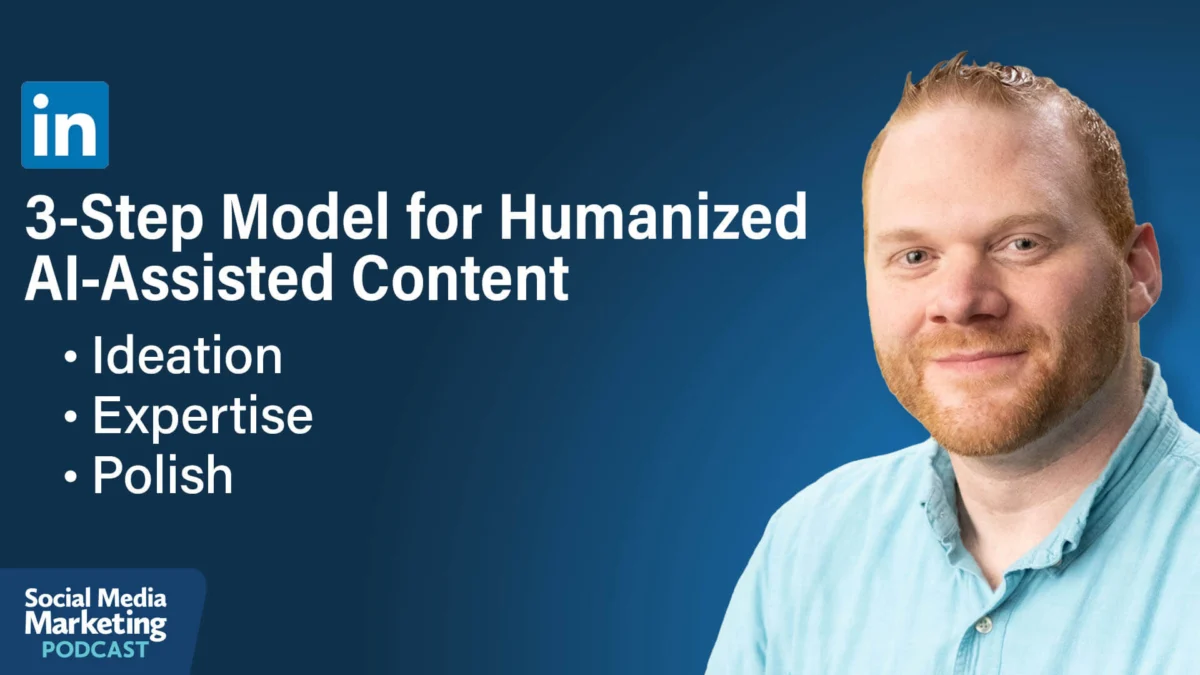
To maintain credibility, creators should adopt what experts call the "Ideation-Expertise-Polish" model. This three-stage framework treats AI as the bookends of the process while safeguarding the core of the content.
1. Ideation: AI as the Brainstorming Partner
AI excels at volume and structural variety. At the start of the creation process, use AI to generate multiple angles, potential hooks, or content frameworks. This stage is about exploring possibilities, not finalizing the prose.
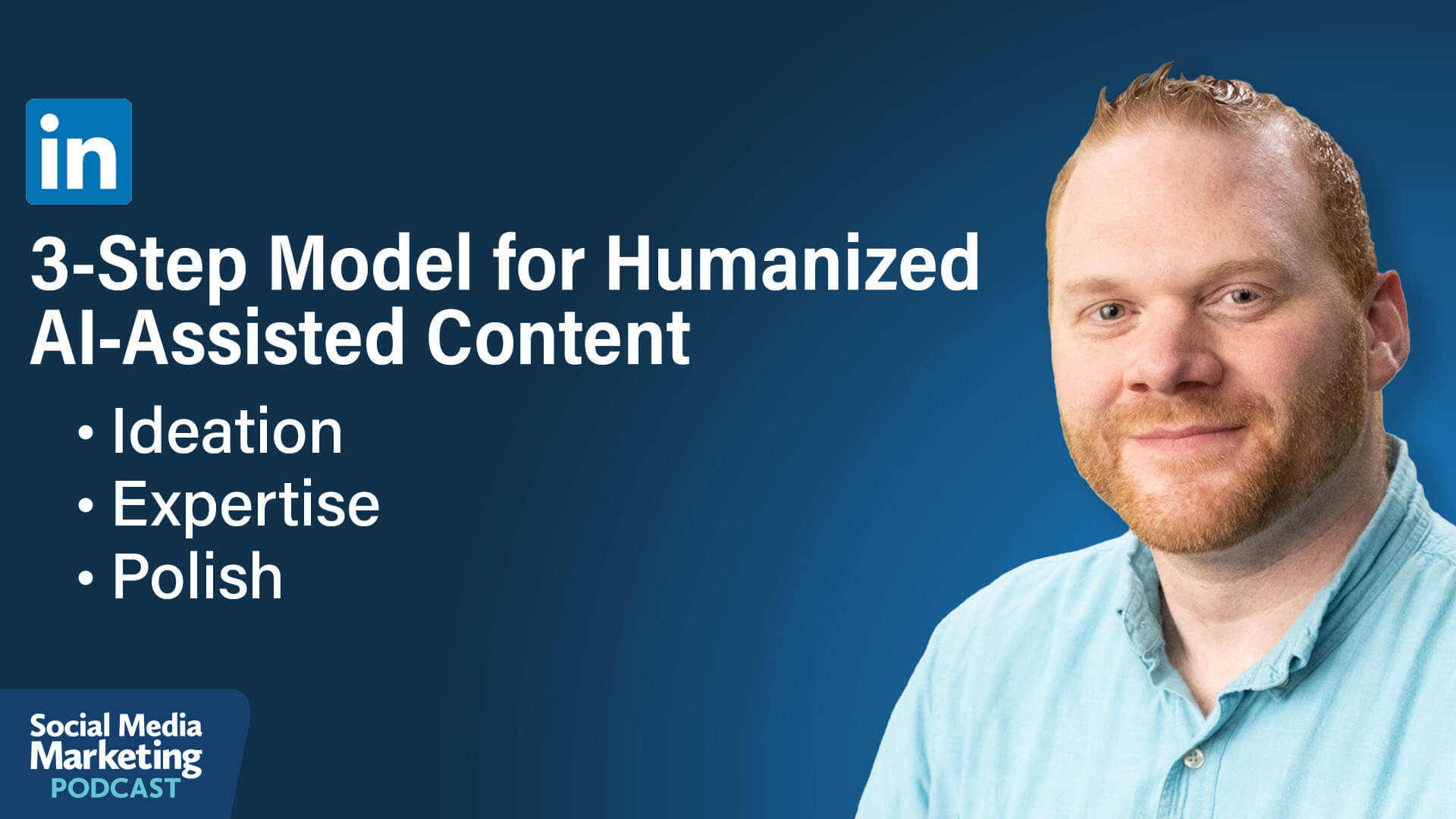
2. Human Expertise: The Indispensable Core
This is the "meat" of the sandwich. AI cannot replicate original experience, industry-specific nuance, or the hard-earned lessons that come from professional practice. If you skip this step, your content will inevitably read as "filler." The audience is conditioned to detect the emptiness of AI-generated content, and this is where trust is either built or lost.
3. Polish: Editing, Not Creating
Once the human-driven narrative is written, AI can serve as a sophisticated editor. Use it to tighten sentence structures, check grammar, or improve readability. The key is to ensure that the AI is refining your words, not drafting the original message.
Identifying the "Tells": How to Avoid the AI Trap
As detection tools improve, audiences are becoming increasingly sensitive to the markers of AI-generated content. Avoiding these "tells" is essential for maintaining professional authority:
- Syntax Patterns: AI models exhibit a heavy reliance on em dashes and repetitive sentence structures that don’t mirror natural human speech.
- The "Dramatic" Default: Phrases like "guard your mental faculties" or "this is silently killing your [career/business]" have become hallmark signs of AI-generated dramatic copy.
- Contextual Mismatches: Emojis that do not match the author’s typical tone or are placed in unnatural spots are immediate red flags to readers.
Pro Tip: Authenticity is the ultimate insurance policy. If a post provides genuine, high-value insight, it is rarely labeled as "slop," even if it is highly polished. The audience reacts to the presence of value, not just the presence of perfect grammar.
Strategic Engagement: The New Growth Engine
LinkedIn has fundamentally changed how comments function, elevating them from an afterthought to a core growth strategy. With the introduction of "comment impressions" metrics, users can now track the reach of their interactions just as they do their posts.
Building Authority Through Comments
For creators who haven’t yet built a massive following, leaving thoughtful, substantive comments on high-traffic posts from industry leaders is a proven way to gain visibility.
- Comment Density: LinkedIn’s algorithm prioritizes "comment density"—the depth and substance of a thread. Shallow, generic responses like "Great post!" or "Thanks for sharing" are increasingly ignored by the system.
- The Power of Inquiry: To drive engagement, end your comments with questions like "Am I wrong?" or "What am I missing?" These prompts encourage diverse perspectives rather than a singular, linear conversation.
- The Ted Lasso Principle: When disagreeing, adopt a stance of curiosity over judgment. A framework of "compliment, nuance, and inquiry" allows for productive, professional debate that fosters relationships rather than hostility.
Optimizing Reach: Frequency and Timing
While LinkedIn has made efforts to extend the shelf-life of posts, the fundamental rules of engagement remain. Never post twice in one day; doing so creates a "cannibalization" effect where your own content competes for the same audience’s attention.

- The Optimal Schedule: For a two-post-per-week cadence, Tuesday and Thursday are ideal. For a one-post-per-week strategy, Wednesday remains the strongest day.
- The "Breathing Room" Rule: Allow a post to gain traction before publishing the next. Even if a post remains in the feed longer than it used to, the most recent update usually commands the lion’s share of engagement.
AI-Powered Video and Ad Strategies
LinkedIn is also leveraging AI to solve the discoverability issues that previously plagued live streams. New features automatically generate "standout moments" and create clickable chapters for replays, effectively turning live events into evergreen content. This is a massive boon for executives, as it lowers the barrier to entry for high-quality video content that doesn’t require intensive production or scriptwriting.
A Note on LinkedIn Advertising
While LinkedIn offers AI-based tools for ad copy generation, the most significant tactical mistake marketers make is ignoring frequency caps. While Meta’s algorithm thrives on high-volume creative testing, LinkedIn’s platform operates differently.
Running five or more ad variations per campaign can force the system to treat each as a distinct ad, driving up costs and over-saturating the audience. Stick to two to four creatives per ad set to maximize testing without triggering negative algorithmic consequences.
Implications for the Future
The integration of AI into the LinkedIn workflow is no longer a luxury; it is a necessity for scalability. However, the platform’s crackdown on AI slop serves as a timely reminder that the algorithm favors human-centric interaction.
The future of professional branding on LinkedIn lies in the synthesis of human insight and machine efficiency. As the platform continues to refine its ability to distinguish between "content" and "conversation," the professionals who win will be those who use AI to amplify their unique voice, not replace it. By focusing on deep engagement, strategic posting, and the prioritization of human expertise, creators can navigate this new landscape with confidence, turning the threat of AI into a competitive advantage.