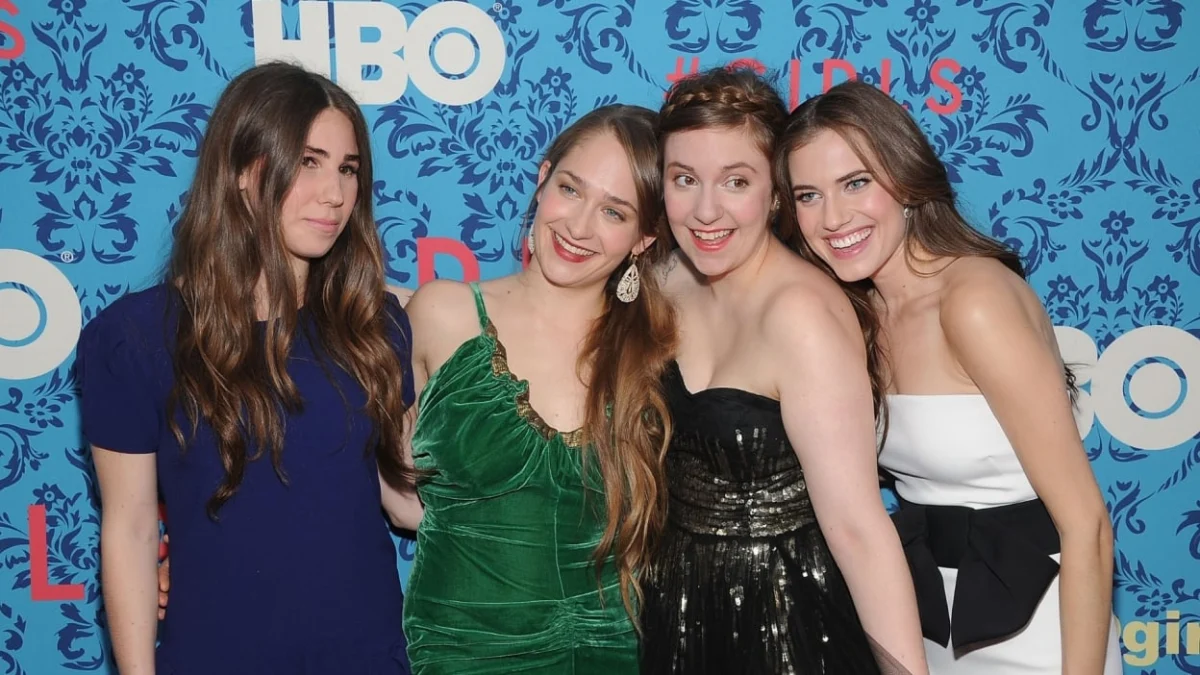
When Girls first premiered on HBO in 2012, it didn’t just spark a cultural conversation—it ignited a firestorm. Created by and starring Lena Dunham, the series followed the lives of four young women navigating the professional and romantic quagmires of New York City. For six seasons, Hannah, Marnie, Jessa, and Shoshanna served as mirrors for a generation of twentysomethings who were perpetually "on the verge" of adulthood, oscillating between insufferable narcissism and profound, relatable vulnerability.
Now, nearly a decade after the series finale aired in 2017, HBO has officially confirmed that the show is returning for a limited, five-episode revival. With the original cast—Dunham, Allison Williams, Jemima Kirke, and Zosia Mamet—all set to reprise their roles, the announcement has prompted a wave of nostalgia, apprehension, and, for many, a very specific set of demands.
The Cultural Legacy of ‘Girls’
To understand the significance of this revival, one must look at the landscape of 2012 television. Before the rise of the "prestige millennial dramedy," Girls occupied a singular space. It was gritty, unflinchingly honest about the realities of sex and ambition, and, at times, deliberately alienating.
The series captured a specific, fleeting moment in the digital age: the transition from early, optimistic social media use to the modern era of the "creator economy." The characters were the perfect avatars for this shift. Hannah Horvath’s declaration that she might be "the voice of a generation" became an instant meme—a line that was both a parody of millennial ego and a sincere reflection of the anxiety inherent in trying to define oneself in a noisy, digital world.
A Chronology of the ‘Girls’ Universe
- 2012: Girls debuts on HBO to critical acclaim and immediate controversy regarding its depiction of race and class in Brooklyn.
- 2014-2016: The series cements its place as a lightning rod for cultural discourse, with each season pushing the characters into deeper, more uncomfortable life choices.
- April 2017: The series finale airs, leaving the audience with a fractured, ambiguous look at the protagonists’ futures. Hannah is a mother, Marnie is disillusioned, Jessa is adrift, and Shoshanna is the only one who seems to have found professional stability.
- October 2026: After years of rumors and fan speculation, HBO announces a five-episode limited series revival, reuniting the core creative team.
The Evolution of the Characters: A Wishlist for the Revival
The primary question surrounding the revival is not if the characters have changed, but how they have processed the last ten years. The world of 2026 is vastly different from 2017. The platforms, social pressures, and economic realities of New York City have shifted. Here is a breakdown of what the narrative arc for these women should look like to maintain the show’s signature "messy" integrity.

1. The Professional Pivot: Wellness and Grift
Jessa Johansson was always the show’s wild card, a character whose penchant for self-sabotage was rivaled only by her charisma. In 2026, it is almost inevitable that Jessa would have leaned into the "wellness industrial complex." Imagine a Jessa who runs high-ticket, exclusionary healing retreats in the Hudson Valley, complete with raw milk diets and questionable "trauma certification." Her journey from bohemian drifter to corporate-wellness grifter feels like the natural evolution of her character’s trajectory.
Similarly, Marnie Michaels—the most performative of the group—would undoubtedly have pivoted to the world of "mommy-influencing." Her podcast, Becoming Marnie, would likely feature beige-themed decor, sponsored content for gut-health supplements, and a deeply curated, yet ultimately hollow, portrayal of domestic bliss that hides the cracks of a messy divorce.
2. The Digital Landscape: Hannah in the TikTok Era
Hannah Horvath’s relationship with the internet was always fraught. In the revival, seeing her navigate the transition from personal essayist to potential "TikTok villain" would be a masterclass in modern digital anxiety. The scenario writes itself: Hannah writes a raw, vulnerable essay about her son, only to be "cancelled" by a younger generation that interprets her perspective as performative or problematic. Her inability to handle the swift, unforgiving nature of viral feedback would be a poignant commentary on how the "voice of a generation" struggles to keep up with a faster, crueler discourse.
3. The Supporting Cast: Where are they now?
The revival would be incomplete without checking in on the men who shaped these women’s lives.
- Elijah (Andrew Rannells): Now a "gay elder" on Fire Island, Elijah serves as the bridge between the old guard of queer culture and the younger, more political generation.
- Ray (Alex Karpovsky): A local politician fighting the good fight against corporate gentrification and the rise of "TikTok tourists" in his beloved coffee shops.
- Joshua (Patrick Wilson): The "hot doctor" whose brief appearance in the original series left an indelible mark on fans. Seeing him navigate the dating scene in 2026 would provide a much-needed touchstone to the show’s early, more romanticized days.
Implications for the Revival
The success of this project hinges on one factor: the willingness of the creators to allow these characters to be "cringe." The magic of Girls was never in its protagonists’ growth; it was in their stagnation. If the revival attempts to "fix" these women or give them a tidy, happy ending, it will fail to honor the spirit of the original show.

The audience needs to see the friction of 2026. They need to see the characters grappling with the fact that their favorite bars have closed, their rent is triple what it used to be, and their "Gen Z" counterparts view their millennial sensibilities as outdated and, frankly, embarrassing.
Industry Response and Expectations
While official plot details remain under wraps, insiders suggest the limited series will focus on a "reunion" that forces the four women to confront their shared past and their disparate presents. HBO’s decision to limit the run to five episodes is a strategic move, likely designed to maintain the tight, focused narrative structure that made the original run so impactful.
For the fans who grew up alongside these characters, this revival is not just a reboot; it is an autopsy of the millennial experience. We want to see the mess. We want to see the failed ambitions, the awkward run-ins, and the realization that in New York City, you never truly stop being a "girl" trying to figure it all out.
As we await the premiere, one thing is certain: whether they are launching AI-generated art startups, writing Substack newsletters that nobody reads, or attempting to reclaim their dignity via a viral trend, these women will continue to be the most frustratingly real characters on television. And that is exactly why we are still watching.