The Indian electric two-wheeler (E2W) landscape is on the cusp of a significant transformation. As the nation pivots toward sustainable mobility, VinFast, the Vietnamese electric vehicle (EV) powerhouse, has officially signaled its intent to capture a substantial share of the market. By signing Letters of Intent (LoIs) with over 50 prominent dealer partners, the company has laid the structural foundation for a nationwide retail footprint, aiming to deploy e-motorcycle showrooms across 34 cities spanning 15 states and union territories.
This development marks a pivotal shift for the brand, which has spent the better part of the last year reassessing its multi-faceted entry strategy into one of the world’s largest automotive markets.
The Strategic Blueprint: Establishing a Retail Footprint
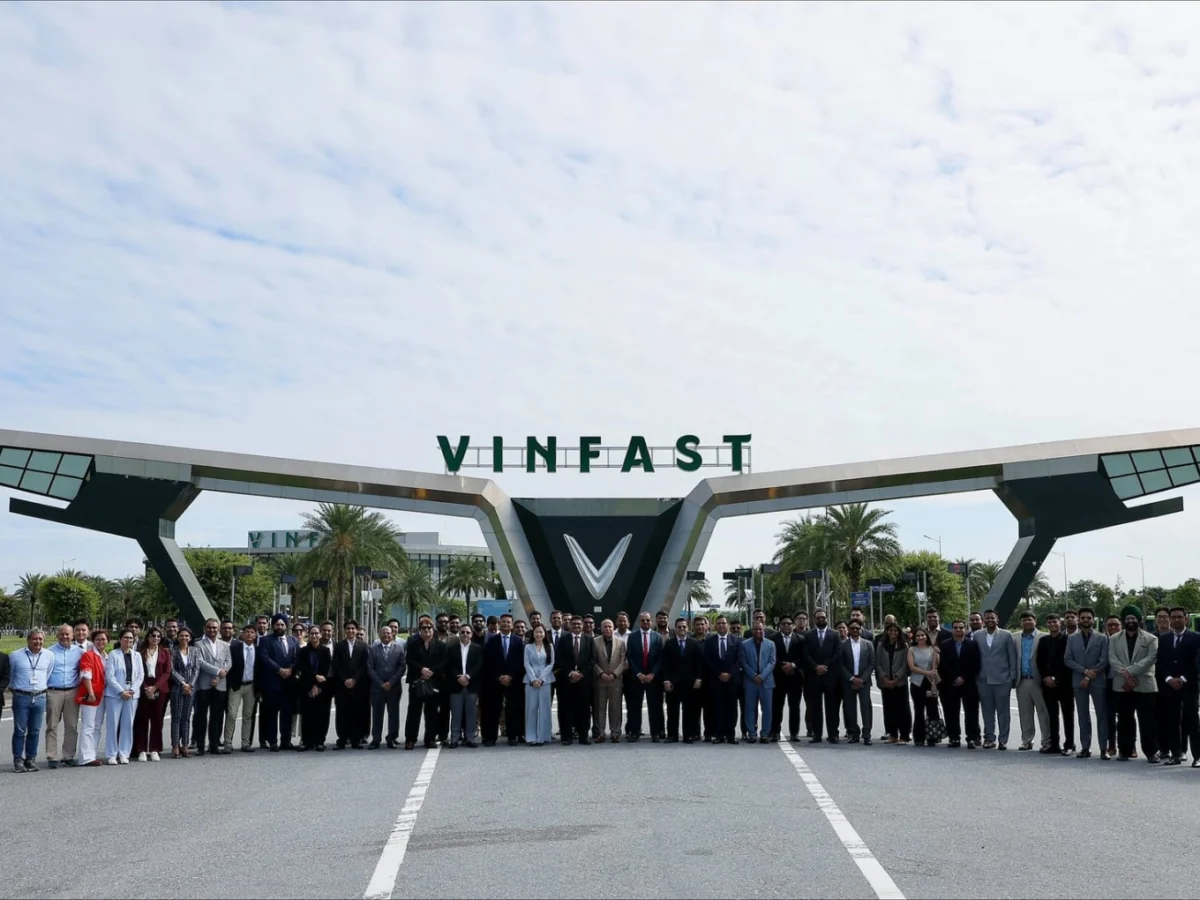
The recent signing of agreements at VinFast’s manufacturing facility in Hai Phong, Vietnam, is more than just a logistical update; it is a declaration of intent. The company is targeting high-growth urban clusters, including Delhi NCR, Rajasthan, Uttar Pradesh, Maharashtra, Karnataka, Tamil Nadu, and West Bengal.
By prioritizing these regions, VinFast is targeting the "low-hanging fruit" of the Indian EV market—cities where population density, rising fuel costs, and a growing consciousness toward green mobility align perfectly. However, the company’s vision extends beyond mere retail. Anurag Saxena, the India CEO of VinFast’s e-scooter division, emphasized that the dealer network will be supported by a robust ecosystem. "Partnering with more than 50 dealer partners marks the beginning of our journey. Alongside, we are building charging infrastructure and strengthening after-sales services to ensure that customers receive support throughout their ownership journey," Saxena stated.
This emphasis on after-sales and charging infrastructure is critical. In India, consumer anxiety regarding battery health, serviceability, and charging accessibility remains the primary barrier to mass adoption. By addressing these pain points upfront, VinFast is attempting to build trust—a currency more valuable than capital in the competitive Indian automotive sector.
Chronology: A Trajectory of Ambition and Reassessment
To understand the gravity of VinFast’s current moves, one must examine the timeline of its Indian foray, which has been characterized by both high-octane announcements and tactical pivots.
- Initial Entry Signal (Late 2023): VinFast first made headlines with its stated ambition to enter the Indian E2W and ride-hailing markets by 2026. At that time, the company pledged a massive $2 billion investment to establish a local manufacturing plant, targeting an annual production capacity of 1.5 lakh units.
- The Cooling Period (Early 2024): The initial fervor faced a reality check as global economic headwinds and shifting market dynamics caused the company to pause certain car production plans in India. Reports suggested a "strategic reset" as the management sought to reassess costs and supply chain viability.
- Pivot to E2Ws (Mid-2024): Following the reassessment, reports emerged that the company was pivoting its focus toward two India-specific EV models. This move reflected a deeper understanding of the local market, where affordable, high-utility electric motorcycles are often more commercially viable than premium electric passenger cars.
- The Dealer Milestone (Late 2024): The signing of the 50+ LoIs marks the transition from conceptual planning to operational execution, setting the stage for a commercial launch in the coming months.
Market Dynamics: Navigating a Crowded Battlefield
The Indian E2W segment is one of the most dynamic and fiercely contested spaces in the global automotive industry. VinFast is entering a market that has seen a 12.2% month-on-month surge in registrations as of September 2024, reaching over 2 lakh units.
The Incumbent Dominance
The market is currently bifurcated between legacy giants and new-age disruptors. Legacy players such as TVS Motor, Bajaj Auto, and Hero MotoCorp bring decades of brand equity, massive distribution networks, and the ability to scale production rapidly. Their transition to EV platforms has been aggressive, leveraging their existing service networks to assuage consumer fears.
The Disruptor Wave
On the other side are homegrown innovators like Ola Electric and Ather Energy. These companies have redefined the Indian consumer’s perception of "electric," focusing on software-defined vehicles, high-speed performance, and modern aesthetics.
The VinFast Differentiator
VinFast’s unique value proposition lies in its focus on e-motorcycles rather than e-scooters. While the market is saturated with step-through scooters, there remains a massive, untapped demand for high-performance electric motorcycles. In this niche, VinFast will lock horns with domestic players like Oben Electric, MATTER, and Ultraviolette. By targeting this segment, VinFast is attempting to bridge the gap between utility-focused commuters and performance-seeking enthusiasts.
Supporting Data: Why India?
The rationale for VinFast’s persistence in the Indian market is supported by compelling macroeconomic and microeconomic data:
- Fuel Price Sensitivity: With petrol prices remaining high, the Total Cost of Ownership (TCO) for an electric two-wheeler has become significantly lower than that of internal combustion engine (ICE) vehicles, making EVs the default choice for price-sensitive Indian consumers.
- Government Incentives: The Indian government’s continued push through schemes like FAME (Faster Adoption and Manufacturing of Electric Vehicles) and the Production Linked Incentive (PLI) scheme has provided the necessary fiscal cushion for manufacturers to localize production.
- The Gig Economy Factor: India’s rapid growth in quick-commerce and delivery platforms (Zomato, Swiggy, Blinkit) has created an unprecedented demand for reliable, low-maintenance E2Ws. Gig workers are the "power users" of E2Ws, and capturing this segment is often the key to rapid volume growth.
- Supply Chain Localization: By negotiating with local suppliers for India-specific models, VinFast is not only complying with "Make in India" requirements but also insulating itself from the logistical costs and import duties that often handicap foreign brands in the subcontinent.
Official Responses and Strategic Implications
VinFast’s entry signals a broader trend: India is no longer a peripheral market for global EV giants; it is a central battleground.
Industry analysts suggest that VinFast’s decision to build out the charging network alongside their retail presence is a calculated risk. While the upfront investment is significantly higher, it creates a "walled garden" experience that can foster brand loyalty. However, the company faces significant challenges. The Indian consumer is famously value-conscious, and establishing a brand identity in a market dominated by household names requires more than just capital—it requires a localized marketing approach that resonates with the cultural nuances of Indian riders.
"The success of VinFast will depend on their ability to localize," says a senior analyst at a leading automotive consultancy. "It isn’t just about the technology; it’s about the speed of service, the availability of spare parts in Tier-2 cities, and the competitive pricing of their models compared to the well-entrenched legacy players."
Conclusion: The Road Ahead
As VinFast moves toward establishing its physical presence, the Indian EV sector watches with keen interest. The signing of the LoIs is a clear sign that the company is moving past its "wait-and-see" phase and into an "aggressive expansion" mode.
If the company successfully executes its strategy—balancing its global manufacturing expertise with the specific, demanding requirements of the Indian commuter—it could set a new benchmark for international EV players looking to penetrate the Indian market. The next 18 months will be critical. With charging stations popping up in 34 cities and the rollout of their first India-specific motorcycles, VinFast is not just testing the waters; it is preparing to make a significant splash in the world’s largest two-wheeler arena.
The competition is ready, the infrastructure is maturing, and the consumer is waiting. VinFast’s journey in India is just beginning, and it promises to be one of the most significant narratives in the global electric vehicle transition.