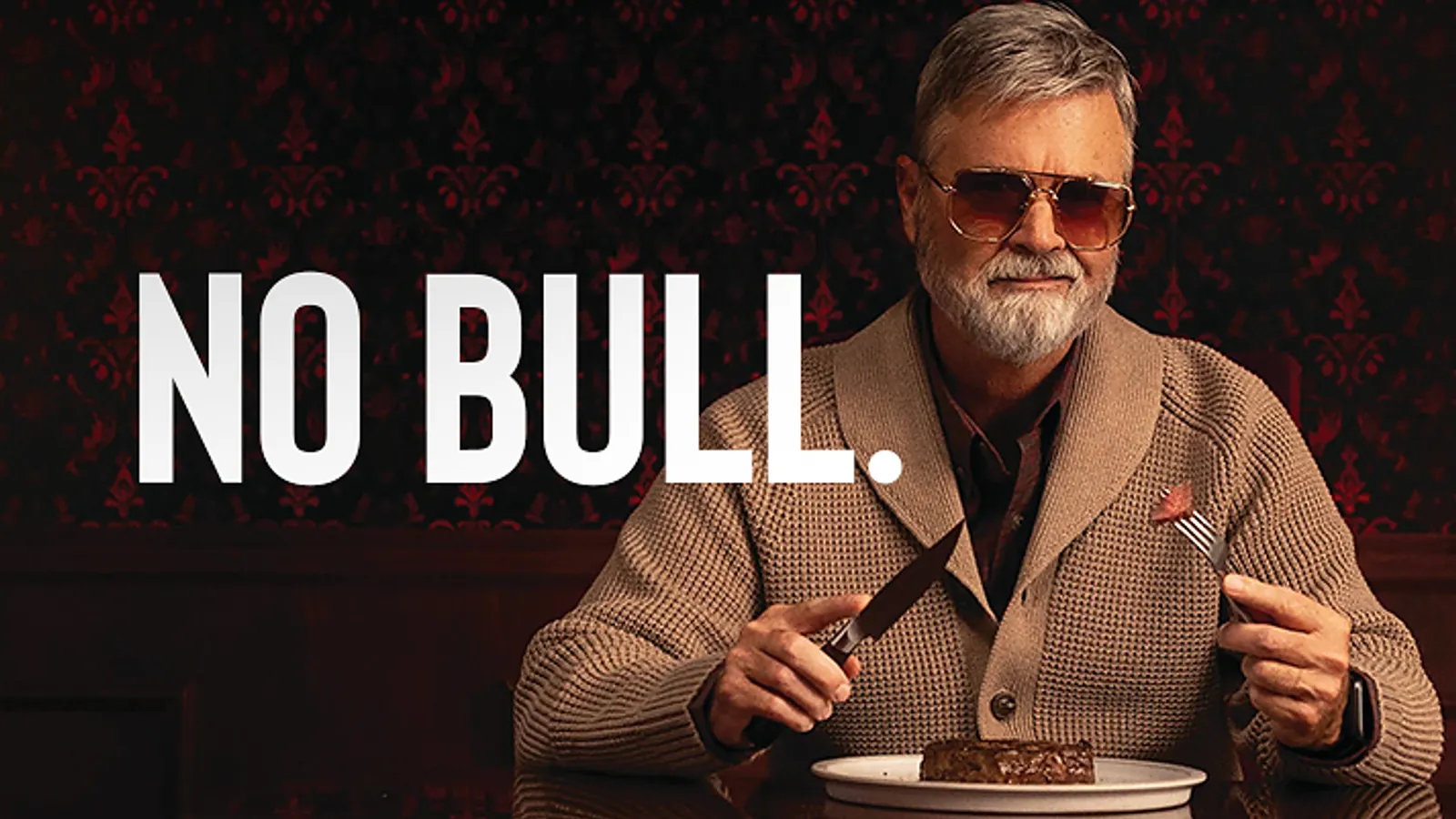
In an era where modern consumers are increasingly wary of "greenwashing" and vague corporate buzzwords, Omaha Steaks is orchestrating a profound strategic pivot. After more than a century of positioning itself as a purveyor of "gourmet" quality, the meat delivery giant is stripping away the marketing jargon to embrace a new, blunt, and transparent philosophy. With the launch of its "No Bull" campaign, the brand is making a concerted effort to move beyond its traditional reputation and connect with a younger, more skeptical demographic that demands to know exactly what they are putting on their plates.
The "No Bull" Mandate: A New Strategic Direction
The core of Omaha Steaks’ recent transformation lies in its rejection of ambiguous terminology. For decades, the brand relied on staples of the industry—words like "gourmet," "premium," and "quality"—that, while evocative, often lacked specific, actionable definitions for the consumer.
Angie Kubicek, Senior Director of Growth Marketing at Omaha Steaks, noted that the modern consumer is "busy" and lacks the patience for guesswork. "We have really kind of embraced this tonality of just being as clear and as direct as possible," Kubicek explained. "Consumers don’t want to have to give you guesswork to understand what we mean when we are saying quality."
The "No Bull" campaign, which debuted in September, serves as the primary vehicle for this shift. By leaning into a direct, no-nonsense tone, the company is attempting to define "quality" through tangible metrics: American sourcing, rigorous aging processes, and the expertise of hand-cutting butchers. The campaign, which permeates TV, radio, YouTube, podcasts, and influencer-led social media, marks a departure from the company’s historic reliance on price-based promotional marketing.
A Chronology of Transformation
The shift in marketing strategy did not occur in a vacuum; it is the culmination of several strategic pivots over the past two years designed to modernize the 109-year-old company.
- June 2025: The "America’s Table" Launch. The brand kicked off its modern marketing era with the "America’s Table" campaign. Featuring the gravitas of actor Kevin Costner, this effort focused on the emotional connection between Omaha Steaks and American history, positioning the brand as a constant companion through pivotal moments—from the Great Depression and World Wars to the moon landing and the COVID-19 pandemic.
- Early 2025: The Logistics Overhaul. Recognizing that a modern product is only as good as its delivery, the company significantly shortened its supply chain and shipping windows. By cutting average delivery times from over six days to less than 48 hours, with same-day delivery now operational in nearly 50 markets, Omaha Steaks addressed a major friction point for modern, convenience-oriented shoppers.
- September 2026: The "No Bull" Platform. Following the successful emotional anchoring of the brand via the Costner partnership, the company transitioned to the "No Bull" campaign. This phase was designed to address the "what" and "where" of their products, directly answering consumer anxieties regarding food sourcing and production transparency.
Data-Driven Growth: The Impact of Transparency
The move toward radical transparency has yielded immediate, measurable results. Within the first two weeks of the "No Bull" campaign, Omaha Steaks reported a 46% increase in conversion rates, signaling that the shift in messaging is resonating with a market hungry for authenticity. Furthermore, the brand saw a 130% surge in social media mentions, indicating that the campaign’s direct, conversational tone is successfully sparking dialogue across digital platforms.
This data is bolstered by the company’s internal insights, which consistently point to "country of origin" as a primary concern for today’s meat buyer. As the U.S. government navigates complex tariff policies—including recent moves to import millions of pounds of lean beef trimmings to address grocery costs—Omaha Steaks is betting that its commitment to American-raised cattle will be a significant competitive differentiator.
Industry Context: Why Sourcing Matters Now
The timing of Omaha Steaks’ shift is no accident. The U.S. protein industry is currently navigating a period of heightened consumer scrutiny. Because U.S. distributors are not legally required to disclose the country of origin for beef and pork unless they opt into a voluntary "Product of USA" label, consumers are often left in the dark about the origins of their grocery store purchases.
By explicitly stating that their product is sourced from the United States, Omaha Steaks is leaning into a "trust-first" model. In an environment where global supply chain volatility and inflation have made grocery shopping a stressful experience, the company is positioning its brand not just as a steak vendor, but as a reliable, transparent partner in the kitchen.
Bridging the Generations: Traditional Tactics Meets Modern Media
A critical challenge for a centenarian brand is maintaining the loyalty of legacy customers while capturing the attention of Gen Z and Millennials. Omaha Steaks is employing a "both-and" strategy to achieve this balance.
Supporting the Legacy Customer
For the company’s long-standing base, the brand maintains its traditional, high-touch service model. Customers who are accustomed to ordering via mail and speaking with human representatives can still do so. This commitment to the "human" element of the business acts as a safeguard against the growing consumer fatigue toward AI-driven interfaces and automated customer service.
Engaging the Modern Consumer
Simultaneously, the brand is investing heavily in influencer partnerships and social media content that strips away the formality of traditional food advertising. By utilizing platforms like YouTube and Instagram to show the "real craft" of their butchers, the company is demystifying the production process. The goal is to make the shopping experience "frictionless," allowing younger, time-starved consumers to quickly identify products that align with their specific lifestyles and dietary preferences.
Official Responses and Corporate Philosophy
The leadership at Omaha Steaks views this transition as a necessary evolution of their 109-year-old expertise. According to Kubicek, the company’s history is not a static relic but a foundation for current improvement.
"We now have 109 years of expertise that has helped us enhance how we’re presenting our product to customers," Kubicek stated. "There’s so much care and intentionality that goes behind how we bring our product to our customers, and so this campaign brings that forward."
The "No Bull" campaign’s signature 30-second spot summarizes this sentiment perfectly. The narrator acknowledges the company’s long history but immediately pivots, warning, "If you think we’re just your grandpa’s steak company, think again." This framing is an explicit invitation for the younger consumer to re-evaluate their perceptions of the brand.
Future Implications: The Standard of Radical Honesty
The implications of Omaha Steaks’ strategy extend beyond the protein industry. As companies across the retail spectrum grapple with how to reach modern audiences, the "No Bull" approach may become a new benchmark for brand communication.
1. The Death of Vague Marketing
Companies that continue to rely on amorphous, buzzword-heavy advertising risk being perceived as out of touch. The success of Omaha Steaks’ recent pivot suggests that consumers are willing to reward brands that define their value propositions with clarity and precision.
2. Operational Transparency as a Marketing Asset
Transparency is no longer just a corporate social responsibility initiative; it is a growth engine. By linking its marketing messaging to specific, verifiable operational facts—such as U.S. sourcing and hand-cutting techniques—Omaha Steaks has turned its supply chain into a primary marketing asset.
3. The "Phygital" Future
The brand’s ability to successfully blend the "old world" charm of direct mail and human customer service with the "new world" efficiency of two-day delivery and influencer-driven social media provides a blueprint for legacy companies. The key is not to abandon one for the other, but to integrate them in a way that provides value to every segment of the customer base.
As Omaha Steaks continues its push into the next century, the "No Bull" initiative serves as more than just an advertising campaign. It is a fundamental realignment of the brand’s identity with the values of a new, more discerning, and more demanding consumer base. By prioritizing clarity over hyperbole, the company is betting that the most effective way to sell a premium product is to simply tell the truth—and let the quality speak for itself.