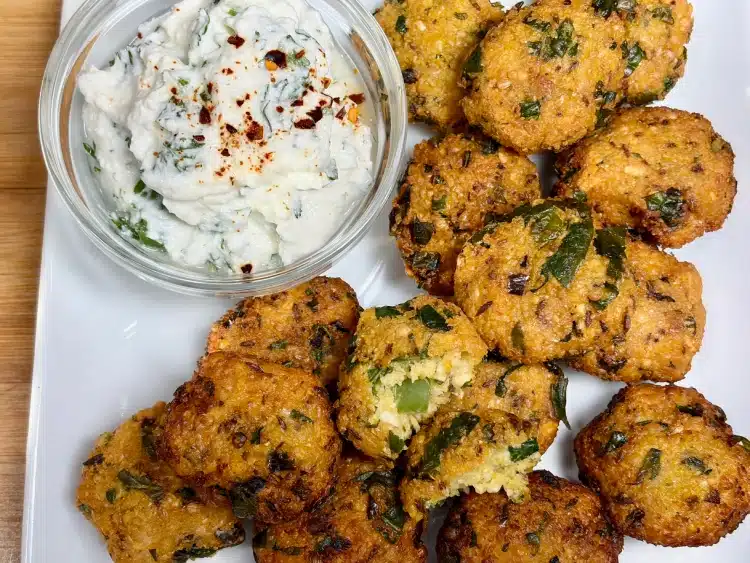
The culinary landscape of India is vast, yet few items bridge the gap between street-side indulgence and home-cooked comfort as effectively as the Mix Dal Vada, also known as Dal Pakora. These golden-brown, crispy lentil fritters are a staple in households across the subcontinent, offering a harmonious blend of textures and a nutritional profile that defies the traditional stereotype of “fried snacks.” As global interest in plant-based, gluten-free, and protein-dense diets continues to surge, the humble dal vada is finding its way from local tea stalls to international gourmet tables.
Main Facts: The Anatomy of a Crispy Dal Vada
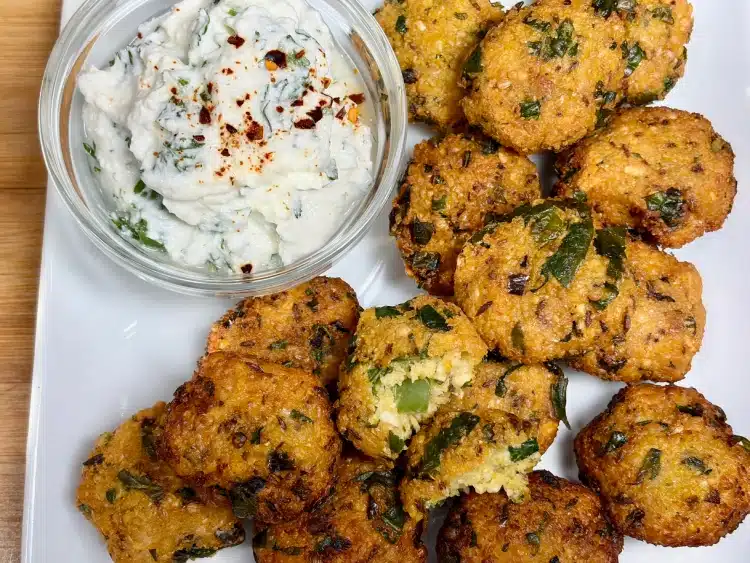
At its core, a mix dal vada is an exercise in textural contrast. The exterior is fried to a brittle, satisfying crunch, while the interior remains soft, moist, and aromatic. Unlike fritters made from refined flours, the dal vada relies entirely on the structural integrity of soaked lentils.
The secret to a superior vada lies in the selection of pulses. By combining different varieties—such as yellow moong, split masoor, and chana dal—chefs create a complex flavor profile. Each legume brings a distinct level of earthiness and creaminess to the batter. Because these pulses are high in plant-based protein and fiber, they provide a satiating quality that is rarely found in potato or flour-based snacks.
Furthermore, the preparation method—a coarse grind of soaked lentils rather than a smooth paste—is a critical technical detail. This granularity is what allows the hot oil to penetrate effectively, ensuring the snack is crispy rather than oily or dense.
Chronology: The Evolution of the Indian Fritter
The history of the pakora is as old as the history of spice trade and agriculture in the Indian subcontinent. While specific dates for the invention of the "Mix Dal Vada" are lost to antiquity, historians point to the emergence of lentil-based snacks during the Vedic period.
- Ancient Roots: Early Ayurvedic texts mention Vatakam, a type of fried food made from legumes, which served as a convenient source of energy for travelers and laborers.
- The Spice Integration: Over the centuries, as international trade routes introduced chilies, ginger, and cumin to the region, the simple lentil vada evolved from a plain savory cake into a vibrant, spiced delicacy.
- The Colonial Influence: During the 19th and 20th centuries, the integration of tea culture in India solidified the status of the pakora. As tea became a household beverage, the demand for savory "tea-time snacks" accelerated, leading to the proliferation of street-side stalls specializing in freshly fried vadas.
- Modern Resurgence: Today, the dish is experiencing a digital-era renaissance. Through platforms like YouTube and food blogs, home cooks are rediscovering the art of the vada, adapting it for modern kitchen appliances like air fryers and convection ovens.
Supporting Data: The Nutritional Advantage
While deep-frying is often viewed with skepticism by health professionals, the nutritional profile of the primary ingredient—lentils—offers a compelling counter-narrative.
| Nutrient Component | Benefit to the Body |
|---|---|
| Plant-Based Protein | Essential for muscle repair and long-term satiety. |
| Dietary Fiber | Promotes digestive health and stabilizes blood sugar levels. |
| Complex Carbohydrates | Provides sustained energy release rather than a sugar spike. |
| Micronutrients | Rich in iron, folate, and magnesium, vital for heart health. |
When prepared with minimal water and fried at the correct temperature, the vada acts as a sponge for flavor rather than a sponge for oil. When the oil is hot enough, the water content within the batter evaporates quickly, forming a protective crust that prevents excess oil absorption. This technical nuance makes the dal vada a significantly healthier alternative to processed snack foods or deep-fried wheat-based pastries.
Official Culinary Perspectives: The "No-Water" Rule
In professional kitchens, the debate regarding the preparation of vada batter is settled: less is more. Expert chefs emphasize that the addition of water during the grinding process is the "death knell" for a crispy vada.
"If you add water to your dal, you are inviting sogginess," explains one leading culinary consultant. "The goal is to achieve a texture that holds its shape without the need for binding agents like cornstarch or flour. By using the moisture retained in the lentils after soaking, you ensure a thick, coarse batter that fry-up perfectly."
Furthermore, culinary experts advocate for "patience in the prep." The lentils must be soaked for at least four to six hours. This not only softens the pulse but also aids in digestibility, reducing the antinutrients that can cause bloating—a common concern with legumes.
Implications: The Future of the Indian Snack Industry
The implications of the dal vada’s popularity are significant for the food industry. As the world shifts toward sustainable protein sources, the humble lentil is being rebranded as a "superfood."
1. The Global Snack Market
There is an increasing demand for gluten-free, vegan snacks that do not rely on highly processed ingredients. The dal vada fits perfectly into this market segment. With minor adjustments—such as air-frying—this traditional snack can easily compete with Western offerings like falafel or hash browns.
2. Home Cooking vs. Convenience
The rise of the "home-chef" movement has placed a spotlight on the DIY aspect of the vada. Because the ingredients are affordable and pantry-friendly, it has become a symbol of accessible cooking. As more people work from home, the "afternoon tea break" is being revitalized, with the mix dal vada acting as a central component of this micro-culture.
3. Culinary Innovation
We are seeing a trend of "Fusion Vadas." By incorporating ingredients like kale, spinach, or even quinoa into the traditional lentil batter, chefs are pushing the boundaries of what a pakora can be. These innovations ensure that the dish remains relevant to younger, health-conscious demographics while maintaining its traditional identity.
Frequently Asked Questions: Expert Guidance
Q: Is it necessary to mix multiple dals, or can I stick to one?
A: While a single-dal vada (like a Moong Dal Vada) is delicious, the mix is superior. The different starches and proteins in various dals react differently to heat, resulting in a more complex mouthfeel.
Q: What is the ideal temperature for frying?
A: The oil should be medium-hot. If it is too cool, the vadas will absorb the oil and become greasy. If it is too hot, they will burn on the outside while remaining raw on the inside. A steady medium heat is the sweet spot.
Q: Can I store the leftovers?
A: Yes. While they are best consumed fresh, they can be stored in the refrigerator for up to 48 hours. To restore their crispiness, avoid the microwave; use an oven or air fryer at 350°F (180°C) for a few minutes.
Q: Are they truly vegan?
A: Yes, the classic recipe is inherently vegan and gluten-free, provided that the frying oil used is plant-based and the spices are pure.
Conclusion
The Mix Dal Vada is more than just a snack; it is a testament to the sophistication of traditional Indian cooking. It balances the need for convenience with the necessity of nutrition, proving that simple, whole-food ingredients can produce extraordinary results. Whether enjoyed in a bustling city street or a quiet kitchen, the crunch of a perfectly fried dal vada remains a timeless sensory experience—one that continues to evolve while honoring its storied roots. As we look toward a future of more conscious eating, this golden, protein-packed fritter stands ready to take its place on the global stage.