Brno, often affectionately dismissed as a “village” by its larger neighbor, Prague, is proving that size is no barrier to monumental creative output. As the Czech Republic’s second-largest city, Brno boasts a staggering population of 80,000 students and a burgeoning tech sector, creating a high-pressure, high-creativity environment that has made it the undisputed epicenter of the nation’s maker movement.
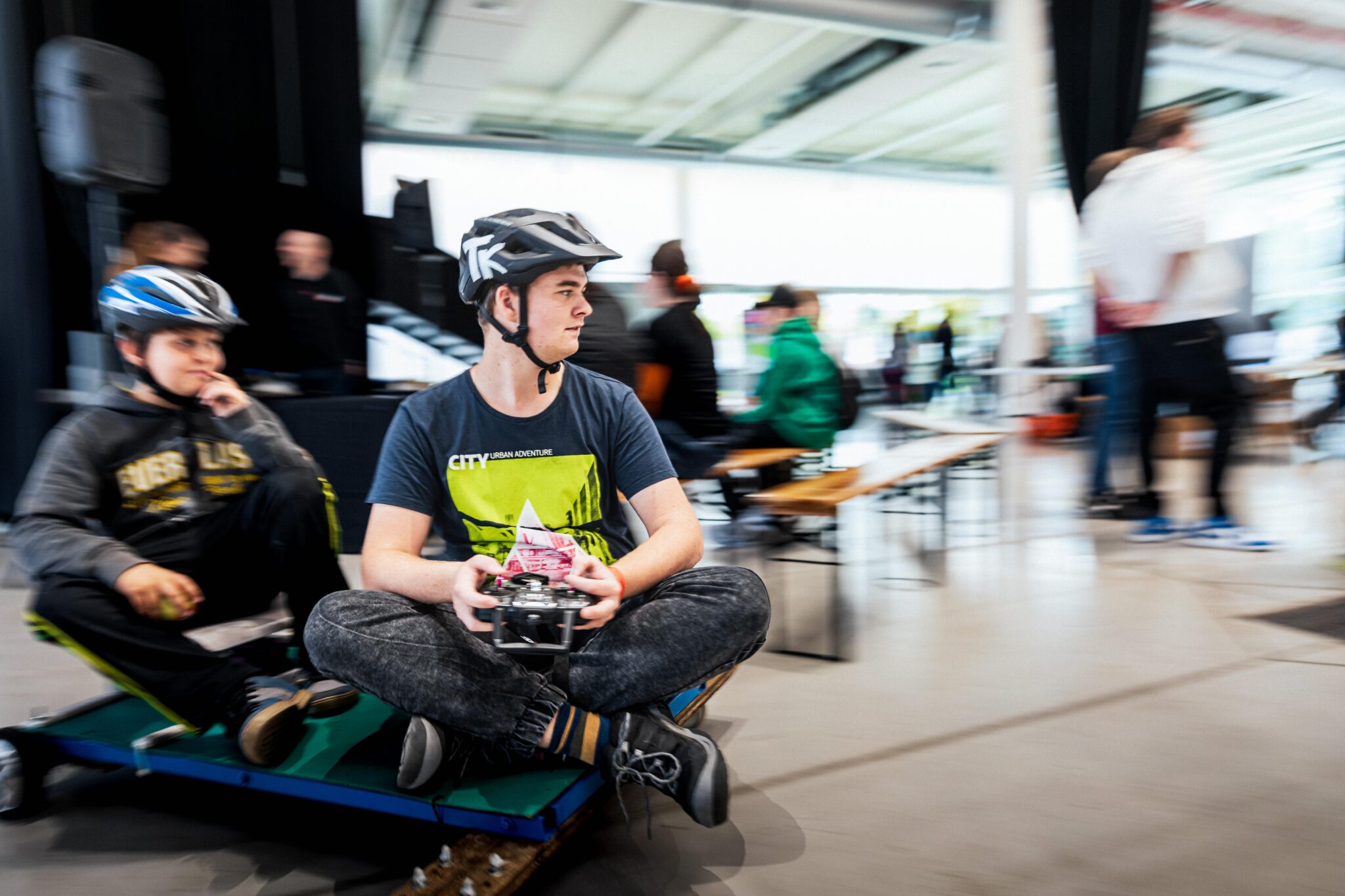
This weekend, October 17–18, 2026, the city hosts the eighth edition of Maker Faire Brno. What began in 2019 as a local experiment in communal building has exploded into a premier event, drawing roughly 7,500 attendees and hundreds of innovators from across Europe. Supported by the tireless work of the "Make More" team and the local expertise of Fab Lab Brno, this year’s exhibition is a testament to how grassroots ingenuity, when supported by institutional partnerships, can drive technological progress.

The Architecture of Curiosity: A Venue Built for Discovery
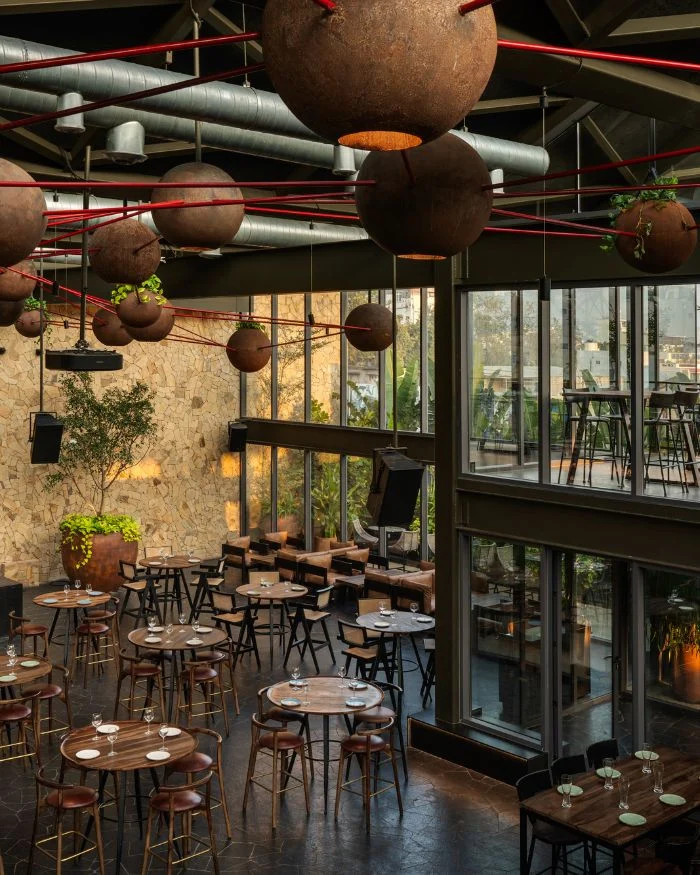
The magic of the 2026 Maker Faire Brno lies as much in its setting as in its substance. The city’s historic and sprawling Exhibition Halls—characterized by soaring ceilings, vast glass panes that flood the space with natural light, and even an integrated planetarium—provide an industrial-chic backdrop that mirrors the spirit of the maker movement itself.

The layout is intentionally designed to encourage serendipity. Attendees navigating the "nooks and crannies" of the venue are just as likely to encounter a high-end 3D-printing demonstration as they are a DIY electronics workshop or a mechanical tinkering station. It is a space where the boundaries between academic engineering, artistic expression, and hobbyist experimentation are not just blurred—they are entirely erased.

Prusa: The Engine Room of Czech Ingenuity
No discussion of the Czech maker scene is complete without mentioning Prusa. Having recently made waves at the Bay Area Maker Faire, the company has brought its signature "maker-first" philosophy back to its home turf. Prusa is more than just a manufacturer; it is a cultural cornerstone that has proven that vertical integration—keeping design, engineering, and manufacturing under one roof—is the most effective way to foster rapid innovation.

At this year’s event, Prusa has introduced a high-stakes challenge: the "Maker Challenge." Participants are invited to use the company’s latest 3D-printing technology to breathe new life into discarded items, transforming waste into functional, everyday tools. It is a masterclass in sustainability and circular economics, with the potential for top participants to walk away with a new printer, further fueling the cycle of creation that defines the Brno ecosystem.

A Curated Look at the 2026 Maker Lineup
The 2026 exhibition features a diverse array of projects that highlight the breadth of the local maker spirit. Among the standout entries are:

- Acoustika 3D (SIMPLIXITY): A custom-engineered, 3D-printed loudspeaker that bridges the gap between high-fidelity audio and structural design. It invites attendees to disassemble the unit to understand how internal enclosure geometry dictates sound quality.
- Sublisica: A fascinating fusion of cryo-chemistry and art. Maker Jan Grygerek has developed a proprietary engraving machine capable of preserving the fleeting, crystalline patterns of frozen soap bubbles onto glass surfaces.
- Biouhel (Biochar): Addressing the agricultural sector, this project demonstrates a simple, scalable method for converting garden waste into nutrient-rich, carbon-sequestering "black gold," offering a tangible solution for urban soil health.
- KAMaRAD: A sophisticated prototype from the Brno University of Technology. By utilizing millimeter-wave radar, this project aims to enhance safety for cyclists by detecting hazards in blind spots that traditional optical cameras might miss.
- RaveBOX: A testament to the joy of electronic experimentation, this device functions as a hybrid synthesizer and sequencer, encouraging participants to manipulate analog knobs to generate complex, rhythmic soundscapes.
The Educational Imperative: Hands-On Mastery
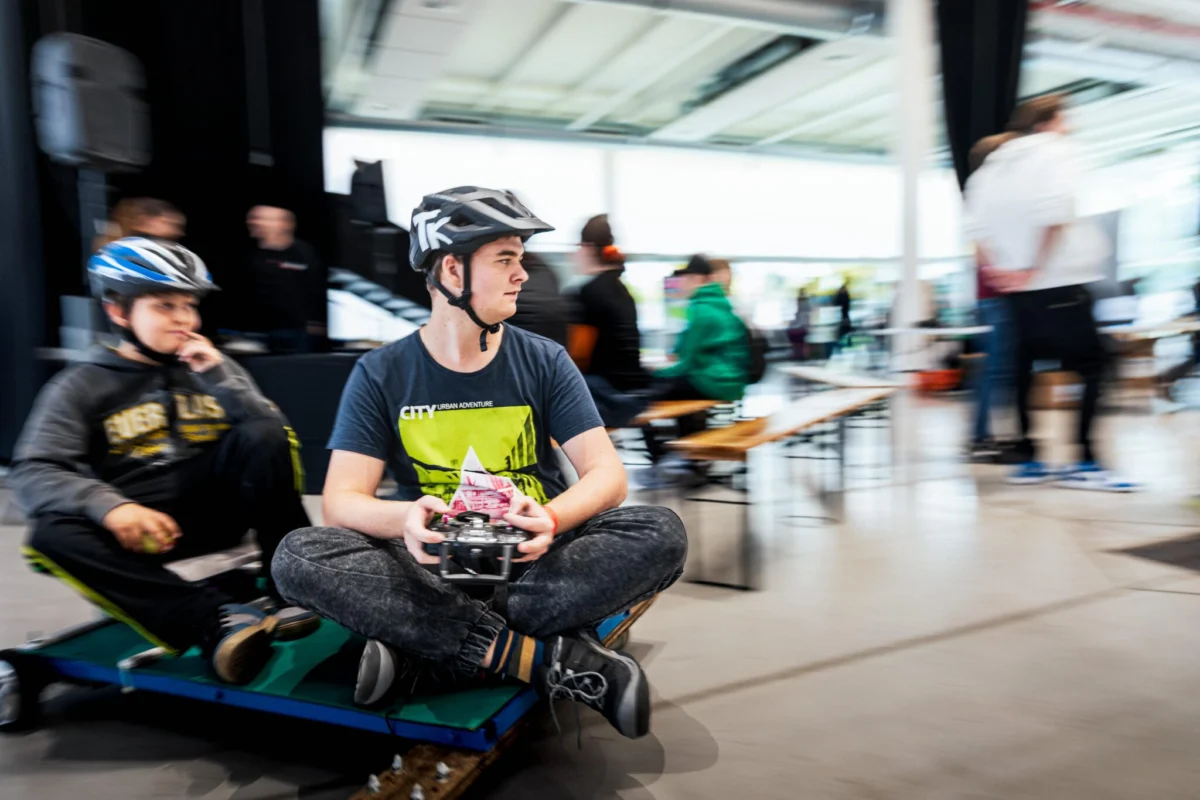
Maker Faire Brno has evolved beyond a simple showcase; it is now a massive, open-air classroom. The 2026 workshop program is comprehensive, offering sessions that range from 30-minute introductory "tasters" to 90-minute deep dives into technical subjects.

Whether it is children building water rockets powered by nothing more than compressed air and physics, or seasoned engineers learning to solder STM32 microcontrollers, the common thread is "learning by doing." The workshop tracks are divided into several key pillars:

3D Printing and Additive Manufacturing
Newcomers are guided through the basics of the "first layer" and space-themed modeling, while more advanced participants tackle the complexities of ceramic 3D printing and parametric design.

Robotics and Coding
This track focuses on the democratization of high-tech skills. Attendees can build and program Otto robots, assemble combat-ready machines, or learn the intricate art of soldering to build their own digital hardware.

Aerospace and the "Think Like an Engineer" Track
In collaboration with the YSpace and SoRC teams, this track allows participants to engage with real-world aerospace challenges, including the design of CubeSat models—small, modular satellites that are currently transforming the space industry.

Textiles and Analog Craft
Proving that the maker movement isn’t just about silicon and steel, the Nitlab workshop demonstrates how punch-card technology—the grandfather of modern computing—can be used to automate complex knitting patterns, resulting in unique, patterned textiles.

The Implications: A Model for Regional Development
The success of the Brno Maker Faire has profound implications for regional economic and educational development. By creating a physical hub where students, hobbyists, and industry professionals can intermingle, the event acts as an incubator for the next generation of Czech talent.

The inclusion of a "Repair Zone" highlights a broader shift toward the Right to Repair movement, encouraging a culture of maintenance over consumption. This is a critical pivot, particularly in a region with a strong industrial heritage. When a student learns to repair a bearing on a skateboard or re-solder a circuit on a smart display, they are not just fixing an object; they are reclaiming agency over the technology they use daily.

Furthermore, the involvement of academic institutions like Masaryk University and the Brno University of Technology underscores the importance of public-private partnerships. When universities take their research out of the lab and onto the festival floor, they demystify complex subjects like AI, robotics, and sensors, making them accessible to the public.

Looking Toward the Future
As the festival concludes this weekend, the momentum is unlikely to dissipate. The connections made on the exhibition floor—between a student looking for a project and a company looking for talent, or a tinkerer looking for a solution and an engineer offering it—are the true outputs of the Maker Faire.

For those who missed the event in Brno, the "Maker spirit" continues to migrate; Prusa and several other key contributors are already preparing for the next leg of the circuit at Maker Faire Rome. However, for the attendees in Brno, the legacy of the 2026 event will be found in the workshops, the home-built machines, and the small, defiant creative acts that prove that even a "village" can build the future of technology.

Whether you are an aspiring inventor or a curious observer, the message of the 2026 Maker Faire is clear: the tools of creation are more accessible than ever, and the only barrier to entry is the willingness to start. As the event closes, the organizers invite the community to continue the dialogue on their Discord server, ensuring that the collaboration initiated in the Exhibition Halls lasts long after the final speaker has been packed away.