In the complex tapestry of infectious diseases, few pathogens are as elusive and formidable as Burkholderia pseudomallei. Often referred to as "the great mimicker," this bacterium is the causative agent of melioidosis, a severe, life-threatening condition that frequently evades clinical detection. As India grapples with a rising number of documented cases, medical experts are sounding the alarm: the disease is far more prevalent than previously assumed, and its ability to masquerade as other common illnesses—like tuberculosis or localized bacterial infections—is leading to significant diagnostic delays and, tragically, preventable mortality.
The Clinical Challenge: When Biology Misleads
The diagnostic journey for a patient with melioidosis is often fraught with misdirection. Because B. pseudomallei can infect almost any organ system, its clinical presentation is remarkably broad.
In a recent case report authored by Dr. Atish Mohapatra, an Assistant Professor in the Department of Microbiology at the Kalinga Institute of Medical Sciences, Bhubaneswar, the treacherous nature of this disease was highlighted. The patient, a 48-year-old man with uncontrolled diabetes, presented with a persistent swelling in his left lower limb, accompanied by high fever and acute breathlessness. Initial laboratory efforts were hindered when an ankle-joint sample was erroneously identified as Acinetobacter baumannii complex. Simultaneously, radiological findings in his lungs suggested a diagnosis of tuberculosis—a common pitfall in high-burden settings. It was only after intensive culture analysis of both blood and joint pus that the true culprit, B. pseudomallei, was identified. Through a rigorous 21-day treatment regimen, the patient’s blood cultures eventually cleared, marking a hard-won recovery.
This is not an isolated phenomenon. In 2026, Dr. Mohapatra and his colleagues documented an even more complex case: a 25-year-old patient living with both sickle cell disease and type 1 diabetes. The patient presented with disseminated melioidosis that had invaded his bones and lungs, leading to a splenic abscess and a life-threatening pulmonary embolism. Such cases underscore the vulnerability of immunocompromised individuals, particularly those with metabolic disorders, to this opportunistic soil-borne pathogen.
The Mechanics of Infection: An Environmental Adversary
B. pseudomallei is a saprophytic bacterium residing primarily in the soil and groundwater of tropical and subtropical regions. Unlike many pathogens that rely on human-to-human transmission, melioidosis is an environmental disease.

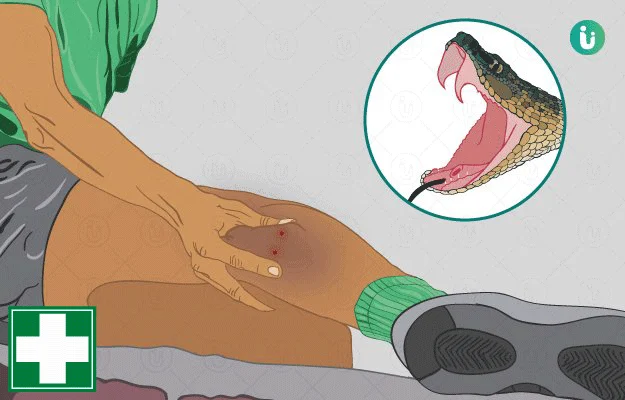
Infection typically occurs through inoculation, where contaminated soil or water enters the body via small cuts, abrasions, or puncture wounds. Inhalation of contaminated dust during high-wind events or monsoon-driven aerosols is another significant route of transmission. Less commonly, the ingestion of contaminated water can lead to infection. While person-to-person transmission is considered exceptionally rare, there have been documented instances of mother-to-child transmission, including through breast milk.
The clinical manifestations are vast: the disease can present as pneumonia, bloodstream infections, soft-tissue abscesses, or septic arthritis. In its most severe form, it progresses to septic shock and multi-organ failure. Because symptoms—such as persistent fever, cough, and weight loss—closely mirror those of tuberculosis, patients often undergo months of ineffective treatment before the correct diagnosis is reached.
Supporting Data: A Multi-Centre Perspective
The scale of the issue was brought into sharp focus by a seminal study published in The Lancet Global Health. Led by Dr. Nitin Gupta of the Department of Infectious Diseases at Kasturba Medical College, Manipal Academy of Higher Education, the study evaluated high-risk hospitalized adults across 15 tertiary-care centers in India between January 2023 and December 2025.
Out of 2,953 patients assessed, 262—or 8.9%—were confirmed to have melioidosis. The mortality rate among those diagnosed was a sobering 19.1%. These figures highlight that melioidosis is not merely a medical curiosity but a significant contributor to hospital-based morbidity and mortality. The data also revealed geographical hotspots, with significant proportions of cases identified in Odisha (26%), Madhya Pradesh (22.7%), and Karnataka (19.3%). While these figures reflect the patient populations of specific hospital cohorts rather than statewide prevalence, they provide a critical baseline for understanding the regional burden of the disease.
Diagnostic Bottlenecks: Laboratory Hurdles
Why does this disease continue to evade detection? The answer lies in the intersection of clinical oversight and laboratory limitations.

"The symptoms are often nonspecific," explains Dr. Madhumitha R., Senior Consultant in Infectious Diseases at MGM Healthcare, Chennai. "Clinicians may not think to include melioidosis in their differential diagnosis, and microbiologists may lack the specific training or tools to identify the organism, especially when automated systems like VITEK 2 return false identifications."
Even advanced technology is not a panacea. While MALDI-TOF mass spectrometry is highly accurate for identifying B. pseudomallei, its high cost and lack of availability in smaller, rural centers remain significant barriers. PCR-based molecular testing offers a faster route to confirmation, but these tests are not yet standard in the majority of Indian public health facilities. Consequently, the reliance on traditional culture-based diagnostics remains the gold standard, yet it is often compromised by prior antibiotic use, which can suppress the bacteria and lead to false-negative results.
Official Responses and Strategic Management
The National Centre for Disease Control (NCDC) has taken proactive steps, releasing technical guidance in their 2025 manual on zoonotic diseases of public health importance. The recommended treatment protocol is bifurcated: an intensive intravenous phase followed by a long-term oral eradication phase.
For the intensive phase, Ceftazidime is the primary choice, though Meropenem is reserved for cases involving neurological symptoms or septic shock. The duration of this phase is grueling, often lasting several weeks, and must be followed by months of oral trimethoprim-sulfamethoxazole to prevent the high rate of relapse associated with the disease.
"Treatment must be highly individualized," says Dr. Neha Rastogi Panda, a senior consultant in Infectious Diseases at Fortis Hospital. "It is not just about antibiotics; it involves the surgical drainage of deep-seated abscesses, the strict management of underlying diabetes, and prolonged monitoring. If the treatment is cut short, the patient is at a high risk of recurrence."

Implications for Public Health
As we look toward the future, the experts are unanimous: India must transition from a reactive approach to a proactive, surveillance-based model.
1. Strengthening Surveillance
A phased surveillance system is required, beginning with regional hubs that have the diagnostic capability to confirm the disease and expanding outward. This system should track not just the number of cases, but also environmental exposure links, antibiotic susceptibility patterns, and long-term outcomes.
2. Clinical Awareness and Education
Medical curricula and continuing medical education (CME) programs must emphasize the clinical markers of melioidosis. Increased awareness among frontline physicians—particularly those working in agricultural regions during monsoon seasons—could lead to earlier diagnostic intervention and, consequently, lower mortality rates.
3. Preventive Strategies
For populations at high risk, including farmers and individuals working with wet soil or groundwater, protective measures are the first line of defense. Simple interventions, such as the use of waterproof footwear, the prompt cleaning of skin lacerations, and the avoidance of stagnant, potentially contaminated water, can significantly reduce the risk of infection.
4. Improving Diagnostic Referral Pathways
The disconnect between clinical suspicion and laboratory confirmation must be bridged. When a physician suspects melioidosis, clear referral pathways should ensure that clinical samples are routed to laboratories equipped with the appropriate diagnostic expertise. Enhanced communication between the clinical team and the microbiology department remains the most effective tool in the diagnostic arsenal.

Conclusion: A Path Forward
Melioidosis represents a significant, yet manageable, public health challenge in India. The progress made in the last few years—from the publication of detailed case reports to large-scale multi-center studies—is a testament to a growing medical commitment to tackling this "great mimicker."
However, as the recent data suggests, the human cost remains high. To reduce the mortality associated with B. pseudomallei, India must harmonize its clinical awareness with robust laboratory infrastructure and systematic surveillance. By treating melioidosis not as an unusual occurrence but as a recognized risk in the tropical environment, the medical community can move toward a future where early detection is the norm, and the shadow of this silent, soil-borne threat is finally lifted.