In an era where digital noise is at an all-time high, the ability to build genuine trust and leverage emerging technology is no longer a luxury—it is a competitive necessity. This week’s industry insights reveal a significant shift in how marketers must approach their craft: moving away from the "spray and pray" methodology toward intentional, high-trust, and AI-augmented workflows.
As we analyze the latest developments from platforms like Instagram, TikTok, Reddit, and Meta, one theme emerges: the transition from "knowing how to use a tool" to "mastering the workflow."
The Trust Loop: Rethinking LinkedIn Credibility
The modern prospect is skeptical. In a landscape saturated with anonymous reviews and bot-generated feedback, how does a professional stand out? According to insights from Social Media Marketing World, the answer lies in the LinkedIn Trust Loop.
The Mechanics of Credibility
Most marketers make the mistake of scattering their social proof across various disconnected websites. While testimonials on a personal site are valuable, they often lack the granular verification that high-end clients demand.
The strategy is simple yet potent: utilize your LinkedIn Recommendations URL as a primary conversion asset. Because LinkedIn recommendations are tethered to verified professional identities—complete with job titles, company affiliations, and historical professional data—they are functionally resistant to the common AI-driven fabrications that plague review sites.
Implications for Client Acquisition
When you direct a prospect to your LinkedIn recommendations, you are providing a "chain of custody" for your reputation. This creates a frictionless path for a prospect to vet you, reducing the "cognitive load" required to trust your services. By centralizing your social proof on a platform that functions as a professional resume, you transform a standard sales call into a validation exercise where the client has already done their due diligence before ever picking up the phone.

YouTube Strategy: Retention Over Reach
The allure of short-form video content has blinded many creators to the power of long-form, evergreen assets. While short-form content can provide a quick spike in visibility, it rarely builds the deep-seated trust required for high-ticket conversions.
The Retention Paradigm
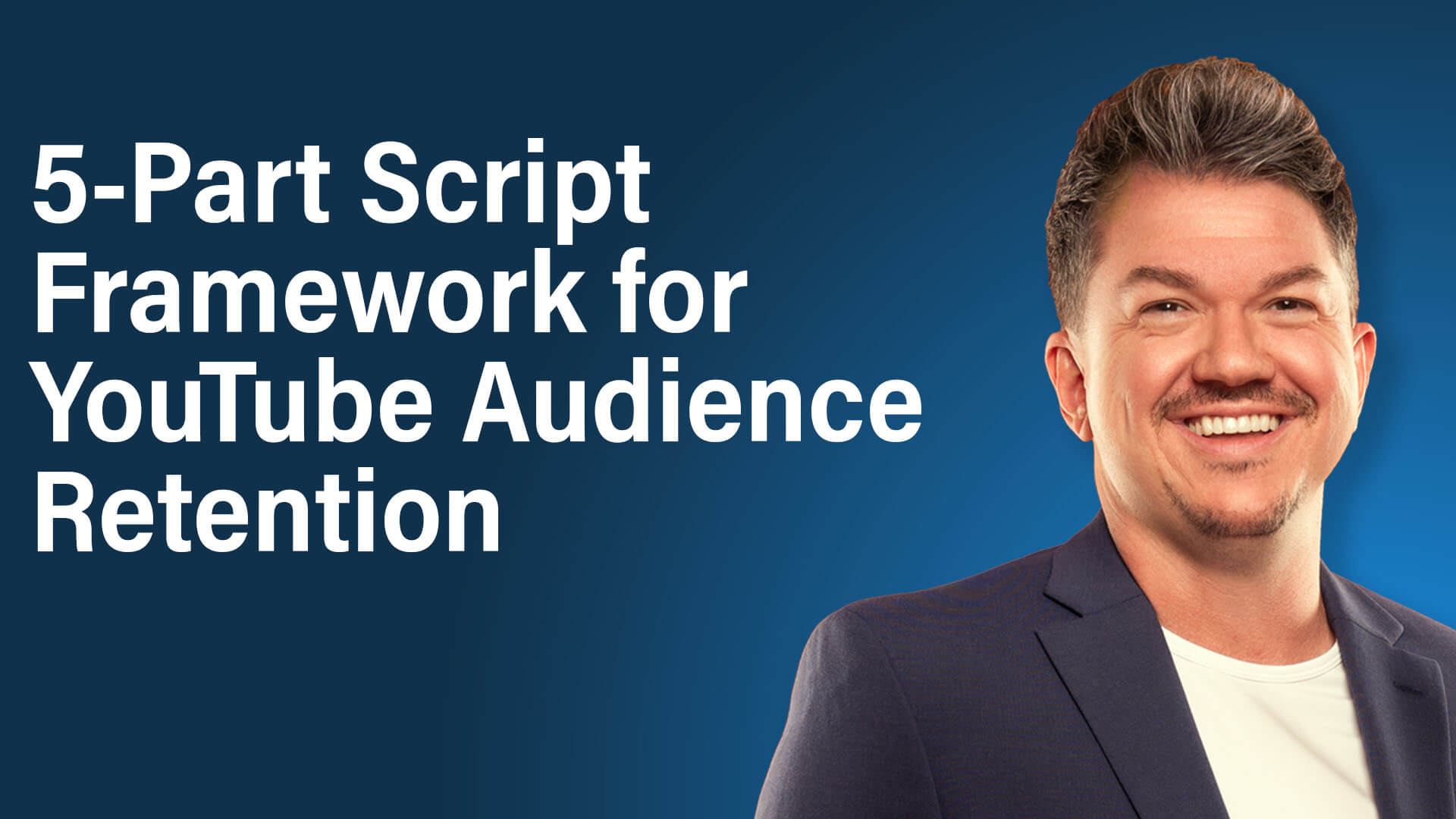
Adam Ivy, founder of the YouTube Revenue Lab, argues that the focus should shift from "how many people watch" to "who is watching." A handful of viewers who are deeply engaged with your long-form content are exponentially more valuable than thousands of "distracted scrollers" who view your clip for three seconds before moving on.
The Anatomy of a High-Retention Video
To turn viewers into customers, Ivy highlights four critical pillars:
- The Emotional Hook: You have mere seconds to capture attention. Success hinges on an opening that taps into a specific pain point or desire without revealing the solution prematurely.
- Narrative Sequencing: Avoid the trap of "numbered steps." While helpful, they can become predictable. Instead, focus on transition techniques that maintain momentum, keeping the viewer engaged through psychological pacing rather than just information delivery.
- Soft-Touch CTAs: Engagement should be organic. By asking questions that prompt specific feedback, you signal to the algorithm that the video is providing value. Lead magnets should be integrated as casual solutions to the problems discussed, rather than high-pressure sales pitches.
- Momentum-Based Closures: A long, drawn-out sign-off is the death of a viewing session. By wrapping up quickly and directing the viewer immediately to the next relevant video, you maintain the "session time" that YouTube’s algorithm rewards.
Chronology of Industry Updates: The AI Integration
The landscape of digital advertising is undergoing its most radical transformation since the advent of programmatic bidding. The following timeline tracks the rapid deployment of agentic AI across major platforms.
- Early Week: Instagram updates its "Edits" application to include robust carousel creation tools, allowing for the integration of photos, video, and custom stickers.
- Mid-Week: Meta announces a massive expansion of AI advertising tools, moving from simple creative generation to end-to-end campaign management and "in-conversation" checkout experiences.
- Late Week: Reddit formalizes its move into high-intent lead generation with the launch of "Max" campaigns and deep CRM integrations, positioning the platform as a serious contender for B2B marketers.
- Current: TikTok matches the industry pace, rolling out "Agentic Leads" and a specialized TikTok Ad Network designed to extend brand reach far beyond the native app environment.
Supporting Data: Why "Agentic" AI Matters
The shift from "Generative AI" (which creates text or images) to "Agentic AI" (which performs tasks and makes decisions) is the most critical trend for 2026.
Data from recent creator experiments—such as those conducted by the team behind the "Road to 3000" docuseries—illustrates the efficiency gains:
- Workflow Automation: By training AI on specific feedback loops, creators are moving from manual scheduling to "command-based" operations.
- Tool Synergy: The most successful marketers are no longer relying on a single AI. They are "stacking" tools—for instance, using Claude to coordinate with Gemini—to leverage the unique sensory and analytical strengths of each model.
- Transparency as a Metric: Audience data confirms that transparency regarding the "process" of creation outperforms polished, final-result content. Fans are increasingly interested in the how, not just the what.
Official Responses and Platform Implications
The major platforms are no longer just social networks; they are becoming full-funnel business operating systems.
Meta’s Vision for Conversational Commerce
Meta’s move to incorporate AI assistants directly into the checkout experience is a direct response to the "shortening of the sales cycle." By allowing users to discover a product, ask questions of an AI agent, and finalize a purchase without leaving the Meta ecosystem, the company is effectively removing the "friction of the redirect."
The "Native Tab Bar" Debate
Instagram Head Adam Mosseri addressed ongoing technical challenges regarding the iOS interface. While Apple’s native tab bar has finally gained image support, Instagram continues to face hurdles related to video-color rendering and gesture-based navigation. This highlights the ongoing "tussle" between platform creators and operating system developers, where the user experience is often dictated by the limitations of the underlying hardware software.
Reddit’s Pivot to Performance
Reddit’s expansion into CRM integrations is a signal that the platform is moving toward maturity. By allowing advertisers to route data directly into their own workflows, Reddit is shedding its reputation as an "awareness-only" platform and becoming a viable channel for bottom-of-funnel lead generation.
Implications for the Future of Marketing
As we look toward the remainder of the year, three major implications stand out for professionals:
- The Death of the Generalist Marketer: The era of the "all-around marketer" who knows a little bit of everything is fading. The future belongs to the Workflow Architect—someone who can identify which AI tool is best for a specific task and string them together into an automated, high-output system.
- Platform Dependency vs. Ownership: With platforms like Meta and TikTok aggressively pulling the entire consumer journey "in-house," marketers must be more protective of their first-party data. While leveraging platform AI is necessary, failing to route that data into a private CRM is a strategic error.
- The Rise of Human-Centric Trust: As AI content becomes ubiquitous, the "Trust Loop" becomes the primary differentiator. Your LinkedIn profile, your long-form video library, and your transparent "behind-the-scenes" processes are the only assets that AI cannot replicate.
Conclusion
The rapid evolution of AI tools and social platform features is not a signal to work harder, but a signal to work differently. By focusing on the "Trust Loop" for your personal brand, embracing long-form content for deep engagement, and building agentic workflows for your operations, you can secure your position in an increasingly automated marketplace.
The question for the rest of the week is not what new tool you can learn, but how you can use these tools to build a more resilient, trust-based business model. Whether you are in Anaheim for AI Business World or monitoring these shifts from your desk, remember: the goal remains the same—to connect with people, provide value, and build systems that last.