
By Beth Skwarecki, Senior Health Editor
October 7, 2026
The October Prime Big Deal Days event is officially underway, presenting a prime opportunity for fitness enthusiasts to upgrade their wearable technology. As the market for health-tracking devices continues to saturate with increasingly sophisticated sensors and AI-driven insights, consumers are often left overwhelmed by choice. This guide cuts through the marketing noise to identify which hardware is genuinely worth your investment during this sales window.
Having spent over a decade writing about health technology and maintaining certifications as a personal trainer and weightlifting coach, I have tested countless devices. My approach to fitness tech is simple: a tracker is only as good as its utility in your daily life. Whether you are a marathon runner, a casual walker, or someone simply looking to improve your sleep hygiene, these deals represent some of the most viable options currently on the market.
Main Facts: What You Need to Know
The current October sale—often referred to as "Prime Big Deal Days"—is characterized by deep discounts on last-generation tech that remains highly relevant. The standout deals this year focus on reliability and core metrics rather than expensive, experimental features.
Currently, we are seeing significant price corrections on stalwarts from brands like Garmin, Fitbit, and Polar. It is important to note that while these devices are on sale, the "best" device is the one that fits your specific workflow. If you require deep-dive analytics for running, Garmin remains the industry leader. If you prefer a "set it and forget it" lifestyle tracker that feels less like a piece of clinical hardware, the smart ring or sleek band options are superior.
Chronology of the Sale
The 2026 October Prime Day event follows a predictable pattern observed in previous years.
- Early Access (Pre-Event): Deals began trickling in late last week, primarily focusing on older inventory.
- The Launch (October 7): As of today, the primary discounts are live. We have seen price volatility throughout the morning, particularly with the Garmin Vivoactive 5, which suggests that demand is high and supply for specific colors or configurations may fluctuate.
- The Forecast: Based on previous iterations of Prime Big Deal Days, expect the most popular items to sell out by the evening of the final day. Unlike the summer Prime Day, the October event is often more focused on clearing inventory before the Q4 holiday surge.
Deep Dive: Supporting Data on Top Deals
1. The RingConn Gen 2 Air ($159.20)
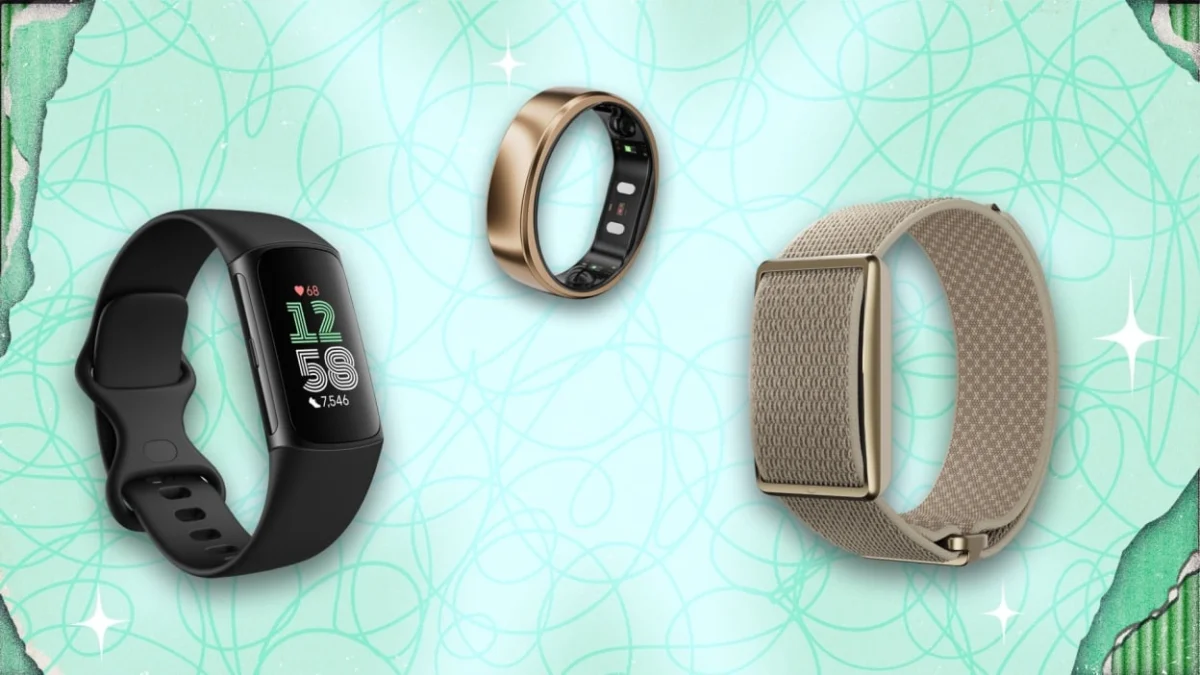
For those who prefer a minimalist aesthetic, the RingConn Gen 2 Air is currently the most compelling smart ring deal. While it is a "lite" version of the Gen 2, the compromises—specifically the exclusion of sleep apnea monitoring and a slight reduction in battery life—are negligible for the average user. With a 10-day battery life, it remains a powerhouse.
- Expert Insight: I maintain a firm stance that smart rings are suboptimal for high-intensity interval training or heavy lifting. However, for 24/7 heart rate variability (HRV) and sleep tracking, they are unmatched in comfort.
2. The Garmin Forerunner 165 ($199.99)
At $50 off, the Forerunner 165 is arguably the best value-per-dollar deal in the entire sale. While the series has moved on to the 170, the 165 remains a modern, highly capable GPS watch.
- Why it works: Garmin devices are built for longevity. A 165 purchased today will likely provide accurate data for at least five to seven years of consistent use. It bridges the gap between a daily lifestyle tracker and a serious training tool.
3. The Polar Loop ($169.99)
Polar is targeting the minimalist demographic with the Loop. It is a screen-free device that avoids the distraction of constant notifications.

- The Critique: My testing revealed a hardware design that is physically robust and aesthetically pleasing, though the software ecosystem (the app) is noticeably barebones compared to the polish of Fitbit or Garmin. This is a purchase for someone who wants to track metrics without the "digital leash" of a screen.
4. The Fitbit Charge 6 ($133.49)
The Charge 6 is the gold standard for those who want a screen but reject the "smartwatch" form factor.
- The Trade-off: While it offers excellent health-tracking basics, it forces users into the YouTube Music ecosystem and requires a tethered smartphone for advanced features like mapping and NFC payments. It is a solid choice, provided you are already comfortable within the Google/Fitbit ecosystem.
5. The Garmin Vivoactive 5 ($191)
This device is the "Swiss Army Knife" of the sale. It offers a large, vibrant screen in a lightweight chassis. Having dropped to under $200, it sits at a price point that makes it a no-brainer for anyone transitioning from a basic pedometer to a comprehensive fitness watch.
Official Perspectives and Industry Standards
When evaluating these deals, it is essential to consider the manufacturers’ positions. Most fitness tech companies now operate on a "hardware-plus-subscription" model. While some brands like Garmin and RingConn (for now) offer robust data without a monthly fee, others like Fitbit rely on "Premium" memberships to unlock the full depth of your health data.
Industry analysts note that 2026 has been a year of "sensor refinement" rather than "sensor revolution." We are seeing less focus on brand-new health metrics and more focus on improving the accuracy of existing sensors—particularly blood oxygen and heart rate monitors during motion.
Implications for the Consumer
What does this mean for your health journey?
- The "Data Fatigue" Risk: The greatest risk to a new fitness tracker user is becoming a slave to the data. If you find yourself checking your sleep score the moment you wake up and letting it dictate your mood, you are misusing the device. Use these trackers as a tool for trend analysis, not as a source of daily anxiety.
- The Lifecycle Strategy: By buying a slightly older model (like the Forerunner 165 or the Vivoactive 5) at a discount, you are effectively beating the depreciation curve. These devices are 90% as capable as the latest releases at 60% of the cost.
- Privacy and Ecosystems: Remember that when you purchase a device from a major tech conglomerate, you are entering into a data-sharing agreement. Always review the privacy settings within the companion app. Ensure that your biometric data is being used for your health insights and not for third-party marketing without your consent.
Final Verdict
If you have been waiting for a sign to start tracking your movement, this October Prime Day is an ideal time to act. However, do not buy a device just because it is on sale. If you hate wearing a watch, the RingConn is your winner. If you are training for a 5K, buy the Garmin. If you want simplicity and a screen, the Fitbit Charge 6 remains the king of its niche.
As always, keep in mind that the best fitness tracker is the one that stays on your wrist. If the device is uncomfortable, confusing, or visually unappealing to you, it will end up in a drawer, rendering even the best discount a waste of money. Choose based on your lifestyle, set your goals, and use these tools to augment your discipline—not replace it.
Disclosure: We may earn a commission from links on this page. Deal pricing and availability are subject to change after the time of publication.