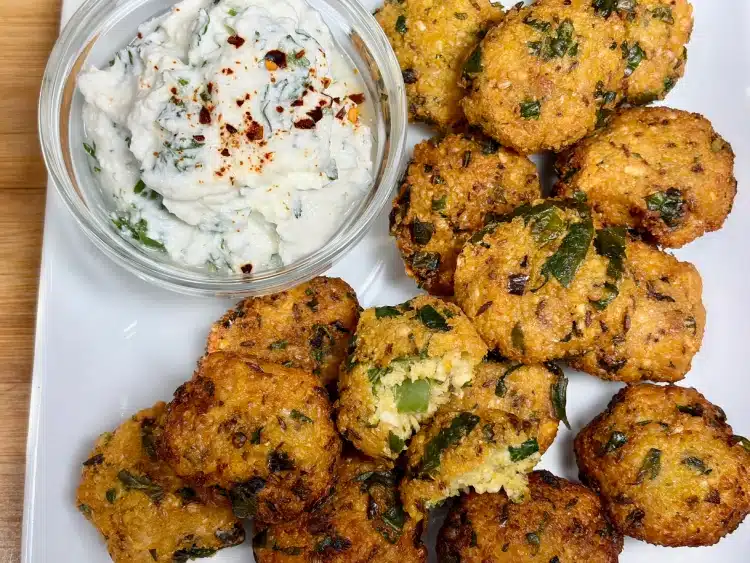
In the vast and vibrant landscape of Indian street food, few snacks command the universal affection of the Dal Vada—also known as Dal Pakora. More than just a simple appetizer, these golden, crispy lentil fritters represent a cultural institution, a staple of the monsoon season, and a masterclass in the balance of texture and nutrition. As home cooking experiences a global resurgence, the humble lentil is stepping into the spotlight, proving that age-old recipes often hold the key to modern, health-conscious snacking.
The Evolution of the Dal Vada: A Culinary Tradition
The history of the vada is inextricably linked to the diverse agricultural history of the Indian subcontinent. For centuries, pulses (dals) have been the backbone of the regional diet, providing an accessible, high-protein source of sustenance. The Mix Dal Vada evolved as a creative way to utilize multiple varieties of lentils—moong, masoor, chana, and urad—to create a complex flavor profile that a single pulse could not achieve on its own.
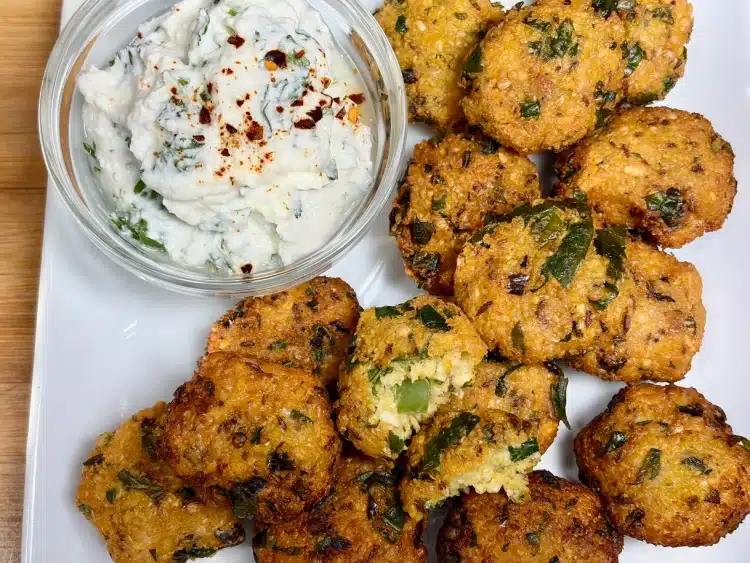
While street vendors across India have perfected the art of the large, hearty vada, the home-cooked version often leans toward bite-sized, delicate portions. These variations are not merely about aesthetics; the smaller surface area allows for a greater degree of crispiness, ensuring that the outside achieves a satisfying crunch while the inside remains tender, soft, and aromatic.
The Science of the Crunch: Why Texture Matters
At the heart of a superior Dal Vada is the texture. Culinary experts emphasize that the secret to the perfect pakora is not just in the seasoning, but in the physical state of the batter.
The "No-Water" Rule
One of the most frequent questions amateur chefs ask is why the batter must be kept thick and relatively dry. The science is straightforward: water content is the enemy of the crisp. When the lentils are soaked and then ground into a coarse paste without the addition of water, the resulting batter maintains its structure when it hits the hot oil.
If the batter is too thin or watery, the vada acts like a sponge, soaking up excess oil rather than frying into a crisp, golden shell. By maintaining a thick, semi-coarse consistency, the cook ensures that the moisture trapped within the lentils steams the inside, while the exterior forms a rigid, oil-resistant barrier. This is the hallmark of a professional-grade fritter.
Nutritional Implications: More Than Just Comfort Food
In an era where processed, high-carb snacks dominate the market, the Mix Dal Vada stands out as a nutritionally dense alternative. Lentils are naturally rich in plant-based protein, dietary fiber, iron, and essential minerals.
A Plant-Powered Powerhouse
- Protein Content: By using a mixture of dals, the dish offers a more complete amino acid profile, making it an excellent snack for vegetarians and vegans.
- Gluten-Free Appeal: Naturally gluten-free, these fritters are a safe and delicious option for individuals with celiac disease or gluten sensitivities, provided they are prepared in a clean environment.
- Digestive Benefits: Often seasoned with cumin, ginger, and green chilies, the ingredients used in traditional vada recipes serve a dual purpose: they enhance flavor while providing carminative properties that aid in digestion.
Modern Preparation: Balancing Tradition with Technology
While traditional deep-frying remains the gold standard for achieving the authentic "street-style" crunch, the modern kitchen has introduced alternative methods.
Air Frying and Baking
Health-conscious consumers are increasingly turning to air fryers to replicate the vada experience. While the texture will inevitably differ—lacking the deep, indulgent finish of a traditional fry—the air-fried version offers a lighter, lower-calorie profile. Culinary tests suggest that for the best results in an air fryer, a light misting of high-smoke-point oil is necessary to mimic the browning process.
Storage and Reheating Protocols
A common misconception is that vadas are a "one-and-done" meal. In reality, the batter can be prepared in advance and refrigerated for up to 24 hours. For leftovers, the key to reclaiming that "just-fried" texture is a quick trip to a preheated oven or an air fryer. Microwave reheating is generally discouraged, as it softens the crust, turning the once-crispy snack into a dense, chewy version of its former self.
Frequently Asked Questions: Expert Insights
To help home cooks navigate the nuances of this recipe, we have compiled the most critical insights from culinary experts.
Is there a benefit to mixing different types of dal?
Absolutely. Using a single type of dal, such as moong, provides a milder, sweeter flavor. However, by incorporating masoor or chana dal, you introduce a variety of textures. Some lentils break down more during the frying process, acting as a "glue" for the larger, coarser pieces, which provides the characteristic structural integrity of a perfect vada.
Why do my pakoras fall apart in the oil?
The most common cause of disintegration is the moisture level of the batter. If the dal is not drained thoroughly after soaking, the excess water will prevent the batter from binding. Ensure the dal is drained well, and if the batter looks too thin, consider adding a tablespoon of rice flour or chickpea flour (besan) to stabilize the mix.
Can these be made for large gatherings?
Yes, they are the quintessential party appetizer. Because they can be prepped in advance, you can form the vadas and keep them on a tray, ready to be fried just as guests arrive. They are best served hot, accompanied by a sharp, acidic condiment like mint-cilantro chutney or a tangy tamarind sauce.
The Social Implications: A Connector of People
Beyond the ingredients and the heat, the Dal Vada serves a social function. In Indian households, the sound of sizzling oil and the aroma of frying lentils is synonymous with hospitality. It is a dish that invites conversation, usually enjoyed during the "tea-time" ritual—a period of the day set aside for decompression, family interaction, and the simple pleasure of a warm cup of chai paired with a savory treat.
In the global context, the Dal Vada represents the democratization of Indian cuisine. As people around the world look for "clean label" snacks that are free from preservatives and artificial additives, the homemade lentil fritter offers a transparent, whole-food solution. It is a dish that requires no specialized equipment—only patience, a good blender, and a love for deep, earthy flavors.
Conclusion: A Timeless Classic
Whether you are a seasoned chef or a novice in the kitchen, the Mix Dal Vada is a rewarding project. It teaches the cook about the importance of texture, the balance of heat, and the joy of creating something substantial from simple, pantry-staple ingredients. As you experiment with your own ratios of dals and spice levels, remember that the goal is not just to make a snack, but to recreate that specific feeling of warmth and satisfaction that has kept this recipe alive for generations.
So, the next time you find yourself craving something savory, put away the pre-packaged chips and reach for the lentils. With a little bit of preparation and a dash of spice, you are not just making a snack—you are participating in a rich, delicious, and deeply satisfying culinary tradition.