In the modern digital landscape, having a polished website, high-quality content, and a seamless user experience is no longer the finish line. It is merely the baseline. Despite these efforts, many businesses find themselves perpetually "invisible" to both traditional search engines like Google and the rising tide of AI-powered research tools like ChatGPT, Claude, and Perplexity.
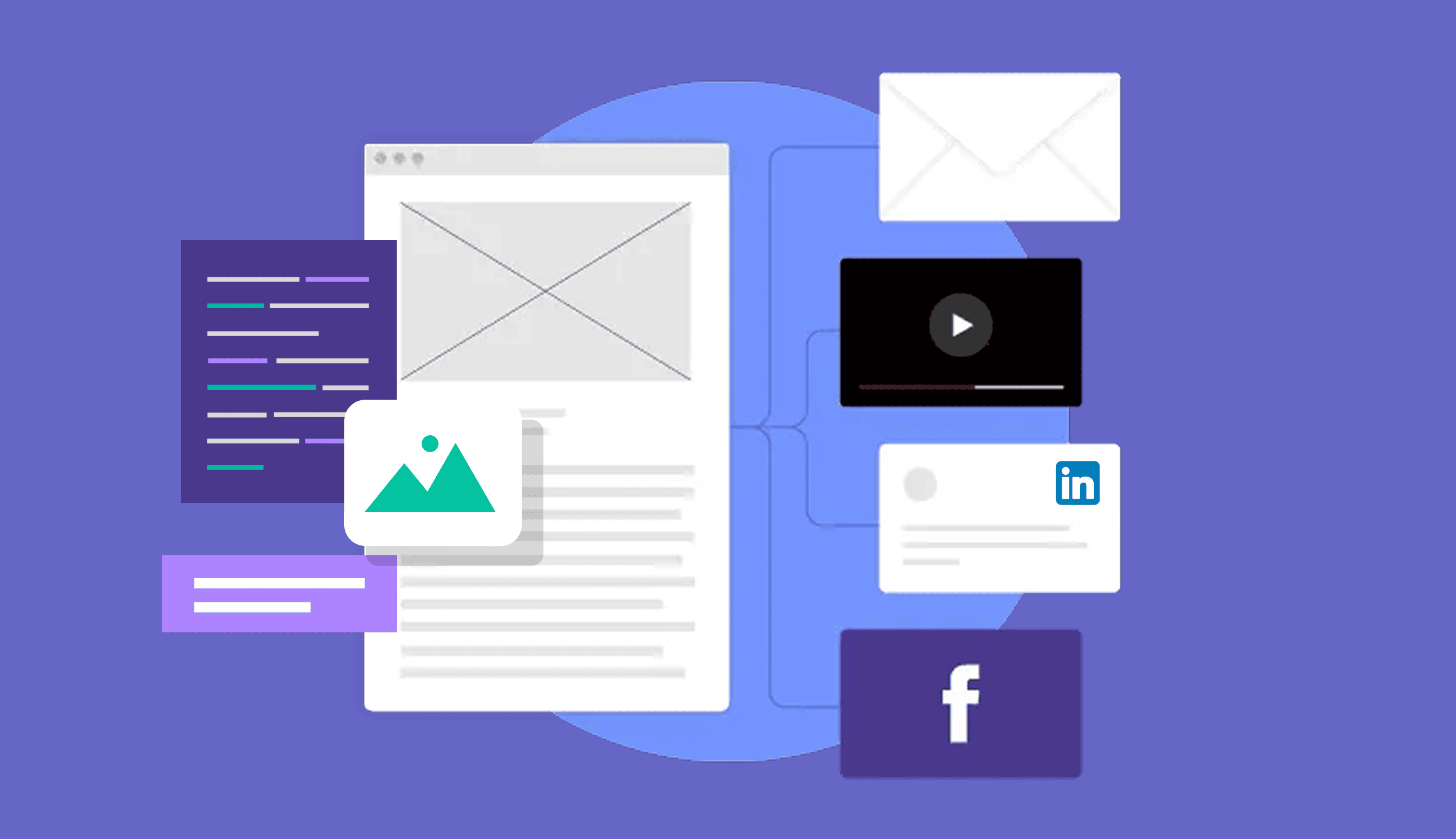
The reason is simple yet profound: Google and AI models no longer view your website in isolation. They treat the internet as a massive, interconnected web of entities. To understand who you are and whether you deserve to be ranked or recommended, they analyze the "digital footprint" created by third-party mentions. Every time a credible publication, industry expert, or community thread references your brand, it builds the trust and authority required to capture visibility.
What Are Brand Mentions?
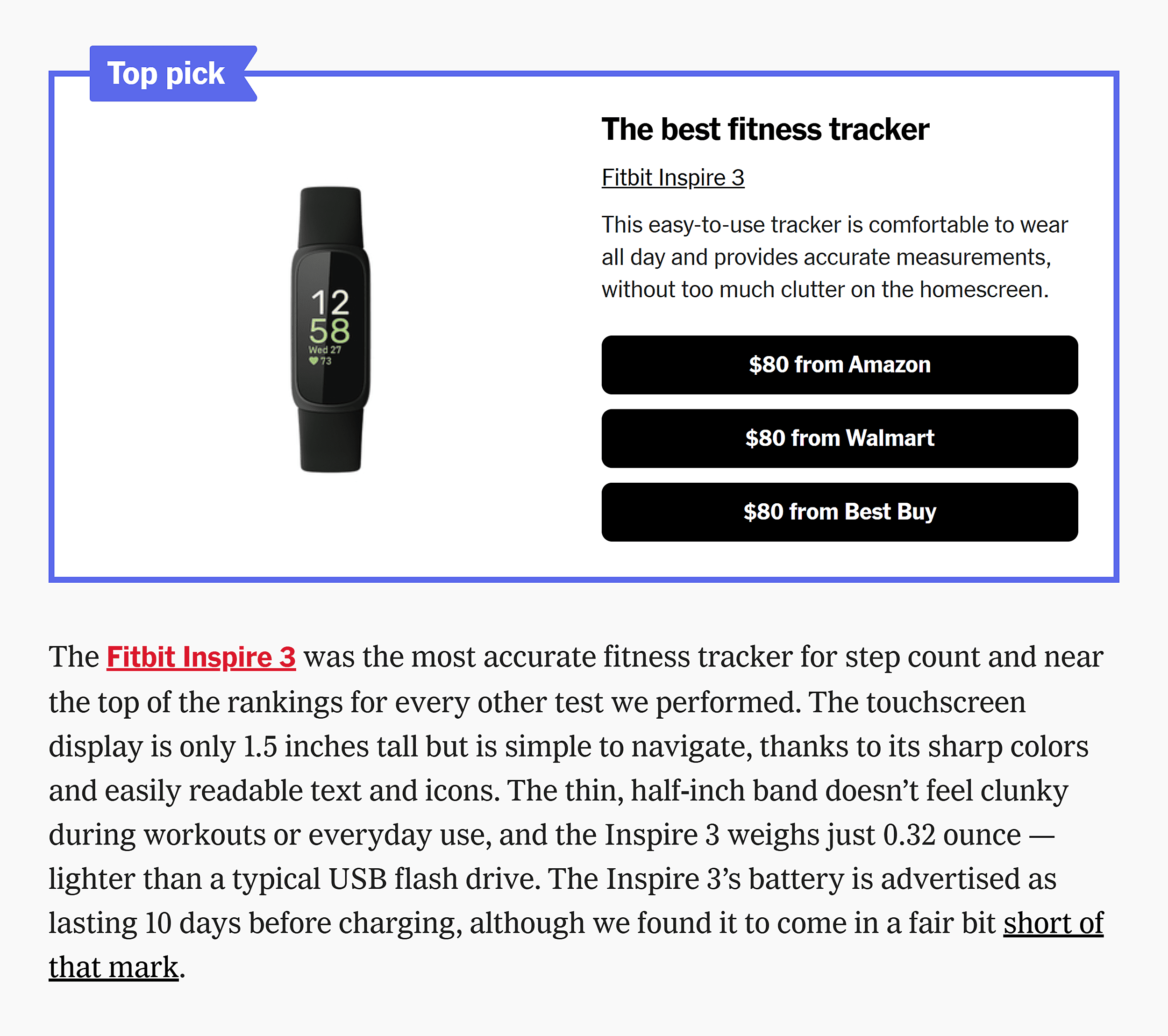
A brand mention is any reference to your organization by a third party. These can manifest as linked mentions—where a brand name includes a clickable URL—or unlinked mentions, where the brand is referenced in text without a direct hyperlink.
The Power of Linked vs. Unlinked Mentions
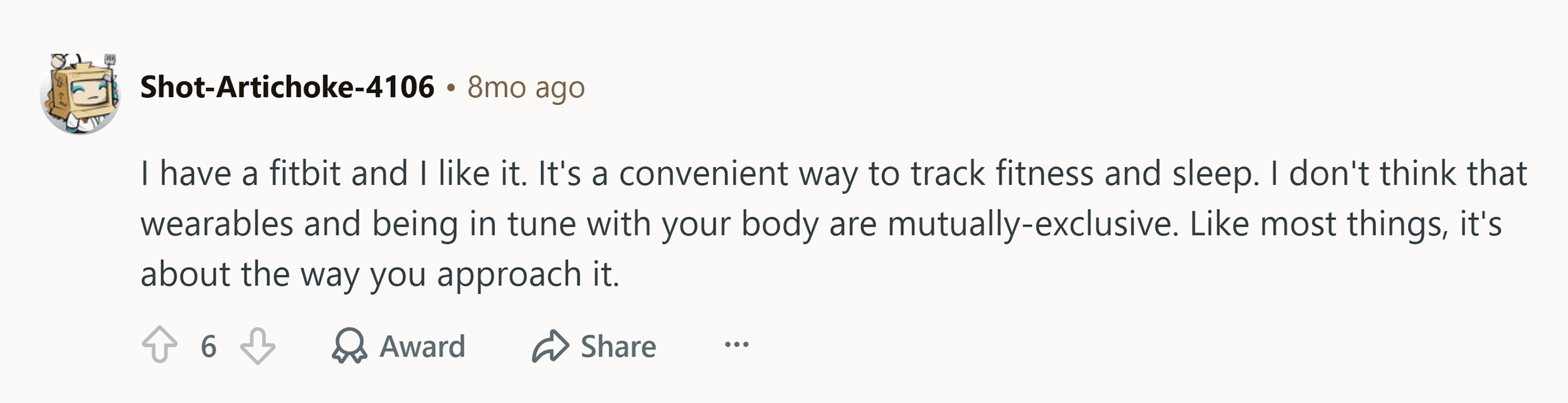
While traditional SEO strategy has long prioritized linked mentions for their ability to pass "authority" and drive direct referral traffic, the rise of Large Language Models (LLMs) has shifted the importance of unlinked mentions.
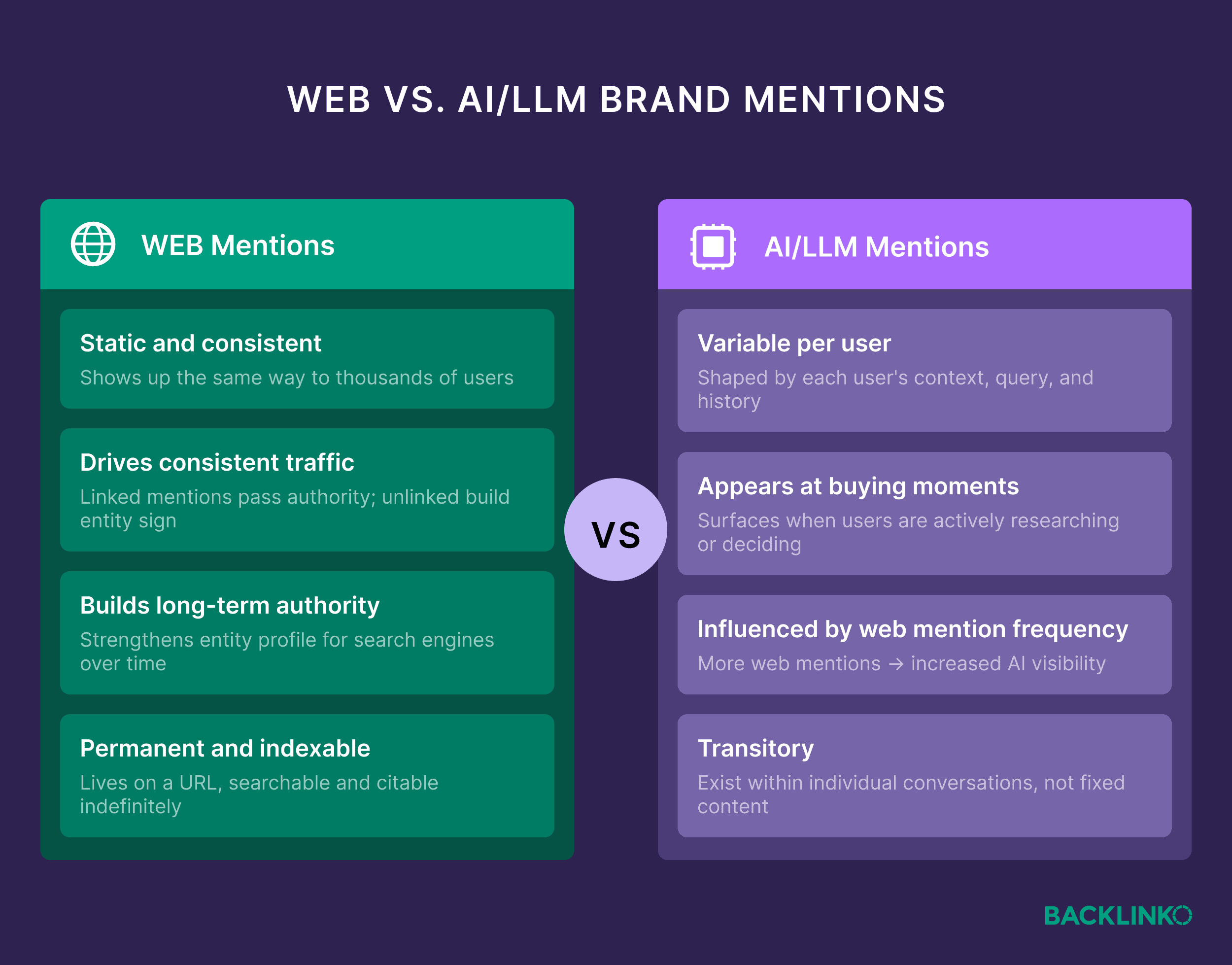
For an AI system, an unlinked mention acts as a vote of confidence. When a brand is discussed in a Reddit thread or a niche industry blog, it helps the AI establish "brand context." Even without a click-through, the mention associates your brand with specific topics, pain points, and product categories, making you more likely to appear in an AI-generated response when a user asks for a recommendation.
Web Mentions vs. AI Search: A Fundamental Shift
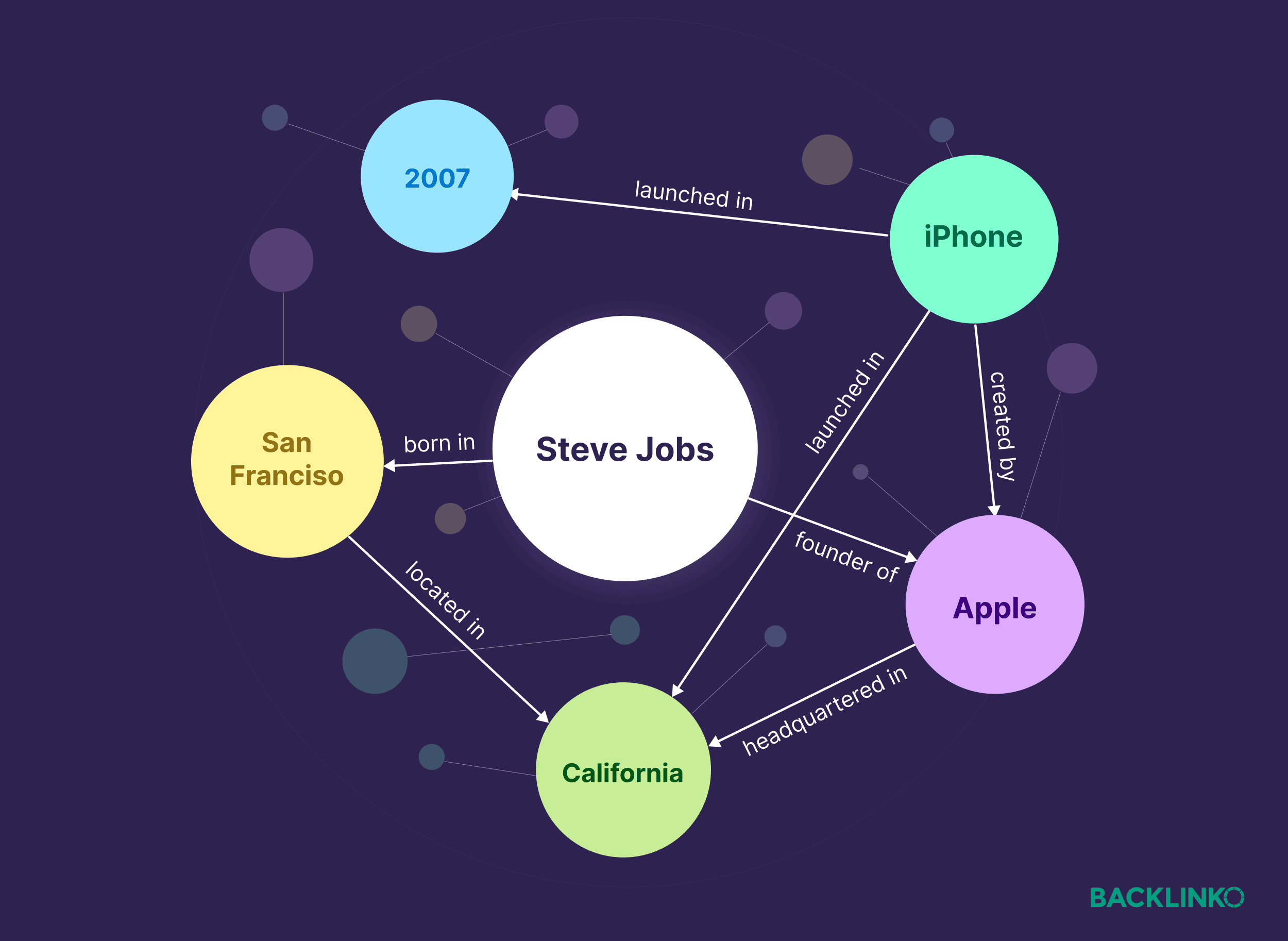
It is critical to distinguish between traditional web mentions and AI-native mentions. A web mention is static; it appears on a webpage and is indexed by search engines, remaining visible to any user who visits that site.

In contrast, an LLM mention occurs within a private, conversational context. When a user asks ChatGPT to recommend a CRM, the response is tailored to that specific user’s intent and history. Because these responses are ephemeral, the goal is not to "track" an AI mention, but to earn enough widespread web visibility so that the AI learns to associate your brand with the user’s query. The more consistently you appear in relevant, high-trust sources, the more the AI model "learns" that you are the authority, eventually featuring you in its output.
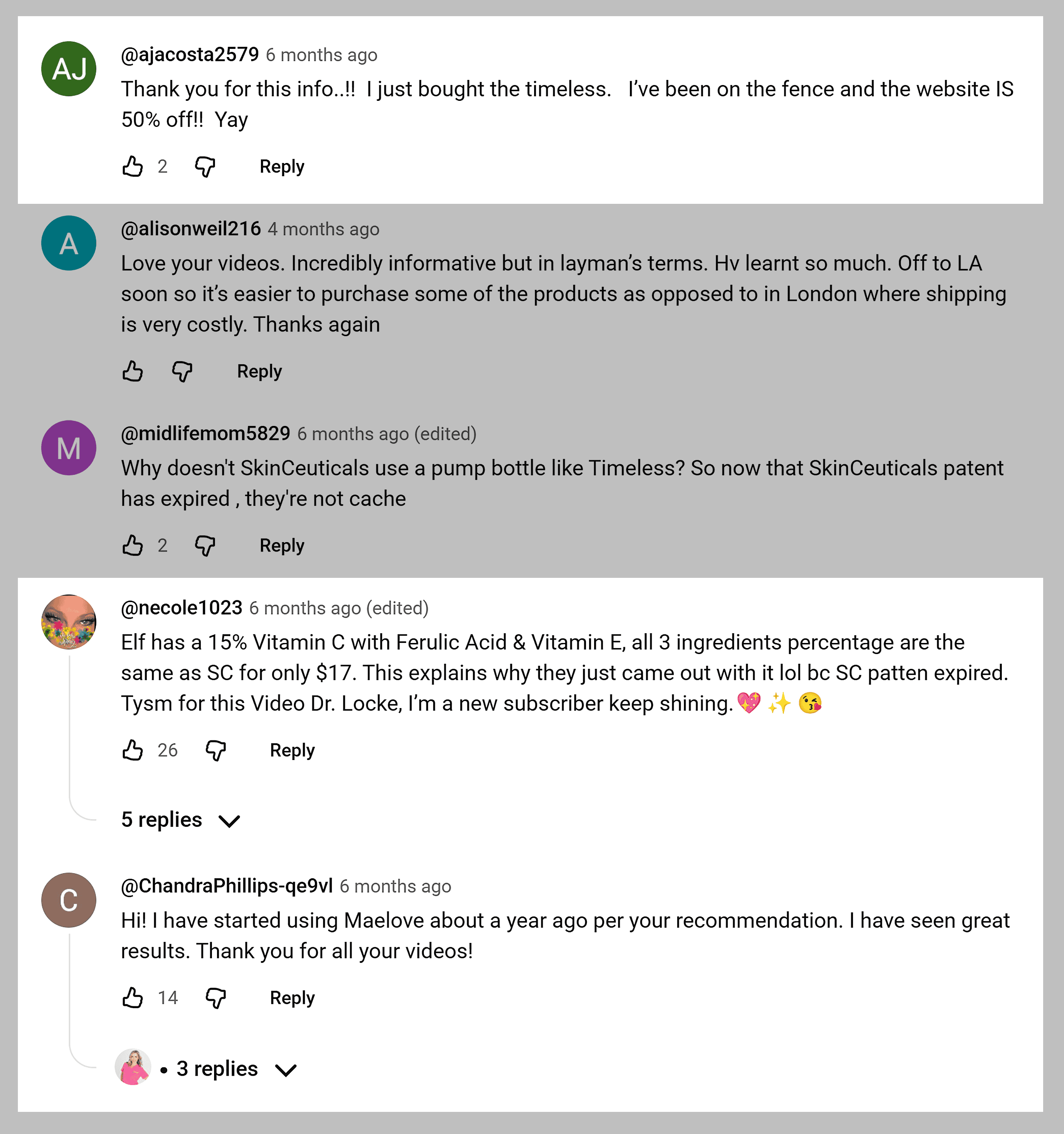
Why Brand Mentions Are More Important Than Ever
1. Signaling Authority to Search Engines
Google’s Knowledge Graph is a sophisticated database that maps relationships between entities. When the web consistently speaks about your brand in relation to specific keywords or problems, Google refines its entity-level understanding of your business. These mentions serve as the primary fuel for building and maintaining your standing within that Knowledge Graph.
2. Expanding Reach to New Audiences
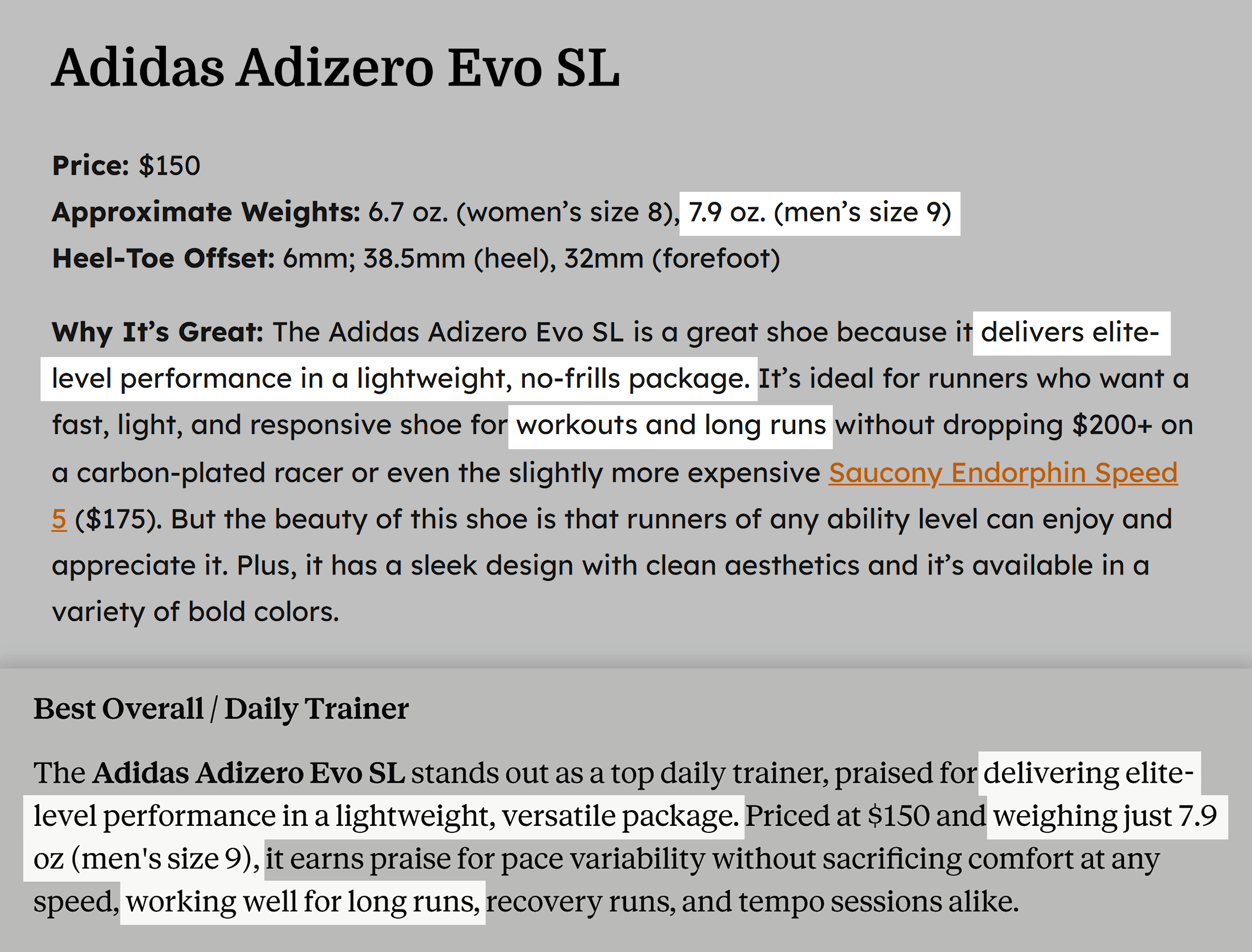
Brand mentions allow you to tap into "intent-agnostic" traffic. When a content creator like "The Budget Dermatologist" reviews a specific product and suggests a competitor as a better-value alternative, they expose the brand to thousands of potential customers who were not necessarily searching for that brand by name. These mentions bridge the gap between being unknown and becoming a household name in a niche.
3. Training the AI "Brain"
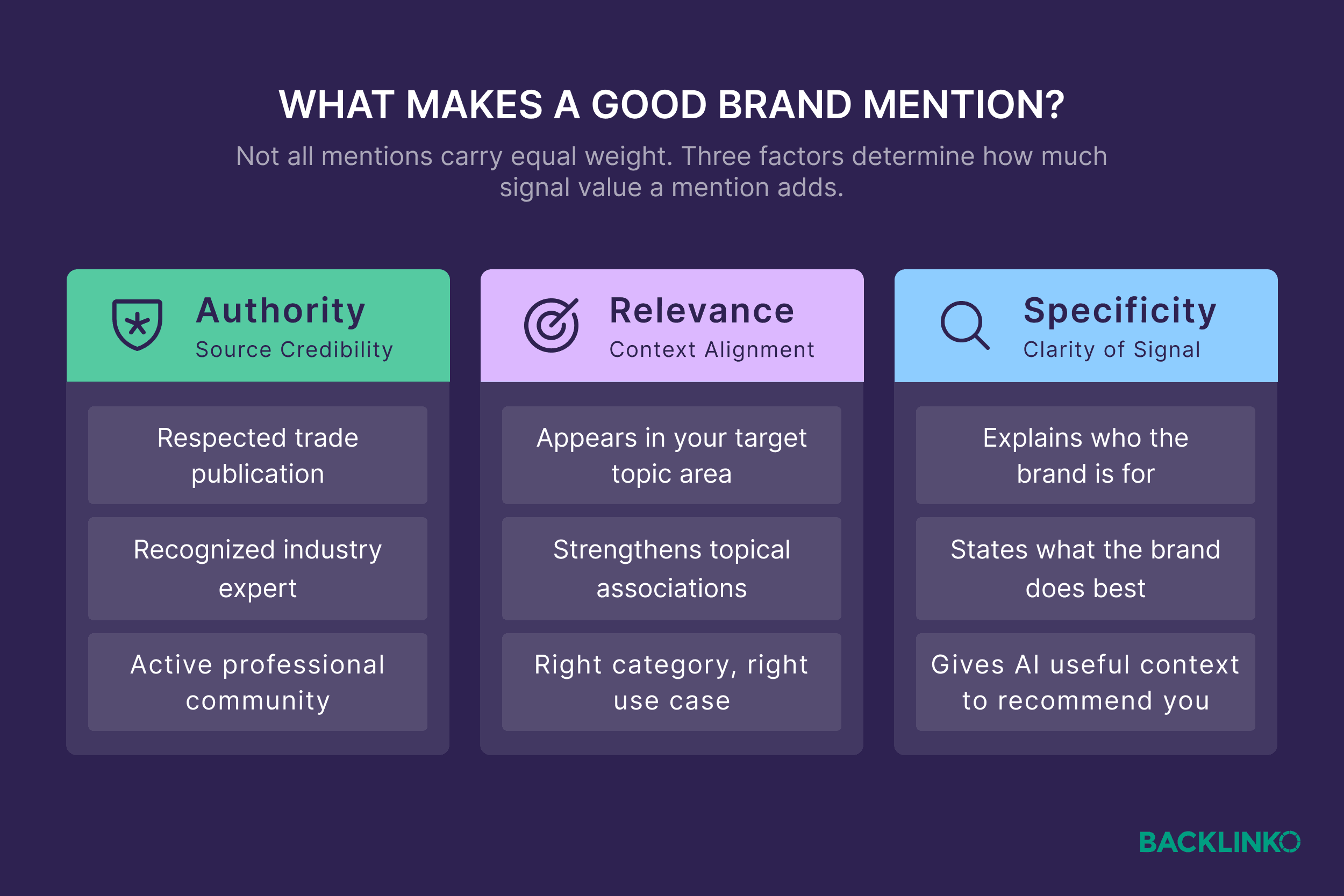
When an LLM recommends your brand, it is largely synthesizing language from the corpus of trusted sources it was trained on. If industry publications consistently describe your software as "the industry standard for automation," that exact phrasing is likely to appear when a user asks an AI about the best automation tools. By managing your web mentions, you are effectively "programming" the AI to perceive your brand the way you want to be perceived.
What Constitutes a High-Value Mention?
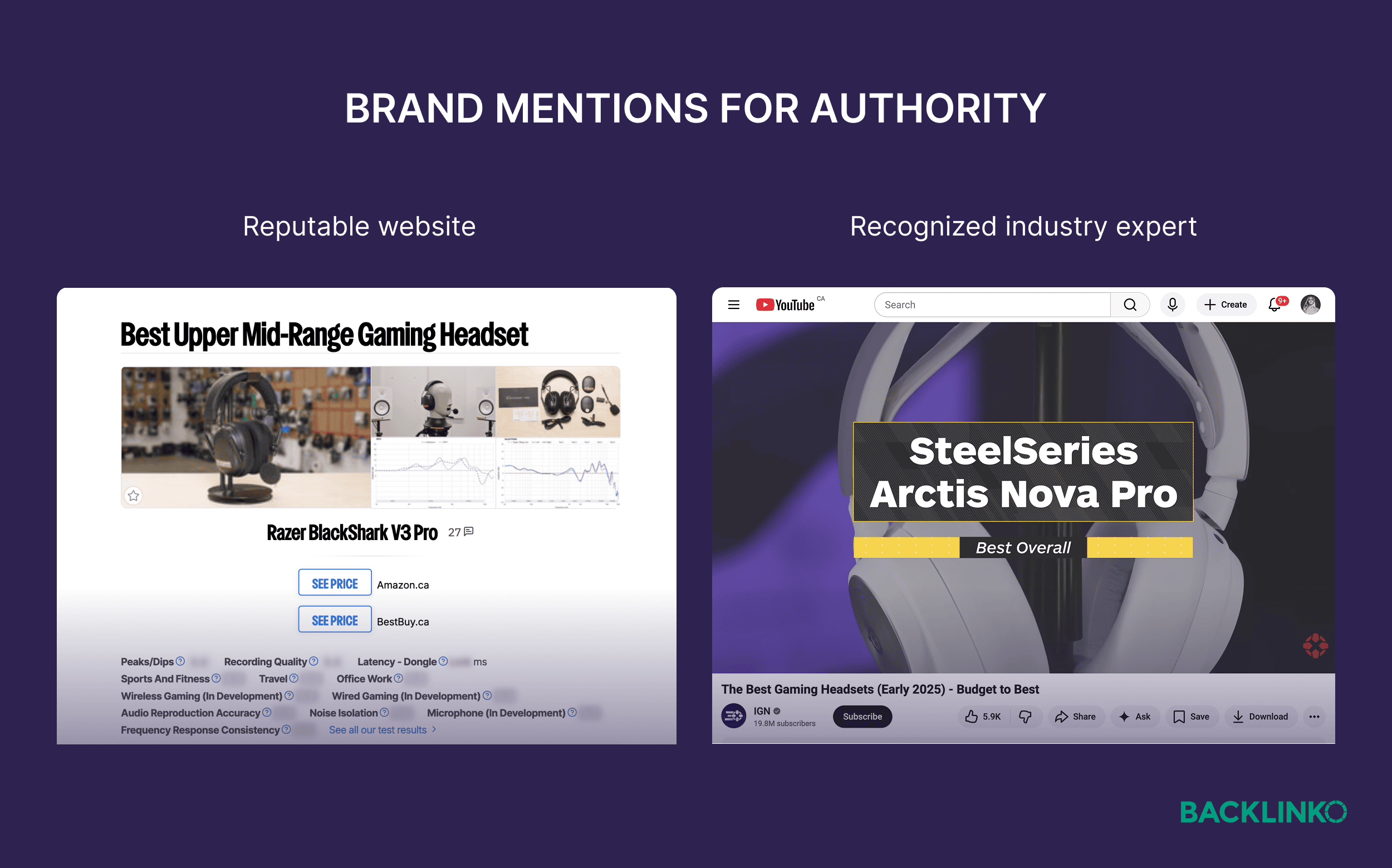
Not all mentions are created equal. To move the needle, a mention must balance three factors:
- Authority: The credibility of the publication matters. A mention in a top-tier trade journal carries more weight than a generic reference on an obscure, low-traffic blog.
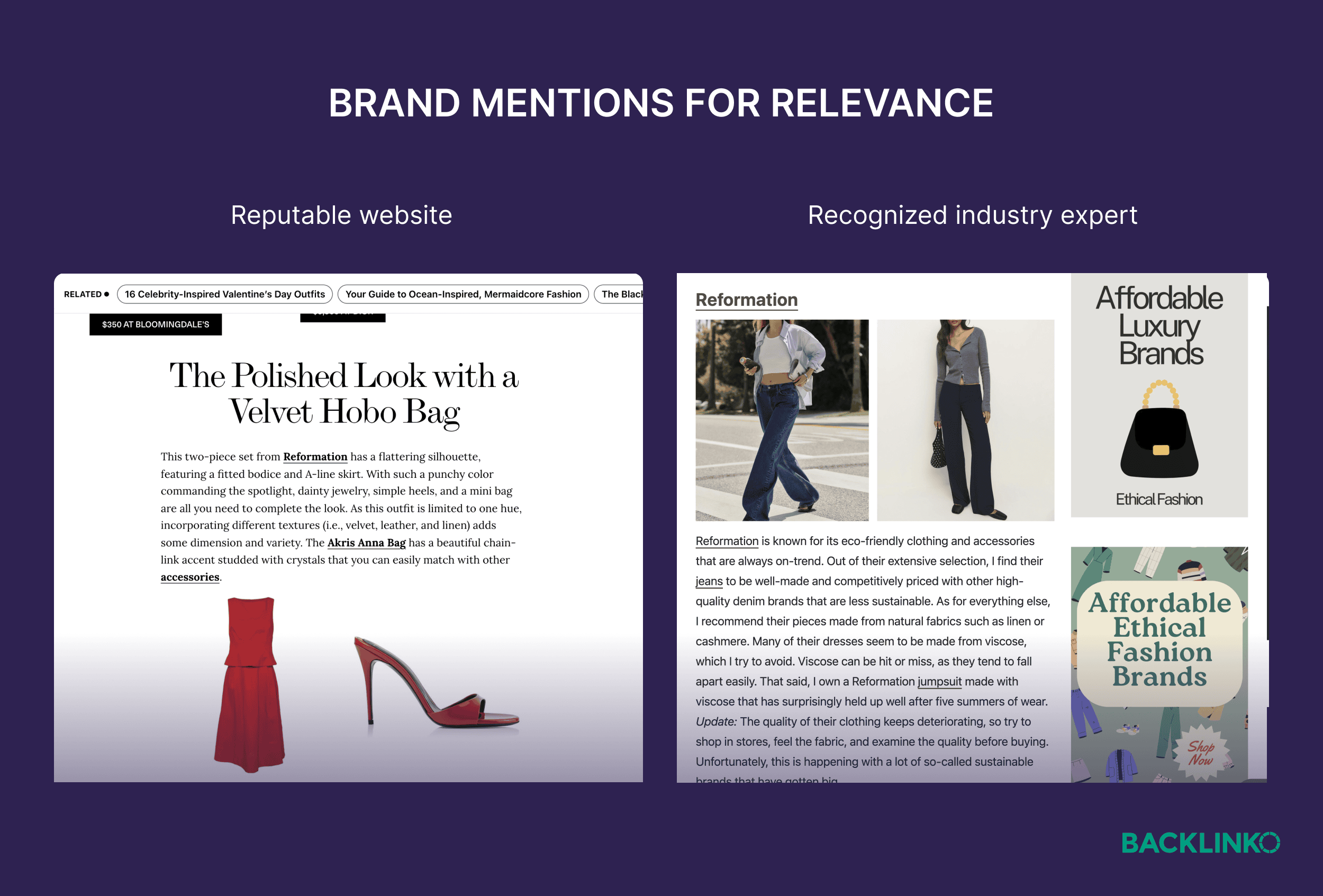
- Relevance: The context of the mention is paramount. If you are a sustainable fashion brand, being mentioned in a "best outfit ideas" article is good, but being featured in a "sustainable fashion report" is better. It aligns your brand with the specific topical authority you want to own.
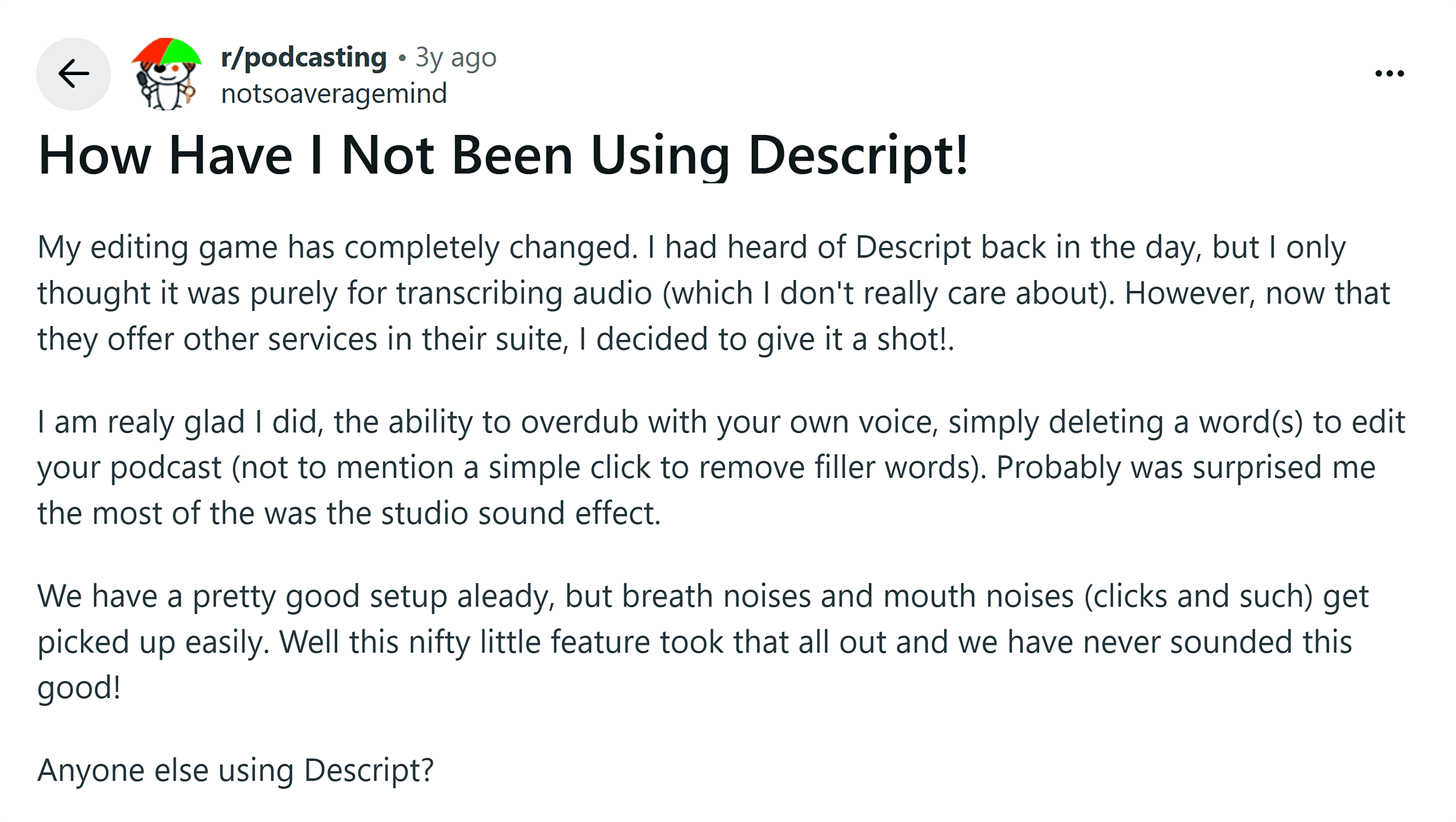
- Specificity: A high-value mention is not just a name-drop. It includes specific insights, such as use cases, product features, or comparisons. When a user or publication explains why they chose your brand, it provides the AI with clear, usable signals for recommendation.
4 Tactics to Earn Valuable Brand Mentions
Building a brand mention strategy requires moving beyond passive waiting. Here are four actionable tactics:
1. Create Data-Driven, Citable Content
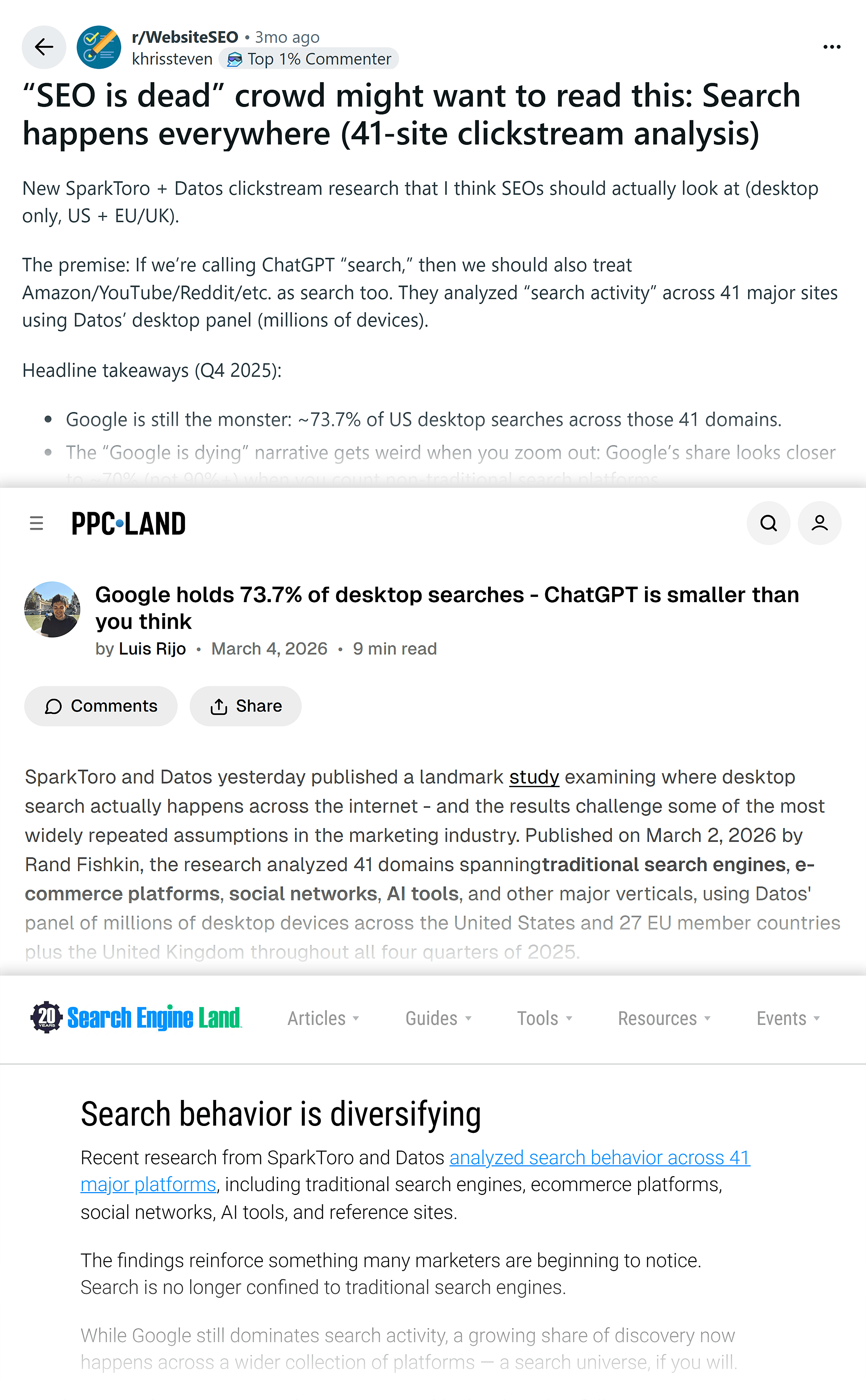
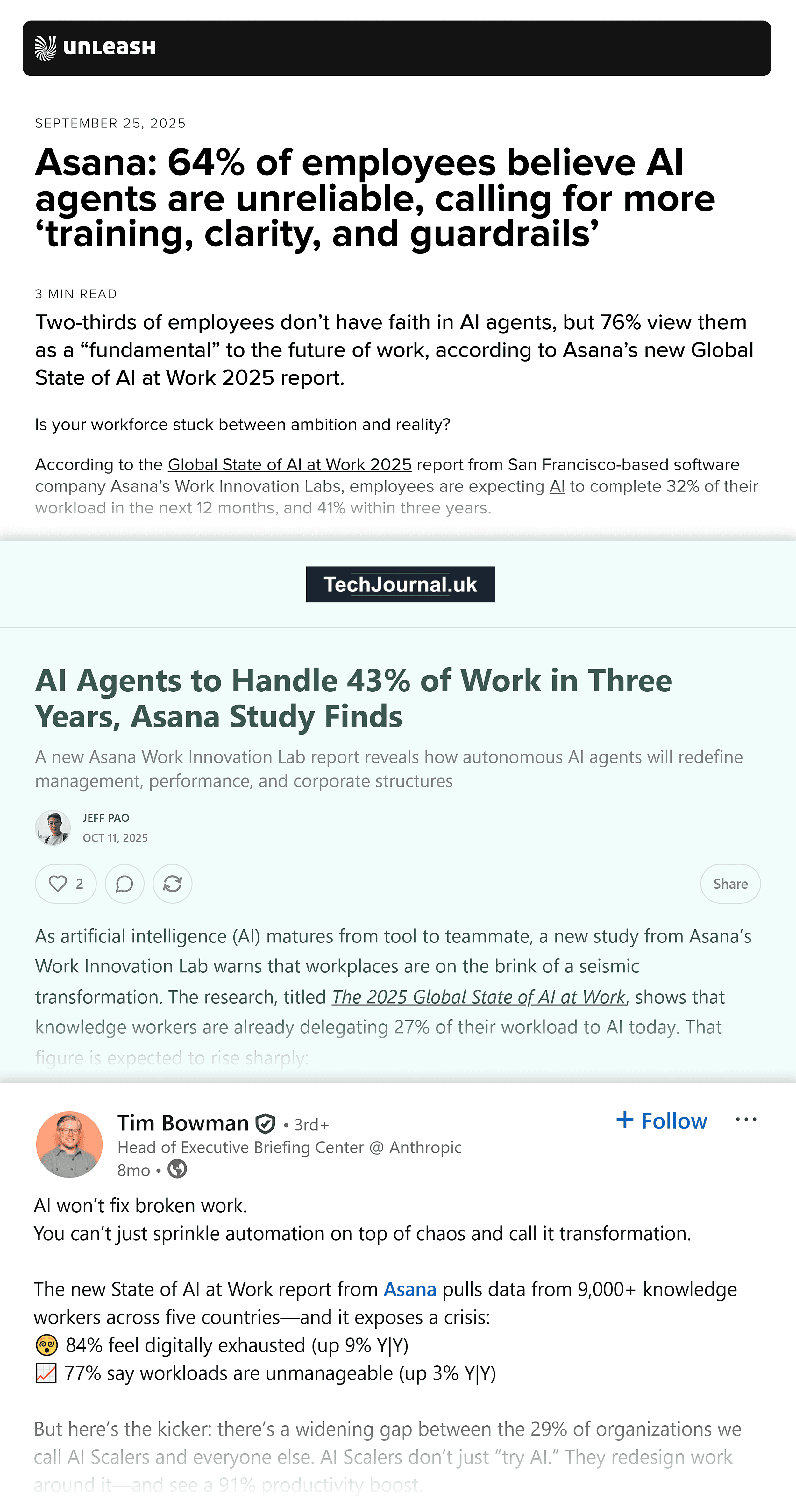
Original research is the gold standard for earning citations. When you produce data that answers an industry-wide question—like the "State of AI in the Workplace" reports—you become the primary source. Other outlets cannot discuss the findings without mentioning you.
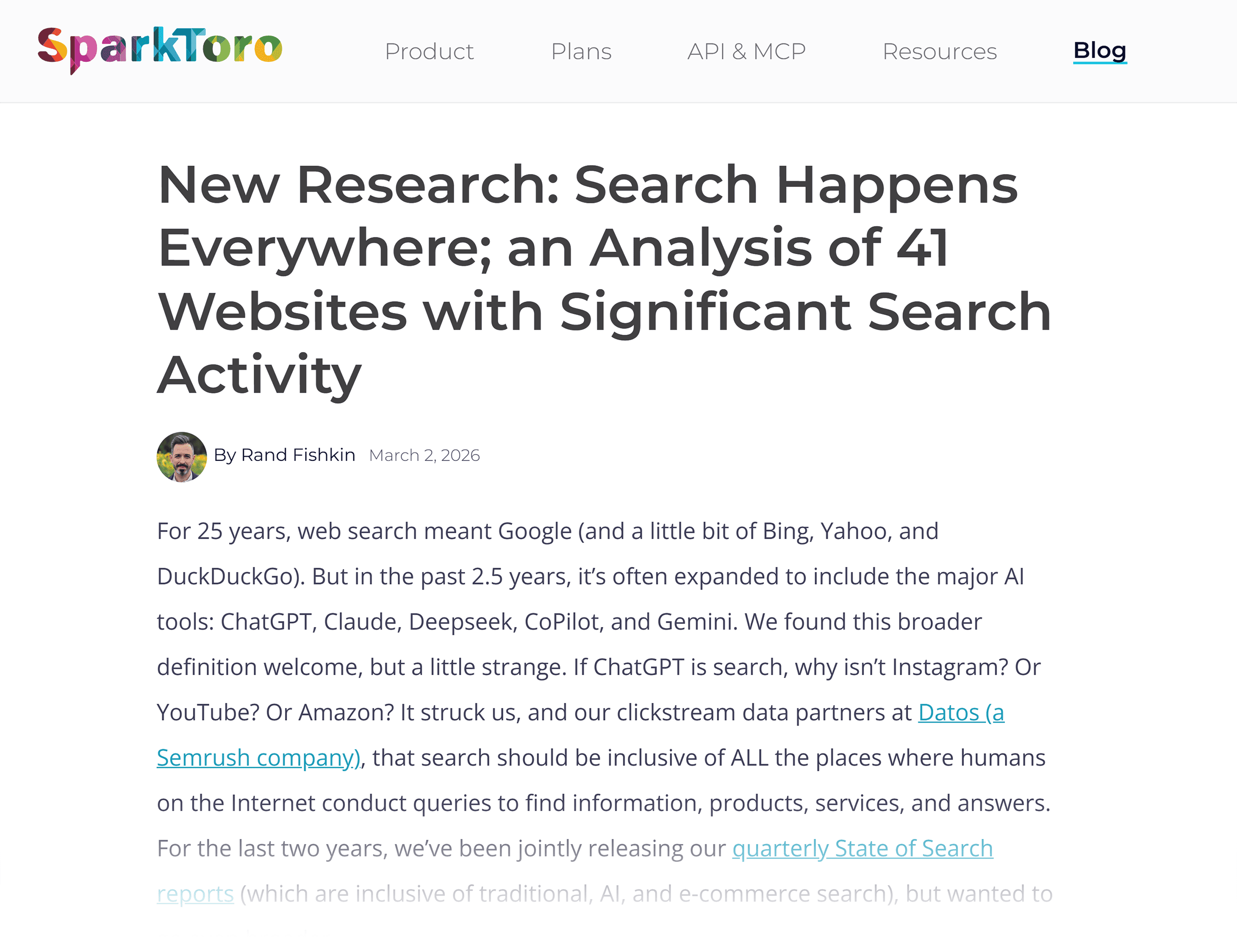
- How to execute: Identify a "hot topic" in your industry where evidence is lacking. Partner with a data firm to run a survey or analyze trends. Package this data with clear, shareable charts that make it easy for journalists to reference.
2. Partner with Complementary Brands
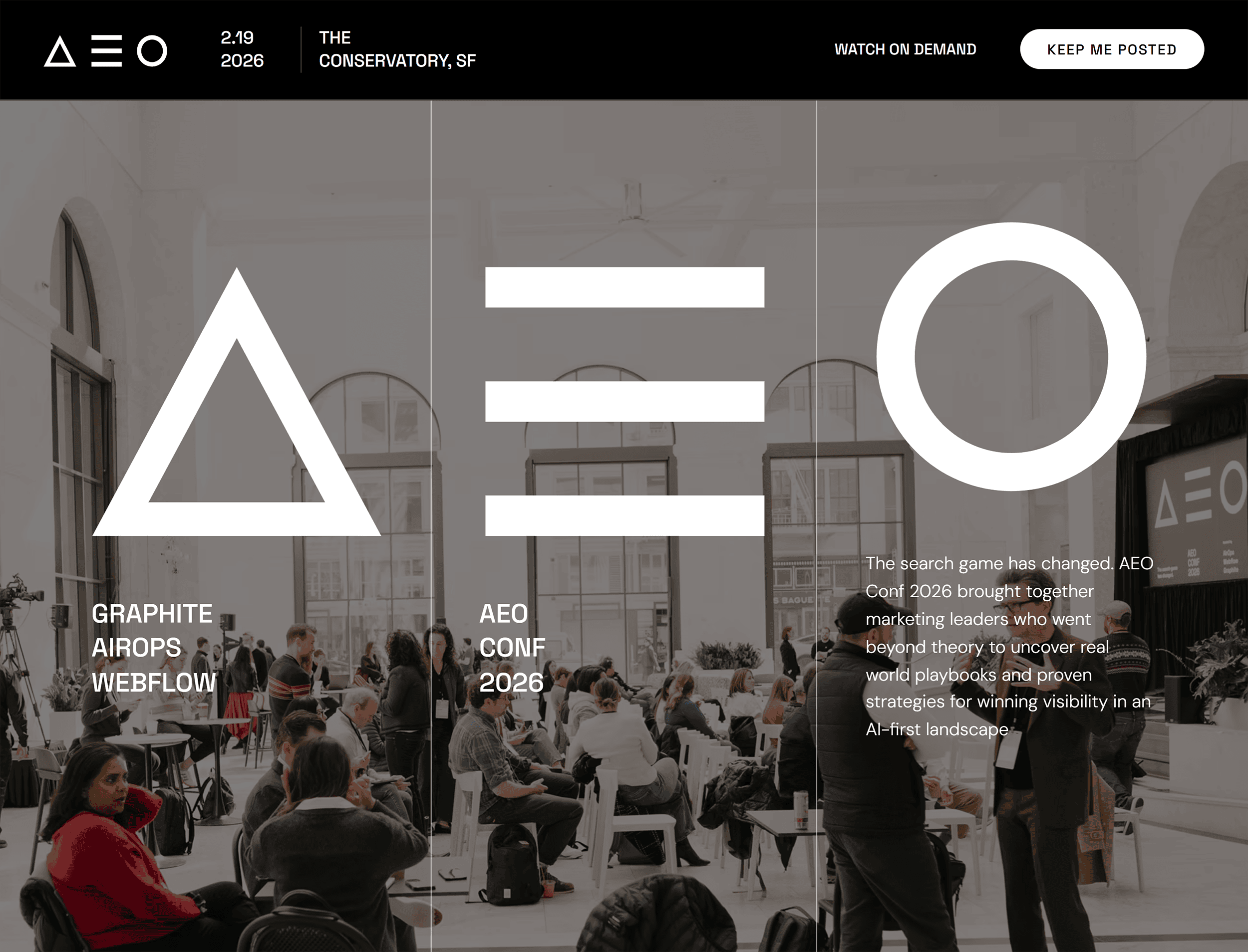
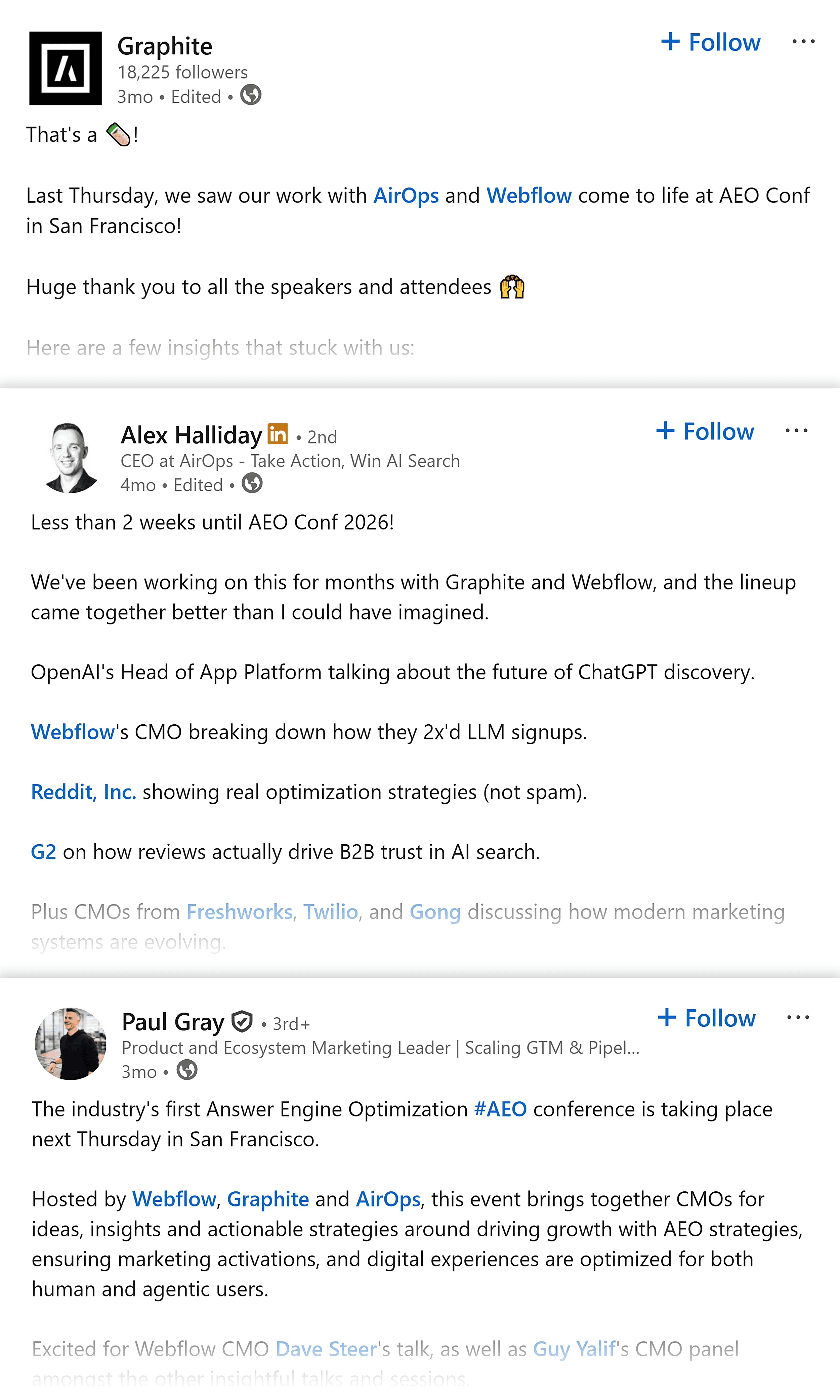
Co-creating assets with non-competing brands that serve the same audience allows you to leverage their reach. When two brands host a joint conference or co-author a report, they create "co-occurrence" signals. Search engines and LLMs observe that these two brands are consistently discussed in the same breath, which solidifies their topical authority.
3. Feature Other Brands and Experts
An "expert roundup" or interview series is mutually beneficial. By interviewing industry leaders, you provide them with content they can share with their own followers. When an expert shares your content, they mention your brand to their entire audience, creating a high-trust referral that builds your authority.
4. Contribute Expertise via Digital PR
Don’t just ask for mentions; provide value. Pitch yourself or your executives as experts for podcasts, guest articles, or YouTube interviews. By offering a "practitioner playbook" or a specific, actionable solution to a common industry problem, you position your brand as an educator. This makes your brand feel like a solution rather than an advertisement.
Tracking and Reporting ROI
To justify the effort of a brand-mention strategy, you must report on it effectively.
- Google Alerts & Manual Search: The free, entry-level approach. Use this for daily monitoring, but supplement it with a weekly manual search of forums and social media to capture what automated alerts miss.
- Social Listening Tools: Tools like Semrush Brand Monitoring or Brandwatch allow you to quantify sentiment. You can report to leadership that "mention volume is up 20%, with a 15% increase in positive sentiment among target demographics."
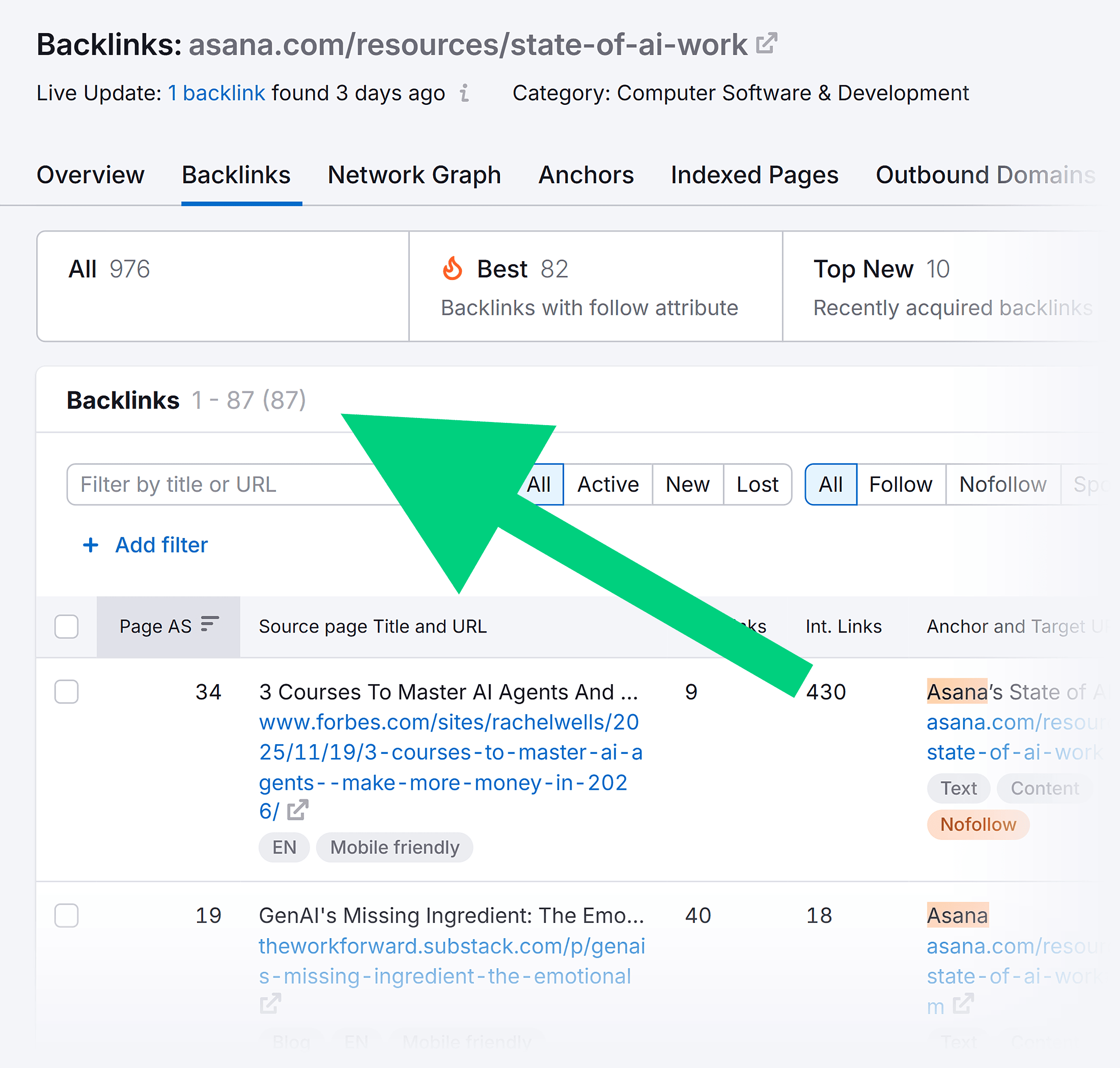
- Backlink & Anchor Text Analysis: By filtering your backlink profile for your brand name in the anchor text, you can track how many high-value, linked mentions you are earning.
Reporting for Leadership
When presenting to stakeholders, shift the conversation from "how many times we were mentioned" to "where we were mentioned." A report showing that your brand was cited in three high-authority industry publications, each reaching an audience of 100,000+ professionals, is far more compelling than a raw count of 50 minor mentions.
Conclusion: Making Your Brand Impossible to Ignore
In an era of AI-driven search, visibility is a byproduct of trust. By strategically earning mentions through original research, co-branding, expert collaboration, and consistent digital PR, you do more than just improve your search ranking—you establish your brand as a foundational entity. When you make yourself impossible to ignore on the web, the AI models of the future will have no choice but to recommend you.