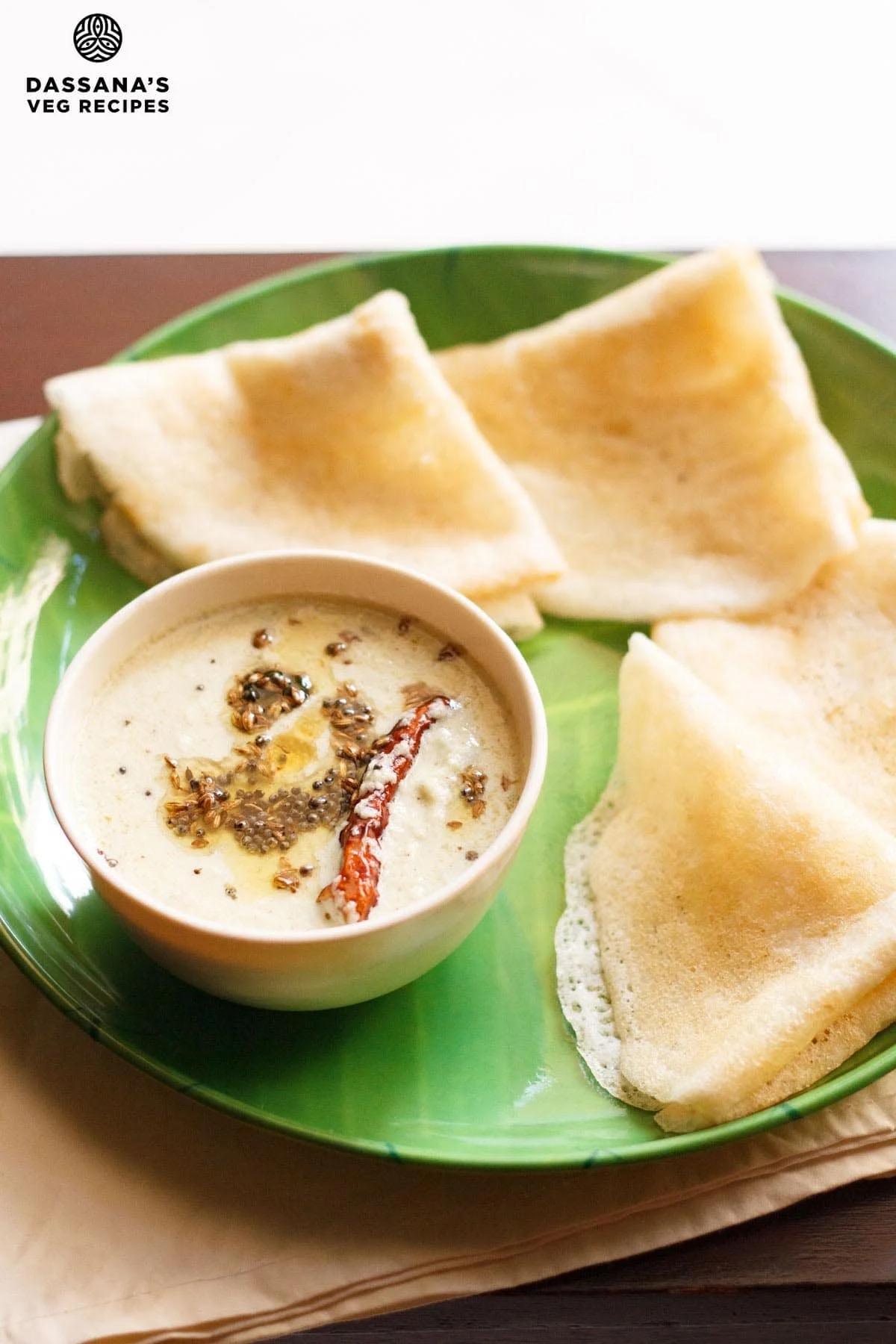
In the vast, aromatic landscape of Indian culinary traditions, few accompaniments hold as much cultural and gastronomic significance as the humble coconut chutney. Often referred to simply as "Idli Chutney" or "Dosa Chutney," this vibrant, cooling condiment is the soul of the South Indian tiffin experience. Whether paired with the cloud-like texture of a steamed idli, the satisfying crunch of a golden dosa, or the savory depth of a medu vada, this chutney provides the necessary acidic and aromatic counterpoint that elevates a simple breakfast into a balanced, nutritious, and soul-warming meal.
The Main Facts: Defining the South Indian Chutney
At its most fundamental level, South Indian chutney is a textured, flavorful paste primarily composed of fresh coconut, herbs, and aromatics. While culinary traditions across the subcontinent vary significantly from household to household, the core objective remains constant: to create a balanced flavor profile that bridges the gap between the subtle, fermented flavors of rice-and-lentil batters and the bold, savory tempering of mustard seeds and curry leaves.
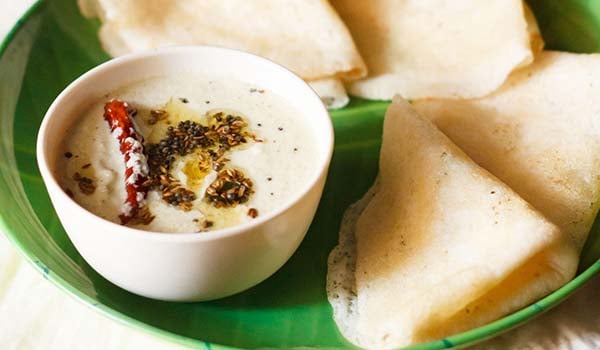
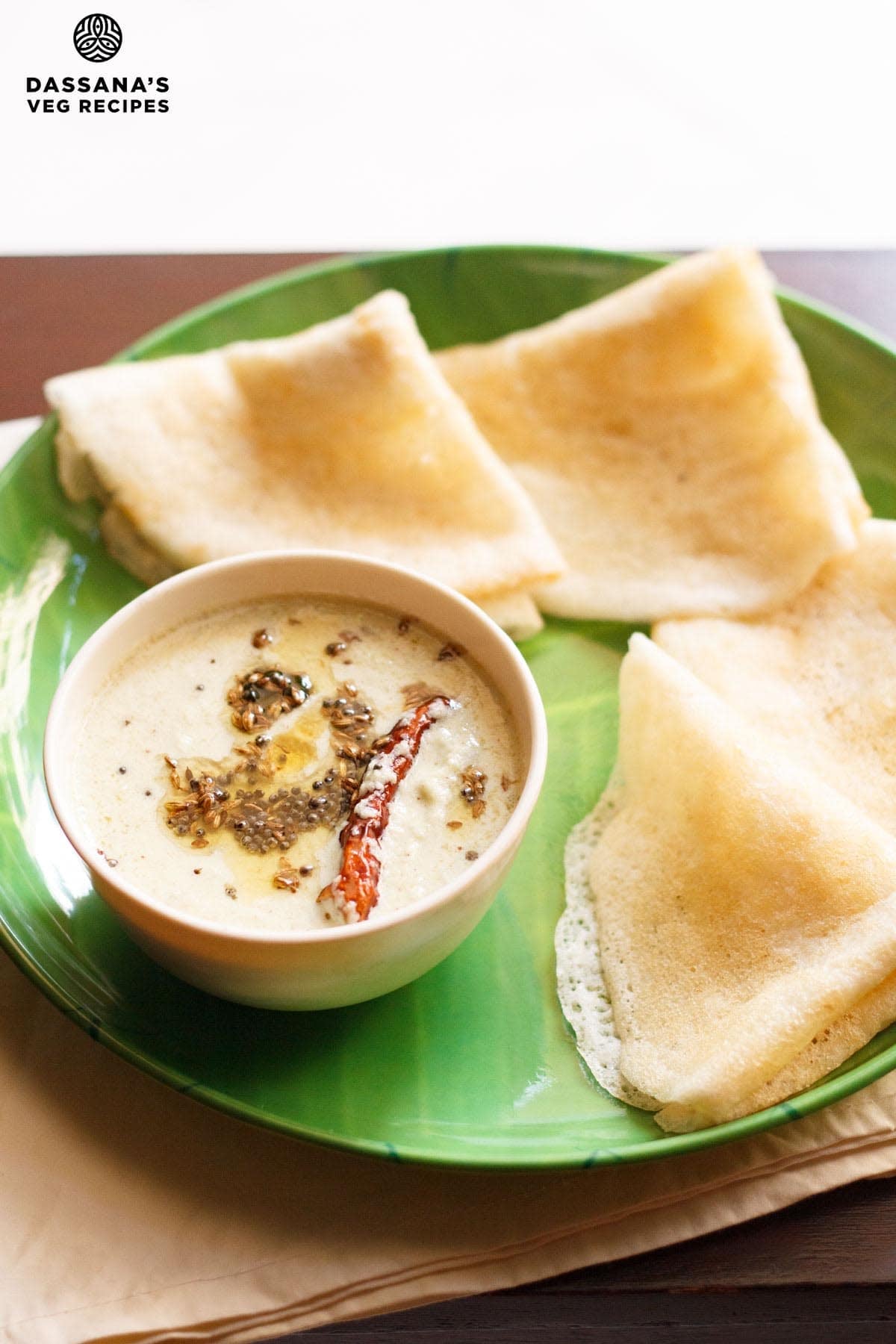
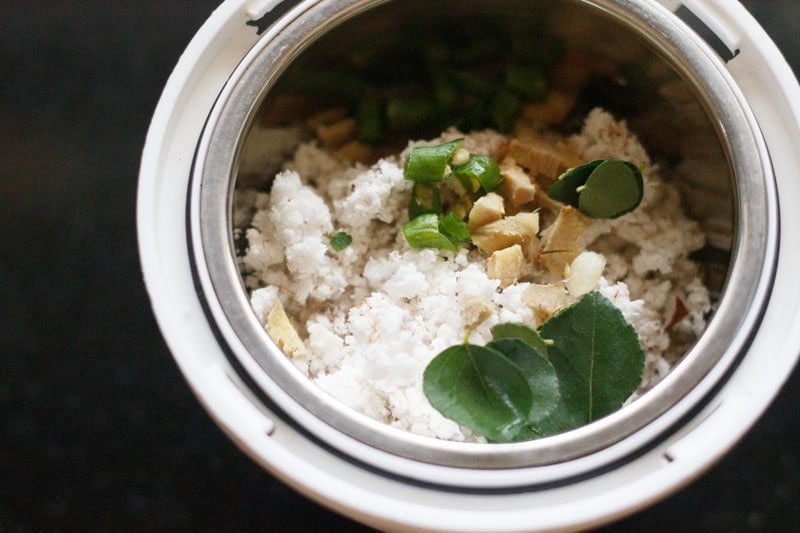
This specific, simplified version of the chutney focuses on a "back-to-basics" approach. By excluding heavy additives like roasted chana dal (split chickpeas) or tamarind, the recipe highlights the pure, nutty sweetness of the coconut, punctuated by the sharp heat of green chilies, the earthy warmth of ginger and garlic, and the aromatic lift of fresh curry leaves. The final touch—a tadka (tempering) of sizzling spices—is not merely decorative; it is a chemical process that releases essential oils from the mustard and cumin seeds, providing a complex finish that is essential to the dish’s identity.
Chronology: The Evolution of the Breakfast Staple
The history of chutney in India dates back thousands of years, with early medical texts and culinary manuscripts referencing the use of stone-ground pastes to enhance digestion and add zest to staple grains. The term "chutney" itself derives from the Hindi word chatni, meaning "to lick" or "to eat with appetite."
The Traditional Roots
Historically, coconut-based chutneys were created using a ammi kallu—a traditional stone grinding slab. The physical labor of grinding coconut against stone released the natural oils more effectively than modern electrical blenders, resulting in a distinct, slightly coarse texture that many purists argue is superior.
The Modern Adaptation
As the pace of urban life accelerated in the 20th century, the traditional ammi kallu gave way to the electric mixer-grinder. This transition necessitated slight adjustments in technique, such as the addition of water to aid the blending process. The recipe detailed here reflects this modern evolution: it is designed to be prepared in minutes, making it accessible for the busy modern household without sacrificing the authentic, traditional flavor profile that has been cherished for generations.
Supporting Data: Nutritional Composition and Ingredient Science
The popularity of coconut chutney is not merely rooted in flavor; it is supported by a nutritional profile that complements the carbohydrate-heavy nature of idlis and dosas.
Nutritional Breakdown
Based on a standard serving, this recipe provides approximately 148 kcal. The composition is as follows:
- Healthy Fats: With 14g of fat, primarily from the coconut, the chutney provides a source of medium-chain triglycerides (MCTs).
- Fiber: 3g of fiber per serving supports digestive health, a key principle of the Ayurvedic foundations of South Indian cooking.
- Micronutrients: The inclusion of curry leaves and fresh ginger contributes to a profile containing Vitamin C, Vitamin A, and various B vitamins, including folate.
- Sodium: The controlled addition of salt and the natural mineral content of the spices bring the sodium level to approximately 445mg, well within moderate dietary guidelines.
The Science of Tempering
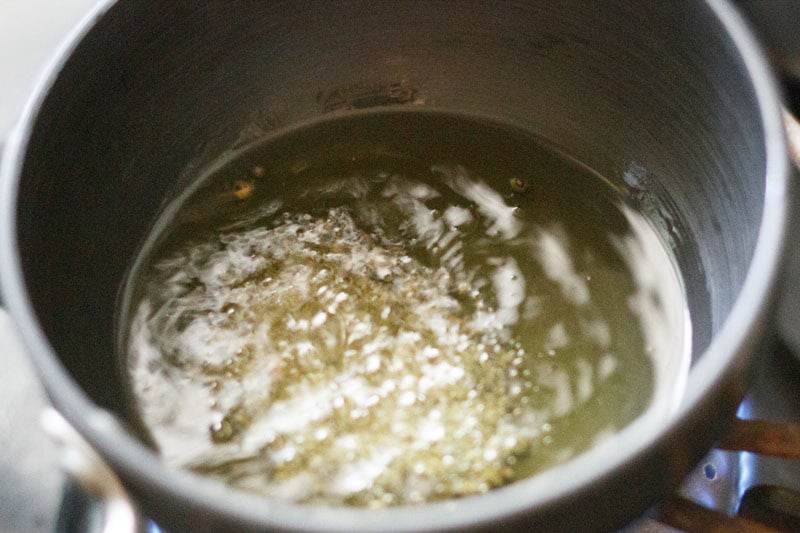
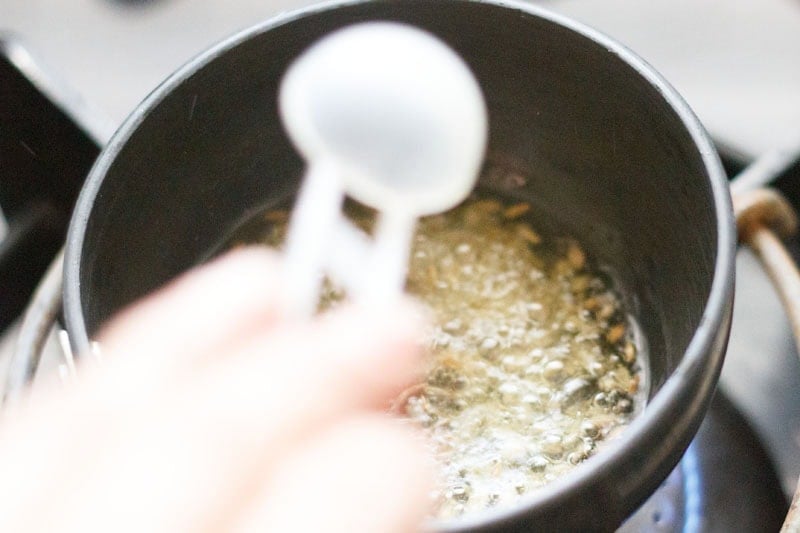
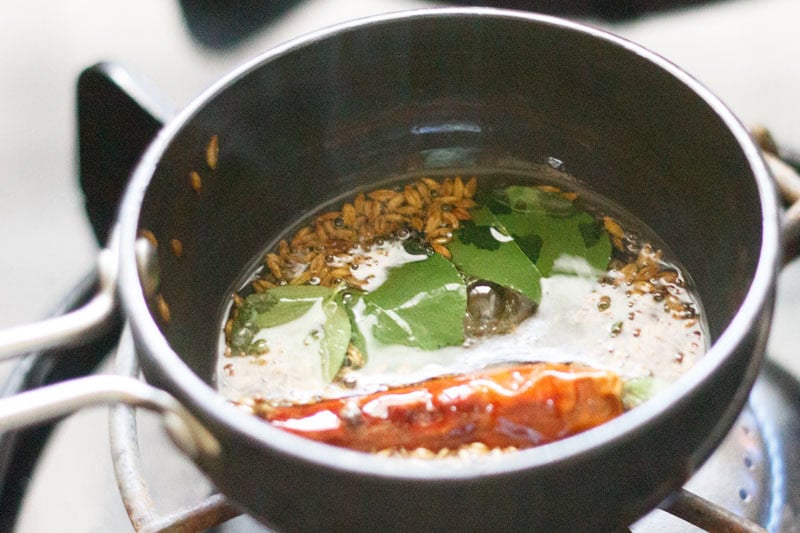
The tempering process is the most critical scientific step in this recipe. When mustard seeds are added to hot oil, they undergo a "popping" reaction (thermal expansion), which signals the release of sulfur-containing compounds that provide the signature pungent, nutty aroma. The subsequent addition of dried red chilies and asafoetida (hing) creates a secondary layer of savory notes, while the curry leaves—which contain specific volatile oils—add a citrusy, herbal undertone that cuts through the richness of the coconut.
Official Perspectives: The Culinary Philosophy of Simplicity
Culinary experts often emphasize that the best South Indian breakfasts are those that rely on the quality of ingredients rather than the complexity of techniques. When discussing this specific recipe, proponents of home-cooking stress that the choice of coconut is paramount.
"Fresh, mature coconut is the gold standard," notes one culinary consultant. "The moisture content in fresh coconut creates a silky emulsion when ground, which is difficult to replicate with desiccated varieties. However, for those living in regions where fresh coconut is unavailable, rehydrating high-quality desiccated coconut with warm water is an acceptable, and often effective, compromise."
There is a consensus among home cooks that this version—devoid of chana dal—is superior for those who prefer a "cleaner" coconut flavor. It allows the freshness of the curry leaves and the zing of the green chilies to take center stage, making it an ideal pairing for lighter tiffins like upma or rava idli.
Implications: Cultural Significance and Practical Tips
The implication of this recipe is clear: authentic, restaurant-quality South Indian cuisine is highly achievable in a domestic kitchen. The simplicity of the ingredients—which are staples in almost every Indian pantry—removes the barrier to entry for beginners.
Best Practices for Success
- Temperature Control: When tempering, keep the heat low. Mustard seeds can turn bitter if they burn, and curry leaves should remain bright green or only lightly toasted, not charred.
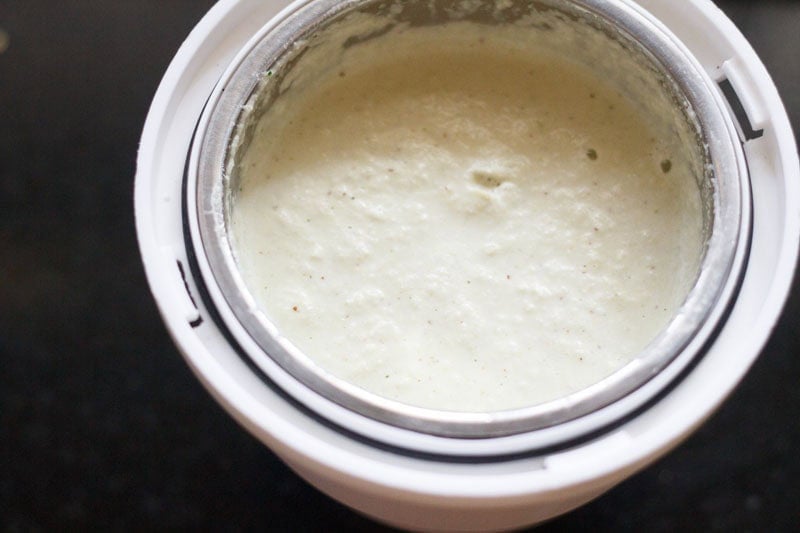
- The Water Factor: The texture of the chutney is dictated by the water-to-coconut ratio. For a dip-style consistency, use more water; for a spreadable paste, use less.
- Freshness and Storage: Because coconut is a highly perishable medium, it is a living ingredient. It should be consumed within hours of preparation. If you must store it, refrigeration is mandatory, but even then, it is best enjoyed within 24 hours to prevent the degradation of the delicate oils.
- The Grinding Technique: Pulse the blender rather than running it continuously. Over-grinding can heat the coconut, causing the oils to separate and resulting in a "greasy" rather than "creamy" texture.
Variations and Adaptations
While this recipe is a purist’s delight, the cultural versatility of the chutney is immense. For those looking to experiment:
- The Nutty Twist: Adding a handful of roasted peanuts during the blending stage adds a earthy depth and protein boost.
- The Tangy Shift: While this version omits tamarind, a small marble-sized piece can be added for those who prefer a more pronounced sour note.
- The Onion Infusion: Some households prefer to sauté a small shallot or red onion and blend it with the coconut for a sweeter, more complex body.
Conclusion: A Living Tradition
Idli chutney is more than just a side dish; it is a symbol of the ingenuity found in South Indian kitchens. It demonstrates how a few humble, local ingredients can be transformed through technique into something that is profoundly satisfying. By mastering this simple, coconut-forward recipe, the home cook gains access to the true essence of South Indian tiffin culture. Whether it is a quick weekday breakfast or a leisurely Sunday brunch, the ritual of grinding the chutney and the final sizzle of the tadka remain a quintessential part of the culinary experience, bridging the gap between generations and preserving the flavors of the past in the kitchens of the future.