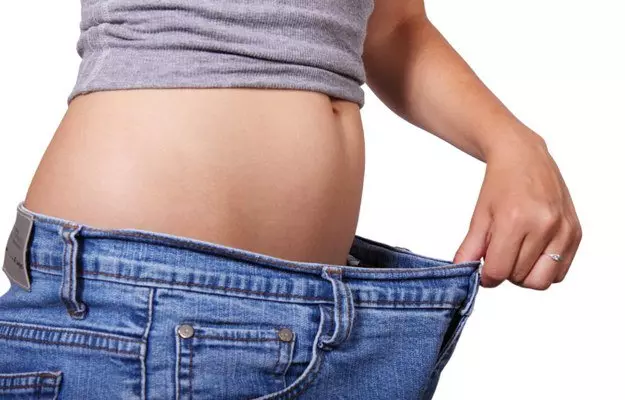
Achieving a healthy body composition is a goal for millions, yet belly fat (visceral adipose tissue) remains one of the most stubborn and complex health challenges to address. Often stemming from a combination of hormonal imbalances, sedentary lifestyles, and dietary patterns, the accumulation of fat around the midsection is more than just a cosmetic concern—it is a significant risk factor for metabolic syndrome, cardiovascular disease, and Type 2 diabetes.
This report explores the scientific, nutritional, and lifestyle interventions necessary for sustainable fat loss, moving beyond the "quick fix" culture to provide a roadmap for long-term health.
1. Understanding Visceral Fat: The Physiological Core
To effectively reduce belly fat, one must first understand what it is. Unlike subcutaneous fat (the jiggly fat stored just under the skin), visceral fat is stored deep within the abdominal cavity, surrounding vital organs like the liver, pancreas, and intestines.
Why Visceral Fat is Dangerous
Visceral fat is biologically active. It secretes inflammatory markers and hormones that interfere with the body’s normal metabolic functions. This can lead to insulin resistance, elevated blood pressure, and chronic low-grade inflammation. Consequently, targeting this specific area is not merely about aesthetic preference; it is a critical medical intervention for longevity.
2. Chronology of Metabolic Change: The Timeline of Transformation
Fat loss is not a linear process. When individuals embark on a structured diet and exercise program, the body undergoes a predictable sequence of physiological shifts.
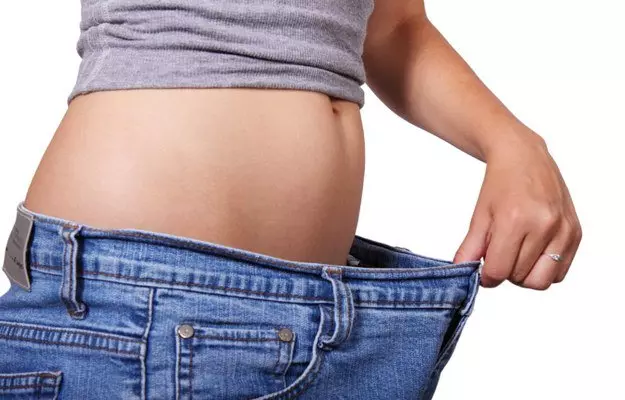
- Phase 1: The Initial Fluid Shift (Days 1–7): In the first week of a caloric deficit, much of the weight lost is water weight. As glycogen stores in the liver and muscles are depleted, the body releases water attached to these carbohydrates.
- Phase 2: Metabolic Adaptation (Weeks 2–8): During this phase, the body begins to mobilize fat stores for energy. This is where consistency is most critical. Resting metabolic rate (RMR) may slightly fluctuate as the body adjusts to lower intake.
- Phase 3: Stabilization and Fat Oxidation (Months 3 and beyond): This is the stage where visible changes to the midsection occur. The body has successfully adapted to the new regimen, and fat oxidation becomes more efficient.
3. Nutritional Foundations for Fat Loss
There is no "magic pill" for belly fat; however, evidence-based nutrition remains the most powerful tool in your arsenal.
The Role of Protein
High-protein diets are essential for fat loss. Protein increases satiety through the regulation of appetite-related hormones (ghrelin and GLP-1). Furthermore, the thermic effect of food (TEF) is higher for protein than for fats or carbohydrates, meaning the body burns more calories just by digesting it.
Fiber and Gut Health
Soluble fiber forms a gel-like substance in the gut, which slows the transit of food and increases the feeling of fullness. Studies have shown that for every 10-gram increase in daily soluble fiber intake, the accumulation of visceral fat decreases by nearly 4% over a five-year period.
Managing Insulin Spikes
Refined carbohydrates and added sugars cause rapid spikes in blood glucose, leading to insulin secretion. Insulin is a storage hormone; chronically elevated levels make it nearly impossible for the body to access stored fat for energy. Transitioning to complex carbohydrates (oats, legumes, whole grains) is vital for maintaining stable insulin levels.
4. Physical Activity: Beyond the Crunch
A common misconception is that "spot reduction" (doing hundreds of sit-ups) will burn belly fat. Scientific consensus confirms that you cannot target fat loss in a specific area through exercise alone. Instead, a combination of resistance training and high-intensity interval training (HIIT) yields the best results.

Resistance Training
Building muscle mass increases the basal metabolic rate. Even when you are at rest, more muscle means more calories burned. Aim for 3–4 days of strength training per week, focusing on compound movements like squats, deadlifts, and overhead presses.
HIIT and Cardiovascular Health
High-intensity interval training has been shown to be more effective at reducing visceral fat than steady-state cardio. By pushing the heart rate to 80–90% of its maximum capacity for short bursts, followed by rest, the body experiences an "afterburn" effect known as Excess Post-exercise Oxygen Consumption (EPOC).
5. The Role of Hormones and Sleep
Stress and sleep deprivation are the "silent killers" of fat loss progress.
- Cortisol: When you are chronically stressed, the body releases cortisol. Elevated cortisol levels have a direct correlation with increased abdominal fat deposition.
- Sleep Hygiene: Research indicates that individuals who sleep fewer than six hours a night are significantly more likely to carry excess weight around the midsection compared to those who get 7–8 hours of quality rest. Sleep is when the body repairs muscle and regulates the hunger hormones leptin and ghrelin.
6. Official Health Guidelines and Professional Consultation
Major health organizations, including the WHO and various national health boards, emphasize that body mass index (BMI) is not the only metric of health. Waist-to-hip ratio is a more accurate predictor of metabolic disease.
If you are struggling to lose weight despite a caloric deficit, it is imperative to consult with a medical professional. Underlying conditions such as Hypothyroidism, Polycystic Ovary Syndrome (PCOS), or hormonal imbalances may require clinical intervention rather than just lifestyle changes.

7. Implications: The Path to Long-Term Sustainability
The pursuit of a flat stomach is, at its heart, a pursuit of health. The implications of reducing visceral fat are profound:
- Reduced Inflammation: Lower markers of CRP (C-reactive protein).
- Improved Insulin Sensitivity: Lower risk of Type 2 diabetes.
- Enhanced Energy Levels: Stable blood sugar leads to consistent energy throughout the day, avoiding the "afternoon slump."
Final Recommendation: Consistency Over Intensity
The most successful strategy is the one you can sustain for years, not weeks. Avoid restrictive fad diets that promise rapid results; they almost always lead to muscle loss and subsequent fat gain once the diet ends. Instead, focus on a "whole-foods" approach, prioritize protein intake, maintain consistent physical activity, and honor the body’s need for sleep.
Disclaimer: This article is for informational purposes only and does not constitute medical advice. Always seek the advice of your physician or other qualified health provider with any questions you may have regarding a medical condition or weight loss regimen.