Despite India’s meteoric rise as a global economic powerhouse and significant advancements in medical infrastructure, a silent crisis continues to erode the nation’s human capital: anaemia. Driven primarily by iron deficiency, this condition affects more than half of all Indian women and nearly three-quarters of the nation’s children. It is not merely a clinical issue; it is a developmental anchor, contributing to maternal mortality, stunted cognitive growth in children, and reduced labour productivity that translates into substantial economic losses.
While the Government of India’s Anaemia Mukt Bharat (AMB) strategy—recently revamped as the 7X7X7 initiative—offers a comprehensive, multi-pronged approach to combat the crisis, one of the most effective, low-cost preventive measures remains significantly underutilised: Double Fortified Salt (DFS).
The Main Facts: A Simple Solution for a Complex Problem
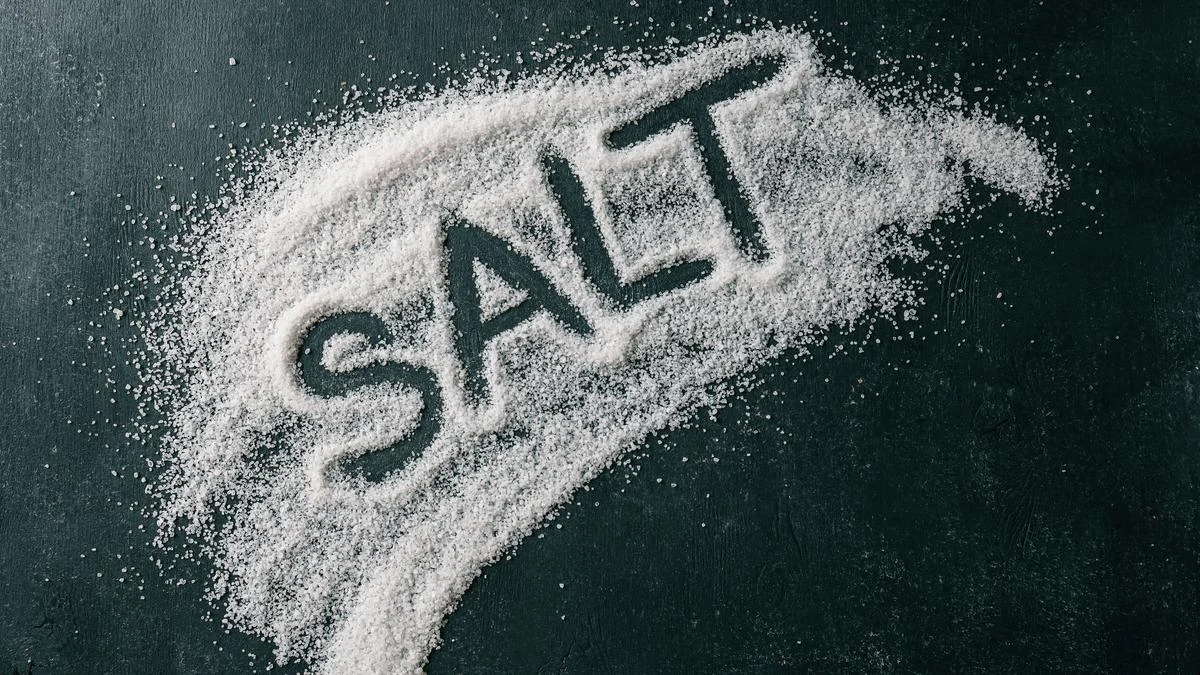
At its core, DFS is common salt fortified with two essential micronutrients: iodine and iron. The brilliance of this intervention lies in its ubiquity. In India, salt is a universal commodity; it is consumed daily by virtually every household, regardless of socio-economic status, geography, or dietary preference.
By integrating iron into the salt supply chain, the state can bypass the hurdles of "compliance fatigue" that plague traditional oral iron supplementation programmes. Unlike pills, which require consistent adherence and motivation, DFS requires no change in behaviour. It is a "passive" public health intervention that delivers nutrition to the population at the point of consumption.
With an estimated cost of just ₹14 to ₹20 per person annually, DFS stands as one of the most cost-effective public health tools ever devised. Economists estimate a benefit-cost ratio of 4.2:1 for a national rollout, a figure driven by the long-term gains in worker productivity and reduced healthcare expenditures.
Chronology: From Iodisation Success to the DFS Frontier
India’s journey toward micronutrient fortification is rooted in its historic success with Universal Salt Iodisation (USI).
- The 1980s and 90s: India launched the National Goitre Control Programme, which evolved into the Universal Salt Iodisation programme. This became one of the most successful public health initiatives in the country’s history, achieving over 95% household coverage. This established the essential "delivery platform"—a robust infrastructure of salt refineries, supply chains, and regulatory oversight.
- Early 2000s: Researchers began exploring the addition of iron to this existing iodisation platform. Several randomised controlled trials were initiated in locations as diverse as Bengaluru, Darjeeling, and Punjab to test the stability, taste, and efficacy of iron-fortified salt.
- The 2010s: Evidence mounted. Large-scale implementation programmes in Uttar Pradesh confirmed that DFS could be manufactured to high specifications without altering the colour or taste of the salt, making it highly acceptable to consumers.
- The Modern Era (2020–2026): The Food Safety and Standards Authority of India (FSSAI) issued formal standards for DFS. The government mandated its inclusion in the PM POSHAN (school feeding) scheme and the Integrated Child Development Scheme (ICDS). Despite this, the transition from pilot programmes to full-scale national integration has stalled, leaving 76 million beneficiaries covered in only four states, while hundreds of millions remain unreached.
Supporting Data: Why the Science is Settled
The efficacy of DFS is not a matter of conjecture; it is backed by a robust body of global and national research. A comprehensive global review has demonstrated that consistent consumption of DFS can reduce the prevalence of anaemia by as much as 21%.
For a country like India, where iron deficiency is the leading cause of anaemia, this reduction would be transformative. The logistical advantages are equally compelling:
- Manufacturing Capacity: India possesses a centralised salt production industry, which simplifies quality assurance. Unlike many other food fortification efforts that require complex supply chains, salt is processed in a few high-volume hubs, making it easier to regulate.
- Scalability: Existing laboratory infrastructure, originally built for iodine testing, can be easily upgraded to monitor iron content.
- Cost-Benefit: The intervention is remarkably cheap. When weighed against the massive economic burden of anaemia—which impacts school attendance, cognitive performance, and lifetime earnings—the investment of ₹20 per person is negligible.
Institutional Barriers: The "Last Mile" Problem
If the technology is sound, the cost is low, and the need is desperate, why has DFS not been adopted nationwide? The answer lies in institutional inertia rather than technical limitation.

The primary hurdle is the integration of DFS into the Public Distribution System (PDS). While the PDS reaches nearly 800 million citizens, its implementation is a subject of state-level policy. Currently, the adoption of DFS within the PDS is uneven and fragmented.
To bridge this gap, India requires:
- Policy Synchronisation: Moving beyond the PM POSHAN and ICDS mandates to a central flagship scheme that prioritises DFS in the PDS.
- Dedicated Financing: State governments often cite budgetary constraints for the slightly higher procurement costs of DFS compared to non-fortified salt. A central subsidy or incentive programme could neutralise this concern.
- Quality Assurance: As with any food safety measure, a robust, transparent regulatory framework is required. This is a challenge of governance, not science.
- Public Awareness: While salt is universal, consumer trust is vital. Large-scale awareness campaigns are needed to ensure that households understand the health benefits of choosing double-fortified varieties.
Official Responses and Strategic Safeguards
Critics of mass fortification often raise concerns about unintended health consequences, such as excessive iron intake or interference with other health conditions. However, public health experts argue that these risks are easily managed.
The current strategy under the Anaemia Mukt Bharat framework already includes rigorous screening for haemoglobinopathies, such as thalassaemia and sickle cell disease. By integrating DFS into this existing, monitored framework, the government can ensure that the intervention is targeted and safe. Furthermore, these efforts must be aligned with India’s broader goals regarding sodium reduction. The lessons learned from the recent national rice fortification programme provide a blueprint for monitoring, which can be seamlessly adapted for DFS.
Implications for a ‘Viksit Bharat’
The vision of a Viksit Bharat (Developed India) by 2047 cannot be realised if a significant portion of the population suffers from chronic nutritional deficiencies. Anaemia is a drag on human potential; by fixing it, India is not just solving a health problem—it is boosting the nation’s collective IQ and work capacity.
The launch of the revised AMB strategy provides a unique window of opportunity. The political momentum is there, the infrastructure is in place, and the scientific consensus is solid. By scaling DFS nationally, India has the potential to become a global model. Just as India taught the world how to conquer iodine deficiency through the success of its salt iodisation programme, it can now show other low- and middle-income nations how to eradicate iron deficiency at scale.
The path forward is clear. It requires moving the conversation from "whether we should do it" to "how we can implement it." The technology is ready, the salt is in the refineries, and the need is at every dinner table in the country. What remains is the political will to bridge the gap between policy and the plate.
Authors: Marthi Venkatesh Mannar, K.J. Alphons, Jaykumar Menon, Dr. Rajiv Tandon, and Ruchika Arora.