By Editorial Desk
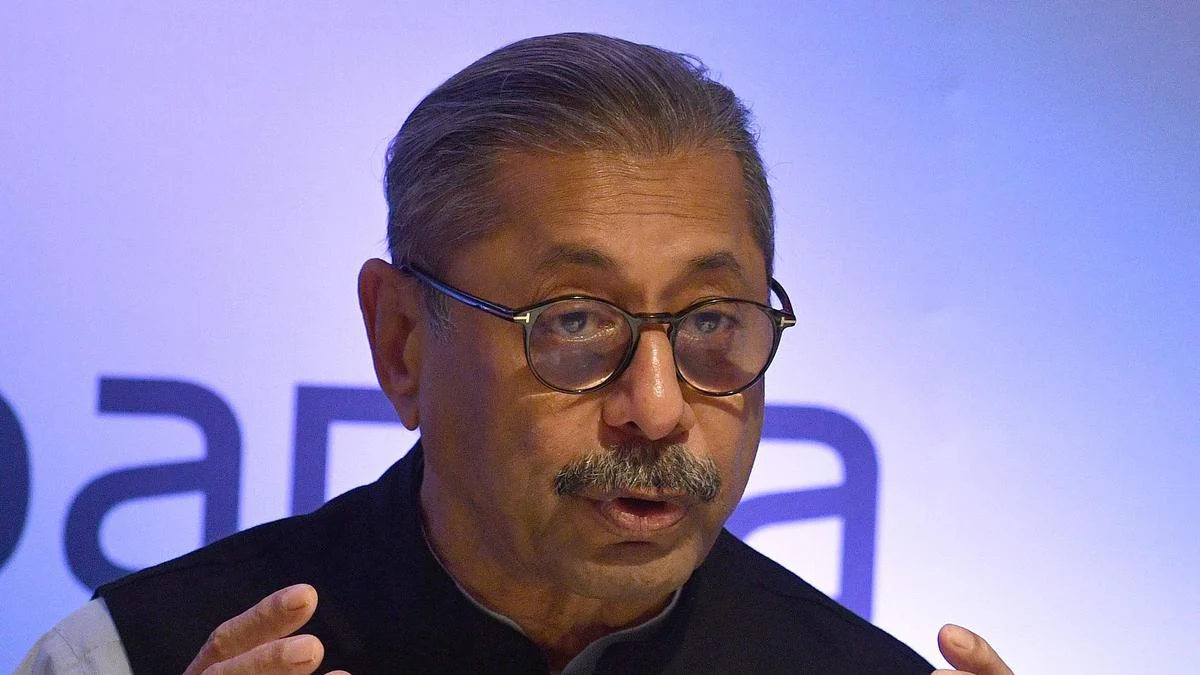
The credibility of a high-level expert committee tasked with reforming India’s pharmaceutical marketing landscape has been thrown into sharp relief following a formal challenge by the Working Group on Access to Medicines and Treatments. The advocacy body has petitioned the Department of Pharmaceuticals to remove Dr. Naresh Trehan, the Chairman and Managing Director of the Medanta Group, from a committee mandated by the Supreme Court to evaluate the regulatory framework for pharmaceutical marketing practices.
At the heart of the controversy is the question of institutional impartiality. The committee, established under the direction of the Supreme Court of India, is charged with assessing the efficacy of the Uniform Code for Pharmaceutical Marketing Practices (UCPMP) 2024. However, critics argue that the inclusion of an industry titan whose own corporate history has been marked by regulatory scrutiny creates a fundamental conflict of interest, potentially undermining the committee’s objective to curb unethical practices in the drug trade.
The Core Conflict: A Question of Impartiality
The Working Group on Access to Medicines and Treatments argues that the appointment of Dr. Trehan compromises the panel’s ability to act as an objective arbiter of industry ethics. In a formal representation submitted to the Department of Pharmaceuticals, the group articulated that the committee’s mandate—to ensure transparency and promote affordable healthcare—is fundamentally at odds with the inclusion of a stakeholder whose business model is deeply embedded in the very system requiring reform.
The group’s objection is not a blanket opposition to industry consultation; rather, it is a surgical critique of the committee’s structural integrity. "The committee’s deliberations and recommendations should be guided solely by public health considerations," the group stated in its appeal. By including an individual with significant financial stakes in the hospital and pharmaceutical supply chain, the government risks creating a perception of "regulatory capture," where the foxes are effectively invited to guard the henhouse.
Chronology of Contention
To understand the weight of this objection, one must look back at the historical friction between regulators and the Medanta Group.

- 2018: The NPPA Investigation: The National Pharmaceutical Pricing Authority (NPPA) conducted a landmark investigation into hospital billing practices. The report scrutinized billing structures across four major private hospitals, including Medicity-Medanta. The findings highlighted significant disparities in hospital tariffs, specifically noting instances of excessive markups on essential drugs and medical devices.
- 2020: Legal Challenges: Following the NPPA findings, Dr. Naresh Trehan and other associated individuals faced increased legal scrutiny. Notably, the Enforcement Directorate (ED) initiated a money-laundering investigation, casting a long shadow over the administrative governance of the institution.
- 2024: The Supreme Court Mandate: In response to persistent reports of unethical marketing practices and "kickback" cultures in the pharma-hospital nexus, the Supreme Court directed the Centre to form an expert panel to provide statutory backing to the UCPMP.
- October 2026: The Formal Challenge: The Working Group on Access to Medicines and Treatments formally challenged the Department of Pharmaceuticals regarding the composition of the committee, specifically citing Dr. Trehan’s presence as a disqualifying factor due to historical conflicts of interest.
Supporting Data: The Cost of Unregulated Marketing
The concerns raised by the advocacy group are not merely speculative; they are rooted in years of empirical data regarding the Indian healthcare sector. The "pharma-hospital-physician" nexus has long been a subject of debate in public policy.
According to reports from state drug regulatory authorities in Maharashtra, Uttar Pradesh, and Karnataka, the markup on medical consumables and pharmaceuticals within large private hospital chains can exceed 500% to 1,000% of the procurement cost. These markups are frequently cited as the primary driver behind the rising out-of-pocket health expenditure in India, which continues to push millions of citizens below the poverty line annually.
The Working Group points out that when an expert committee is designed to draft policies that will govern how pharmaceutical companies interact with hospitals and doctors, it requires a "clean slate" approach. If the panel is populated by leaders from the very hospitals that have been flagged for overcharging, the resulting recommendations are unlikely to address the core issue of predatory pricing. The group emphasizes that the committee must be shielded from those who have a vested interest in maintaining the status quo of high-margin marketing strategies.
The Regulatory Framework: UCPMP 2024
The committee in question is tasked with evaluating the voluntary Uniform Code for Pharmaceutical Marketing Practices (UCPMP), 2024. The code is intended to curb the culture of gift-giving, sponsorships, and "consultancy fees" that pharmaceutical companies use to influence prescribing patterns.
If the committee’s findings are to be translated into binding legislation—as the Supreme Court has indicated it might—the process must be unimpeachable. Legal experts suggest that if a member of the committee has a conflict of interest, any future litigation challenging the committee’s findings could lead to a stay on the implementation of the new code, effectively setting back reform by years.
Implications for Public Health Policy
The implications of this dispute extend far beyond the inclusion of a single individual. This is a litmus test for the government’s commitment to administrative transparency.

- Public Trust: If the government chooses to retain Dr. Trehan, it sends a message that industry influence takes precedence over public health ethics. Conversely, removing him would demonstrate a willingness to prioritize the integrity of the regulatory process.
- Statutory Backing: The Supreme Court’s desire to move from a voluntary code to a statutory one is a significant shift in Indian healthcare policy. This change requires a panel that can withstand intense scrutiny from the judiciary and the public alike.
- Conflict of Interest Norms: This case could set a precedent for how "expert panels" are constituted in the future. It forces the Department of Pharmaceuticals to codify what constitutes a "conflict of interest" in a sector as complex as healthcare, where industry leaders are often the only ones with sufficient technical expertise.
The Path Forward: A Call for Reconstitution
The Working Group has been categorical in its demand: the Department of Pharmaceuticals must reconstitute the panel. They are not advocating for the exclusion of private sector voices, but rather for the exclusion of conflicted voices.
"We support wide-ranging consultations," the group clarified in their statement. "However, consultation is fundamentally different from participation in the decision-making process. A stakeholder can provide input to a committee, but they should not be a member of the body that deliberates and drafts the policy itself."
As of October 2026, the Department of Pharmaceuticals has yet to issue a formal response to the representation. However, the pressure is mounting. Public health advocates, legal scholars, and civil society organizations are watching closely to see if the government will move to safeguard the impartiality of the panel.
Conclusion
The tension between the interests of the healthcare industry and the rights of the patient remains the central challenge of modern medicine. By calling for the removal of Dr. Naresh Trehan, the Working Group on Access to Medicines and Treatments has highlighted the necessity for a firewall between those who run the healthcare industry and those who regulate it.
The Supreme Court’s intervention was born out of a desperate need to clean up a system that has long been accused of prioritizing profit over the Hippocratic Oath. For the committee to succeed, it must be perceived as a neutral body, committed exclusively to the mandate of ensuring that pharmaceutical marketing does not come at the cost of human life or financial ruin for the patient. The Department of Pharmaceuticals now stands at a crossroads: it must choose between the comfort of industry status quo or the rigors of transparent, ethical, and impartial governance. The health of the nation’s regulatory future depends on the choice it makes.