For millennia, the figure of the peasant stood at the very heart of human civilization. They were the stewards of the soil, the architects of early societal structures, and the silent engine of economic life. Yet, as the industrial age dawned, a profound narrative shift occurred: the peasantry was increasingly relegated to the margins, framed not as the bedrock of society, but as a relic—a primitive vestige destined to be swallowed by the machinery of progress.
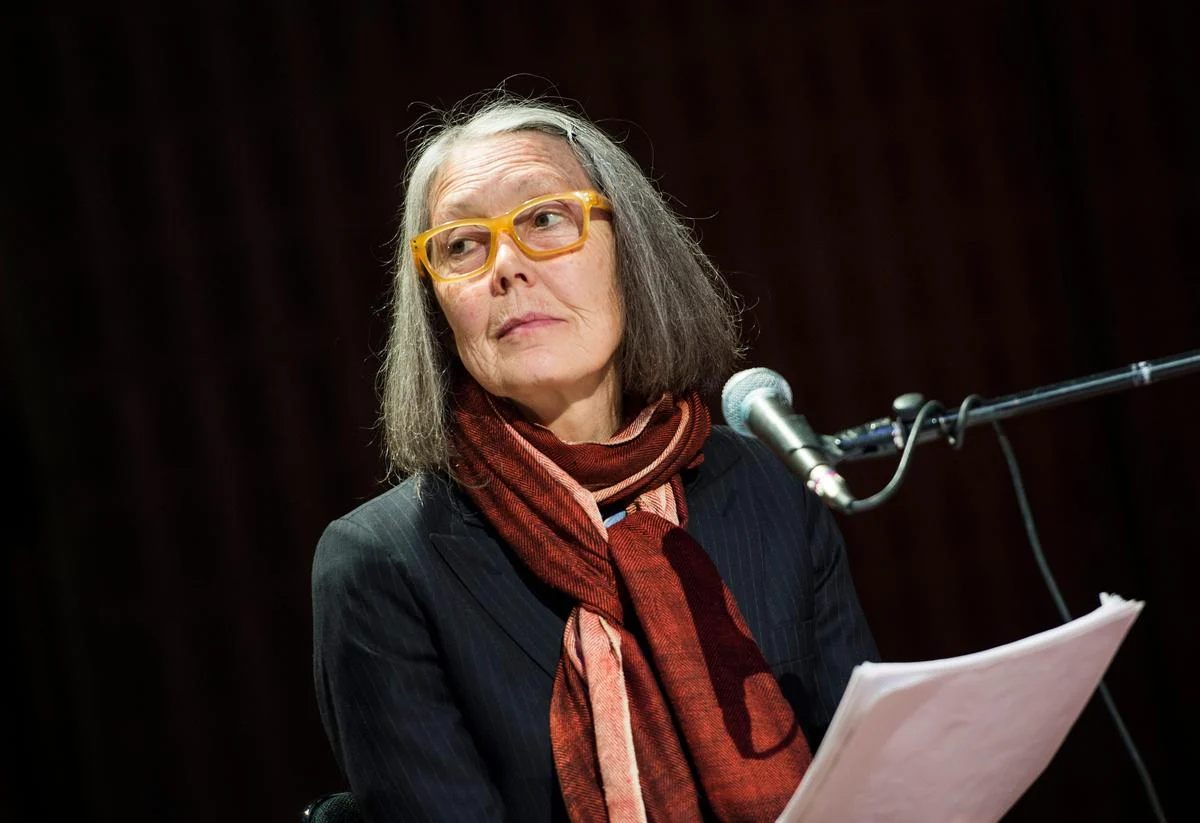
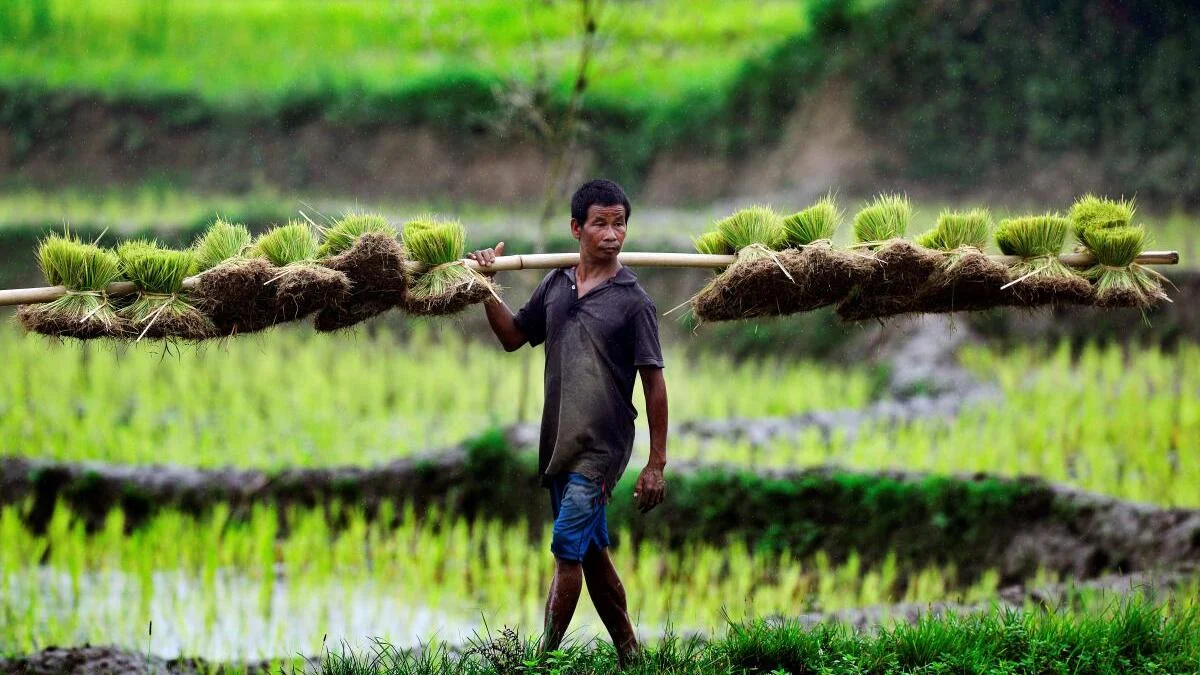
Despite this ideological erasure, the reality remains starkly different. Today, nearly a quarter of humanity—roughly 1.8 to 2 billion people—are still peasants, working small parcels of land and sustaining the world’s food systems. In her provocative new book, Peasants: Makers of the Modern World (Bloomsbury), sociologist Maryam Aslany challenges the prevailing orthodoxy that modernity and the peasantry are mutually exclusive. Through a rigorous re-examination of global history, Aslany argues that far from being obsolete, the peasantry is the invisible hand that has shaped—and continues to sustain—the modern global order.
The Myth of the Vanishing Peasant
The central premise of modern political theory, spanning both the capitalist West and the socialist East, has long been the "inevitability of disappearance." From Adam Smith to the architects of the Industrial Revolution, the consensus was clear: small-scale agriculture was inefficient and would naturally be absorbed by large-scale, mechanized capital.
"I chose this title partly to provoke readers because, in the West especially, you’re not supposed to say ‘peasant’ anymore," Aslany notes. "It is used as a term of abuse—a shorthand for backwardness or lack of intelligence. Modernity was defined by the expulsion of the peasantry; the idea that to be modern, one had to move beyond the rural life."
However, history has not followed this linear path. While the industrial template of the West—characterized by rapid urbanization and the consolidation of land—sought to eradicate the small farmer, this transformation failed to materialize across much of the Global South. Today, countries like India retain the largest peasant populations in the world, defying the predictions of 19th-century economists. The "end of the peasant" has proven to be a myth of modernity rather than a historical fact.
Chronology of a Displaced Class
The marginalization of the peasantry is not a natural economic evolution, but a deliberate political project that gained momentum during the Industrial Revolution.
- 18th – 19th Century (The Great Displacement): The Enlightenment and the birth of industrial capitalism posited that land, like labor, should be treated as a commodity. Enclosure movements in Europe and colonial land-grabbing across Africa and Asia stripped peasants of their autonomy.
- 20th Century (The Industrial Mandate): Both capitalist and communist models of development prioritized massive industrial output. Whether through corporate agribusiness or state-run collective farms, the goal remained the same: centralize production and minimize the role of the individual, small-scale cultivator.
- The Contemporary Era: Despite the rise of the "mega-city," the world remains stubbornly rural. With 43% of the global population still living in the countryside, the promised transition to a fully urbanized world has stalled.
Supporting Data: The Case for Small-Scale Stewardship
Aslany’s research highlights a critical dichotomy between industrial farming and peasant agriculture. While industrial farming has successfully scaled up to feed a ballooning global population, it has come at an immense ecological cost.

- The Monoculture Crisis: Large-scale industrial farms rely on monocropping, which exhausts soil nutrients and creates a dependency on chemical fertilizers and pesticides. This practice not only diminishes biodiversity but poses long-term risks to human health.
- The Resilience Factor: Unlike corporate entities that can relocate when land is depleted, peasant farmers are tethered to their plots. This proximity forces a relationship of stewardship. Small farmers utilize traditional methods like crop rotation and complex irrigation management to preserve the fertility of the soil for future generations.
- The Subsidy of Capitalism: Global supply chains are built upon the labor of the peasantry, yet this labor is rarely recognized. From the sugar and chocolate that fueled the empires of the past to the raw materials powering modern industry, the peasant is the silent partner in global capitalism, operating on profoundly unequal terms.
Implications for an Uncertain Future
The persistence of the peasantry carries massive implications for how we address the defining crises of the 21st century: climate change, food insecurity, and economic inequality.
The Urban-Rural Divide
Aslany frames the current state of affairs as a "class war between the urban and rural factions of humanity." Because policy-making, legal institutions, and media outlets are overwhelmingly concentrated in urban centers, the needs and knowledge of the rural population are systematically ignored. This disconnect is dangerous. If the world continues to treat the countryside as an outdated resource pool, the resulting instability—manifesting in inflation, migration, and supply chain shocks—will inevitably collapse upon the cities.
Knowledge as a Climate Buffer
Perhaps the most striking argument in Peasants: Makers of the Modern World is the assertion that the peasant class is humanity’s last buffer against ecological catastrophe. "Because they are closer to nature, farmers have an understanding of water, soil, and biodiversity that we in urban areas lack," Aslany explains.
In an era of climate volatility, the ancestral knowledge held by small-scale farmers regarding ecosystem management is not just a cultural heritage; it is a survival strategy. Modernity has largely viewed this knowledge as "primitive," but as the limits of industrial agriculture are reached, the wisdom of the peasantry may become the only viable blueprint for sustainable food security.
Conclusion: A Reckoning with Reality
The future of the world economy depends on whether we can bridge the divide between our modern, urban-centric vision and the lived reality of the global countryside. The crisis in the countryside is not merely a problem for the rural poor; it is a structural crisis of the modern world itself.
The solutions to our current malaise—be it climate change or the instability of global food systems—will not emerge from the boardrooms of agribusinesses that created the problems in the first place. Instead, they lie in the very communities we have spent the last two centuries trying to render obsolete.
As Aslany poignantly concludes, the peasant is not a relic of the past, but a crucial participant in our collective future. Ignoring them any longer is a luxury the modern world can no longer afford. The "makers of the modern world" are still working the land, and it is time for the world to recognize their contribution before the damage to our collective home becomes irreversible.