HYDERABAD – In a landmark directive signaling a seismic shift in the industrial trajectory of Telangana, Deputy Chief Minister Mallu Bhatti Vikramarka has formally instructed the state-owned Singareni Collieries Company Limited (SCCL) to initiate a radical diversification strategy. The mandate aims to transition the century-old coal giant into a multi-mineral powerhouse, with a specific focus on critical minerals essential for the global green energy transition.
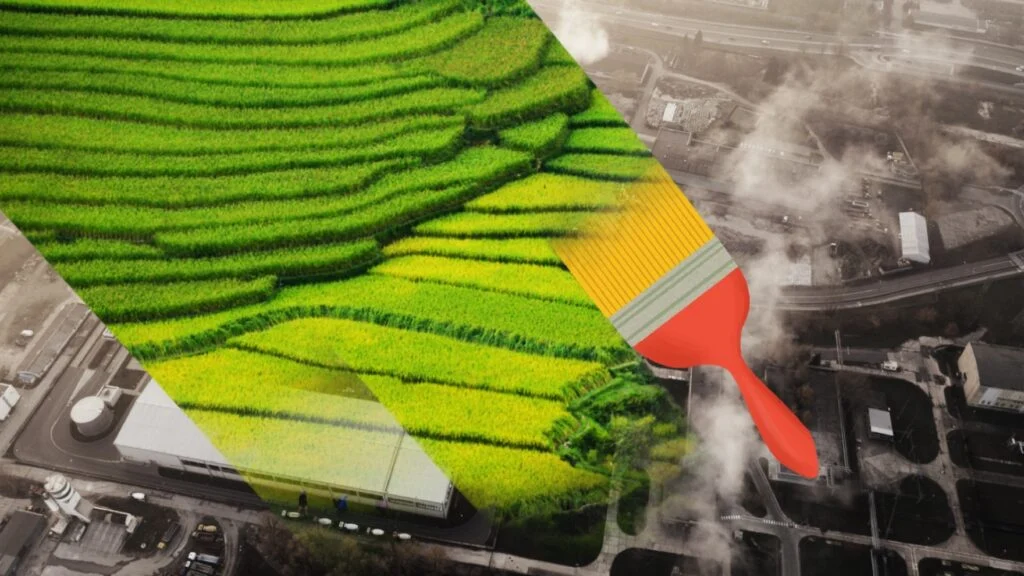
The directive, issued during a high-level conclave with the company’s 66 general managers on Sunday, marks the first time the state government has explicitly pushed the mining behemoth to pivot away from its sole reliance on thermal coal. As the global energy landscape tilts toward renewables, the Telangana government is positioning SCCL to survive—and thrive—in a post-fossil fuel economy.
The Strategic Mandate: A New Horizon for SCCL
The core of the Deputy Chief Minister’s directive is the exploration and extraction of "critical minerals"—a category that includes lithium, copper, gold, and vanadium. These elements are the building blocks of the 21st-century economy, powering everything from electric vehicle (EV) batteries and grid-scale storage systems to advanced telecommunications infrastructure.
The Shift Toward Green Energy
Bhatti Vikramarka’s vision is rooted in the acknowledgment that the era of unbridled coal dominance is waning. With the aggressive adoption of solar power, pumped storage hydro projects, and advanced battery storage solutions across India, the demand for thermal coal is expected to face significant headwinds in the coming decades.
"Singareni must assess the long-term implications for thermal power generation," Bhatti noted during the meeting. "We are leveraging more than a century of mining expertise. It is time to apply that technical acumen to the minerals that will define the next hundred years."
To facilitate this transition, the Deputy Chief Minister has recommended that SCCL engage international consultants to conduct rigorous, data-driven feasibility studies. These studies will be critical in identifying viable deposits and determining the economic viability of entering the highly competitive, high-stakes global market for battery minerals.
Chronology: A Century of Coal and the Modern Pivot
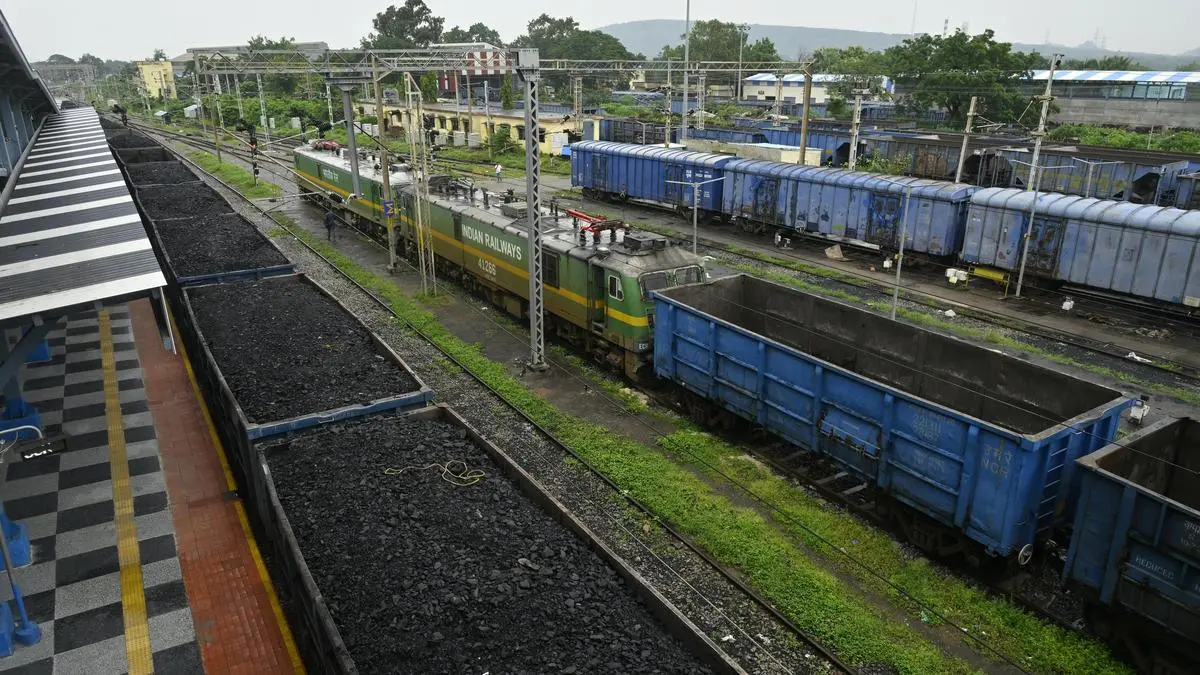
The history of Singareni Collieries is inextricably linked to the industrial development of Southern India. Established in the late 19th century, SCCL has served as the backbone of Telangana’s power generation capacity for generations.
- 1889: The Singareni coal fields are discovered, marking the beginning of commercial mining in the Godavari Valley.
- 1920s–2000s: SCCL expands into a massive state-led enterprise, sustaining the power grids of Telangana and neighboring states.
- 2024: Global energy trends shift rapidly toward decarbonization, putting pressure on coal-reliant economies.
- October 2026 (Current): Deputy Chief Minister Bhatti Vikramarka convenes a first-of-its-kind meeting with the top management of SCCL to formalize the pivot toward critical minerals and operational cost-efficiency.
This meeting serves as a turning point, moving SCCL from a defensive posture regarding coal to an offensive posture regarding the future of mineral extraction.
Supporting Data: The Economic Stakes
The importance of SCCL to the Telangana economy cannot be overstated. The company is not just a mining enterprise; it is a massive socio-economic engine.
Employment Profile
- Permanent Workforce: Approximately 42,000 employees.
- Contractual/Outsourced Workforce: 34,000 to 36,000 personnel.
- Total Stakeholders: Nearly 80,000 families rely directly on the company’s financial health.
The government’s primary concern is the long-term viability of these livelihoods. By diversifying into critical minerals, the state aims to "future-proof" these jobs. If SCCL fails to adapt, the decline in coal demand could lead to mass layoffs, industrial stagnation, and regional economic distress.
Operational Efficiency
During the meeting, the Deputy Chief Minister emphasized that diversifying into new minerals is not a license to abandon coal efficiency. In fact, he warned that the company’s core business must become "leaner and sharper."
- Production Costs: Controlling the cost per ton of coal is the primary requirement for maintaining market share.
- Market Pressure: As private coal players and alternative energy providers enter the space, SCCL must remain competitive, or it risks losing its long-standing contracts with thermal power stations that are increasingly sensitive to fuel prices.
Official Responses and Strategic Negotiations
The government is not merely issuing directives; it is actively lobbying at the national level to protect and expand SCCL’s operational footprint.
Negotiations with the Union Coal Ministry
A key point of contention for the Telangana government is the allocation of coal blocks. The state is currently in active discussions with the Union Coal Ministry to ensure that SCCL retains its rights to previously allocated coal blocks rather than being forced to surrender them to the national auction process.
"We are arguing that Singareni’s proven capability and the existing infrastructure surrounding these blocks make them the most logical operators," an official stated. "Re-auctioning these blocks would introduce unnecessary volatility into the supply chain."
The SCCL Leadership Perspective
Buddha Prakash Jyoti, Chairman and Managing Director of SCCL, expressed full alignment with the government’s vision. He stated that the company is currently recalibrating its internal strategies to transition into one of India’s leading diversified mining companies.
"We are reviewing our coal supply agreements with power projects to ensure they are robust and sustainable," Jyoti noted. "Our focus is now on mapping our production capacity against the shifting needs of the energy sector, ensuring that we deliver the right grades of coal to the right projects, while simultaneously laying the groundwork for our entry into the critical minerals sector."
Implications: The Road Ahead
The transition of Singareni Collieries represents a microcosm of India’s broader "Just Transition" challenge. The country needs to maintain its energy security—still largely dependent on coal—while simultaneously building the infrastructure for a green economy.
Implications for the Power Sector
The directive to SCCL to coordinate more closely with power projects regarding coal supply and demand is a strategic move to prevent the "stranded asset" phenomenon. By ensuring that coal allocations are matched precisely with the lifecycle of planned power projects, the government aims to minimize waste and ensure that SCCL does not find itself with surplus coal that has no buyers.
The Technological Challenge
Moving from coal to minerals like lithium or vanadium requires a different set of technical skills. While SCCL has over 130 years of experience in underground and open-cast mining, the extraction and processing of critical minerals involve complex chemical and metallurgical processes. The government’s proposal to hire international consultants is a pragmatic acknowledgment of this knowledge gap.
The Socio-Political Dimension
For the workforce, this transition is a double-edged sword. While it offers job security in the long run, the short-term requirements for "improving productivity" and "utilizing manpower more efficiently" likely signal upcoming reforms in work culture and potentially the restructuring of some departments. The government’s challenge will be to manage this transition without triggering labor unrest, balancing the need for modernization with the company’s long-standing culture of employment stability.
Conclusion: A Legacy Reimagined
The directive from Deputy Chief Minister Bhatti Vikramarka is a bold admission that the status quo is no longer a viable path for one of India’s most iconic mining companies. By steering SCCL toward the minerals of the future, the Telangana government is attempting to rewrite the company’s legacy.
Whether SCCL can successfully navigate the transition from a traditional coal miner to a modern, diversified mining corporation will be a definitive test of the state’s industrial strategy. As the world moves away from the carbon-heavy practices of the past, the "Singareni of tomorrow" will be judged not by the tons of coal it moves, but by its ability to secure the critical components that will power the next century of global technological advancement.
For now, the mandate is clear: innovate, diversify, and remain competitive, or risk being left behind by the very energy revolution the world is currently undertaking.