
Executive Summary & Main Facts
Precious metals in the domestic Indian market have experienced a significant price correction over a three-day period, driven by a complex interplay of rising global energy prices, heightened geopolitical volatility in West Asia, and growing anticipation around upcoming central bank monetary policy decisions.
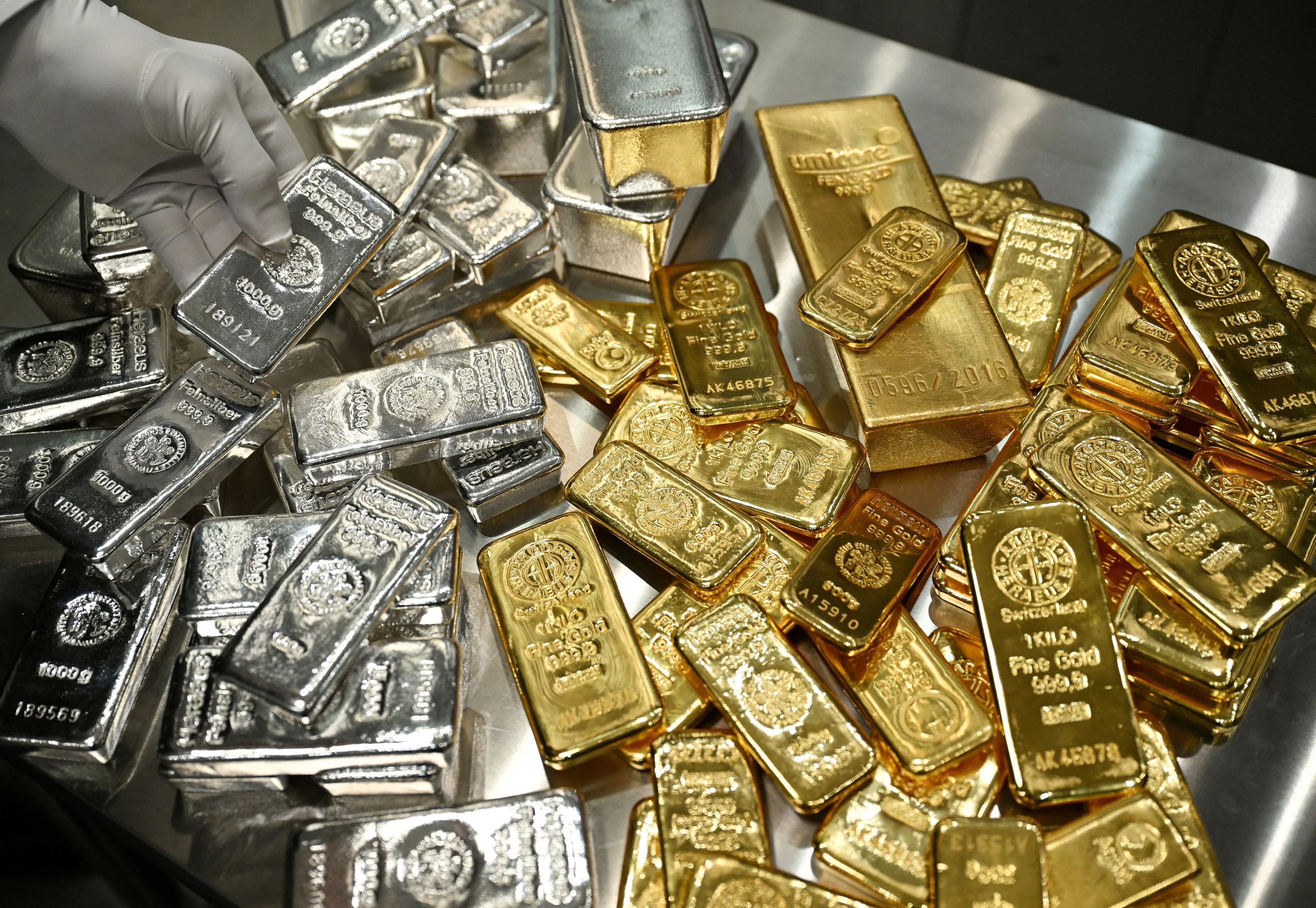
Over a consecutive three-day slide, 24-karat gold plunged by ₹3,610 per 10 grams, while 22-karat gold recorded a decline of ₹3,301 per 10 grams. Simultaneously, silver experienced an even sharper retrenchment, shedding ₹10,100 per kilogram over the same three-day stretch. Taking a broader ten-day view, physical silver has retreated by a cumulative ₹15,100 per kilogram, marking one of its steepest short-term drawdowns in recent months.
+-----------------------------------------------------------------------+
|                       THREE-DAY PRICE MOVEMENTS                       |
+--------------------------+-----------------------+--------------------+
| Commodity Asset          | 3-Day Price Change    | Saturday Change    |
+--------------------------+-----------------------+--------------------+
| 24K Gold (per 10g)       | - ₹3,610              | - ₹10              |
| 22K Gold (per 10g)       | - ₹3,301              | - ₹10              |
| Physical Silver (per kg) | - ₹10,100             | Stable / Marginal  |
+--------------------------+-----------------------+--------------------+
The immediate catalyst behind this bullion sell-off is the sudden surge in international crude oil prices. Brent crude crossed the critical threshold of $116 per barrel following intensified conflict in West Asia and military strikes targeting key Saudi Arabian energy infrastructure. While geopolitical turmoil traditionally fuels safe-haven flows into precious metals, the sheer scale of the oil price spike has reignited global inflation fears.

This, in turn, has fueled market expectations that the United States Federal Reserve will maintain a "higher-for-longer" interest rate stance during its critical policy meeting on October 27–28. Because gold and silver are non-yielding assets, sustained high interest rates raise the opportunity cost of holding physical bullion, prompting institutional investors to shift capital toward yield-bearing dollar-denominated instruments.
Chronology of the Market Slump
To understand the current market dynamics, it is essential to trace the sequential events that led to the present pull-back in precious metals.
       OCT 15                    OCT 16 - OCT 21                 OCT 22 - OCT 24
+-------------------+        +---------------------+        +-----------------------+
|  Silver drops     |        | Period of relative  |        | 3-Day Slump Begins    |
|  ₹5,000/kg in     |  --->  | price consolidation |  --->  | Gold drops ₹3,610/10g |
|  single session   |        | across metals       |        | Silver drops ₹10,100  |
+-------------------+        +---------------------+        +-----------------------+
                                                                        |
                                                                        v
                                                            OCT 27-28 (UPCOMING)
                                                            +-----------------------+
                                                            | US Fed FOMC Meeting   |
                                                            | Rate decision trigger |
                                                            +-----------------------+
Phase 1: Initial Volatility (October 15)
The broader market weakness first manifested on October 15, when silver prices experienced a sharp single-day decline of ₹5,000 per kilogram. This breakdown signaled growing fatigue among bullion bulls following weeks of elevated valuations.

Phase 2: Intermittent Consolidation
Following the initial mid-month shock, silver prices entered a brief six-day period of range-bound stability. During this phase, market participants monitored international developments, keeping spot prices contained within a narrow trading channel as energy markets began to show signs of upward momentum.
Phase 3: The Three-Day Slump
The market structure broke down decisively as Brent crude rallied sharply past $116 per barrel following security escalations in the Middle East. Over three consecutive trading sessions, gold and silver unwound significant portions of their previous gains:
- Day 1–2: Accelerated institutional liquidations pushed 24K gold down by over ₹3,600 per 10g.
- Day 3 (Saturday): Prices began to floor out slightly, with both 24K and 22K gold registering a minor incremental drop of ₹10 per 10 grams, bringing 24K total loss to ₹3,610 and 22K loss to ₹3,301 over the period. Silver settled after its cumulative ₹10,100 per kg fall over three days.
Supporting Data and Regional Price Disparities
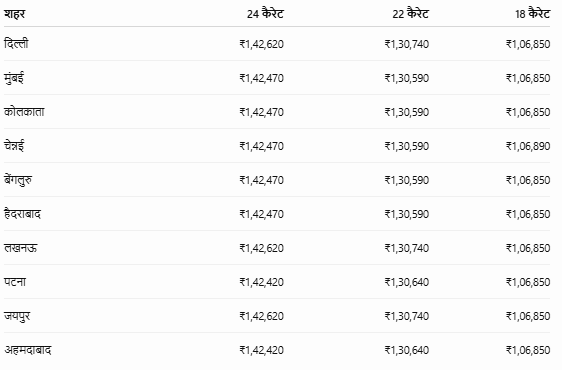
While global macroeconomic factors set the baseline benchmark for precious metal valuations, local demand, state-level taxes, transport costs, and regional supply chain dynamics create variations across major Indian metropolitan areas.
+-----------------------------------------------------------------------------------+
|               METROPOLITAN PRICE REGISTRY (PHYSICAL SILVER PER KG)                 |
+--------------------+-------------------------+------------------------------------+
| Metropolitan City  | Physical Silver Rate    | Market Premium Status              |
+--------------------+-------------------------+------------------------------------+
| Delhi (NCR)        | ₹2,20,000               | Standard Benchmark                 |
| Mumbai             | ₹2,20,000               | Standard Benchmark                 |
| Kolkata            | ₹2,20,000               | Standard Benchmark                 |
| Chennai            | ₹2,24,900               | Highest Regional Premium (+₹4,900) |
+--------------------+-------------------------+------------------------------------+
Gold Purity and Usage Breakdown
In the domestic retail market, two primary purities dominate consumer transactions:
- 24-Karat Gold (99.9% Purity): Considered the pure investment standard, utilized primarily for minting bullion bars, coins, and primary digital gold reserves. It registered a three-day total drop of ₹3,610 per 10 grams.
- 22-Karat Gold (91.6% Purity): Alloyed with metals like copper or silver to enhance durability, making it the preferred standard for traditional jewelry fabrication. It recorded a three-day total loss of ₹3,301 per 10 grams.
Silver Pricing Trends
Physical silver exhibited pronounced regional pricing dynamics. In Delhi, Mumbai, and Kolkata, physical silver held at ₹2,20,000 per kilogram. Meanwhile, Chennai maintained the highest rate among the four major metros at ₹2,24,900 per kilogram—reflecting a regional premium of ₹4,900 per kilogram driven by localized industrial demand and retail consumption patterns in Southern India.
Macroeconomic Drivers: Crude Oil, Inflation, and Geopolitics
The counter-intuitive decline in precious metals—occurring despite heightened geopolitical friction in West Asia—underscores the complex transmission mechanisms governing global financial markets.
       GEOPOLITICAL ESCALATION
(Middle East Infrastructure Attacks)
                 │
                 ▼
       CRUDE OIL SPIKE ($116+)
                 │
                 ▼
     INFLATION EXPECTATIONS RISE
                 │
                 ▼
     HAWKISH CENTRAL BANK EXPECTATIONS
       (US Fed "Higher-for-Longer")
                 │
                 ▼
 BOND YIELDS RISE / DOLLAR STRENGTHENS
                 │
                 ▼
   BULLION SELL-OFF (Non-Yielding Asset)
The $116 Oil Spike and Middle East Supply Shock
The immediate trigger for the global asset re-pricing was the rapid escalation of conflict in West Asia. Reports of direct attacks on energy infrastructure in Saudi Arabia sent shockwaves through global commodity desks, raising fears of structural supply disruptions across the Persian Gulf. Brent crude futures breached $116 per barrel, triggering sharp repricing across energy-dependent economies.
The Inflation Paradox and Interest Rate Expectations
Typically, geopolitical crises drive safe-haven capital into gold. However, when a crisis manifests as a energy supply shock, the immediate economic consequence is imported inflation. Higher crude prices inflate logistics costs, industrial inputs, and consumer price indices globally.
For central banks—most notably the US Federal Reserve—rising inflation risks preclude monetary easing. Investors quickly deduced that a sustained crude oil surge above $116 per barrel would force the Federal Reserve to keep interest rates elevated for a longer duration to anchor long-term inflation expectations.
Yield Competition and Opportunity Cost
Gold and silver generate no yield, dividends, or interest payments. When monetary policy remains tight, real yields on short-term sovereign debt and money market funds rise. Institutional capital frequently rotates out of non-yielding physical bullion and into high-yielding fixed-income instruments or US Dollar cash equivalents, exerting downward pressure on bullion spot rates.
Central Bank Policy & The Federal Reserve Outlook
All eyes across global trading desks are now fixed on the upcoming US Federal Reserve Federal Open Market Committee (FOMC) monetary policy meeting scheduled for October 27–28.
+-----------------------------------------------------------------------+
|                    FED POLICY DECISION OUTCOMES                       |
+-------------------+---------------------------------------------------+
| Policy Stance     | Projected Impact on Precious Metals               |
+-------------------+---------------------------------------------------+
| Hawkish Hold /    | Prolonged pressure on spot rates; elevated real   |
| Rate Hike Threat  | yields continue to disincentivize bullion holding.|
|                   |                                                   |
| Dovish Pivot /    | Bullion rebound; falling yields reduce opportunity|
| Easing Signal     | cost, revitalizing safe-haven demand.             |
+-------------------+---------------------------------------------------+
The October 27–28 FOMC meeting represents a decisive crossroads for bullion traders. If the Federal Reserve signals that inflation threats stemming from $116 oil will mandate additional rate hikes or delay rate cuts well into next year, precious metals could face continued technical selling.

Conversely, if Fed officials signal concern over slowing global growth and adopt a softer policy posture, precious metals could quickly recover from their three-day slump, leveraging latent safe-haven demand generated by the Middle East crisis.
Implications for Stakeholders
The sharp retreat in gold and silver prices holds distinct strategic implications for retail buyers, institutional investors, and macroeconomic policymakers.
+-----------------------------------------------------------------------+
|                       STAKEHOLDER IMPLICATIONS                        |
+-------------------+---------------------------------------------------+
| Stakeholder Group | Primary Impact & Strategic Action                 |
+-------------------+---------------------------------------------------+
| Retail Consumers  | Buying opportunity for wedding/festive season;    |
| & Jewellers       | stagger purchases given near-term Fed risks.      |
|                   |                                                   |
| Institutional     | Rebalancing portfolios; monitoring USD index and  |
| Investors         | $116 crude threshold before deploying cash.       |
|                   |                                                   |
| Macro Economists  | Managing imported inflation pressures from oil    |
| & Policy Makers   | while tracking current account deficit impacts.   |
+-------------------+---------------------------------------------------+
1. For Retail Consumers and Jewellers
For Indian households preparing for upcoming festive and wedding season purchases, the cumulative three-day drop of ₹3,610 per 10g on 24K gold and ₹3,301 per 10g on 22K gold offers a welcome window of relief. Retail jewelers are anticipating an increase in footfalls as consumers who had postponed purchases due to record-high prices re-enter the market.
However, market analysts advise retail buyers against deploying all capital simultaneously. Given the proximity of the October 27–28 Fed meeting and ongoing crude oil volatility, price action may remain choppy. A dollar-cost-averaging approach to physical gold and jewelry purchases is widely recommended.
2. For Institutional Investors and Portfolio Managers
From an asset allocation standpoint, the recent pull-back highlights the need for active risk management. Investors leveraging bullion as a portfolio hedge must weigh the short-term headwind of high real interest rates against the long-term systemic risk of geopolitical instability.
While the elevated US Dollar Index and rising Treasury yields pose near-term challenges for precious metals, structural supply constraints in physical silver and unresolved Middle East tensions suggest that long-term fundamental support remains beneath the market.
3. For Macro Economists and Central Bankers
For emerging market economies like India, the combination of falling bullion prices and surging crude oil presents a mixed macro picture:
- Falling domestic gold prices can reduce overall gold import values in the short term, partially easing capital outflows.
- However, Brent crude holding above $116 per barrel substantially escalates the national import bill, pressuring the Indian Rupee (INR) against the USD. A weaker Rupee elevates the landed cost of imported commodities, offsetting international spot price declines for domestic consumers.
Conclusion & Market Horizon
The recent three-day decline in gold and silver prices underscores how macro monetary expectations can temporarily overshadow traditional geopolitical safe-haven drivers. While military conflict in West Asia and threats to Saudi oil infrastructure pushed crude past $116 per barrel, the resulting inflation fears have fortified expectations of sustained high interest rates from the US Federal Reserve.
As market participants look ahead to the October 27–28 FOMC meeting, bullion markets are poised for continued sensitivity. Investors and consumers alike should avoid impulse buying based solely on recent declines. A prudent strategy requires assessing individual risk capacity, monitoring real-time spot rates, and keeping a close eye on global energy benchmarks and central bank policy signals over the coming weeks.