By Meredith Dietz
Senior Staff Writer, Lifehacker
October 23, 2026
For years, Garmin has been the gold standard for athletes and outdoor enthusiasts who prioritize battery endurance above almost everything else. Whether you are training for an ultramarathon or embarking on a multi-day backcountry trek, the peace of mind that comes with a device that lasts for weeks—not days—is central to the Garmin experience. However, a wave of frustration is currently washing over the Garmin community following a series of September software updates.
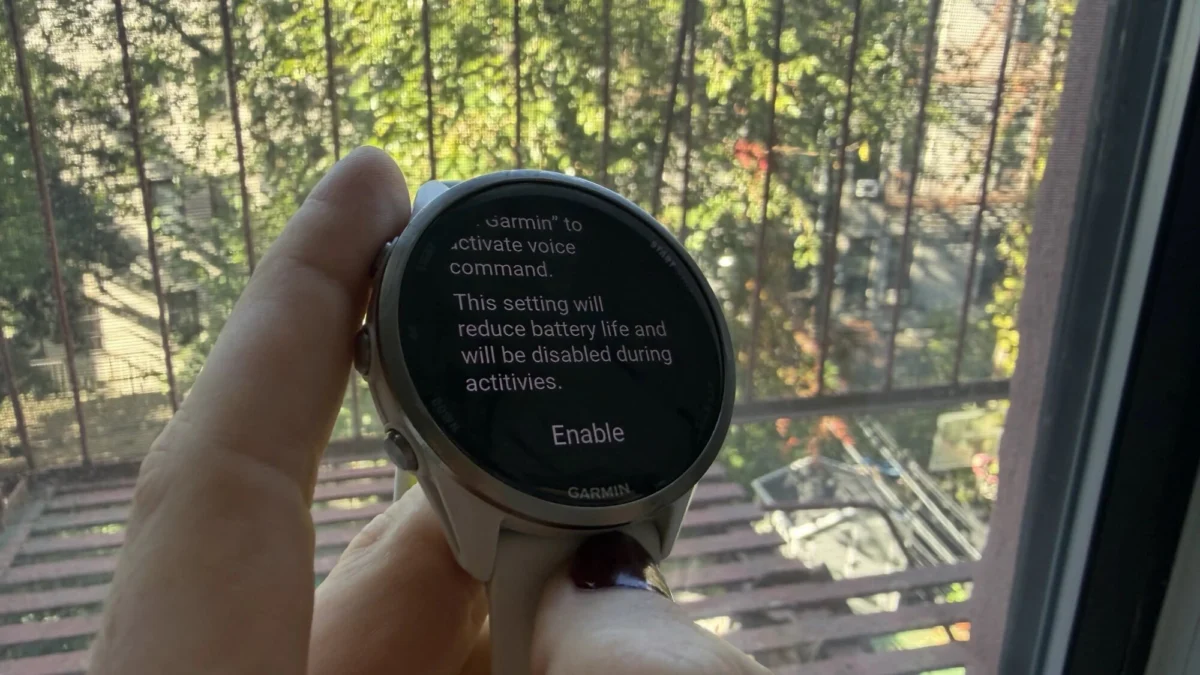
Users across various support forums have reported a startling, precipitous drop in battery life immediately following the latest firmware rollout. At the heart of the controversy is a newly introduced feature: the “OK Garmin” hands-free voice command system. While marketed as a convenience-focused upgrade, early data suggests that for many users, the feature is effectively acting as a power-hungry drain that slashes expected battery runtime by as much as 50%.
The Chronology of the Update
The trouble began in mid-September 2026, when Garmin pushed a significant software update to a wide array of its premium wearable devices. The update was designed to be a value-add, introducing a suite of sophisticated features aimed at making the user experience more seamless. Among the additions were all-day fall detection, enhanced "Quick Workouts," and the integration of the "Garmin Run Coach" platform.
Alongside these fitness-focused tools, Garmin debuted “OK Garmin,” a hands-free voice activation command. The feature allows users to interact with their watch via voice prompts, theoretically removing the need to interact with physical buttons while mid-workout or when carrying equipment.
Almost immediately following the installation of these updates, threads began appearing on the official Garmin forums. Owners of the Fenix 8, Forerunner 570, Forerunner 970, and Venu 4 began documenting a "battery hemorrhage." Users reported that watches which previously held a charge for over a week were suddenly requesting a power source after only a few days. As technicians and power users began cross-referencing their settings, the "OK Garmin" feature was quickly identified as the primary catalyst for the unexpected power consumption.
Understanding the Power Drain
To understand why this feature is so taxing, one must look at how voice-activated hardware operates. For a device to recognize a "wake word"—in this case, "OK Garmin"—the watch’s microphone must remain in a state of "always-on" listening.
In a smartphone, this process is managed by a large battery capable of being charged daily. In a smartwatch, the energy budget is significantly tighter. By forcing the processor and the microphone array to constantly scan for audio input, the watch is effectively stripped of its ability to enter low-power, deep-sleep modes.

While Garmin has acknowledged that enabling advanced features generally reduces battery runtime, the scale of the current complaints is unprecedented. Some users have reported a drop in battery life by 35% to 50%. For a device like the Fenix 8, which is marketed on the strength of its multi-week battery life, a 50% reduction in efficiency transforms a flagship premium device into one that requires the same maintenance as a standard entry-level smartwatch.
Implications for the Athlete’s Workflow
The implications for professional and amateur athletes are significant. Many of these users choose Garmin specifically to avoid the "charge anxiety" associated with competitors like the Apple Watch or Samsung Galaxy Watch.
When a runner or cyclist invests in a premium model, they are paying for the engineering that allows for long-duration GPS tracking and extended battery life. When a software update silently introduces a feature that consumes half of that capacity, it fundamentally changes the value proposition of the hardware.
Furthermore, many users have expressed frustration that the feature was enabled by default or suggested as part of the "setup" process following the update. This has led to accusations that the company is prioritizing "smart" features over the core reliability that built the brand’s reputation.
Official Responses and Manufacturer Stance
Garmin has been relatively quiet regarding the specific technical nature of the power drain, though they have acknowledged in support documentation that voice features carry a "battery cost."
In response to the growing discourse on their forums, company moderators have directed users to standard battery-saving procedures. Their official stance remains that the convenience of hands-free interaction comes with the inevitable trade-off of higher energy consumption. However, they have not yet issued a patch that optimizes the power usage of the wake-word detection, leaving the responsibility of energy management squarely on the shoulders of the consumer.
How to Regain Your Battery Life
If your device has been performing poorly since the September update, the solution is straightforward and, fortunately, does not require a rollback of the software. To reclaim your battery life, you must manually disable the voice-activation suite.
Step-by-Step Guide to Disabling "OK Garmin":

- Access the Menu: Press and hold the "Up" button on your watch to enter the Settings menu.
- System Navigation: Scroll down and select the System tab.
- Voice Settings: Navigate to the Voice sub-menu.
- Disable Features: Toggle the "OK Garmin" setting to Off.
- Secondary Check: If you wish to be even more aggressive with your power savings, navigate to the Phone Assistant settings in the same menu and ensure the wake-word detection for your connected smartphone assistant is also disabled.
By performing these steps, your watch will revert to its previous power-management state. Importantly, disabling the "OK Garmin" wake word does not disable the voice command functionality entirely. You can still access these features manually via the watch’s physical buttons, which do not require constant, battery-draining microphone monitoring.
The Future of "Smart" Wearables
This situation serves as a cautionary tale for the industry. As companies like Garmin, Coros, and Suunto attempt to bridge the gap between "rugged fitness trackers" and "full-featured smartwatches," they risk alienating their core demographic.
The primary draw of a Garmin device has always been its ability to function reliably in the absence of a charger. When software updates begin to compromise this baseline functionality, the "smart" features become a liability rather than an asset.
As of late October 2026, the consensus among power users is to prioritize battery longevity over voice convenience. While the "OK Garmin" feature represents a forward-thinking attempt to modernize the user interface, it is clear that the hardware constraints of current-generation smartwatches are not yet ready for a truly "always-on" voice assistant.
For now, the best advice for those who rely on their Garmin for long-distance training or multi-day expeditions is to keep the feature toggled off. The convenience of a voice-activated command is rarely worth the cost of a watch that dies halfway through your weekend excursion.
Disclaimer: This report is based on user-reported data from public support forums. Battery life estimates are highly subjective and depend on individual usage patterns, GPS settings, and backlight intensity. We may earn a commission from affiliate links included in this article, which helps support our independent journalism.