In the rapidly evolving landscape of digital marketing, the shift from traditional search engine optimization (SEO) to AI-driven Answer Engine Optimization (AEO) is no longer a trend—it is a fundamental restructuring of how brands are discovered. As users increasingly rely on ChatGPT, Gemini, Perplexity, and AI Overviews to bypass traditional link-based search, marketers are finding that legacy rank-tracking tools are becoming obsolete.
The core dilemma for marketing teams today is whether to integrate AI visibility features into their existing SEO suites or to invest in dedicated, specialized AEO platforms. This article evaluates the current market leaders—Ahrefs Brand Radar, Profound, and HubSpot AEO—to determine which tool best aligns with specific organizational needs.
The Shift: Why Traditional Rank Tracking Is Falling Behind
The fundamental shift in user behavior is backed by data. A 2025 analysis by the Pew Research Center, covering 900 U.S. adults, revealed a striking decline in traditional search engagement. When a Google AI summary is present in the search results, users clicked a traditional link in only 8% of sessions, compared to 15% when no AI summary appeared.

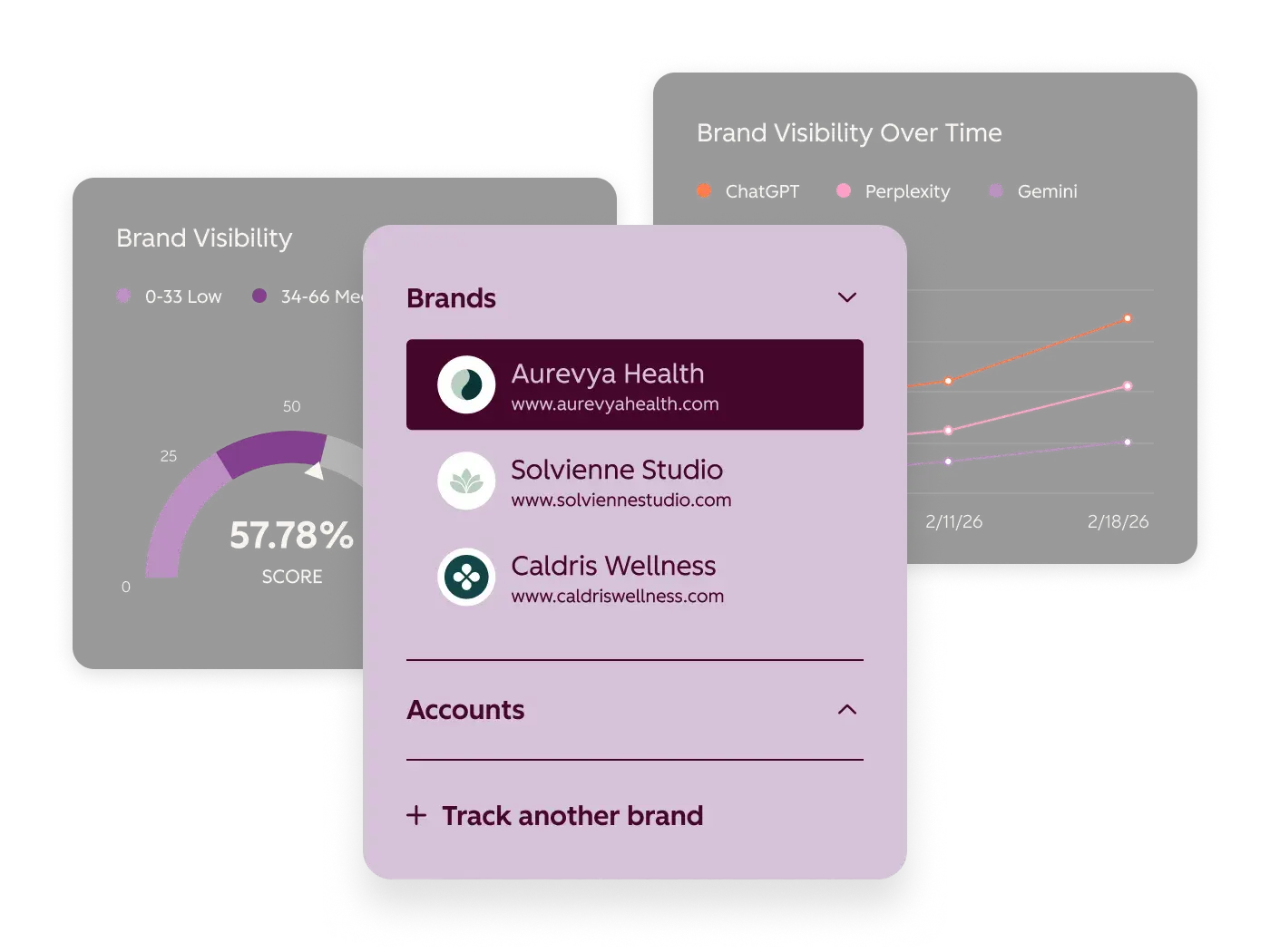
Because AI-generated answers do not occupy a "fixed position" like a traditional blue link, marketers can no longer rely on keyword ranking reports to measure brand presence. Instead, they must monitor "AI Visibility"—a composite metric covering brand mentions, citations, sentiment, and share of voice within LLM-generated responses.
Chronology and Market Positioning
The rise of these tools corresponds to the explosive growth of Generative AI throughout 2024 and 2025.
- Phase 1 (The Emergence): Early adopters began experimenting with manual prompt engineering to see how their brands were cited in LLMs.
- Phase 2 (The Tooling Era): By late 2025, specialized platforms like Profound emerged, focusing exclusively on the nuances of AEO.
- Phase 3 (The Integration Era): In 2026, major platforms like Ahrefs and HubSpot began embedding AEO capabilities directly into their core ecosystems, allowing teams to treat AI visibility as a standard KPI rather than an experimental project.
Ahrefs Brand Radar: The SEO-First Approach
For teams already entrenched in the Ahrefs ecosystem, Brand Radar serves as a natural extension. It leverages Ahrefs’ massive proprietary index to simulate how users query information.

Strengths
- Massive Prompt Database: With over 405 million search-backed prompts (and climbing), the tool provides a deep well of data based on real-world user behavior.
- Workflow Integration: Because it sits inside the Ahrefs dashboard, it allows SEO managers to pivot between backlink analysis, keyword research, and AI visibility tracking without switching platforms.
- Semantic Fanout: The tool effectively expands basic keywords into natural language questions, mimicking the way users interact with chatbots.
Limitations
- The "Suite" Constraint: Brand Radar is built for the generalist SEO. It lacks the deep, granular consumer demographics or sophisticated shopping-specific analytics that a dedicated platform might provide.
- Pricing and Access: As part of the Ahrefs ecosystem, it is designed for existing subscribers. There is no standalone "free trial" for non-users, making it a higher barrier to entry for smaller teams.
Profound: The Specialist’s Choice
Profound positions itself as a dedicated intelligence layer for the AI age. It is built from the ground up for AEO, offering a level of depth that generalist SEO suites struggle to replicate.
Strengths
- Specialist Depth: Profound offers advanced modules that go beyond mere visibility, including deep-dive sentiment analysis and competitive benchmarking that is specifically tuned to how LLMs "think."
- Daily Analysis: The platform runs frequent prompt analyses, providing a more dynamic view of how brand perception shifts in real-time across different engines.
- Engine Versatility: It supports a wider breadth of AI engines compared to integrated tools, making it ideal for brands that need to monitor obscure or highly specific AI platforms.
Limitations
- Platform Siloing: The primary downside of a "best-of-breed" tool is the lack of connection to your CRM or content creation workflow. You are often left with a dashboard of insights that must then be manually translated into tasks.
- Steeper Learning Curve: The depth of data provided requires a dedicated analyst to interpret, which may be overkill for smaller marketing teams.
HubSpot AEO: The Connected Workflow
HubSpot has taken a different approach: rather than just reporting on visibility, it focuses on the "what next" factor.
Core Functionality
HubSpot AEO treats visibility as a bridge to action. By connecting AI visibility data to the HubSpot CRM, it enables marketers to turn a "missing mention" in an AI response into a prioritized content task.

- Integrated Action: If the tool detects that your brand is missing from a key industry prompt, it can generate a content recommendation (e.g., updating a blog post or creating a new landing page) that can be executed directly within the platform.
- CRM-Driven Prompts: By utilizing your own CRM data, HubSpot AEO suggests prompts that are hyper-relevant to your specific customer base, rather than generic search queries.
- Accessibility: With a starting price of $50/month ($45 billed annually), it is accessible to teams that do not necessarily need a full-blown Marketing Hub subscription to get started.
Comparative Analysis: Key Metrics
| Feature | Ahrefs Brand Radar | Profound | HubSpot AEO |
|---|---|---|---|
| Primary Focus | SEO-integrated visibility | Specialized AI intelligence | Action-oriented workflows |
| Engine Coverage | High (AIO, ChatGPT, etc.) | High (Up to 9 engines) | Medium (ChatGPT, Gemini, Perplexity) |
| CRM Connection | No | No | Yes (Native) |
| Best For | Established SEO teams | Large enterprises/Analysts | Content & Inbound teams |
Implications for Marketing Strategy
The decision of which tool to choose depends on your team’s current maturity level.
- The "Ahrefs-First" Team: If your SEO workflow is already centralized in Ahrefs, adding Brand Radar is the most logical step. It reduces tool fatigue and keeps your data silos to a minimum.
- The "Deep-Dive" Team: If your company is in a highly competitive vertical where brand sentiment in AI responses can move stock prices or significantly impact high-value leads, Profound’s specialist modules provide the necessary precision.
- The "Action-Oriented" Team: If your primary challenge isn’t just knowing where you rank, but actually doing something about it, HubSpot AEO provides the most direct path from "insight" to "published content."
The "Connected" Philosophy
The most critical takeaway for 2026 and beyond is that tracking is not a strategy. Tracking tells you where you are missing; it does not fill the gap. The advantage of a tool that connects visibility to your content workflow—like HubSpot’s approach—is that it closes the loop. It ensures that the effort spent on monitoring is matched by the speed of execution.
Getting Started: A Three-Step Evaluation
Regardless of the platform you choose, the evaluation process should be standardized to ensure you are comparing apples to apples.

- Select Your "Gold Standard" Prompts: Identify 20 to 25 queries that represent your most valuable search intent. These should be a mix of broad industry terms and specific branded questions.
- Conduct a Baseline Audit: Use a tool like the free HubSpot AI Search Grader to establish a zero-cost baseline. This provides a snapshot of how current models view your brand without the need for a subscription.
- Run Parallel Trials: During your trial period, run your 25 gold-standard prompts through the tools you are considering. Evaluate not just the accuracy of the citations, but the usability of the output. Does the tool tell you why you are losing, and does it provide a clear, actionable recommendation for your content team?
Conclusion
As AI continues to rewrite the rules of search, the tools that survive will be those that provide clarity in an increasingly opaque environment. Ahrefs Brand Radar, Profound, and HubSpot AEO represent three distinct philosophies: the SEO ecosystem, the intelligence specialist, and the integrated workflow. By auditing your own internal capacity and the specific needs of your stakeholders, you can choose the platform that transforms AI from a threat into a powerful marketing lever.