Your content might be dominating the first page of Google, but if you aren’t appearing in the responses generated by ChatGPT, Perplexity, or Google’s AI Overviews, you are losing a critical battle for digital visibility.

In the era of Generative AI, search has evolved from a list of blue links to a synthesis of knowledge. Many SEO professionals assume that high search engine rankings guarantee inclusion in AI responses. They are mistaken. The mechanisms that drive Large Language Models (LLMs) to select a source are fundamentally different from the algorithms that power traditional search engines.
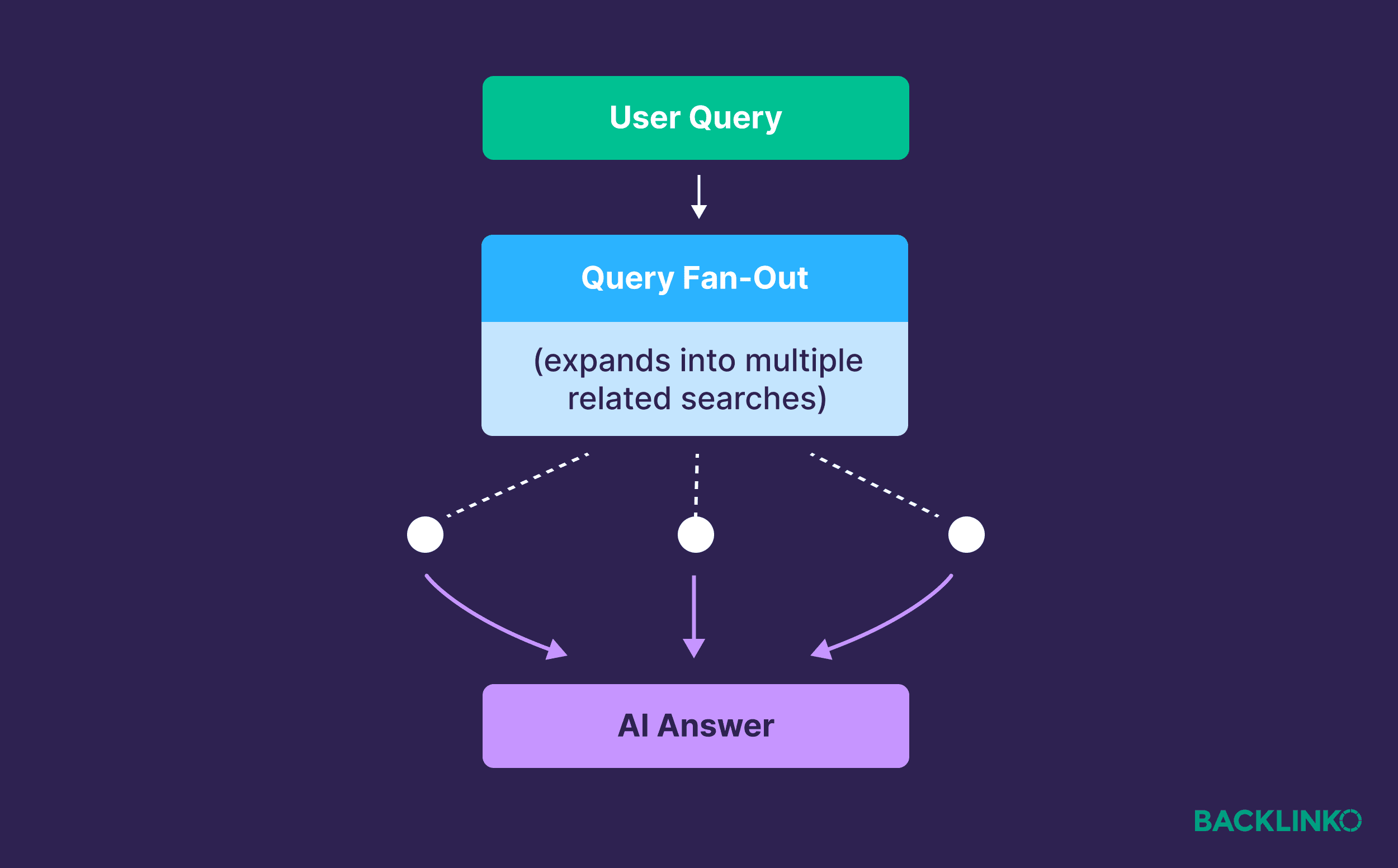
To win in this new landscape, you must understand a background process known as query fan-out. If your brand doesn’t show up in the sub-queries triggered by this process, you are effectively invisible to the AI.
What Is Query Fan-Out?
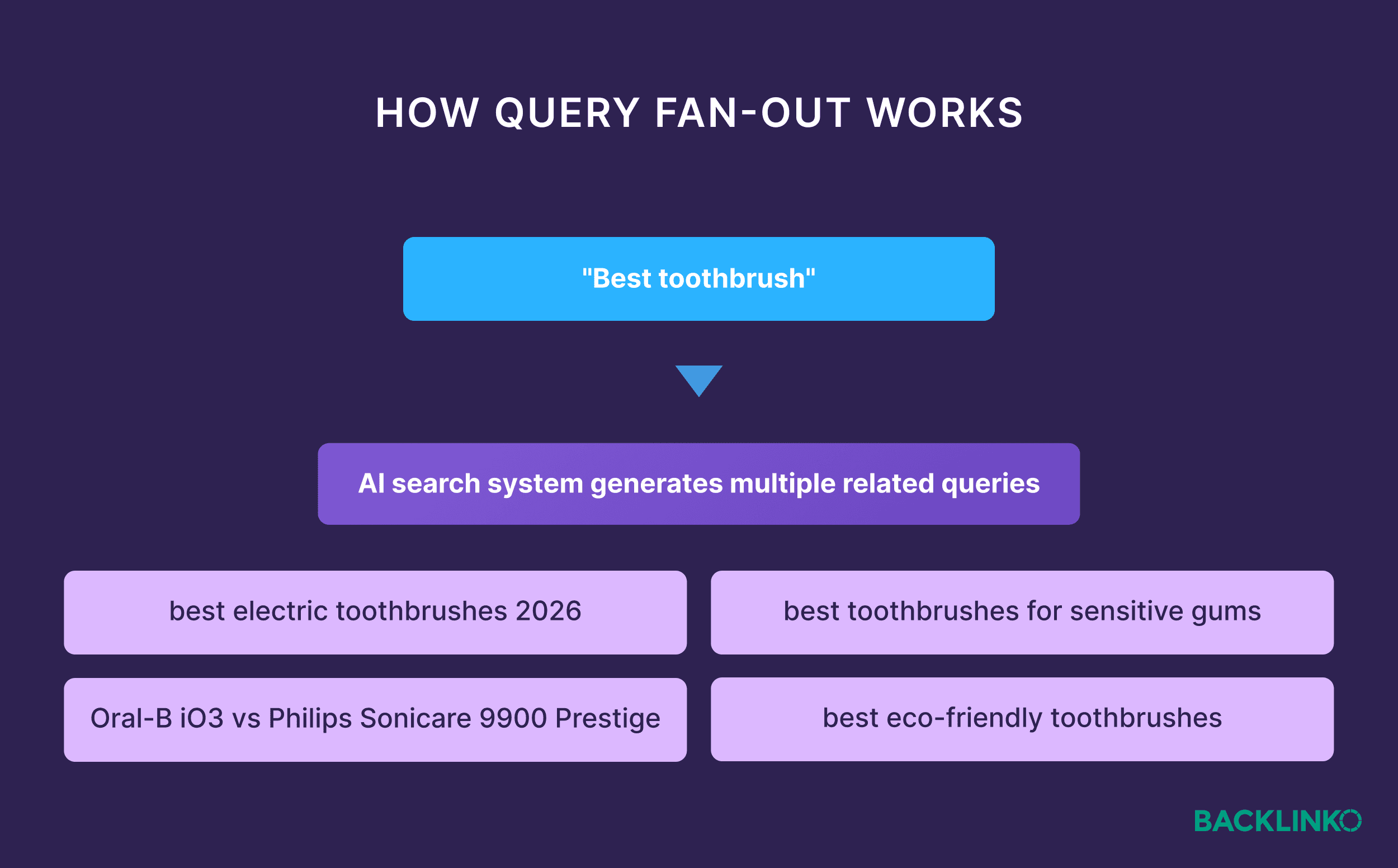
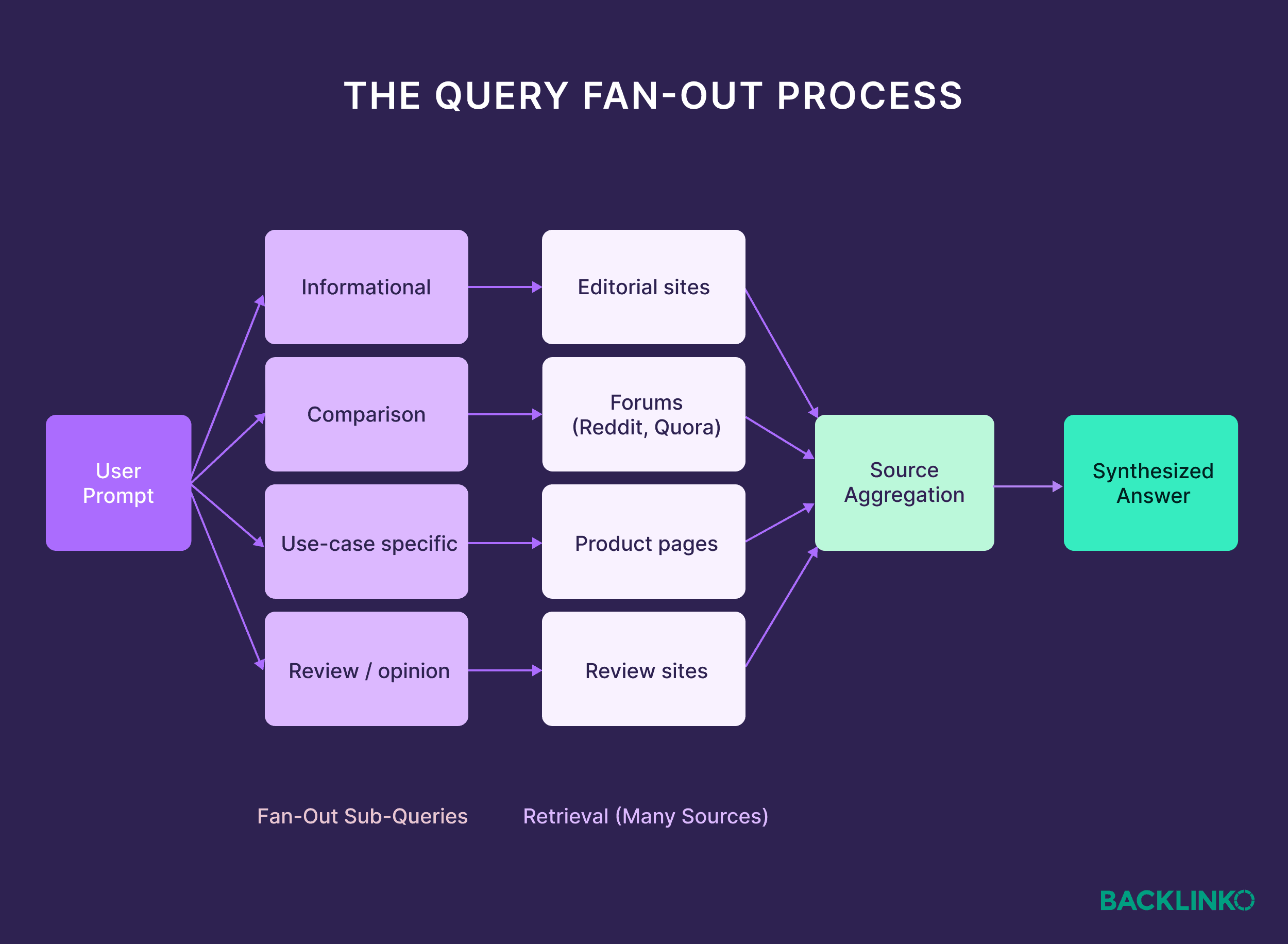
Query fan-out is the sophisticated process AI search systems employ to transform a single, often vague user prompt into a series of highly specific sub-queries. Instead of defaulting to the highest-ranking page for the original keyword, an AI engine "fans out" by breaking the request into smaller, more granular questions to build a comprehensive, multi-faceted response.
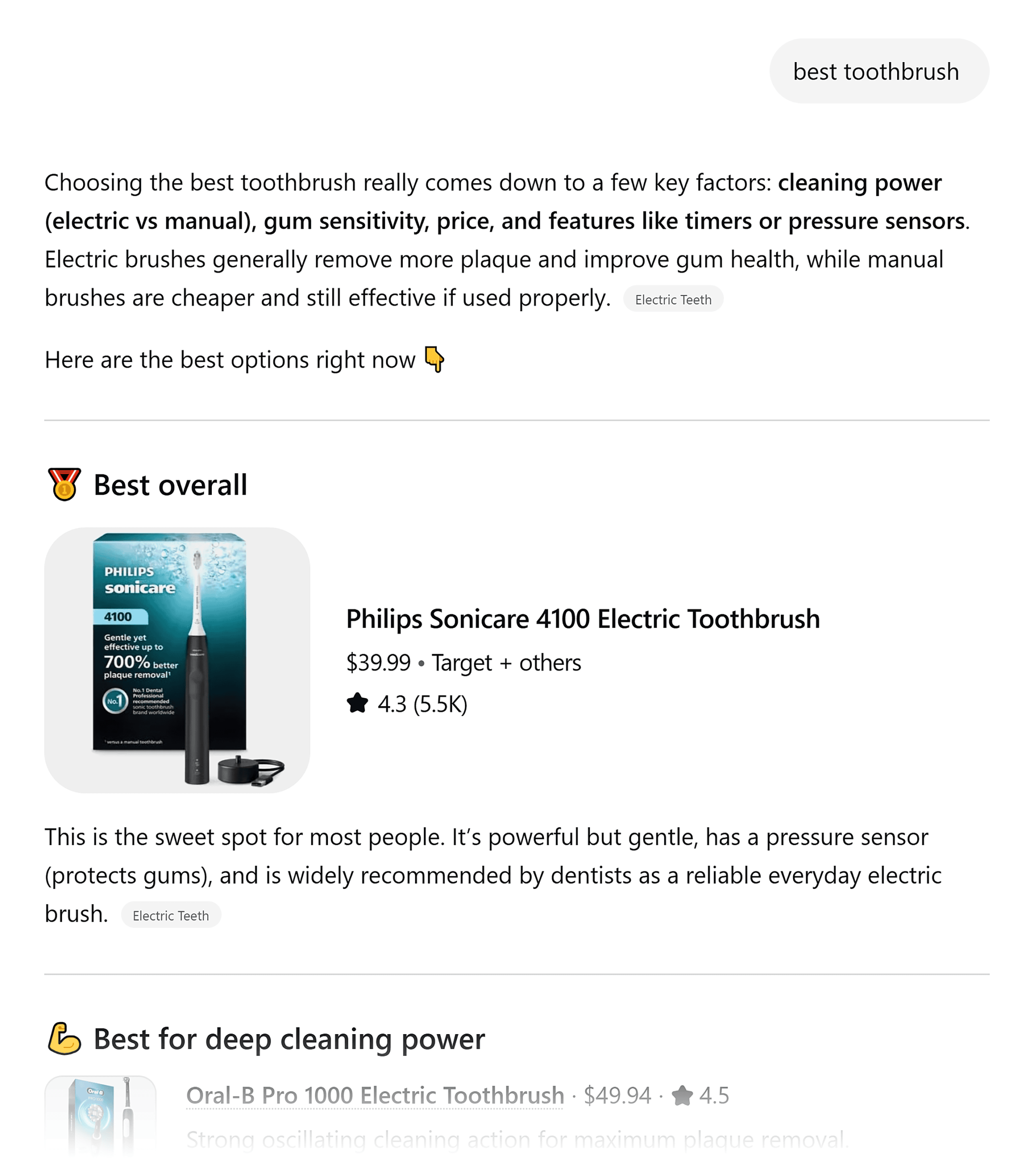
For example, a simple query like "best toothbrush" might trigger internal sub-queries such as:
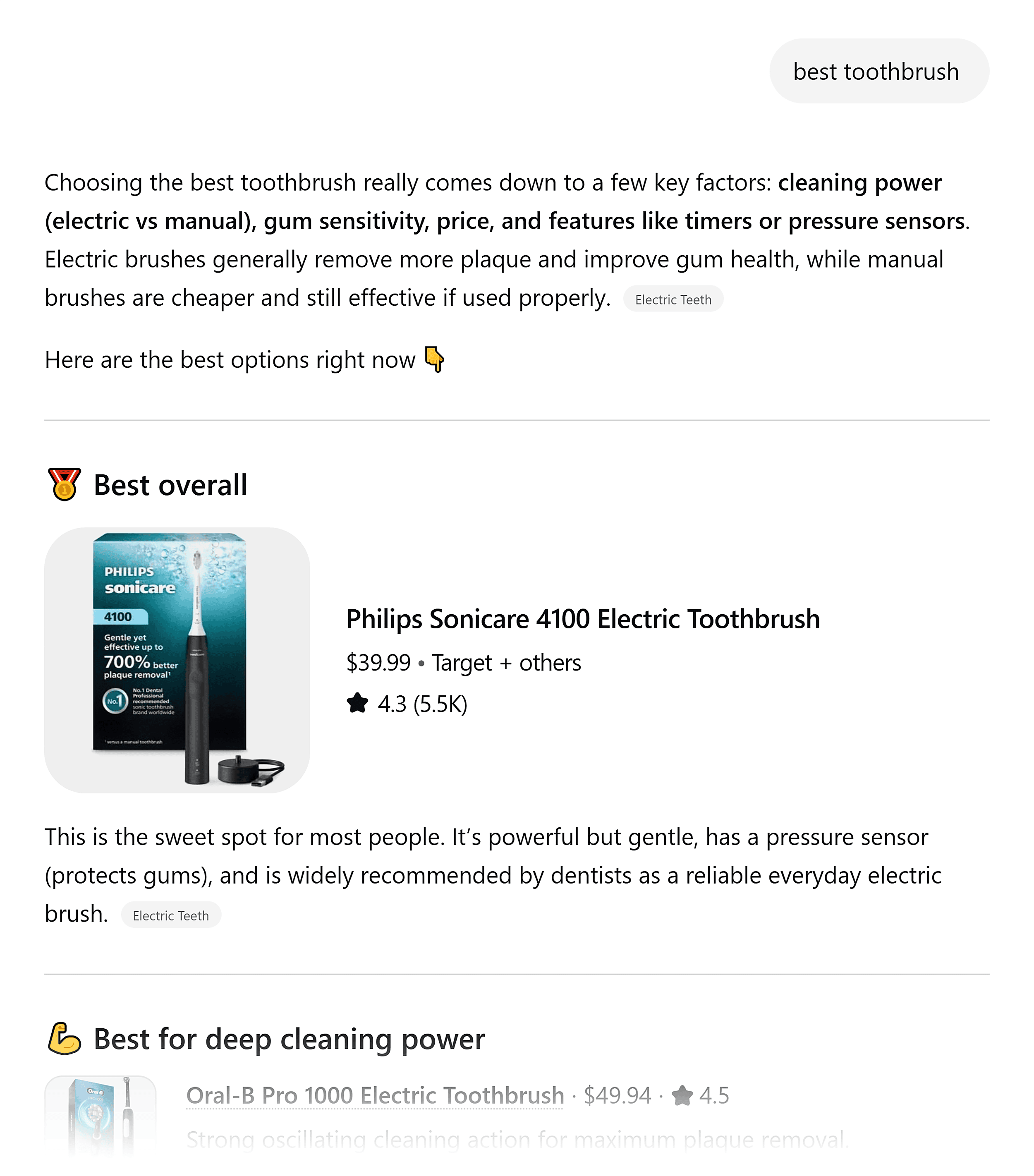
- "Best electric toothbrushes [Current Year]"
- "Best toothbrushes for sensitive gums"
- "Oral-B vs. Philips Sonicare head-to-head comparison"
- "Best eco-friendly manual toothbrushes"
By aggregating the answers to these sub-queries, the AI constructs a holistic response that anticipates the user’s hidden intent. If your content doesn’t provide the specific, authoritative answer to one of these "fanned-out" sub-queries, it will be excluded from the AI’s final synthesis, regardless of your domain authority or traditional SEO ranking.
Chronology of the Shift: From Keywords to Synthesis
The transition from traditional SEO to AI-driven discovery has not happened overnight.
- The Pre-AI Era: SEO was dominated by keyword density, backlink profiles, and domain authority. A page that hit the "top three" on a SERP (Search Engine Results Page) captured the majority of traffic.
- The Rise of LLMs: As LLMs integrated search, they prioritized relevance and directness. These models do not care about a page’s "rank" in the traditional sense; they care about whether a specific passage within a page answers a specific sub-question.
- The Current State: We are now in the age of "retrievability." AI systems scan millions of documents to extract precise passages. If your content is not structured to be easily retrievable, you are essentially invisible to the logic of the AI.
Supporting Data: Why Rankings Don’t Equal Citations
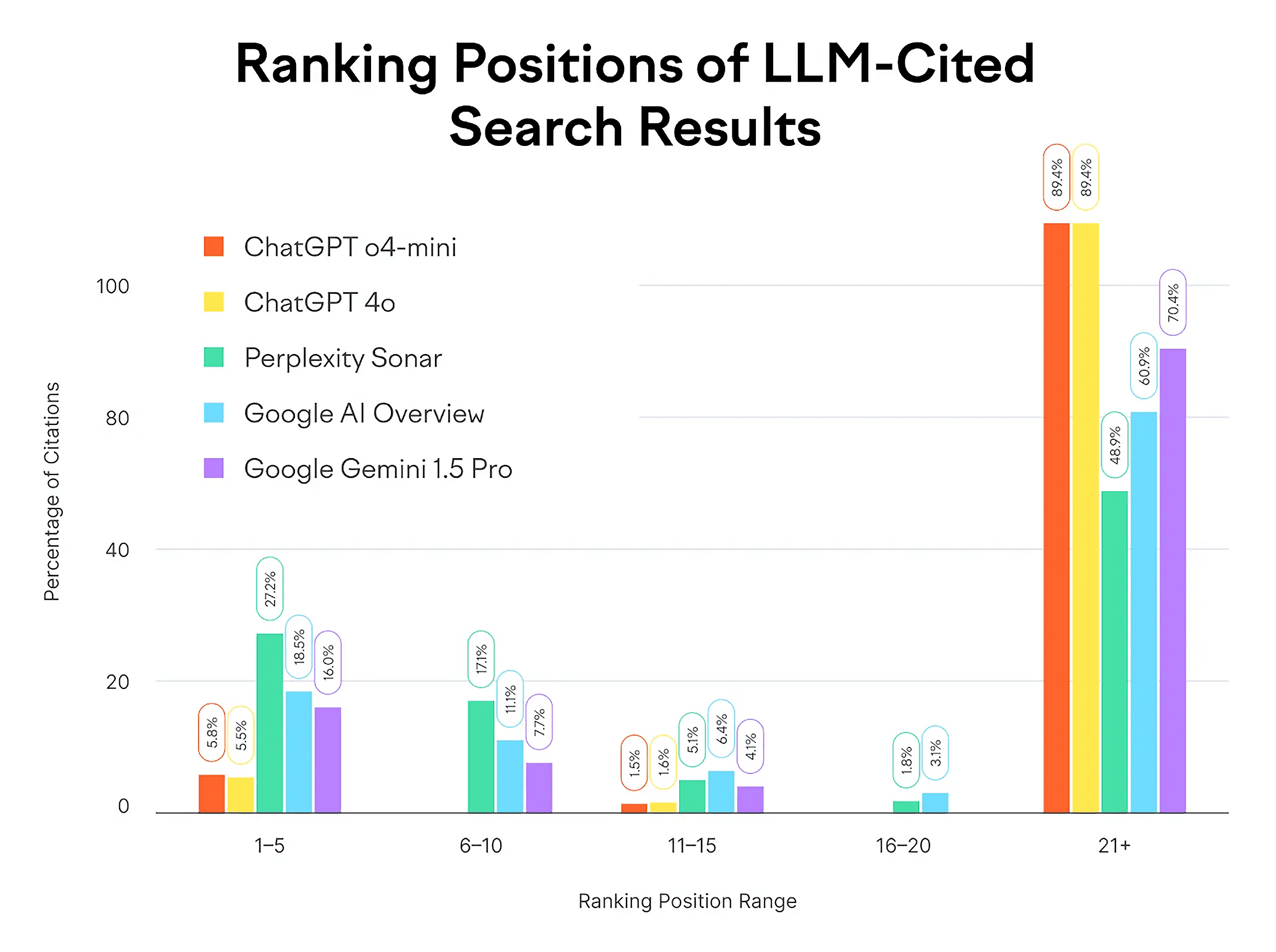
The evidence that traditional rankings are becoming decoupled from AI visibility is mounting. According to a recent study by Semrush, ChatGPT cites pages that rank in position 21 or lower nearly 90% of the time. This suggests that AI models are performing a deep crawl of the web, prioritizing the quality and conciseness of the information over the site’s overall SEO strength.
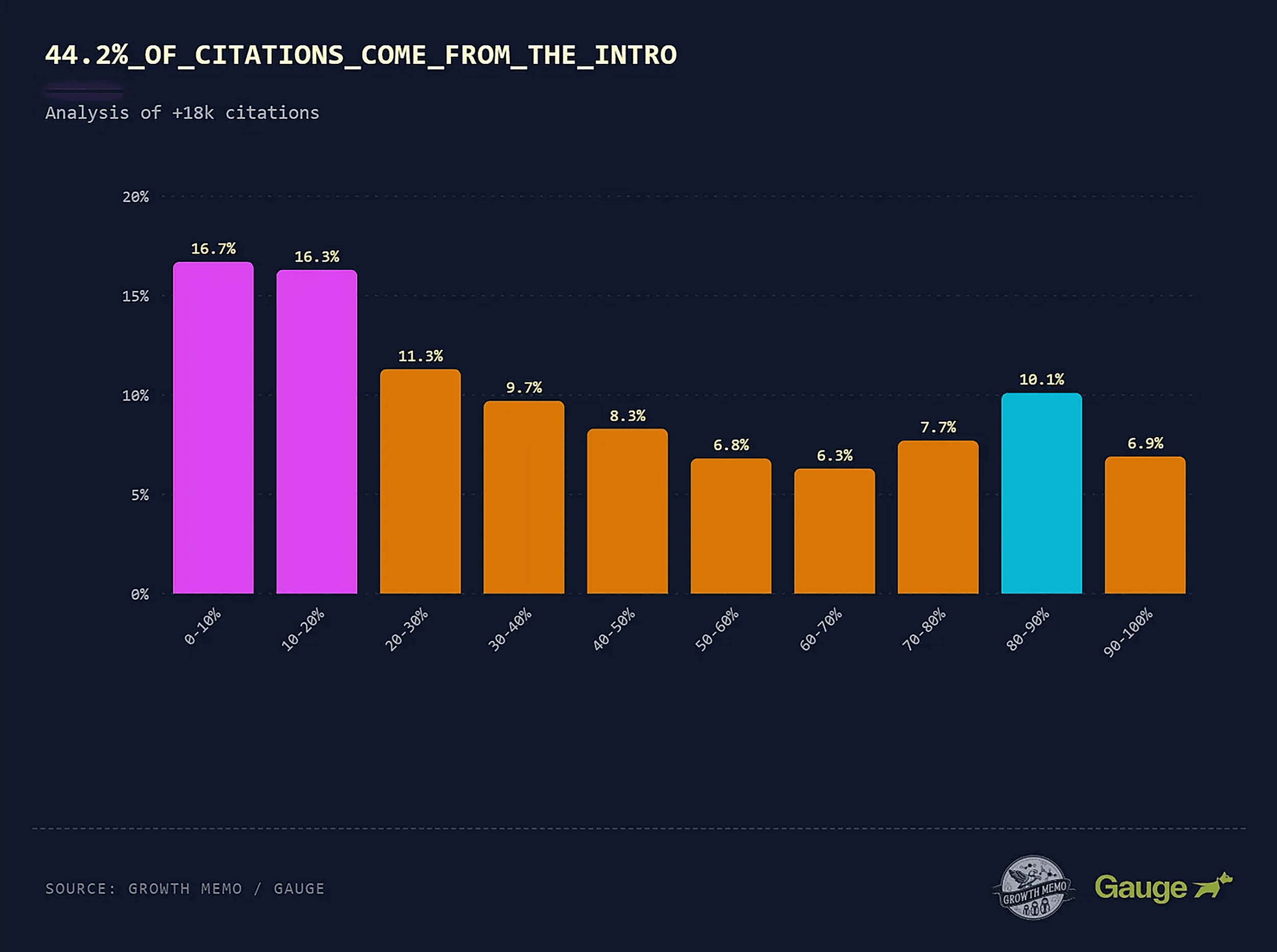
Furthermore, data from growth advisor Kevin Indig, who analyzed over 1.2 million ChatGPT responses, reveals a clear hierarchy in how AI consumes content:
- 44.2% of citations come from the first 30% of a page (the intro).
- 31.1% of citations come from the middle.
- 24.7% of citations come from the final third.
This confirms that the "front-loading" of information is no longer just a best practice for human readability—it is a technical requirement for AI extraction.
Implications: The Death of the Linear Funnel
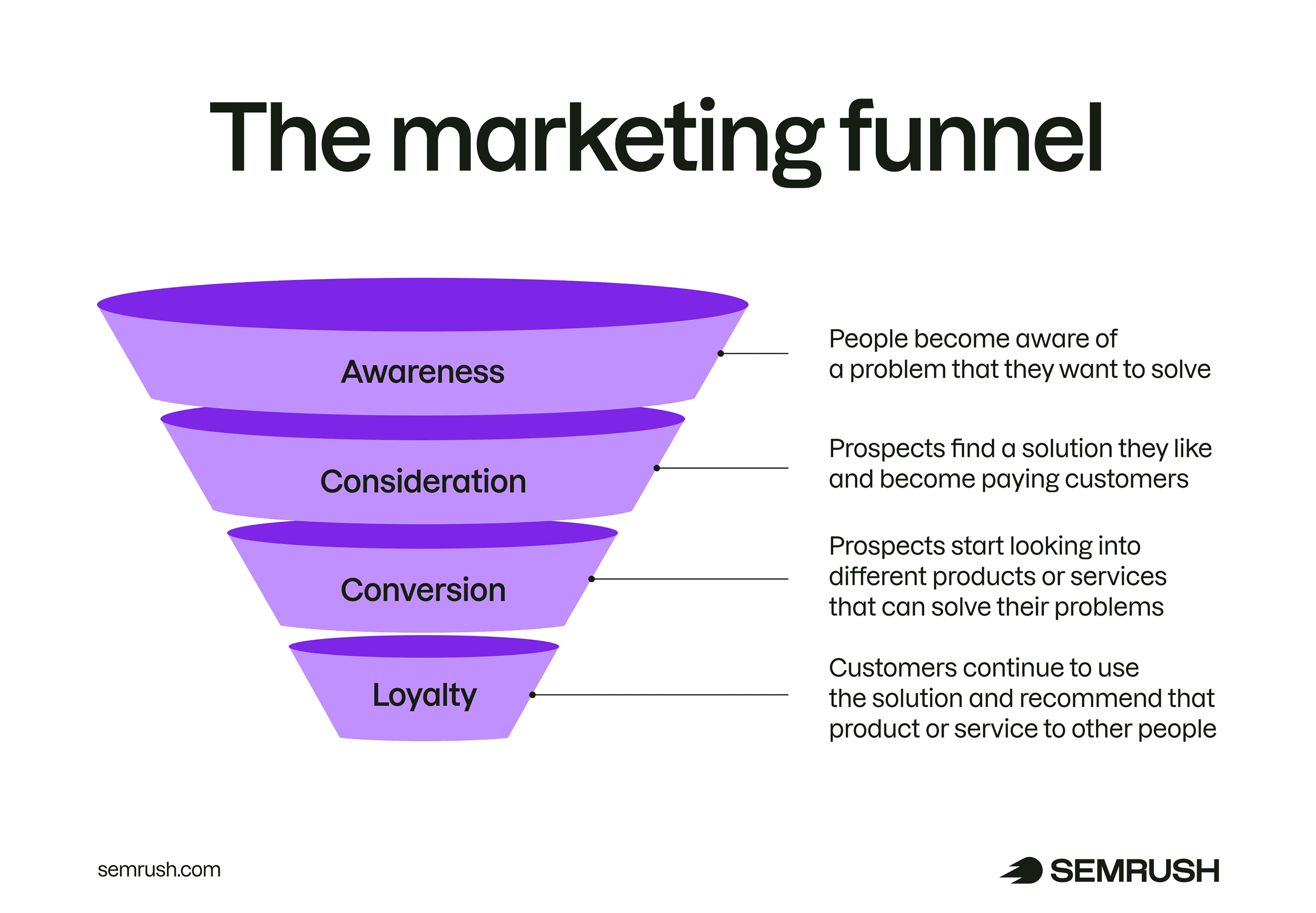
For years, marketers have optimized content for a linear funnel: Awareness, Consideration, and Decision. Query fan-out has effectively collapsed this funnel into a single interaction.

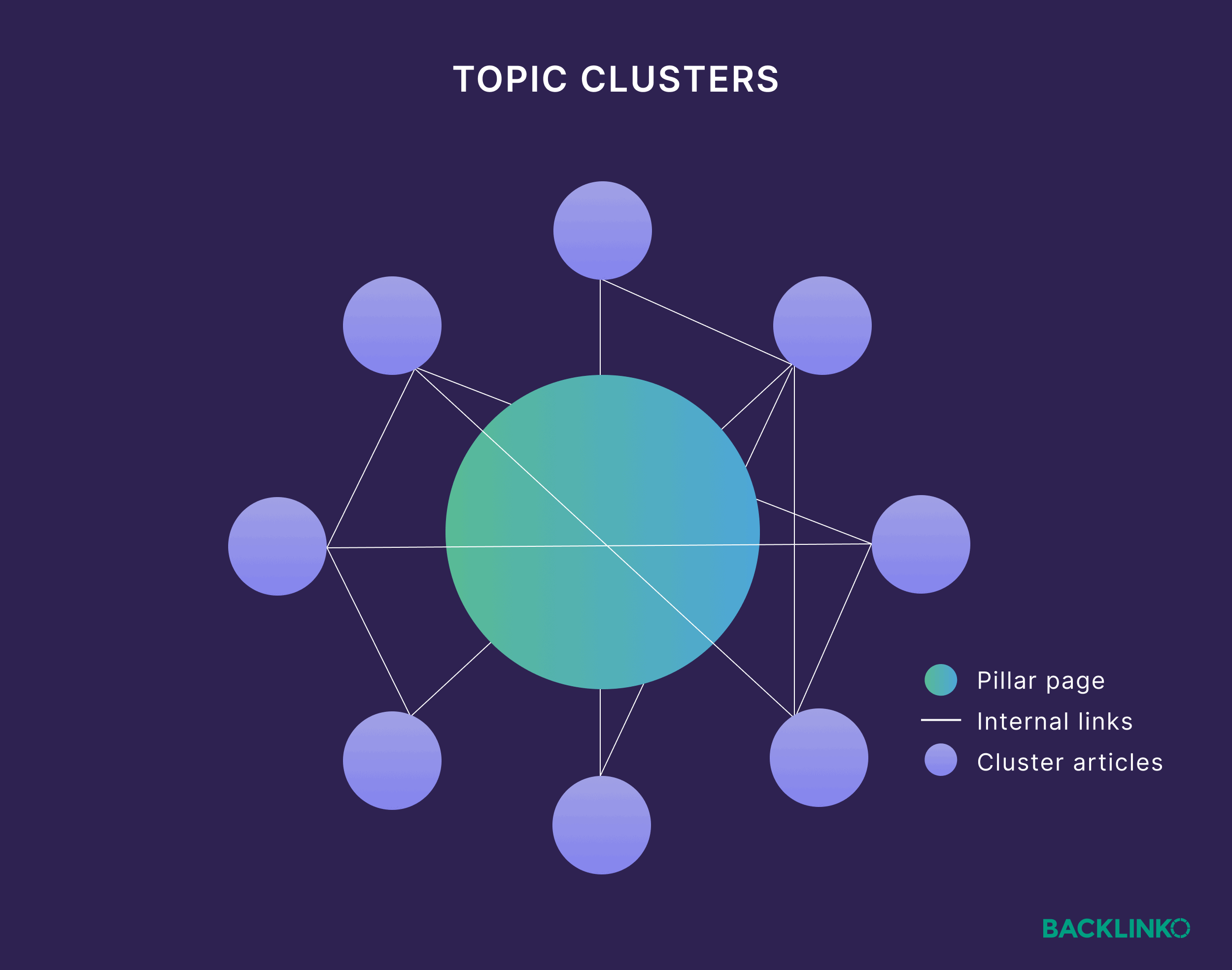
When a user asks a high-intent question, the AI retrieves information from across the entire spectrum of the buying journey simultaneously. It pulls awareness-level context, consideration-level comparisons, and decision-level specifications into one answer. If your content strategy is siloed into individual stages of the funnel, you are failing to provide the comprehensive coverage that AI engines demand to build their responses.

How to Optimize for Query Fan-Out: A 6-Step Workflow
To regain visibility in AI-driven search, you must align your content strategy with the logic of the AI.
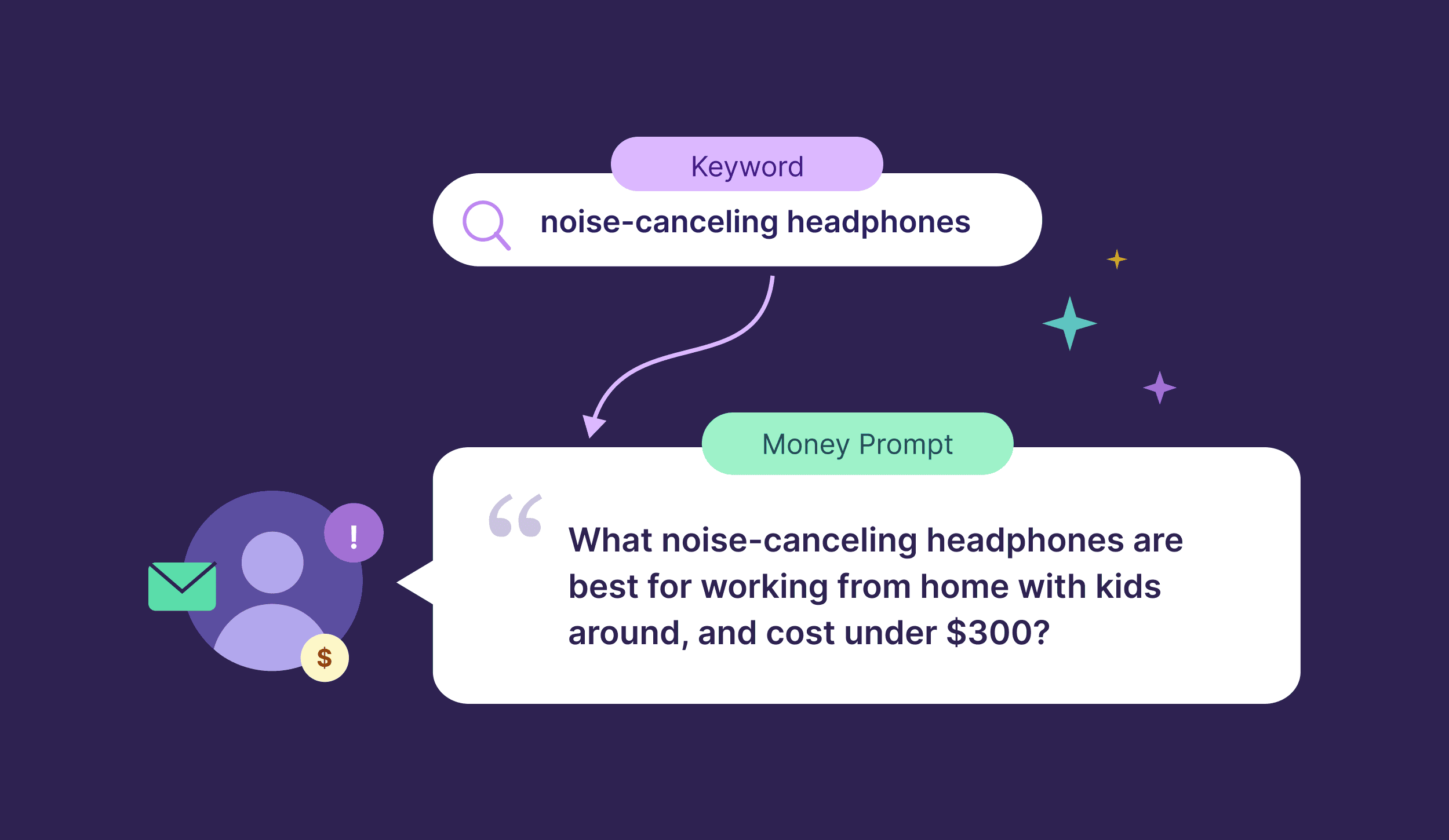
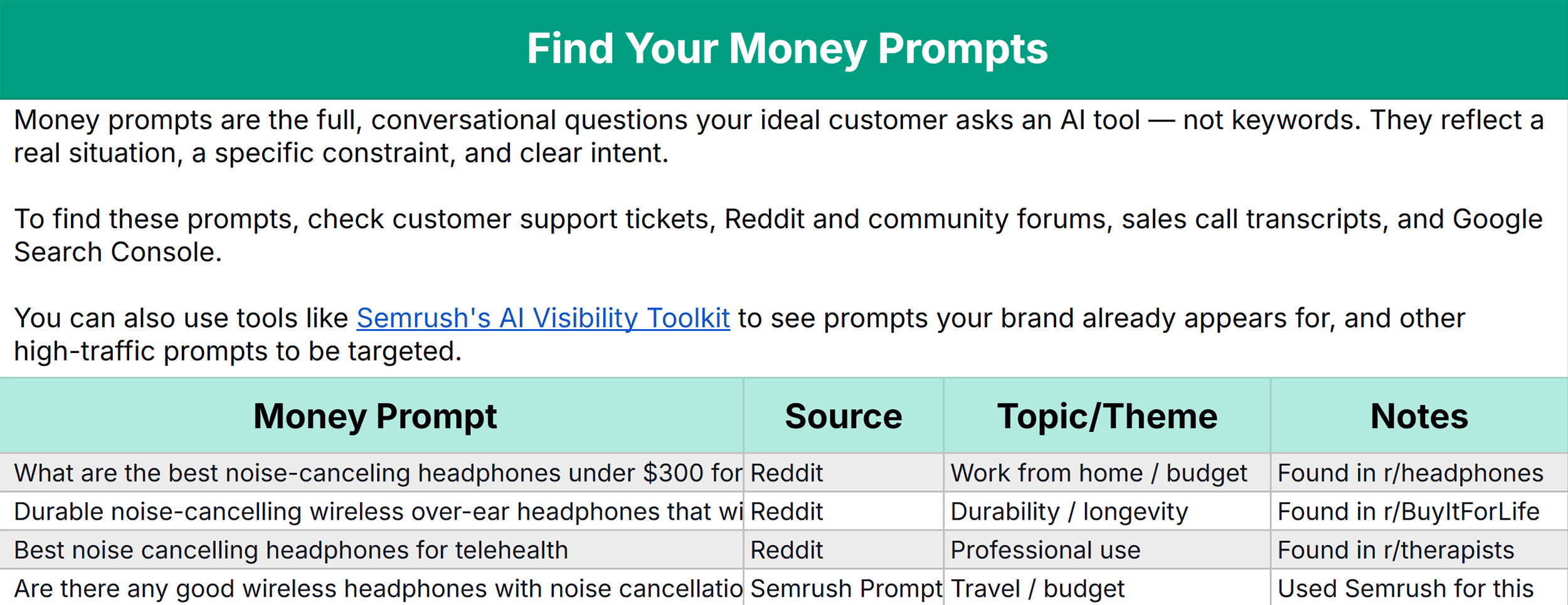
1. Identify Your "Money Prompts"
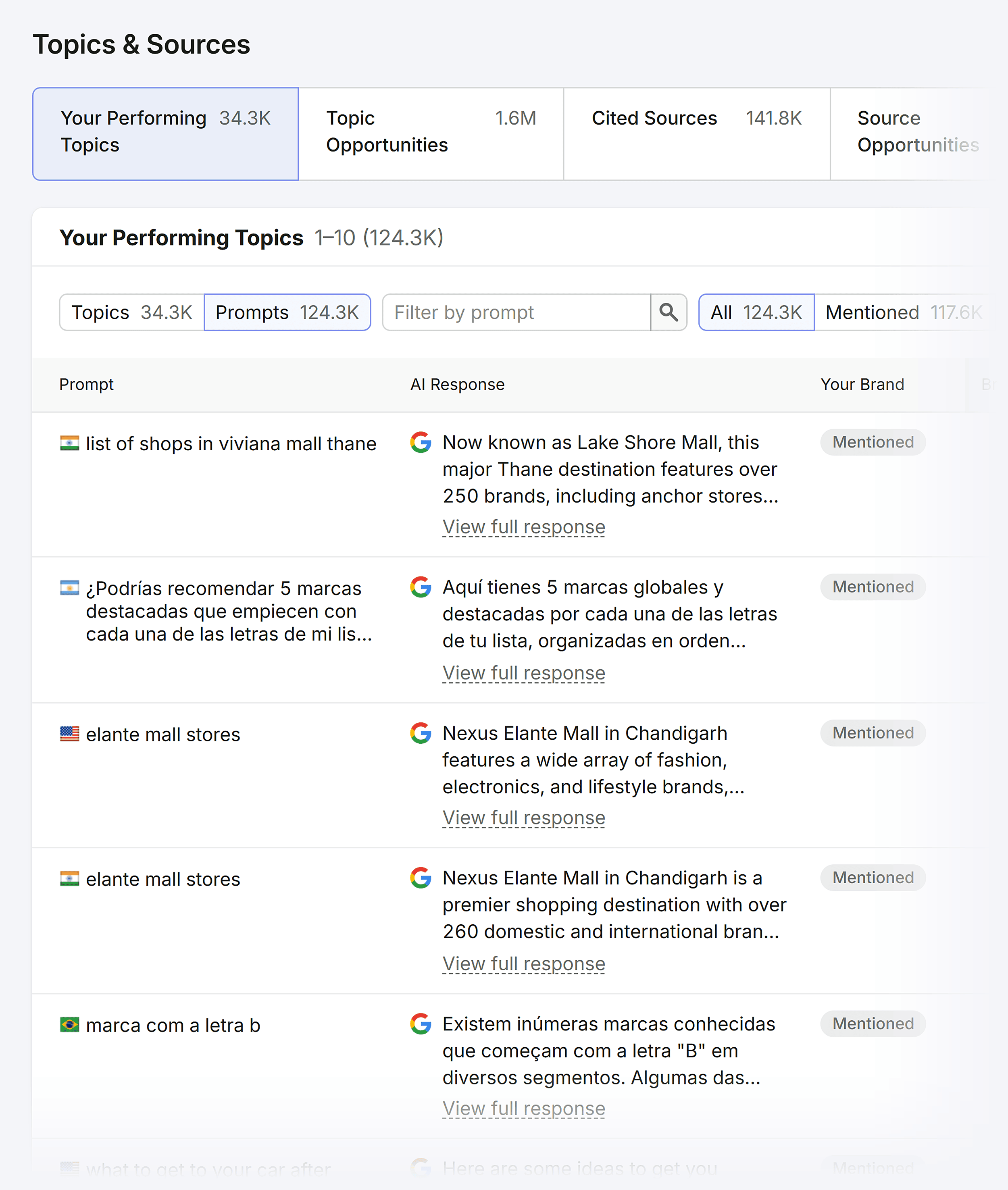
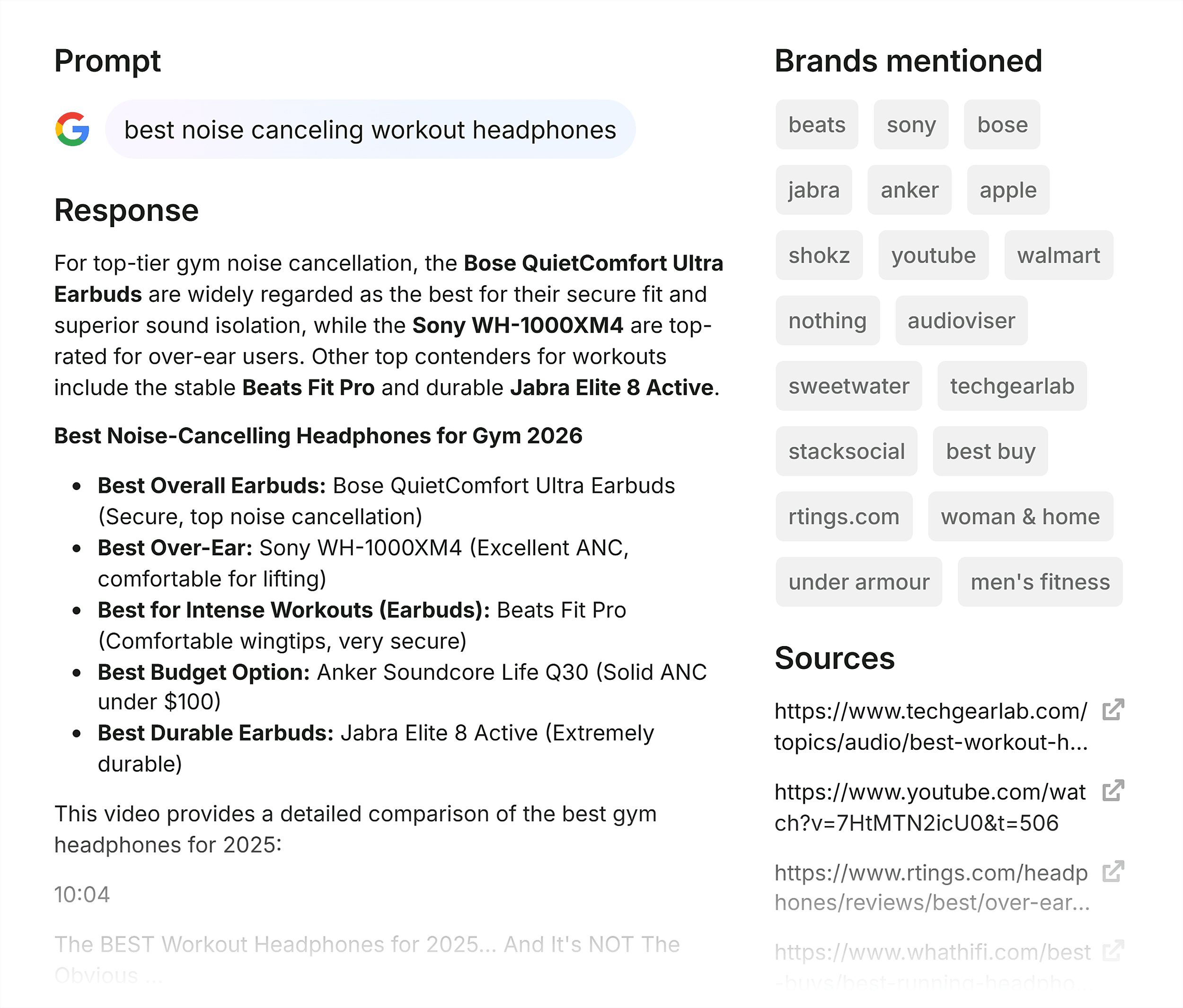
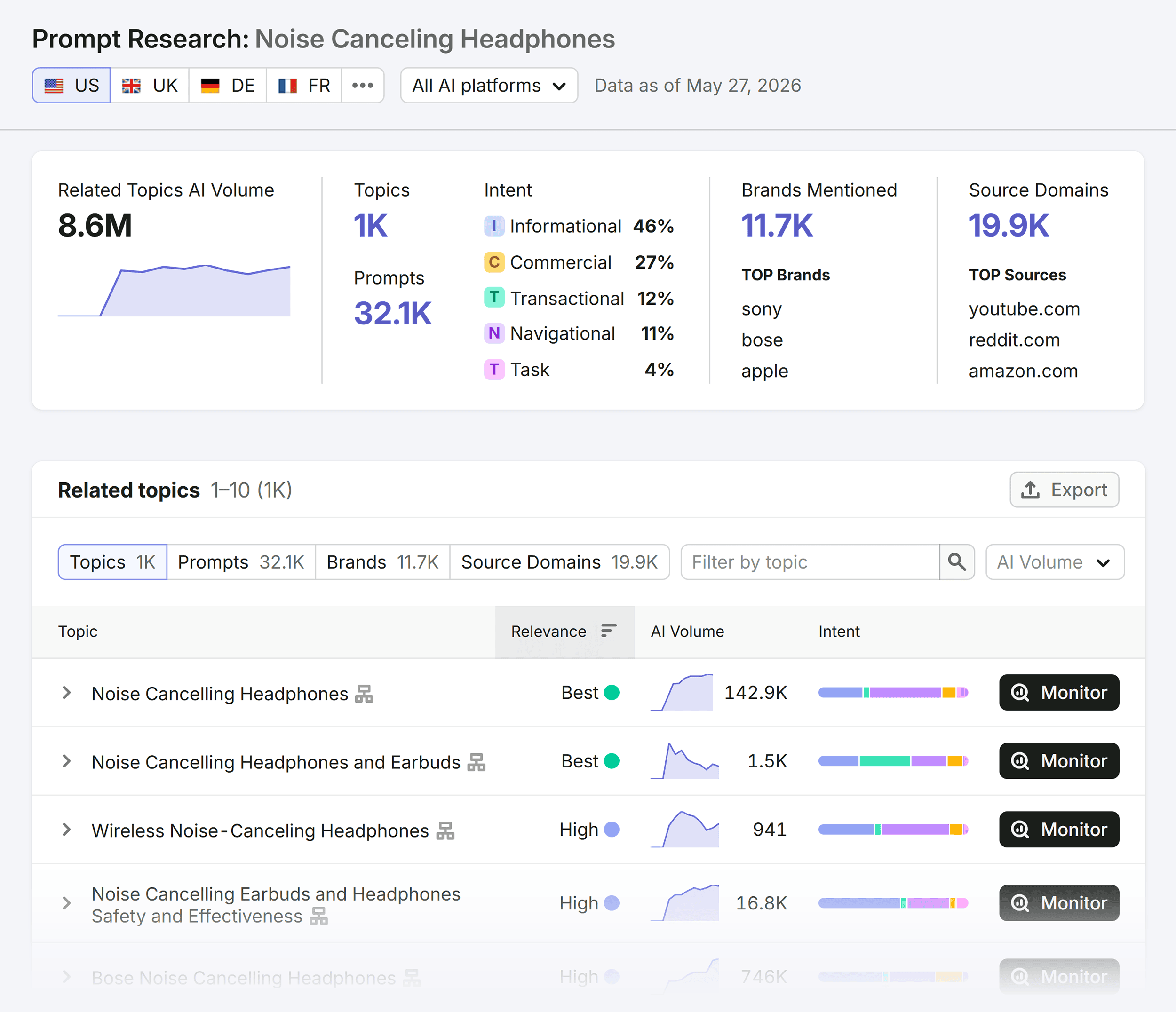
Stop focusing solely on "money keywords." Instead, identify the conversational questions—"Money Prompts"—that your customers ask AI when they are ready to buy. Use tools like Semrush’s AI Visibility Toolkit to see which prompts are already generating AI responses in your industry.
2. Generate Your Fan-Out Set
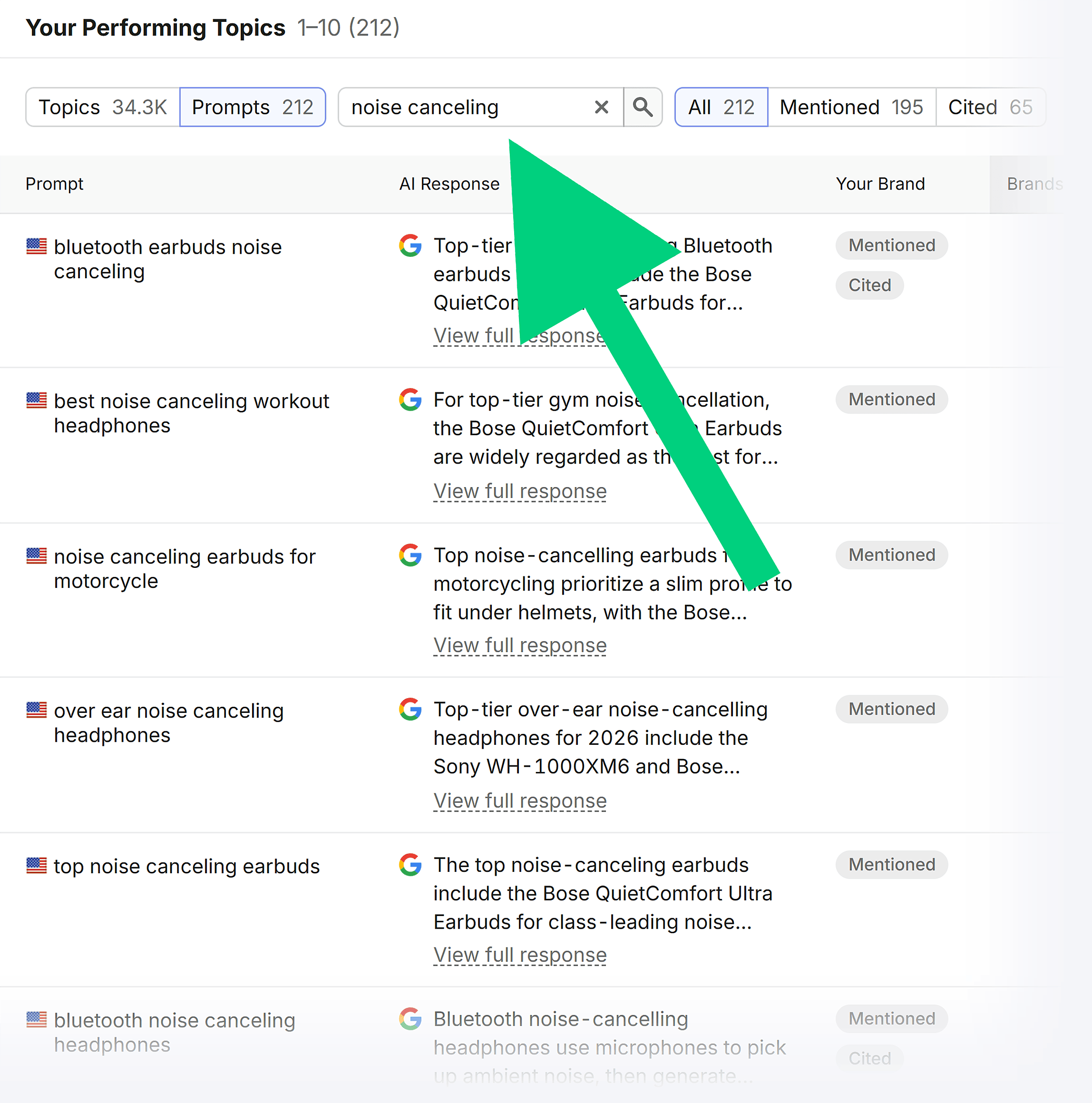
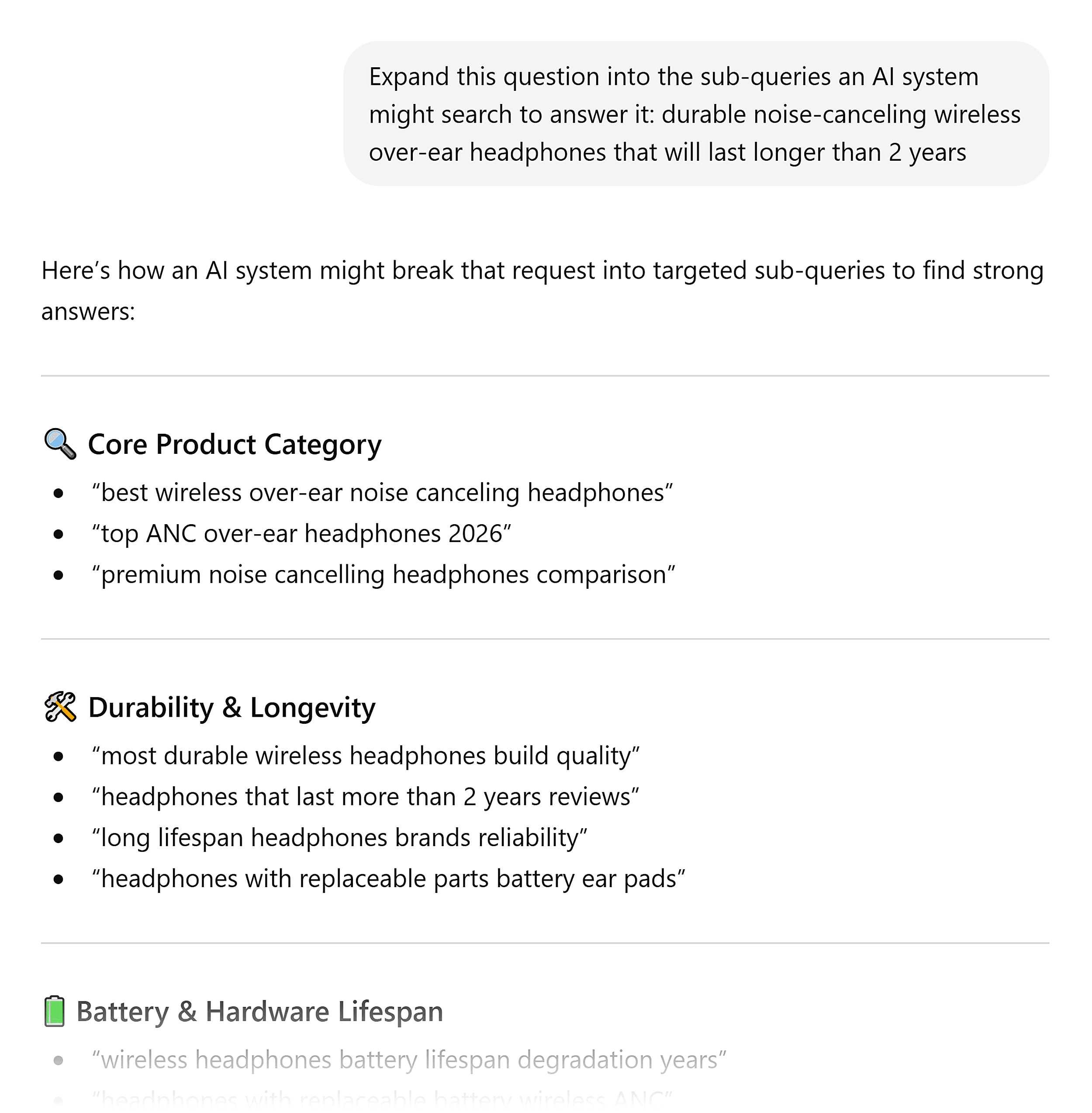
Use an AI tool or a dedicated Chrome extension to "fan out" your money prompts. By analyzing the sub-queries the AI runs behind the scenes, you can identify the specific information gaps you need to fill.
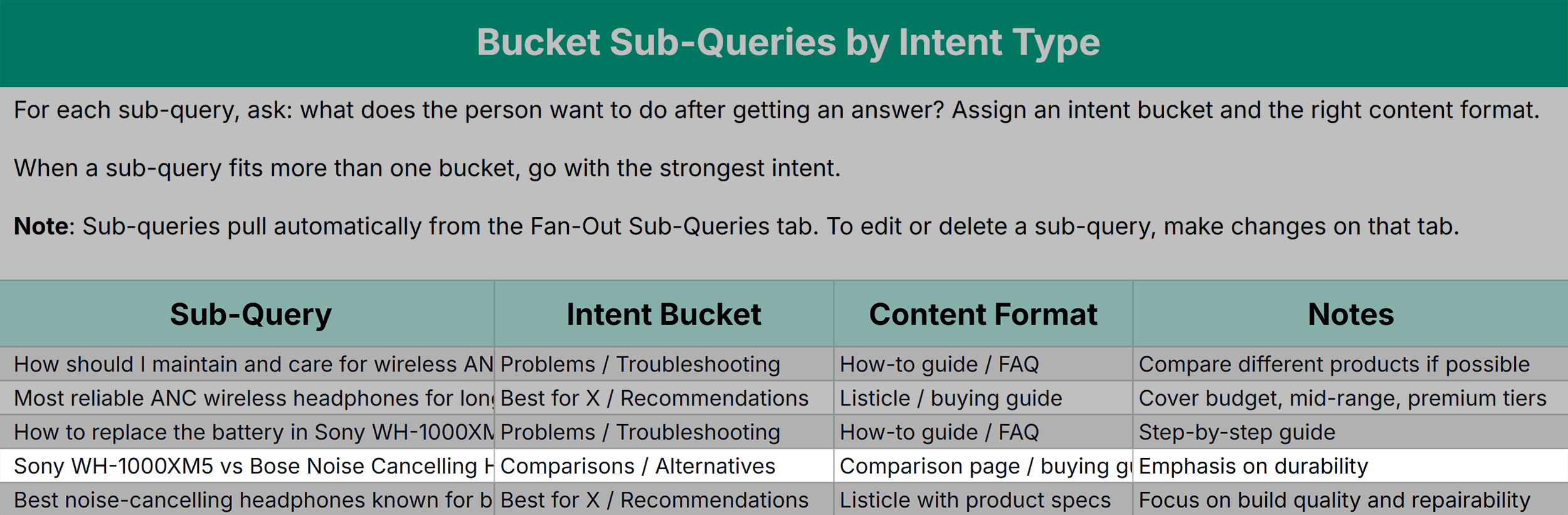
3. Categorize by Intent
Bucket your sub-queries into intent types: Definitions, Comparisons, Recommendations, Troubleshooting, or Pricing. Matching the format of your content (e.g., a comparison table for a "vs." query) to the specific intent of the sub-query is the most effective way to secure a citation.
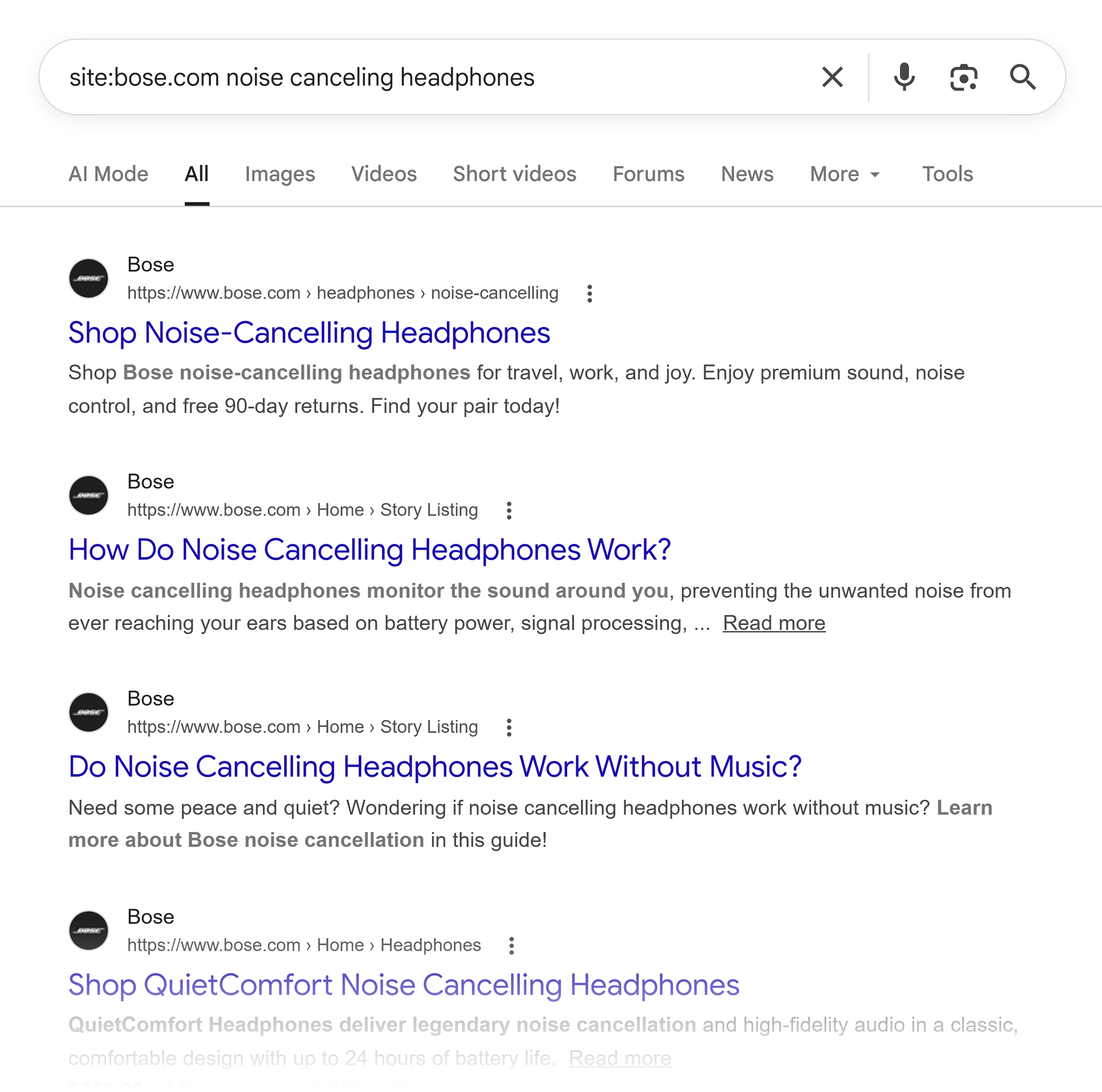
4. Audit Your Existing Content
Run a "site:" search on Google to see how your current content covers your identified sub-queries. If you have "content gaps"—where you have no dedicated coverage for a sub-query—prioritize these for new content creation.
5. Structure for Extraction
AI systems prefer clean, structured data. Use descriptive subheadings, short paragraphs, and, most importantly, structured comparison tables. When you front-load your most critical data and claims, you make it significantly easier for an AI to parse your site as an authoritative source.
6. Measure and Refine
Manual tracking is possible by running prompts in "Incognito" mode across multiple LLMs, but at scale, this is unsustainable. Use an automated Prompt Tracker to monitor how your brand’s presence in AI answers fluctuates over time.
Official Perspective: The Platform Variance
It is important to remember that not all AI platforms "fan out" in the same way.
- ChatGPT tends to perform deeper reasoning on complex, multi-part prompts, often pulling from a vast array of niche sources.
- Perplexity focuses heavily on the user’s history and current session context, meaning your content needs to be robust enough to withstand being paired with varied user preferences.
- Claude prefers a "clarification-first" approach, meaning it favors direct, unambiguous answers that it doesn’t need to ask follow-up questions to understand.
By understanding these nuances, you can stop shouting into the void of traditional SEO and start providing the precise, structured data that the future of search requires. The era of the "rank" is over; the era of "retrievability" has begun.