In an era where culinary complexity often takes center stage, there is a quiet, powerful movement toward the return of simplicity. At the heart of this movement is the "Ultimate Wholesome Dal Soup with Veggie Crunch," a dish that has recently garnered attention for its ability to marry the ancient, grounding tradition of Indian lentil preparation with the contemporary demand for texture and nutritional density.
As home cooks seek alternatives to processed, heavy meals, this specific recipe—a harmonious blend of moong and masoor dal—offers a blueprint for what experts are calling "functional comfort food." It is not merely a soup; it is a nutritional powerhouse designed to nourish the body while providing the psychological comfort associated with home-cooked meals.
Main Facts: The Anatomy of a Perfect Dal
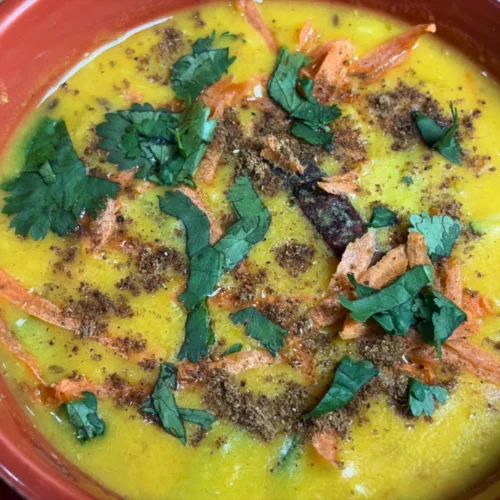
The "Ultimate Wholesome Dal Soup" is defined by two distinct components: a silky, protein-rich base and a vibrant, textured topping. By combining moong dal (split yellow mung beans) and masoor dal (red lentils), the dish achieves a sophisticated mouthfeel. Moong dal provides a creamy consistency, while masoor dal breaks down easily, creating a hearty, thick base that is both light and satisfying.
The "Veggie Crunch" element is the culinary pivot point of the recipe. By stir-frying fresh, seasonal vegetables separately and adding them at the final stage of plating, the cook preserves the integrity of the vegetables. This prevents the "mushy" texture often associated with long-simmered soups, instead offering a bright, crisp contrast to the soft, spiced lentils.
Key nutritional highlights include:
- High-Quality Plant Protein: Lentils provide essential amino acids.
- Digestive Aid: Moong dal is widely recognized in traditional wellness practices for being easily digestible.
- Micronutrient Density: The inclusion of diverse vegetables adds necessary vitamins and minerals that are often lost in over-boiled soup preparations.
Chronology: From Ancient Staples to Modern Kitchens
The evolution of dal as a soup is deeply rooted in South Asian history, where it has served as the backbone of the daily diet for millennia. Historically, dal was a slow-cooked staple, often tempered with spices (tadka) and served alongside grains.
However, the "Ultimate Wholesome Dal Soup" represents a modern iteration. Over the past decade, the rise of "bowl food" culture has influenced how traditional dishes are presented. In the early 2020s, food bloggers and wellness influencers began experimenting with blending techniques, moving away from the rustic, chunky texture of traditional dal to the smoother, soup-like consistency that appeals to a broader global palate.
The refinement of the "Veggie Crunch" technique emerged as a response to the "soft-food fatigue" experienced by many who transitioned to plant-based diets. By separating the cooking process of the lentils and the vegetables, the recipe bridges the gap between a traditional stew and a modern, textured salad-soup hybrid.
Supporting Data: Why This Combination Works
Food science indicates that the satiety levels of a meal are dictated not just by calories, but by "sensory diversity." The combination of the smooth, umami-rich dal and the crunchy, fibrous vegetables creates a more engaging eating experience.
Texture and Taste Profiles
- Mouthfeel: The viscosity of the blended lentils provides a "mouth-coating" satisfaction, while the vegetables provide the "snap" that triggers a sense of freshness.
- Flavor Balancing: The earthy, slightly nutty profile of the lentils serves as a neutral canvas, allowing the sharpness of the stir-fried vegetables—often enhanced with aromatics like ginger, garlic, and chili—to stand out.
- Glycemic Index: When compared to starch-heavy soups (like those thickened with flour or potatoes), this dal-based soup offers a more stable release of energy, making it an ideal choice for a lunch that sustains the consumer through the afternoon.
Official Perspectives: The Role of Comfort Food in Wellness
Nutritionists and culinary experts have long argued that the experience of eating is just as important as the nutritional breakdown. Dr. Elena Vance, a nutritionist specializing in plant-based diets, notes, "When we talk about ‘wholesome’ food, we aren’t just talking about macros. We are talking about the reduction of stress. A warm bowl of soup, particularly one as nutrient-dense as this dal, provides a sensory experience that lowers cortisol levels. The crunch element is vital—it keeps the brain alert and prevents the meal from becoming monotonous."
Furthermore, culinary historians point out that the versatility of this dish makes it highly adaptable to different socioeconomic and geographic contexts. Whether it is a home cook in Mumbai or a professional in New York City, the fundamental ingredients remain accessible, affordable, and easy to source, which is a hallmark of a truly "universal" dish.
Implications: The Future of Home Cooking
The popularity of this recipe signals a broader shift in how we approach our daily meals. We are moving away from the "all-in-one-pot" approach, where ingredients are boiled into a uniform mass, toward a "modular" style of cooking.
Implications for the Culinary Industry:
- Rise of "Hybrid" Recipes: Expect to see more traditional dishes adapted into soup or bowl formats that focus on preserving the texture of individual components.
- Sustainability: By centering the meal on pulses (lentils, beans, peas), home cooks are naturally reducing their carbon footprint. Pulses are among the most sustainable crops on Earth, requiring minimal water and enriching the soil in which they grow.
- Customization as the New Standard: The FAQ section of the original recipe, which encourages the addition of mushrooms, corn, or peas, highlights the trend toward "open-source" cooking. Recipes are no longer rigid mandates but flexible frameworks that invite the cook to contribute their own creativity.
Practical Considerations for the Home Chef
For those looking to adopt this dish, the "Ultimate Wholesome Dal Soup" offers a low barrier to entry. The soaking time of 30 minutes is the only significant time investment, and the ability to utilize pressure cookers or Instant Pots makes it feasible for busy households.
If you are looking to elevate your weekday repertoire, consider these three tips:
- The Blend: Don’t fear the blender. While some prefer a rustic mash, a smooth blend creates a luxurious texture that feels like a high-end restaurant offering.
- The Tempering: Never skip the final stir-fry of the vegetables. The high-heat sauté (even if just for 2–3 minutes) is what creates the Maillard reaction, providing that essential depth of flavor that contrasts with the gentle lentils.
- The Balance: Use fresh herbs as a garnish. Cilantro, mint, or even a squeeze of lemon juice acts as the final "brightener" that cuts through the earthiness of the lentils.
Conclusion
The "Ultimate Wholesome Dal Soup with Veggie Crunch" is more than just a recipe; it is a manifestation of modern culinary values. It balances the need for convenience with the demand for quality, and the need for comfort with the requirement for health. By embracing the simple, ancient wisdom of the lentil and elevating it with the precision of modern technique, we find a dish that is as relevant today as it will be for generations to come.
As we continue to navigate a fast-paced world, finding solace in a bowl of nourishment is not just a luxury—it is a necessity. Whether you are an experienced cook or a novice looking to improve your kitchen skills, this dish provides a reliable, delicious, and deeply comforting path toward better eating. The next time you find yourself craving something that is both "simple" and "special," look no further than the humble pulse and the vibrant crunch of a fresh stir-fry.