Overview: A Tale of Two Trends
In September 2026, the Indian automotive export sector presented a complex narrative of resilience and adjustment. While the total volume of passenger vehicle shipments from India experienced a marginal contraction, the performance of the top 30 models painted a more optimistic picture of sustained demand for "Made-in-India" vehicles.
Total car exports stood at 85,815 units for the month, representing a 2.22% decline compared to the 87,762 units recorded in September 2025. However, when viewed through the lens of month-on-month recovery, the industry displayed significant momentum, bouncing back by 25.77% from the 68,230 units exported in August 2026. This recovery suggests that manufacturers are successfully navigating the supply chain bottlenecks and geopolitical headwinds that have historically hampered consistent outbound logistics.
The "Top 30" models, which serve as the primary bellwether for the health of India’s export operations, collectively moved 83,104 units. This segment not only outperformed the general market but achieved a growth of 8.53% year-on-year, further cementing its role as the backbone of the industry, now accounting for 96.84% of total export volume.
The Dominance of Maruti Suzuki
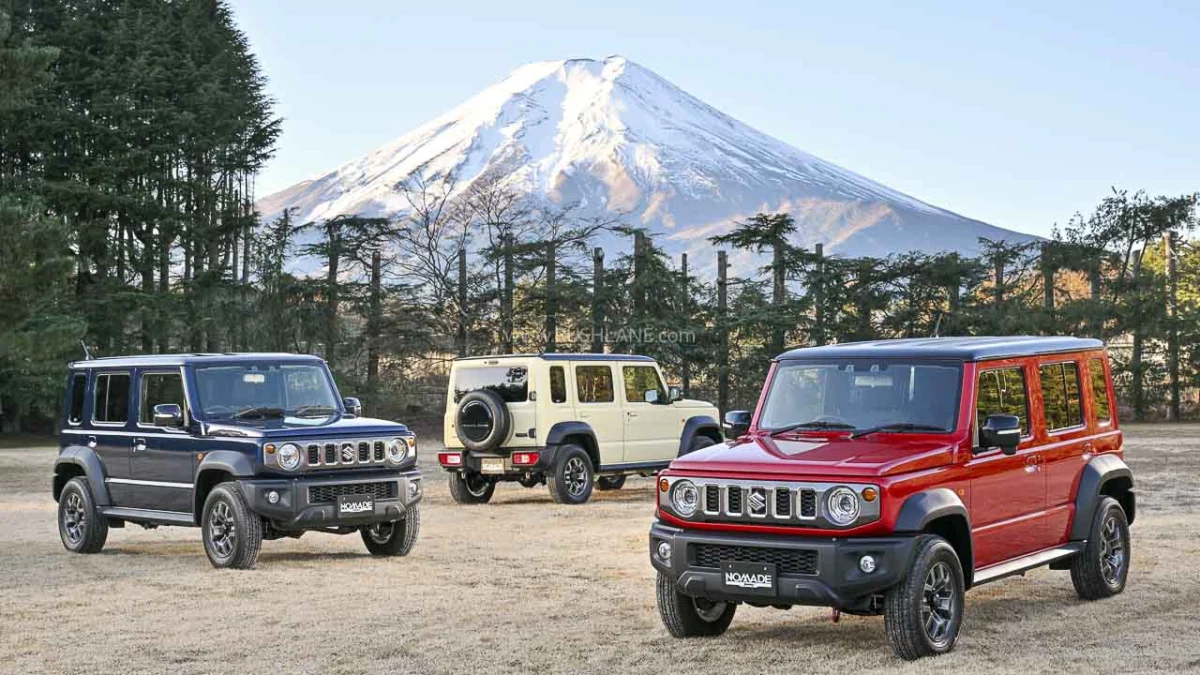
Maruti Suzuki’s strategic pivot toward high-value, globally oriented models has paid dividends, as the company occupied the top three export positions for the month. The rugged Jimny led the charge, securing the pole position with 9,124 units—a robust 46.81% increase from the 6,215 units exported in September 2025.
Close on its heels was the Fronx, which secured the second spot with 8,771 units. Despite a 24.22% year-on-year decline from the previous year’s high of 11,575 units, the Fronx remains a vital component of Maruti’s export portfolio. Rounding out the podium was the ever-reliable Dzire, which saw a staggering growth of 139.28%. With 8,430 units shipped, the Dzire registered the highest absolute gain among all vehicles listed, proving that the demand for efficient, compact sedans remains evergreen in emerging international markets. Together, these three models contributed over 30% of India’s total monthly exports, underscoring the dominance of the Indo-Japanese manufacturer in the global arena.

Chronology and Market Dynamics
The performance metrics of September 2026 reflect a broader shift in international consumer preferences. The early part of the fiscal year saw a cautious approach from global importers, but the late-quarter surge in September indicates a restocking cycle as global markets prepared for year-end demand.
The Top 10 Breakdown
The hierarchy of exports was heavily influenced by the performance of the top tier:
- Jimny: 9,124 units (+46.81%)
- Fronx: 8,771 units (-24.22%)
- Dzire: 8,430 units (+139.28%)
- Hyundai Verna: 6,596 units (+8.45%)
- Grand i10 Nios: 5,945 units (+15.41%)
- Maruti Swift: 4,530 units (-33.56%)
- Hyundai Aura: 4,376 units (-5.55%)
- VW Virtus: 3,653 units (+45.25%)
- Maruti Ertiga: 3,525 units (+751.45%)
- Nissan Sunny: 3,319 units (-26.15%)
The most notable shift in the top 10 was the explosive growth of the Ertiga, which saw its export numbers jump from a meager 414 units to 3,525. This 751% surge highlights how production capacity allocation can drastically alter a vehicle’s export footprint from one year to the next. Conversely, models like the Swift and the Nissan Sunny faced headwinds, reflecting the intense competition within the sub-compact and entry-level segments in the target export regions of Africa, Latin America, and the Middle East.
Supporting Data: Shifts in the Mid-Market
Beyond the top 10, the market data reveals a highly bifurcated performance. The mid-market segment (rankings 11–20) saw a mix of consolidation and decline. The Toyota Hyryder, a key player for the brand, saw a 20.40% drop, moving 3,169 units, while the Nissan Magnite struggled with a 31.85% decrease.
However, growth was found in the Celerio, which more than doubled its presence compared to the previous year, and the Hyundai Venue, which enjoyed a massive 351% spike in exports. This volatility in the mid-market suggests that manufacturers are increasingly using India as a "swing production" hub, where the output of specific models is dialed up or down based on fluctuating regional regulatory changes and localized demand spikes in countries like Mexico, Chile, and South Africa.

Official Perspectives and Strategic Implications
While individual OEMs have not issued comprehensive statements regarding the September dip, industry analysts point toward three core drivers of these figures:
- Supply Chain Normalization: The 25.77% month-on-month recovery indicates that the logistics hurdles that plagued the first half of the year are beginning to subside. The movement of vehicles from factory gates to major ports like Mundra and Ennore has become more fluid.
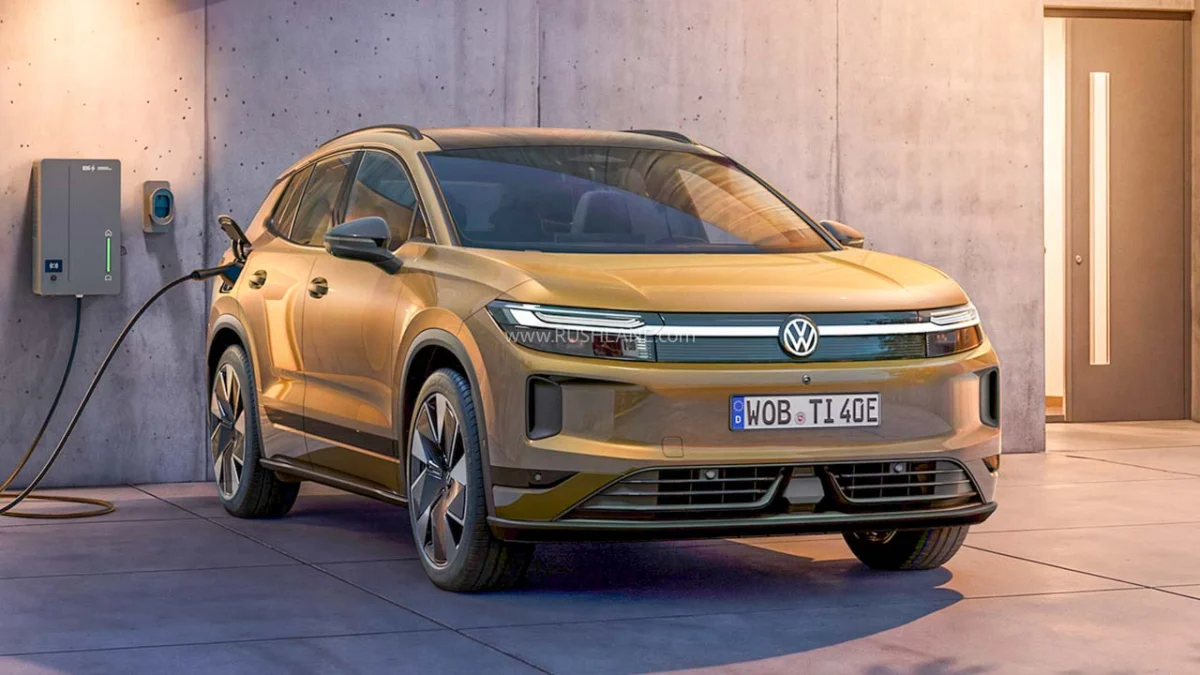
- Market Diversification: The presence of models like the Volkswagen Virtus and the Honda Elevate in the top rankings indicates that India is not merely an export hub for low-cost small cars. European and Japanese manufacturers are increasingly leveraging Indian engineering and manufacturing standards to supply premium-positioned vehicles to global markets.
- The "India as an Export Hub" Strategy: With Maruti Suzuki leading the charge, the trend of manufacturing "Global Models" (such as the Jimny) in India for the world stage has matured. The success of the Jimny—being showcased at iconic international locations—is a testament to the fact that Indian-built vehicles are meeting stringent global quality expectations.
Future Outlook: Challenges and Opportunities
As we move into the final quarter of 2026, the industry faces a delicate balancing act. The decline in the total number of exported units compared to September 2025 is a reminder that global economic growth remains uneven. Factors such as high interest rates in importing countries and potential currency fluctuations in emerging markets remain persistent threats.
However, the growth in the top 30 segment offers a blueprint for success. By focusing on high-utility vehicles (SUVs and MPVs) and maintaining a diverse export basket, Indian manufacturers are mitigating the risks of being over-reliant on a single market. The significant growth in models like the Dzire and Ertiga also signals that, despite the global craze for SUVs, the demand for value-for-money, reliable passenger carriers remains a crucial revenue stream.
In conclusion, the September 2026 export data serves as a microcosm of India’s automotive evolution. The industry is moving away from the era of "exporting the overflow" toward a strategic, volume-driven model where India is integrated into the global supply chains of the world’s largest automotive conglomerates. While the overall year-on-year numbers show a slight cooling, the underlying data suggests a sector that is more robust, agile, and strategically positioned than ever before. The coming months will be critical in determining whether the momentum witnessed in September can be sustained against a backdrop of global economic uncertainty. For now, the "Made in India" badge continues to gain significant traction, proving that the nation’s automotive manufacturing prowess is truly coming of age.