Introduction: A New Frontier in Zoonotic Disease
On October 22, 2026, the global medical community was alerted to a significant development in the landscape of infectious diseases: the first documented human infection of the Shamonda virus. The case, involving a severely immunocompromised patient at the Hospices Civils de Lyon in France, resulted in the patient’s death earlier that month. While health authorities are currently conducting rigorous investigations to determine the precise role the virus played in the fatality, the incident has fundamentally shifted the scientific understanding of this pathogen.
Previously categorized strictly as an animal-borne virus, the Shamonda virus—a member of the Orthobunyavirus genus—has now crossed a biological threshold. This report details the current status of the virus, its transmission dynamics, the potential impact on public health, and the urgent necessity of a "One Health" approach to monitor its trajectory.
The Chronology of an Emerging Threat
The story of the Shamonda virus in Europe is one of rapid geographical expansion. While the virus was first isolated in Nigerian cattle during the mid-1960s and has since appeared sporadically in parts of Africa and Japan, its arrival in Europe was marked by a surge in livestock infections during the spring and summer of 2026.
- Mid-2026: Widespread circulation of the virus is detected across farm animal populations in various European nations.
- Early October 2026: A patient under treatment for a serious, underlying illness at the Hospices Civils de Lyon passes away after exhibiting severe neurological complications.
- October 22, 2026: French health authorities officially announce the first known human infection of the Shamonda virus.
- Late October 2026 to Present: Ongoing investigations are focused on determining the mode of transmission—suspected to be a Culicoides midge bite—and the extent of the virus’s pathogenicity in immunocompromised individuals.
Understanding the Pathogen: What is Shamonda Virus?
The Shamonda virus belongs to the Peribunyaviridae family and is a prominent member of the "Simbu" group of viruses. This group is well-known to veterinary science, sharing a lineage with other notable pathogens such as the Schmallenberg virus and the Akabane virus.

Biological Characteristics
The virus is primarily vector-borne, meaning it relies on an intermediate host to move from one primary host to another. In this instance, the Culicoides midge—a tiny, blood-feeding insect—is the primary suspect for transmission. While two genetically distinct variants, SHAV-EU1 and SHAV-EU2, have been identified in Europe, research into their specific virulence remains in its infancy.
Impact on Livestock
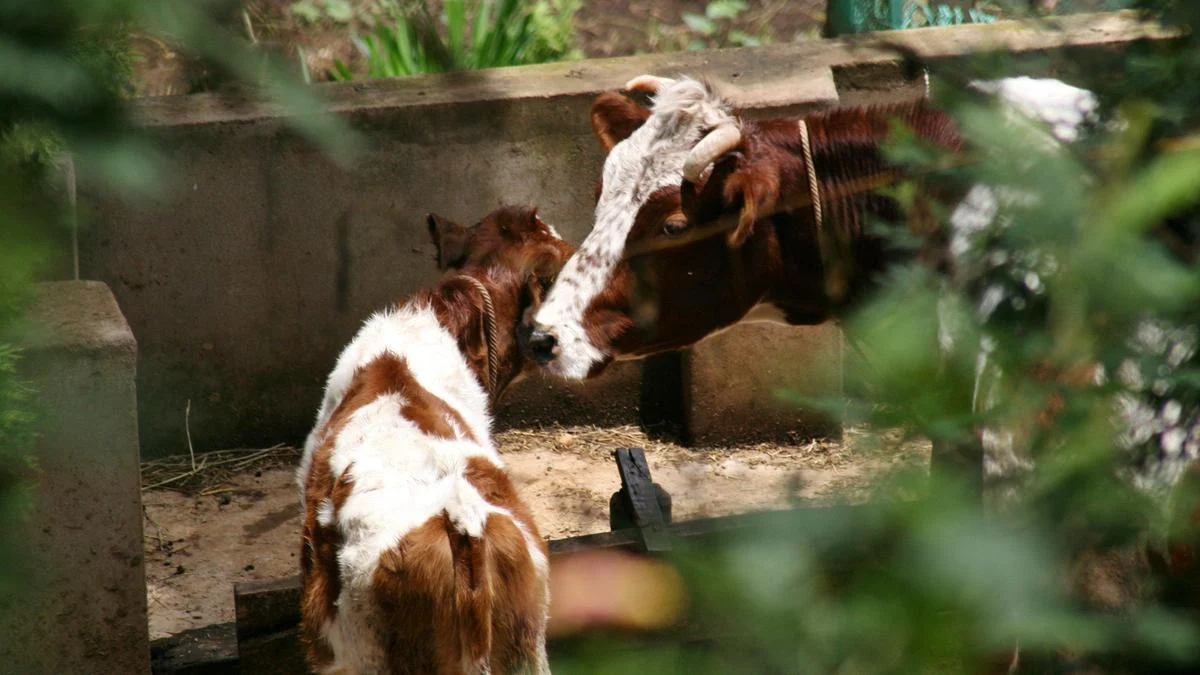
For decades, Shamonda has been recognized as a significant threat to agricultural productivity. Cattle are the primary hosts, though sheep, goats, horses, and alpacas are also susceptible. Clinical manifestations in livestock include:
- Acute symptoms: Fever, severe diarrhea, lethargy, and a marked reduction in appetite.
- Production loss: Dairy herds have reported significant declines in milk production, ranging from 15% to 75% during clinical episodes.
- Reproductive impact: The virus is heavily associated with abortions and congenital abnormalities in offspring, presenting a substantial economic risk to the agricultural sector.
Transmission Dynamics and Geographical Spread
According to data from the European Centre for Disease Prevention and Control (ECDC), the virus has established a presence in at least 12 European countries, including Austria, Belgium, France, Germany, Ireland, Italy, Liechtenstein, Luxembourg, the Netherlands, Portugal, Spain, Switzerland, and the territory of Jersey.
The Role of the Culicoides Midge
The transmission cycle is largely driven by environmental factors that favor midge populations. There is currently no evidence of horizontal transmission (direct animal-to-animal contact). However, vertical transmission—where an infected mother passes the virus to her fetus—is a confirmed route of spread within animal populations.

The Mystery of the First Human Case
The pivotal question remains: how did the virus reach a human host? The current working hypothesis is that the patient was bitten by an infected midge while in eastern France. Because the patient was severely immunocompromised, it is unclear if the virus is capable of causing severe disease in healthy individuals. Scientists are currently investigating whether this was an isolated spillover event or if the virus has been circulating in humans silently for some time.
Official Responses and Public Health Risk Assessments
The reaction from global health bodies has been one of cautious observation. Both the French authorities and the World Health Organization (WHO) have issued statements emphasizing that, at this time, there is no identified public health risk to the general population.
WHO and ECDC Stance
The WHO has explicitly stated that a wider human outbreak is unlikely based on the available evidence. The absence of documented human-to-human transmission is a critical factor in this assessment. However, officials caution that "current knowledge" is an evolving metric. The priority is to establish a clearer picture of the virus’s behavior through:
- Enhanced Laboratory Surveillance: Improving PCR testing capabilities to track the virus across borders.
- Epidemiological Investigation: Determining if other undiagnosed cases exist, particularly among farmers or individuals with high exposure to livestock.
- Cross-Sector Collaboration: Ensuring that data from veterinary services are immediately accessible to human public health agencies.
Implications of the "One Health" Approach
The emergence of the Shamonda virus in humans serves as a textbook justification for the "One Health" framework. This approach acknowledges that human health is inextricably linked to the health of animals and the shared environment.

Why One Health Matters Here
- Early Warning Systems: Had there been more robust surveillance of livestock, the potential for zoonotic spillover might have been anticipated earlier.
- Integrated Research: The study of the virus must now move beyond agriculture. Human clinical researchers must collaborate with veterinarians to understand the neurological impacts of the virus, which were previously only studied in equine or bovine subjects.
- Policy Gaps: As noted, the Shamonda virus is not currently subject to mandatory EU-wide animal health surveillance. This lack of centralized data limits our ability to predict the next potential spillover.
Diagnostic Challenges and Treatment Protocols
One of the most pressing concerns for clinicians is the lack of a standardized diagnostic or treatment plan for human Shamonda virus.
Diagnostic Hurdles
Currently, diagnosis requires molecular testing, such as PCR assays, to identify the viral genetic signature. Because the symptoms of the virus (fever, gastrointestinal distress, neurological impairment) can mirror a wide array of other common infections, doctors may not think to test for Shamonda unless there is a known link to animal exposure.
The Therapeutic Vacuum
There are currently no commercially available vaccines for livestock or humans. Furthermore, there is no established antiviral protocol for treating human patients. Treatment is currently limited to supportive care—managing the symptoms while the patient’s immune system attempts to fight the infection. For the immunocompromised patient in Lyon, this lack of specific intervention proved fatal, underscoring the urgent need for therapeutic research.
Future Outlook: Is There a Global Threat?
While the current risk level is categorized as low for the general public, the scientific community is not resting on these findings. The question of prevalence in other parts of the world, such as India, remains an area of uncertainty. The absence of reported cases does not equate to the absence of the virus; it often reflects a lack of specific testing infrastructure.

The Road Ahead
The scientific community must prioritize:
- Large-scale Serological Surveys: Testing blood samples from livestock workers to see if sub-clinical infections have occurred.
- Vector Control: Developing better strategies to manage Culicoides populations, especially as climate change continues to expand the habitats of these biting midges.
- Genomic Monitoring: Continuing to sequence the SHAV-EU1 and SHAV-EU2 variants to determine if they are mutating into forms that are more easily transmissible to humans.
Conclusion
The death in France is a sobering reminder that the barriers between animal pathogens and human health are increasingly porous. The Shamonda virus is a potent example of how an "animal disease" can become a public health concern almost overnight. By strengthening the links between veterinary science, clinical medicine, and environmental monitoring, we can ensure that we are not caught off guard by the next chapter of this virus’s history. For now, vigilance is the most effective tool in our arsenal. The world is watching, not with panic, but with the necessary scientific rigor to ensure that a localized tragedy does not evolve into a global crisis.