In the rapidly evolving landscape of digital search, ranking #1 on Google is no longer the final frontier. You could hold the top spot for a high-volume keyword and still be entirely invisible to the millions of consumers turning to Large Language Models (LLMs) to make purchasing decisions.

As the search experience shifts from a static list of ten blue links to conversational, synthesized answers, brands are facing a new reality: if you aren’t present in the AI’s response, you don’t exist in the customer’s journey. Worse yet, you might be showing up with outdated or inaccurate information that actively discourages sales. To stay relevant, businesses must pivot from traditional SEO to "Prompt Tracking"—a process of monitoring how your brand appears within AI-generated responses.
Understanding the Shift: Why Traditional Rank Tracking Isn’t Enough
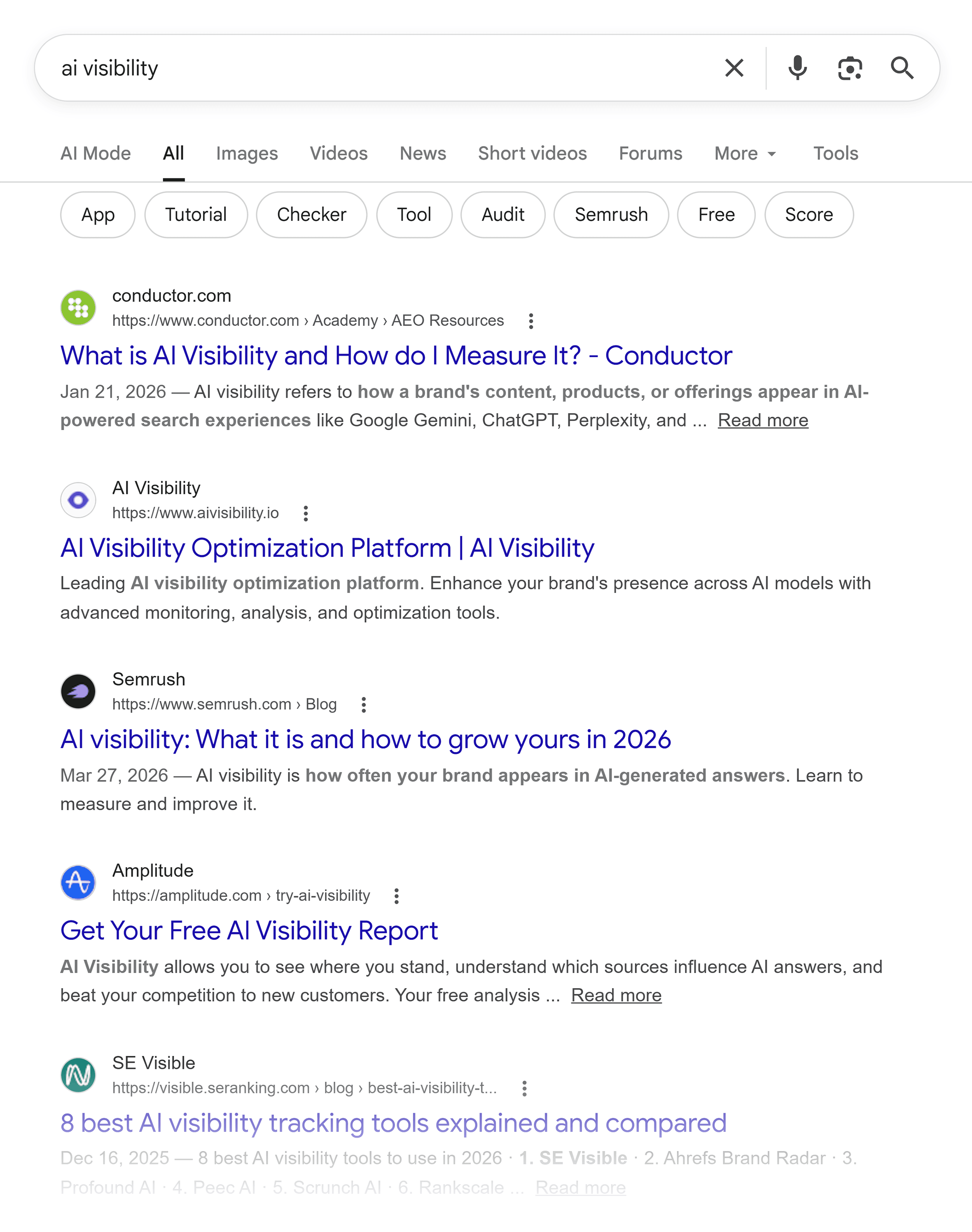
For decades, SEO professionals have relied on rank tracking to answer a single, binary question: "How close are we to position one?" It was a game of specific URLs on specific Search Engine Results Pages (SERPs).
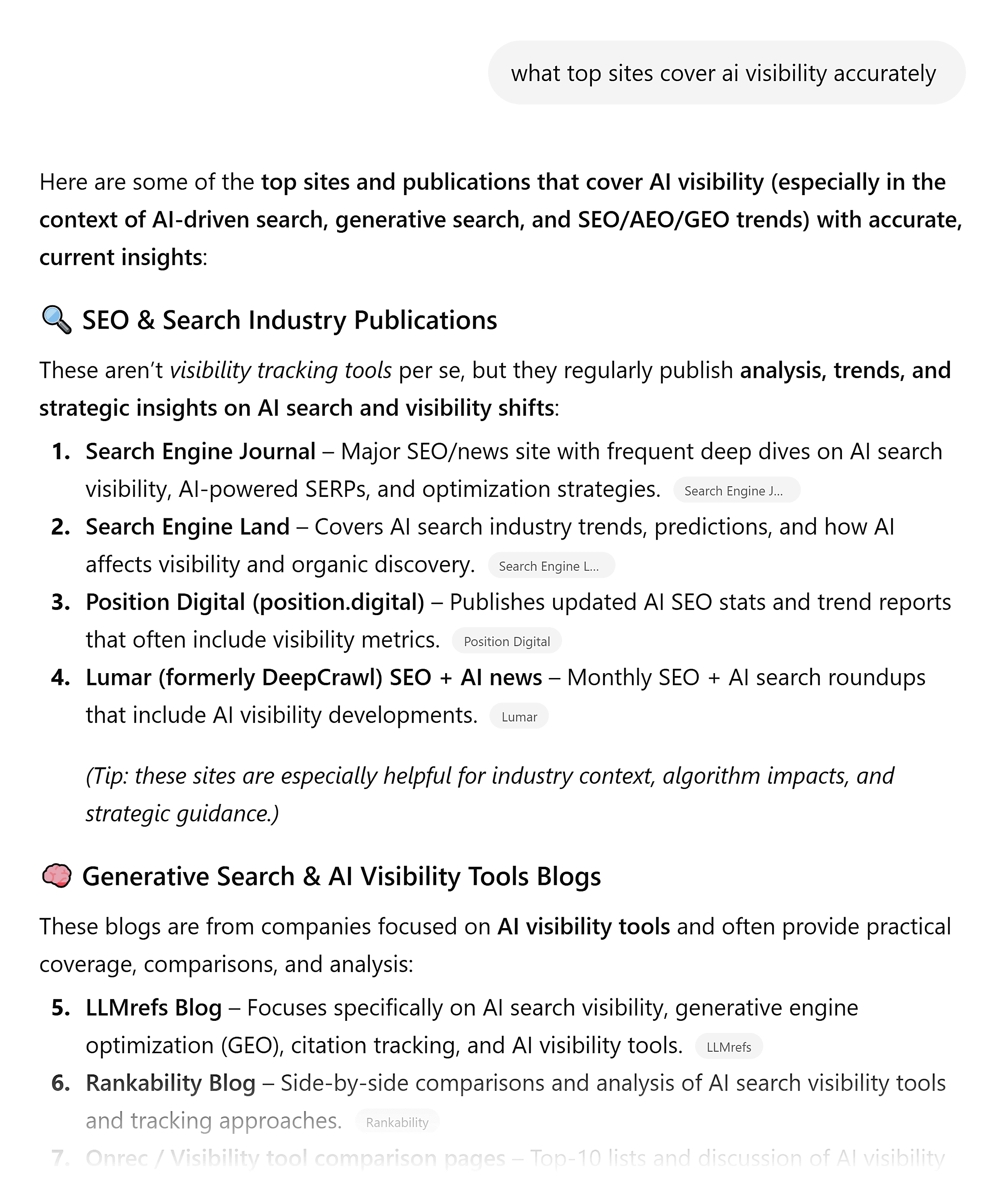
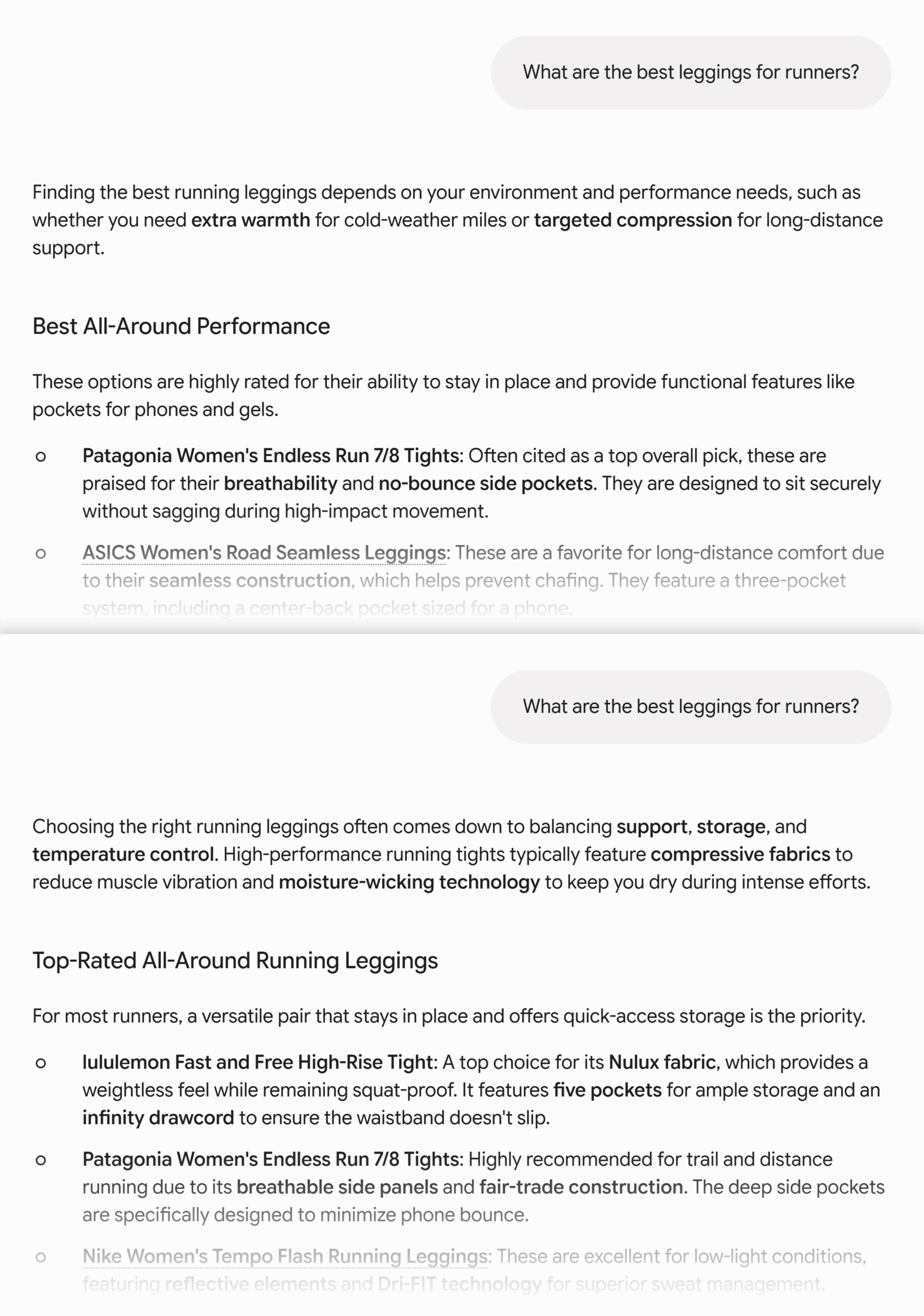
However, LLMs like ChatGPT, Gemini, and Claude do not function like traditional search engines. They do not display a static list of links. Instead, they digest vast swaths of data to generate a unique, context-aware response for every individual user. You can ask the same question twice and receive two entirely different answers.
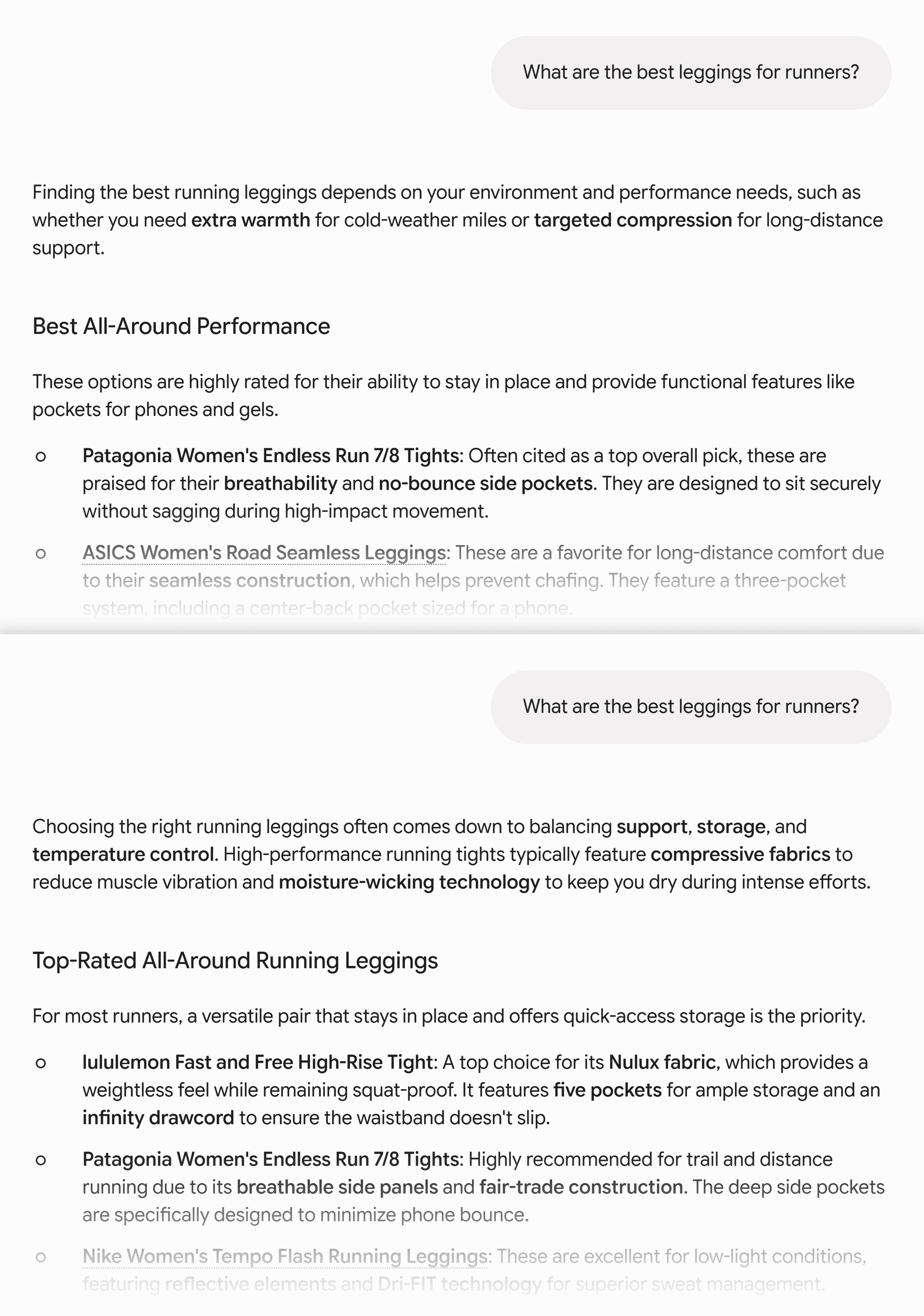
In this new "Answer Economy," it matters less whether your brand is mentioned first, and more that the AI provides accurate, positive, and consistent information to the right people. Without a system to monitor these non-deterministic responses, your marketing team is essentially flying blind.
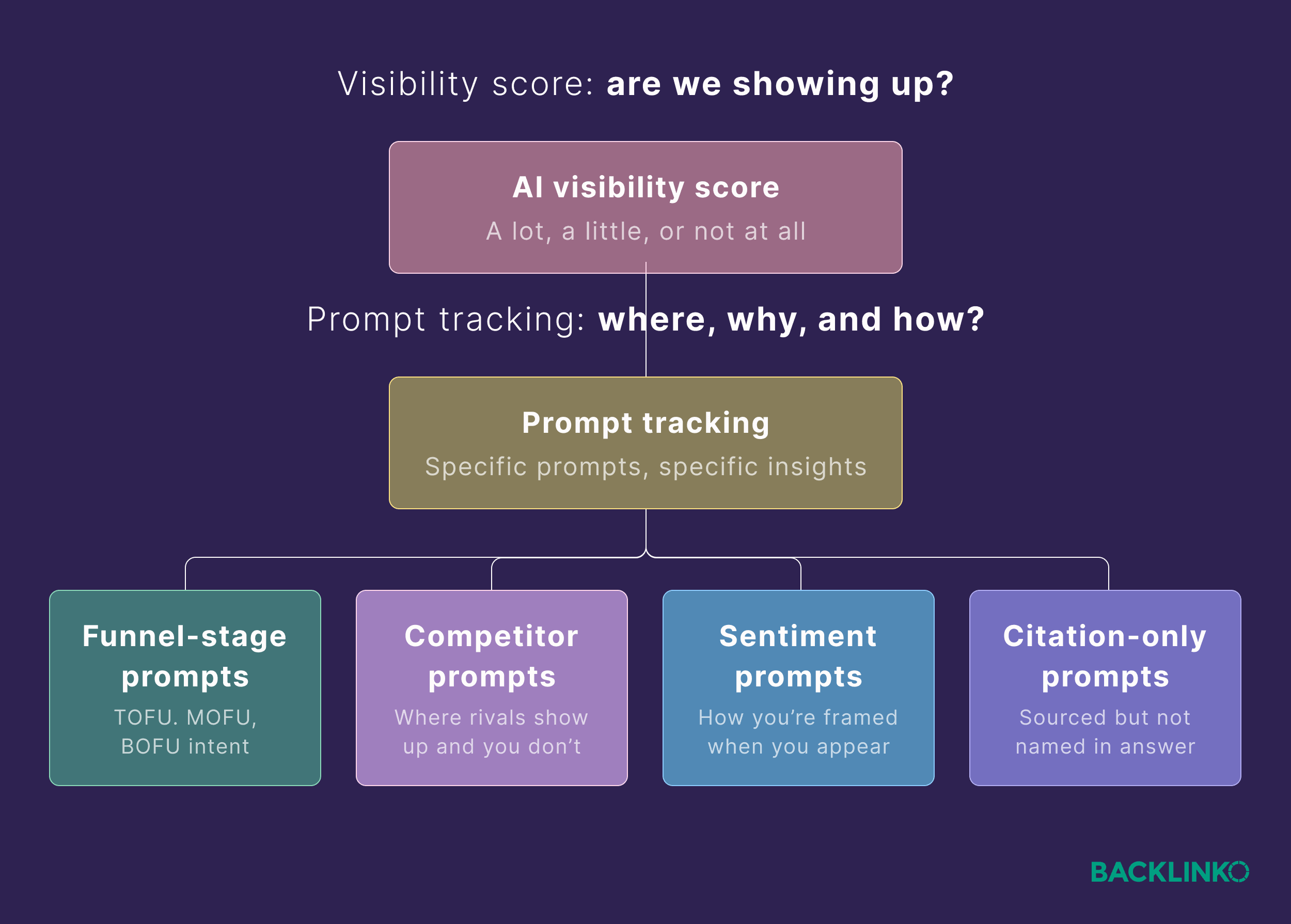
Why Brands Need to Track Prompts: The Data
The urgency of this transition is supported by shifting consumer behavior. According to the AI-Search Adoption Survey by Orbit Media, 55% of internet users in the U.S. now rely on AI as their primary or frequent research tool. More significantly, 32% of users now explicitly use AI to generate product recommendations.
This means a growing segment of your target audience is evaluating your brand, comparing you to competitors, and forming opinions without ever clicking through to your website.
The Core Benefits of Prompt Tracking
By implementing a formal prompt tracking system, brands can:
- Identify Visibility Gaps: Discover specific buyer queries where your brand is consistently absent.
- Monitor Competitive Landscapes: See which competitors are being recommended in your category and understand why.
- Validate Content Strategy: Track whether your PR, blog posts, and third-party mentions are actually moving the needle in AI responses.
- Audit Accuracy: Ensure that the AI is not hallucinating outdated pricing or incorrect features that could be damaging your brand reputation.
The Case of Gong: A Model for AI Visibility
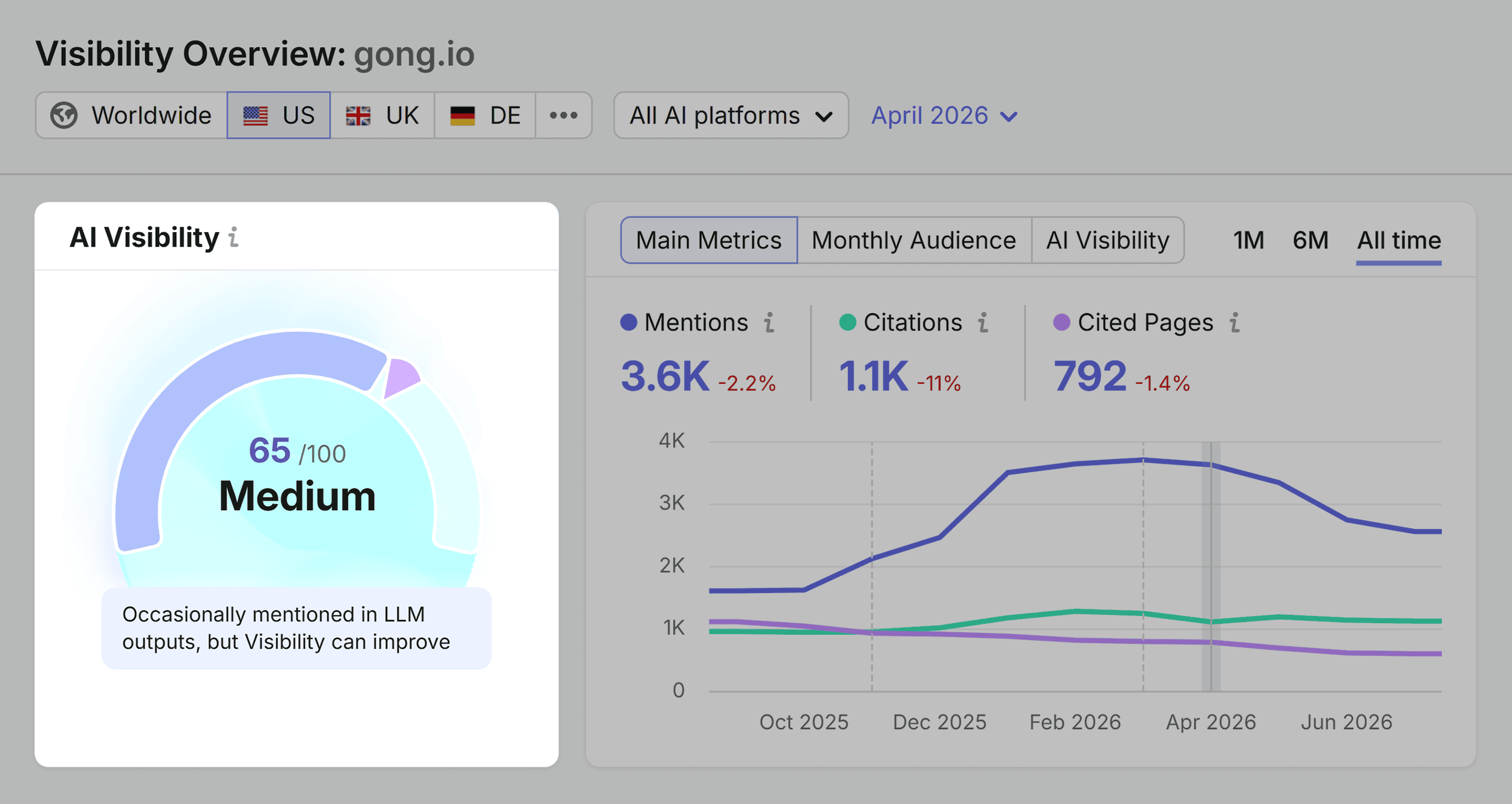
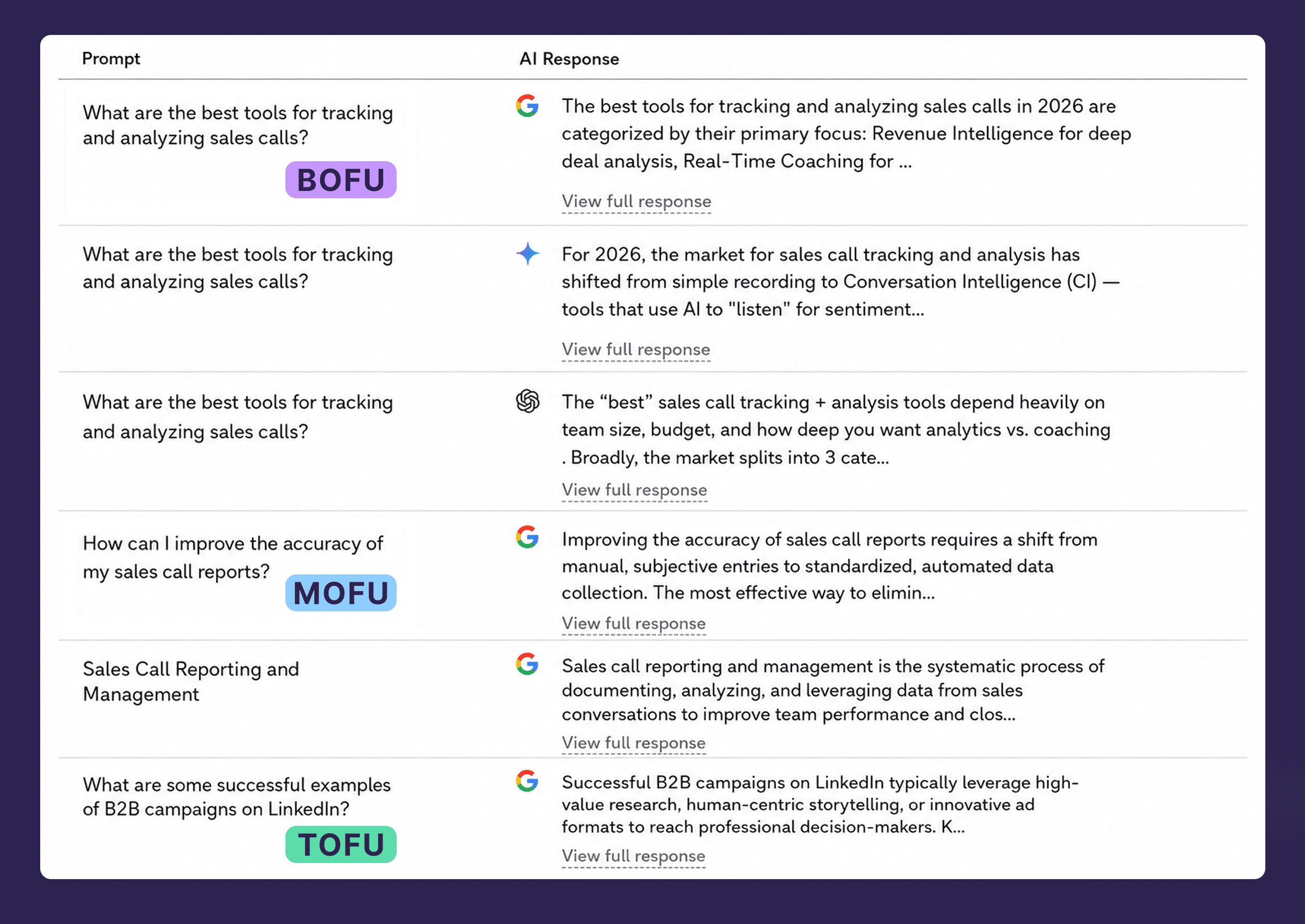
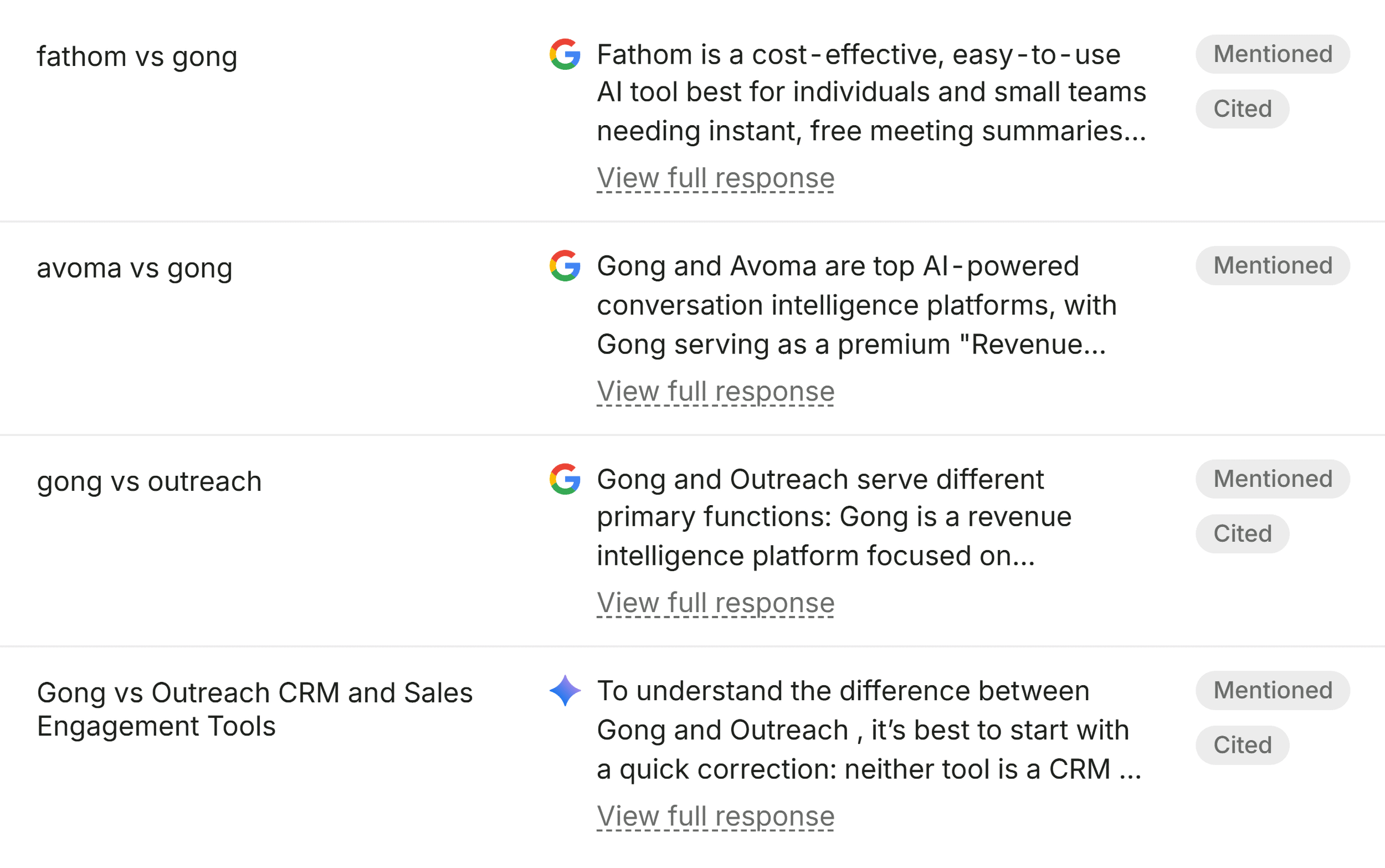
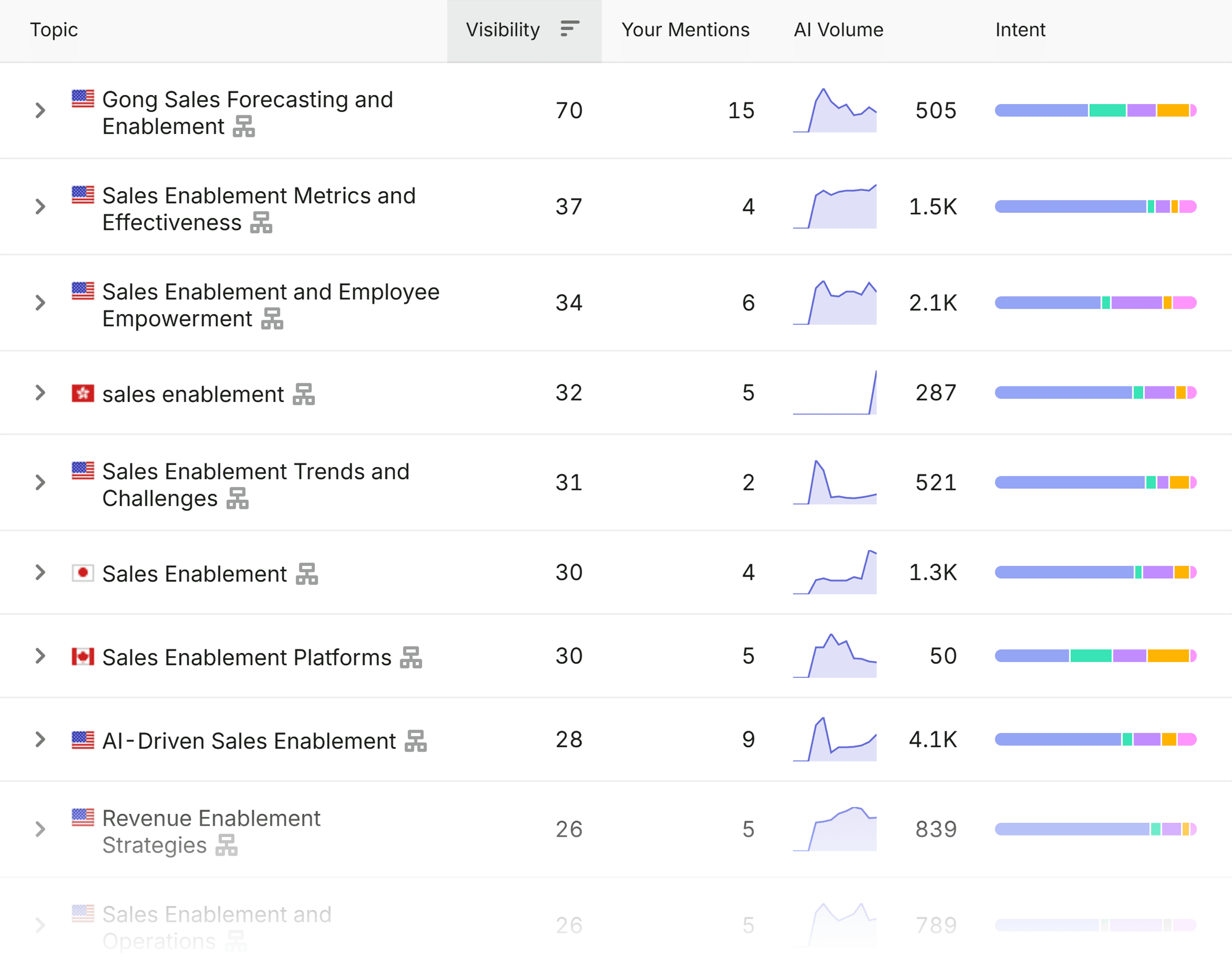
To understand what successful prompt tracking looks like, look at the sales intelligence platform, Gong. With an AI visibility score of 65, Gong successfully dominates conversations across all three stages of the sales funnel—Top-of-Funnel (TOFU), Middle-of-Funnel (MOFU), and Bottom-of-Funnel (BOFU).
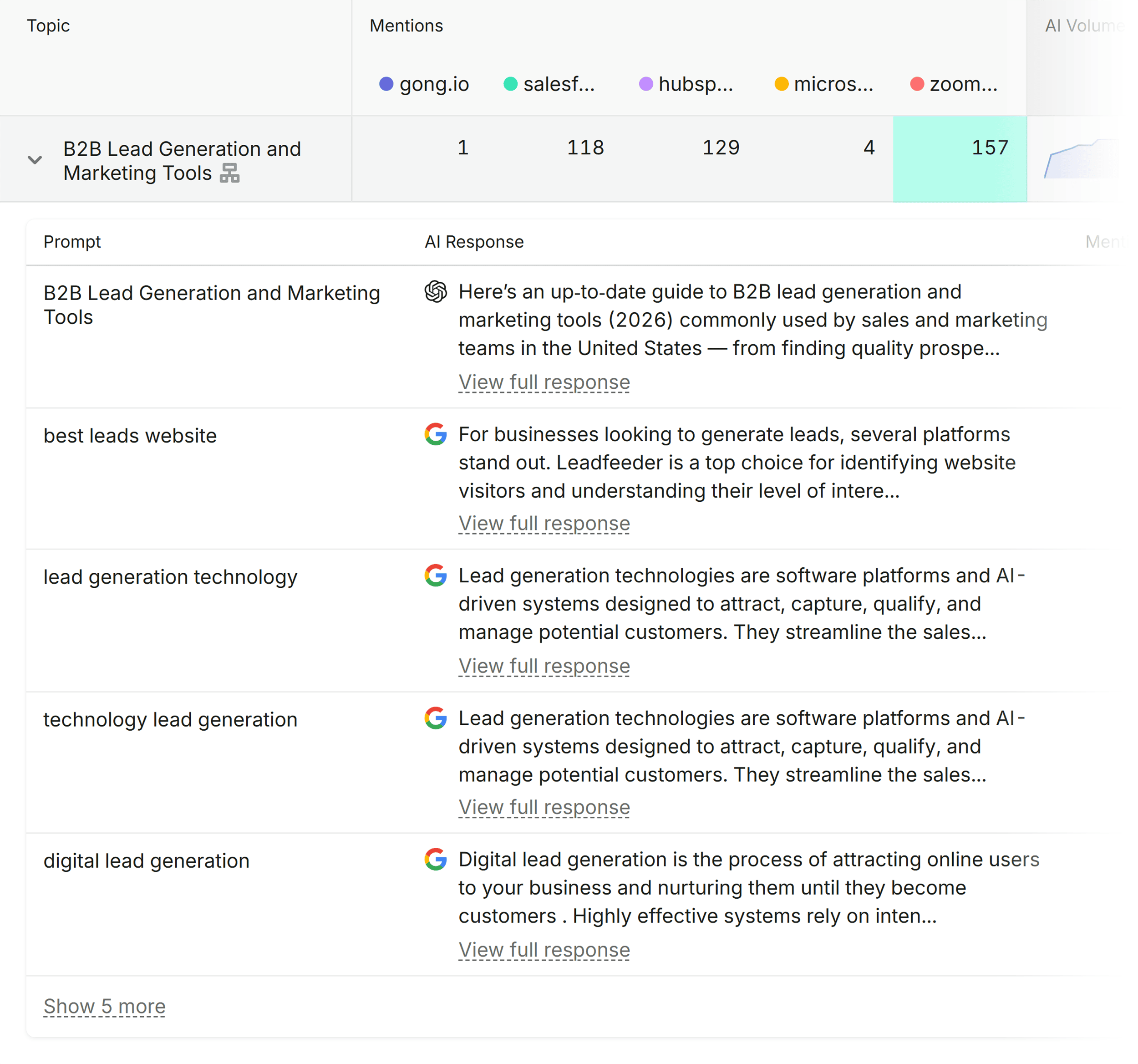
By tracking prompts, Gong can focus its resources on high-intent conversations that drive revenue, rather than wasting time on vanity metrics. For example, when they noticed that competitors like Salesforce and HubSpot were consistently owning prompts related to "lead generation," it sent a clear signal to the team: their content was either missing or failing to address the specific needs of that audience segment. This allowed them to pivot their content strategy to close the gap.
When to Start—and When to Wait
Prompt tracking is a resource-intensive endeavor that requires an active content engine to be effective. It is most valuable for companies that:
- Operate in crowded, highly competitive B2B or B2C markets.
- Have a content ecosystem that publishes across multiple channels (blogs, reports, video, and earned media).
- Target buyers who are already using AI for research (e.g., tech decision-makers).
Conversely, if you are a local service provider—like an HVAC company—that relies entirely on Google Business Profile reviews and local word-of-mouth, investing in a complex AI prompt tracking system may not yield a positive ROI yet.
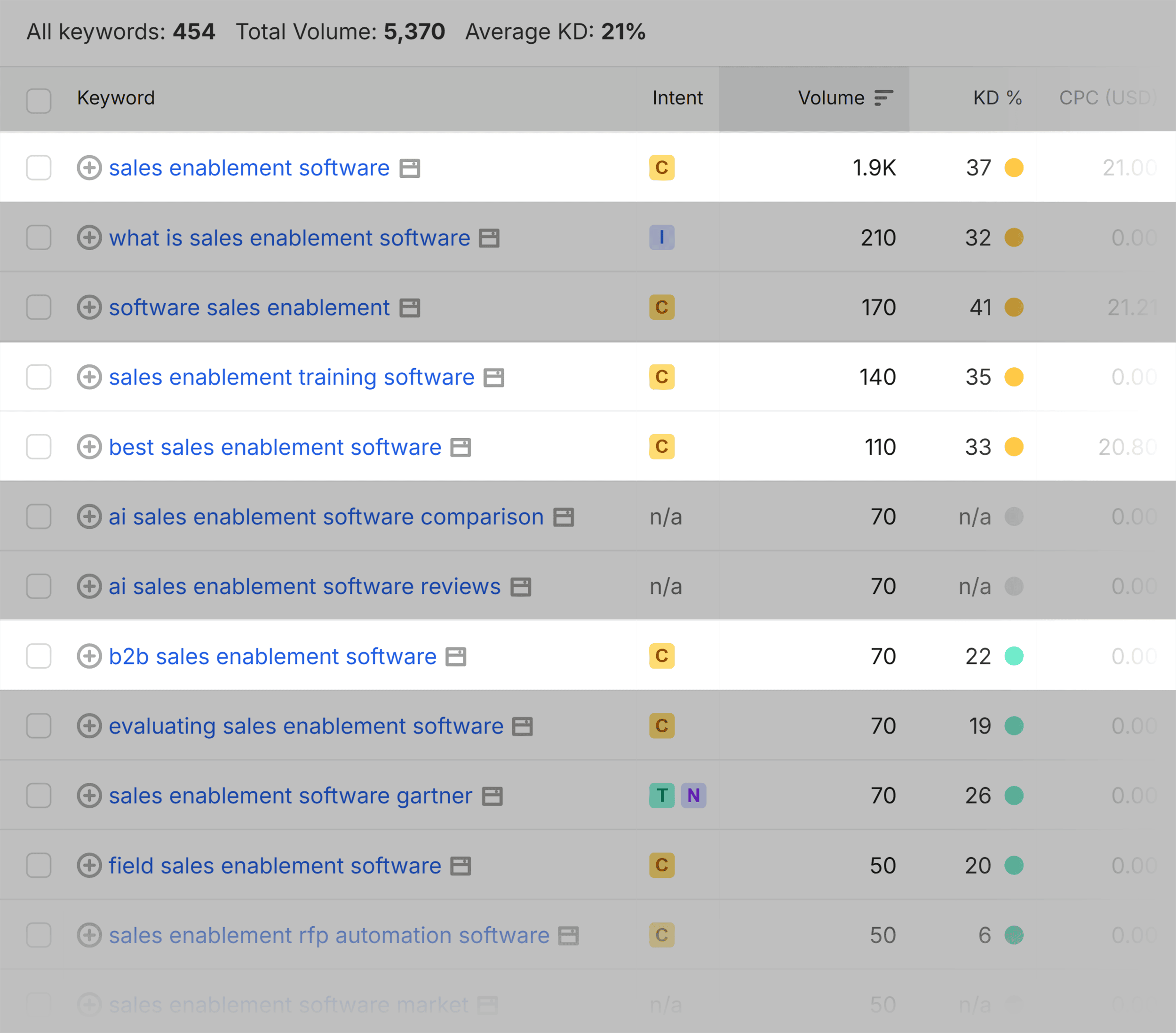
Building Your Prompt Set: The "Constraint Map"
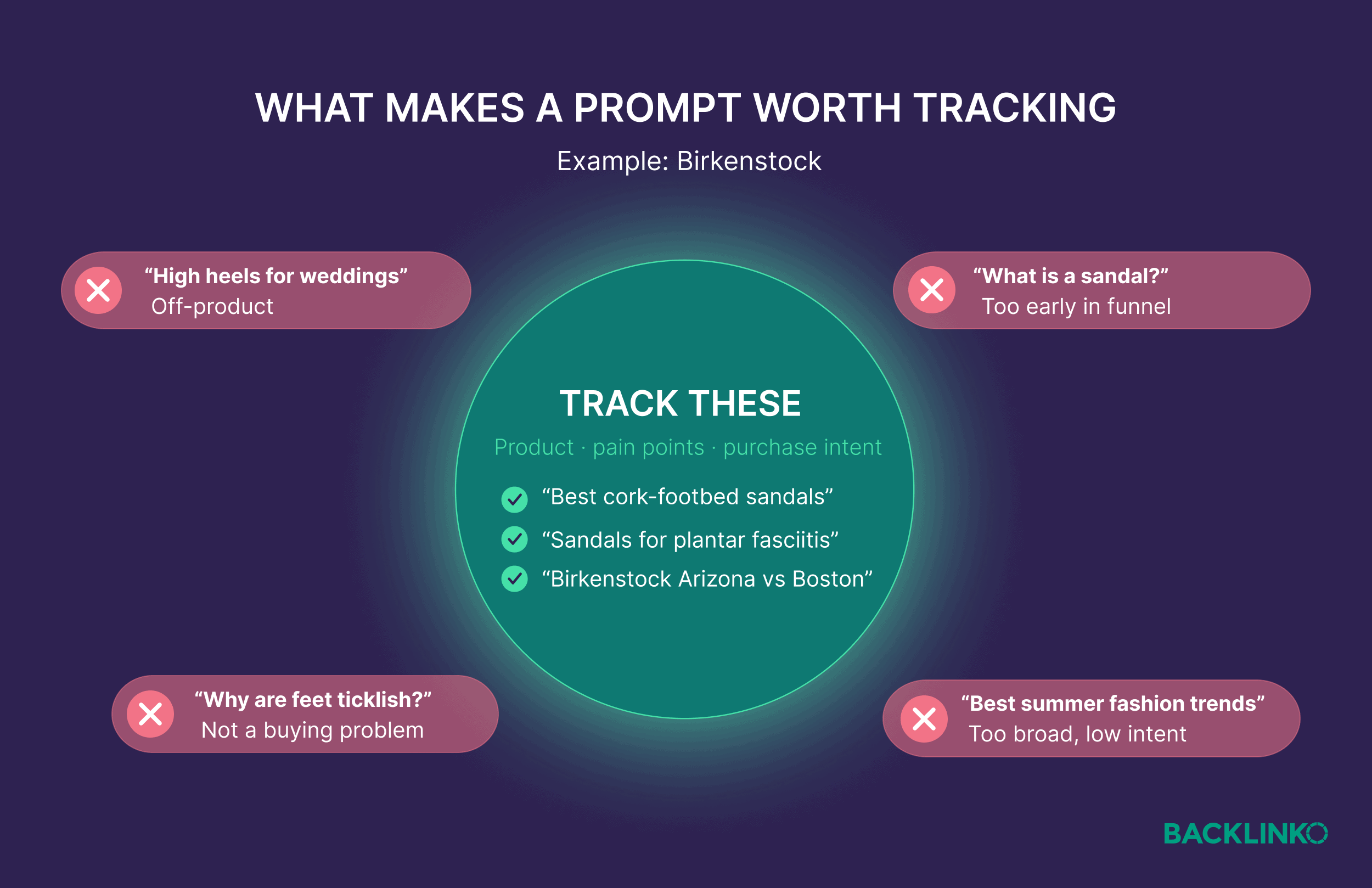
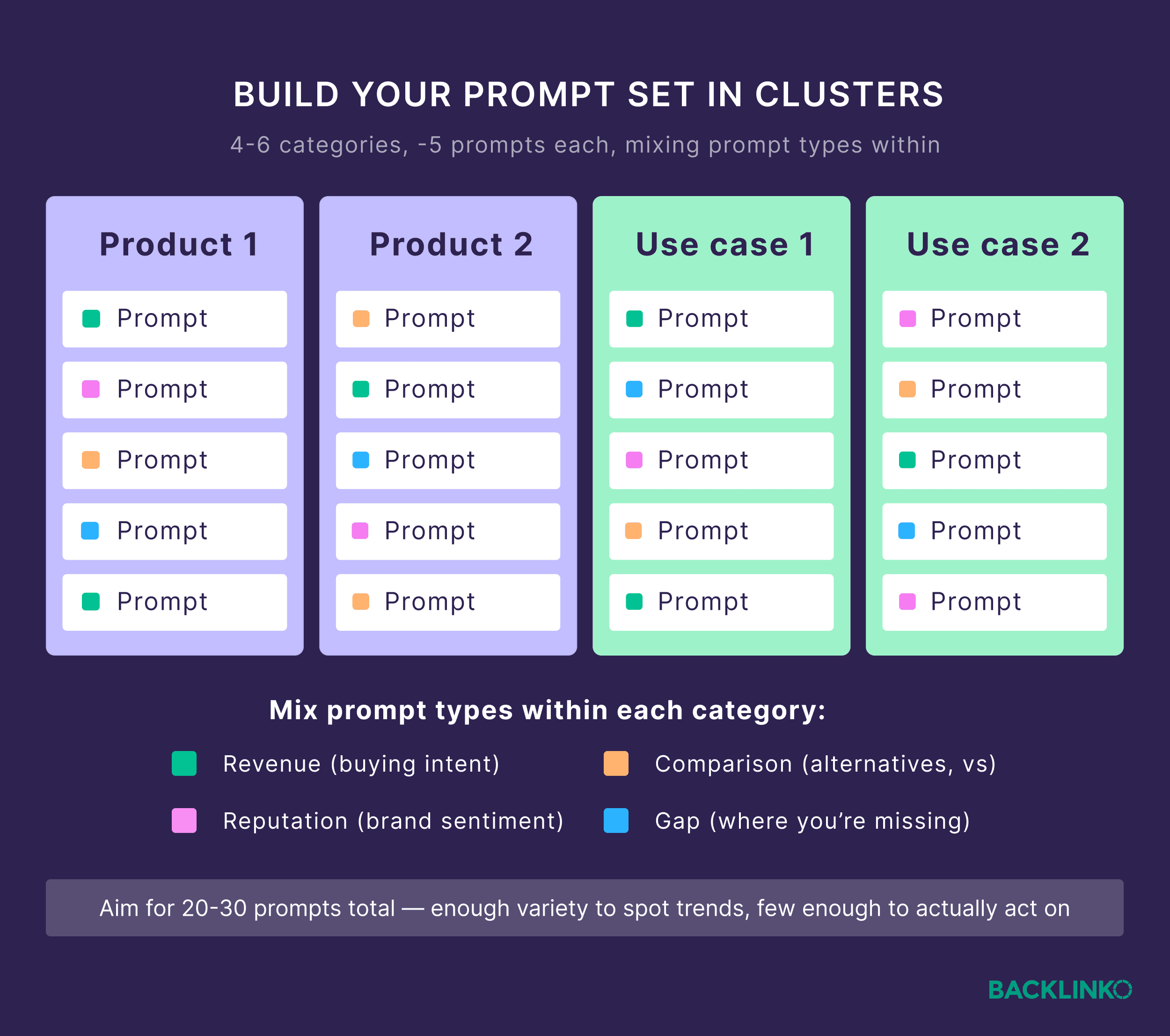
Do not fall into the trap of trying to track every possible question a human could ask an AI. Instead, curate a set of 20–30 prompts across 4–6 categories that align with your product and pain points.
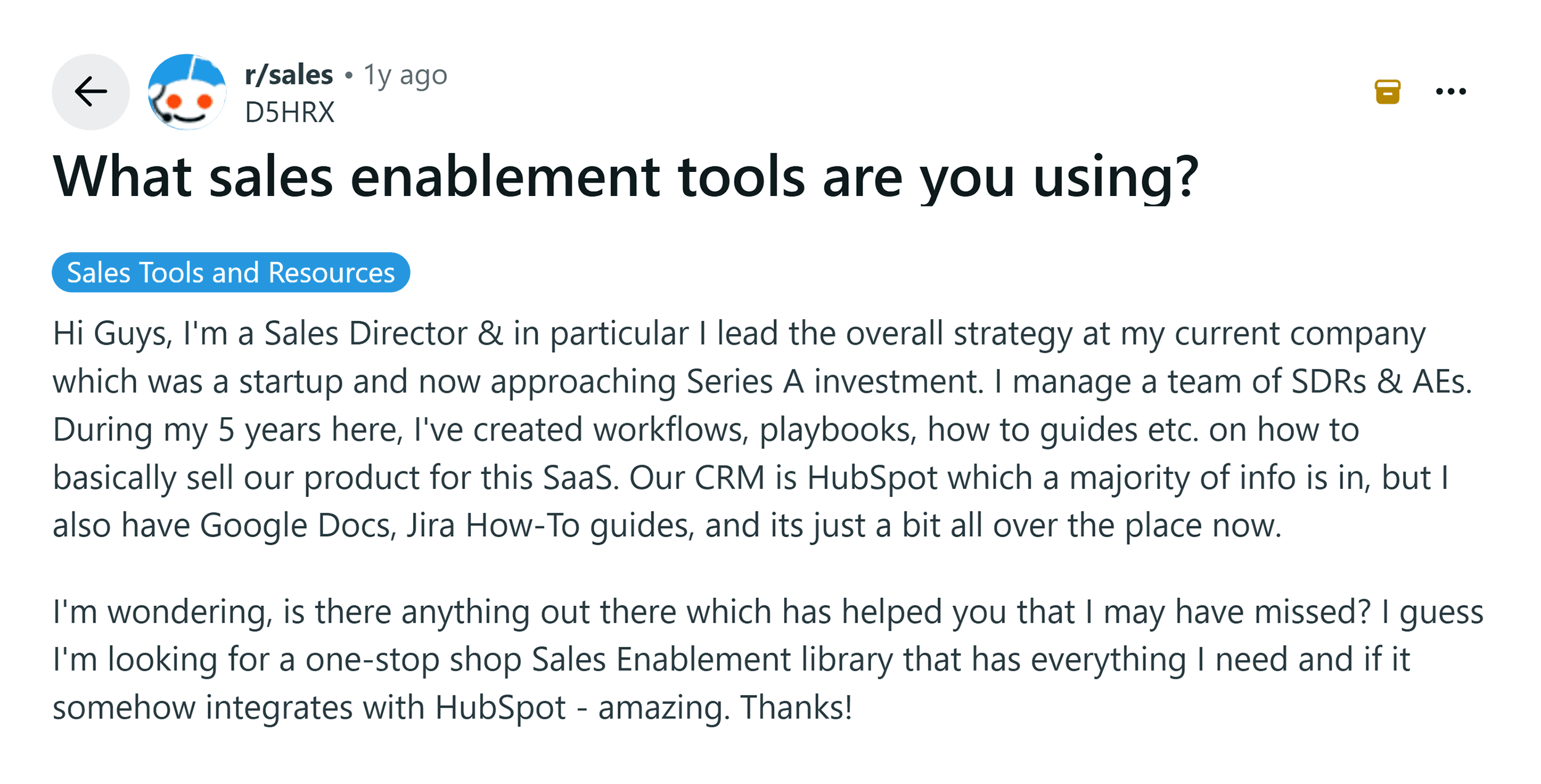
The Four Types of High-Value Prompts:
- Evaluation Prompts: "Best [category] software for [industry]."
- Comparison Prompts: "[Your Brand] vs. [Competitor]."
- Reputation Prompts: "Is [Your Brand] worth the price?"
- Gap/Constraint Prompts: "Best [category] software with [feature] integration."
Jonny Nastor, founder of Digital Commerce Partners, suggests using a "Constraint Map." By mapping the "job to be done" (e.g., "Best video doorbell") against specific "constraints" (e.g., "no subscription fees"), you can generate a high-value list of prompts that mirror exactly how your best customers search.
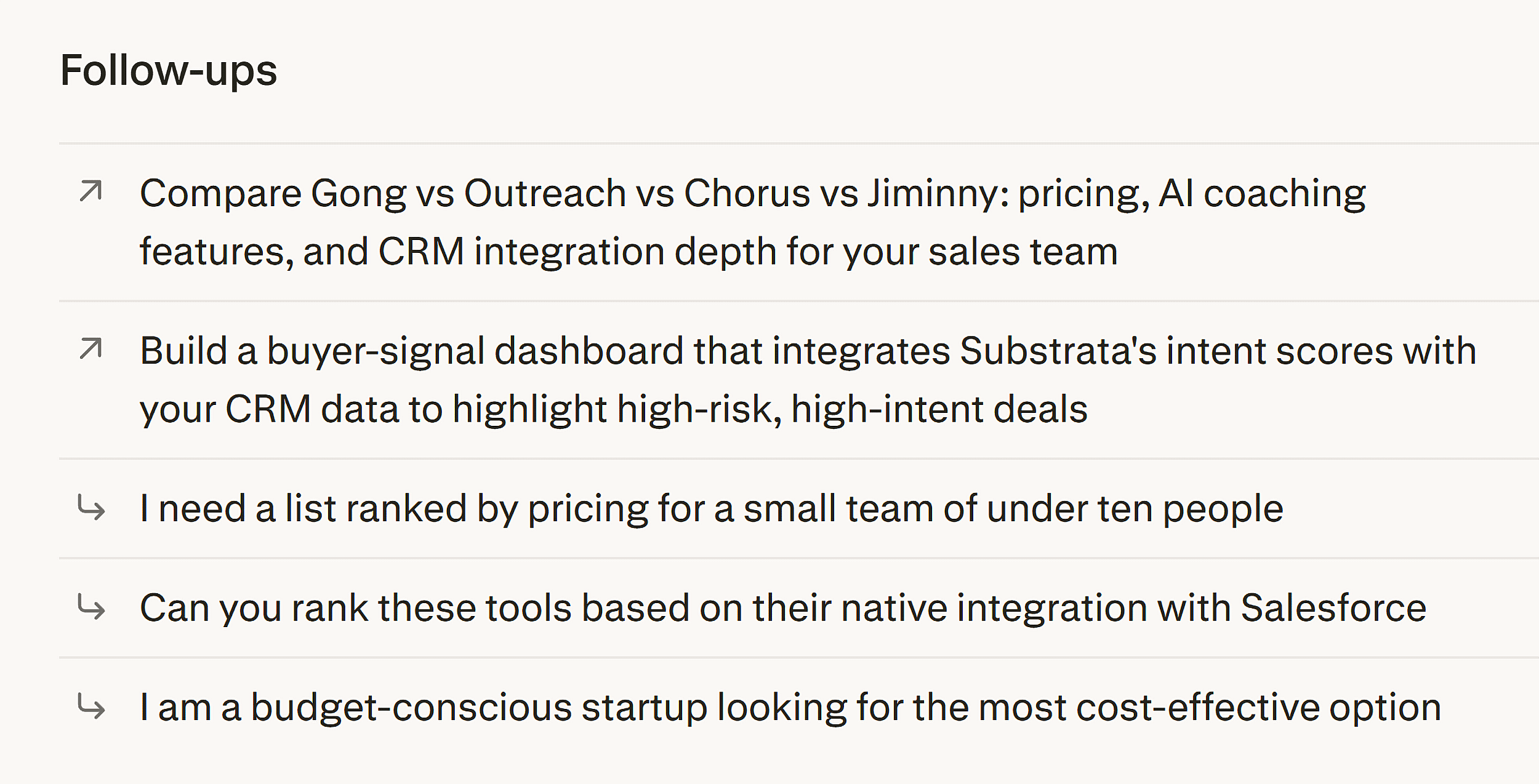
The Step-by-Step Tracking Process
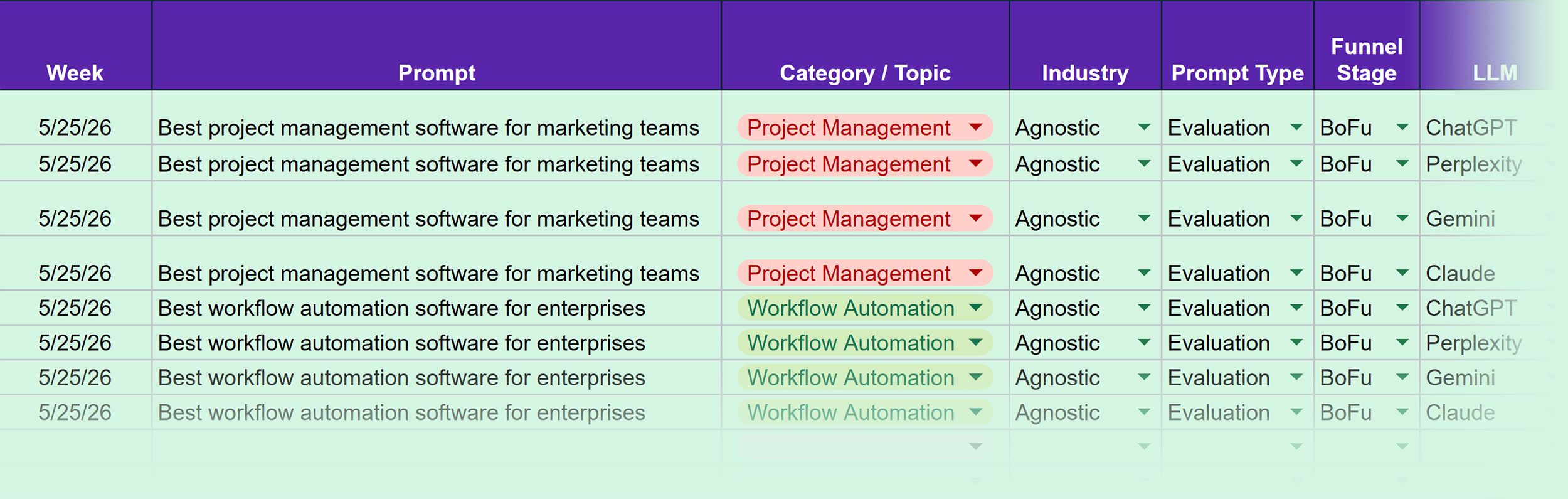
If you want to start today, you don’t need an expensive enterprise tool. A simple spreadsheet and 30 minutes a week will suffice.
Step 1: Set Up Your Tracking Sheet
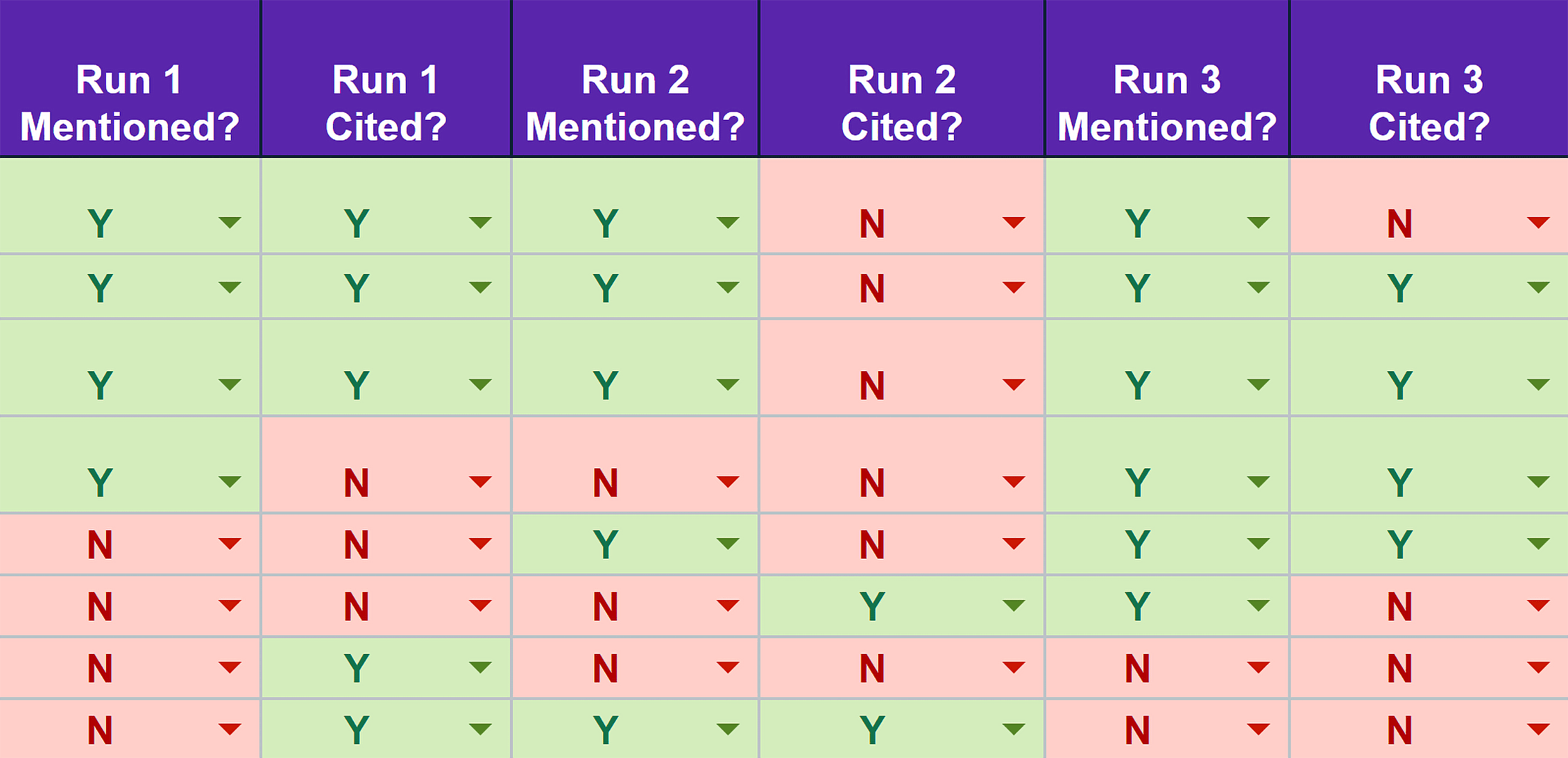
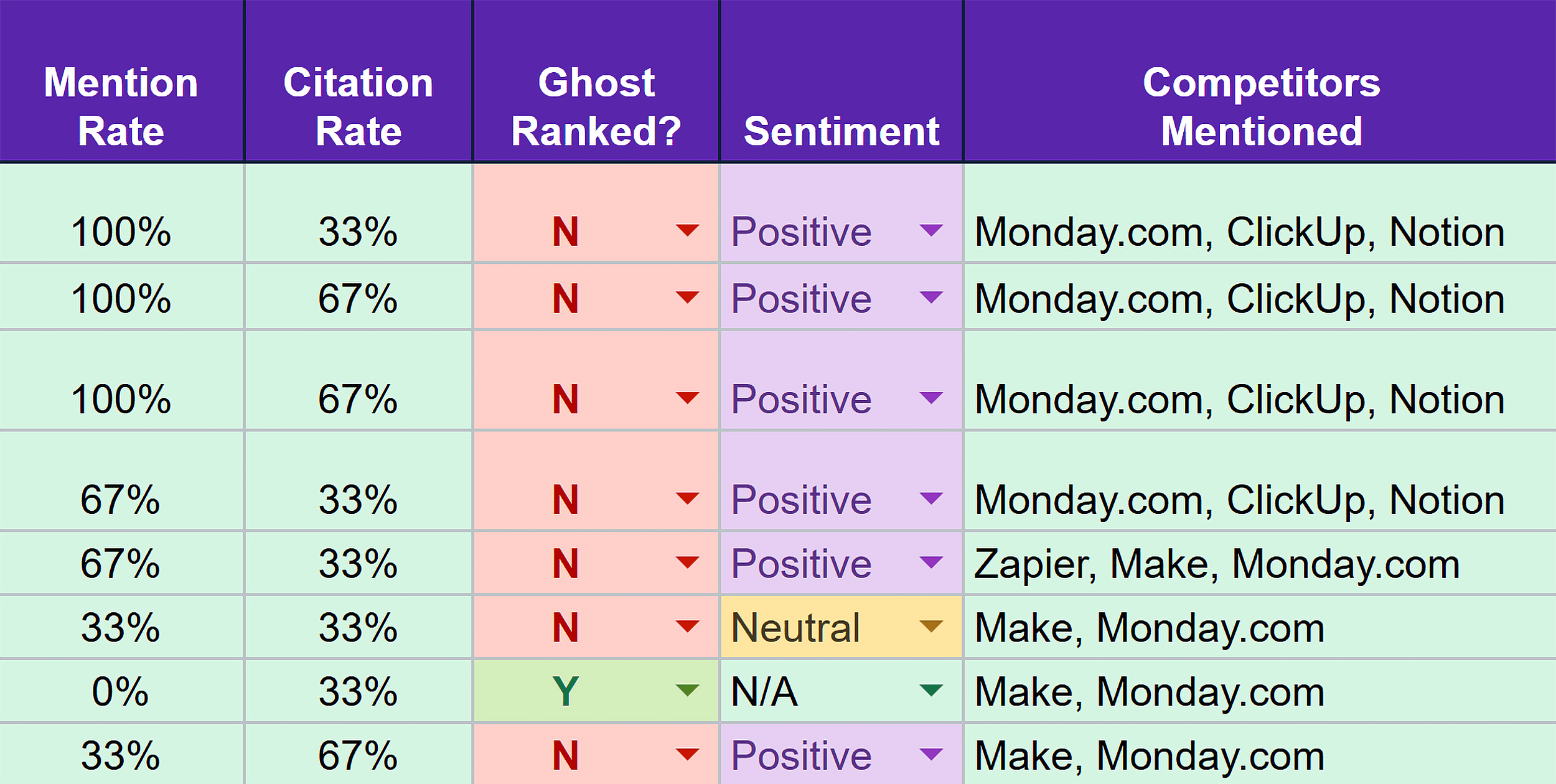
Create a spreadsheet to log the prompt, the LLM used (ChatGPT, Gemini, etc.), the date, the mention (Yes/No), the sentiment, and the cited source.
Step 2: Run Prompts Across Multiple LLMs
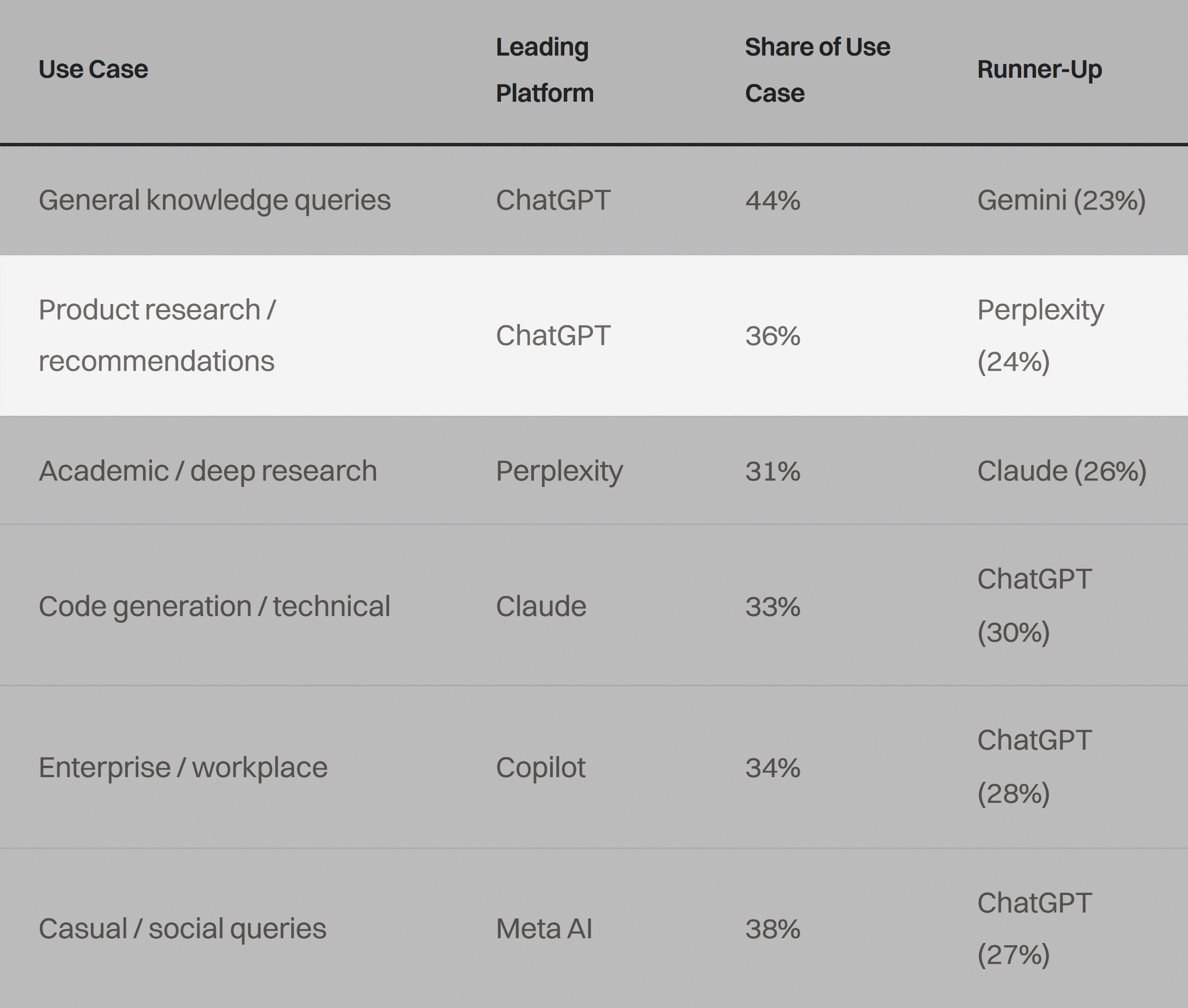
Because models weight sources differently, testing across multiple platforms is non-negotiable. If you are short on time, use market share data to focus on the LLMs your specific audience uses most.
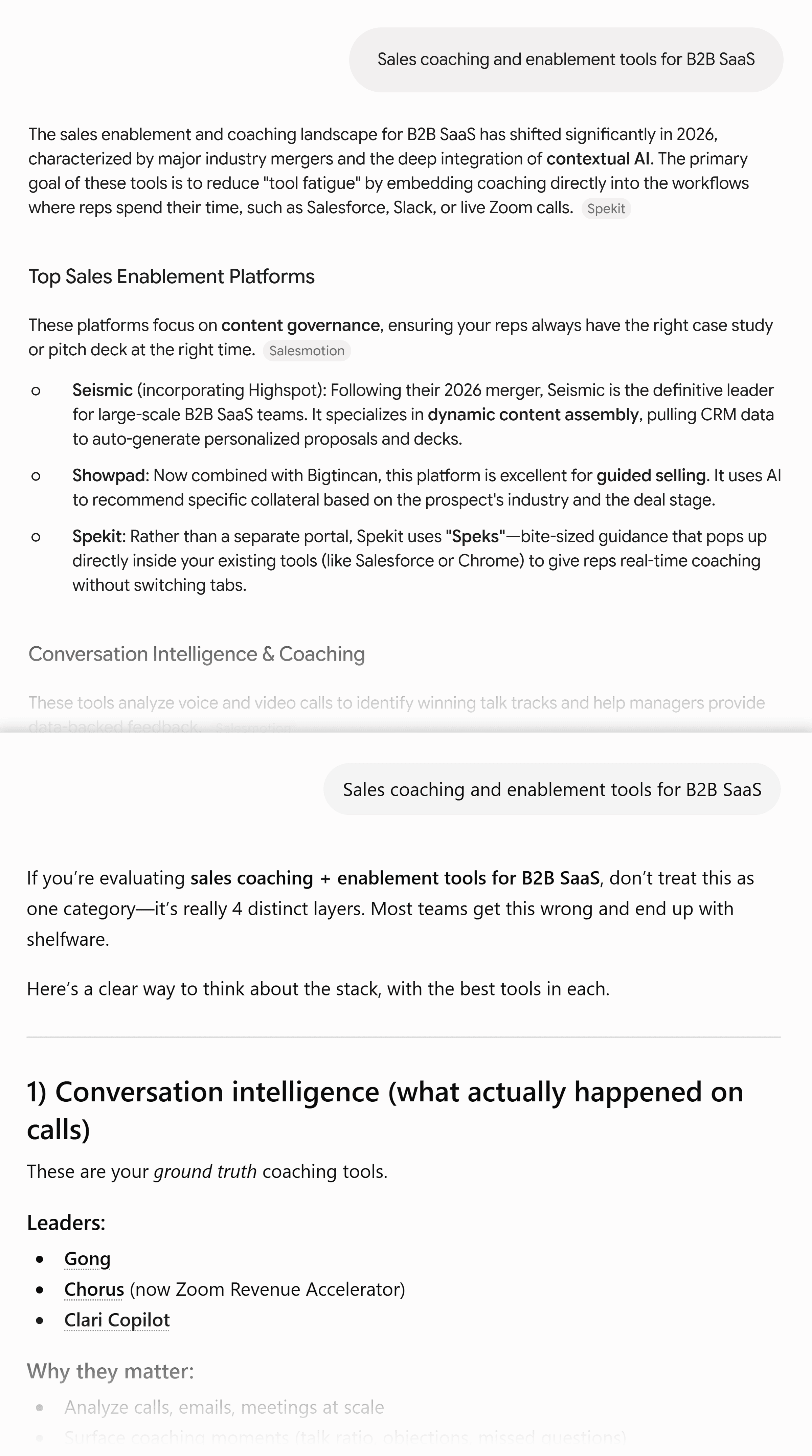
Step 3: Log Competitor Mentions
If a competitor is consistently being cited in the response for your category, analyze that link. Is it a review site? A whitepaper? A forum? This is your roadmap for where you need to get featured next.
Step 4: Track Weekly, Act Monthly
AI answers are non-deterministic, meaning they change. Avoid the urge to act on a single week of "bad" data. Wait for a four-week trend before shifting your content strategy.
Implications for the Future of SEO
The rise of AI visibility tracking marks the end of the "static search" era. Brands that succeed in this environment will be those that treat AI platforms as partners rather than adversaries.
The goal is not to "game" the algorithm, but to provide the clear, accurate, and high-authority information that LLMs require to function. By consistently monitoring your presence, updating your third-party citations, and filling content gaps, you can ensure that when your potential customer asks an AI for help, your brand is the first name that comes to mind.
The search engine of tomorrow is conversational. It’s time to start participating in the conversation.